
All About Bulbs
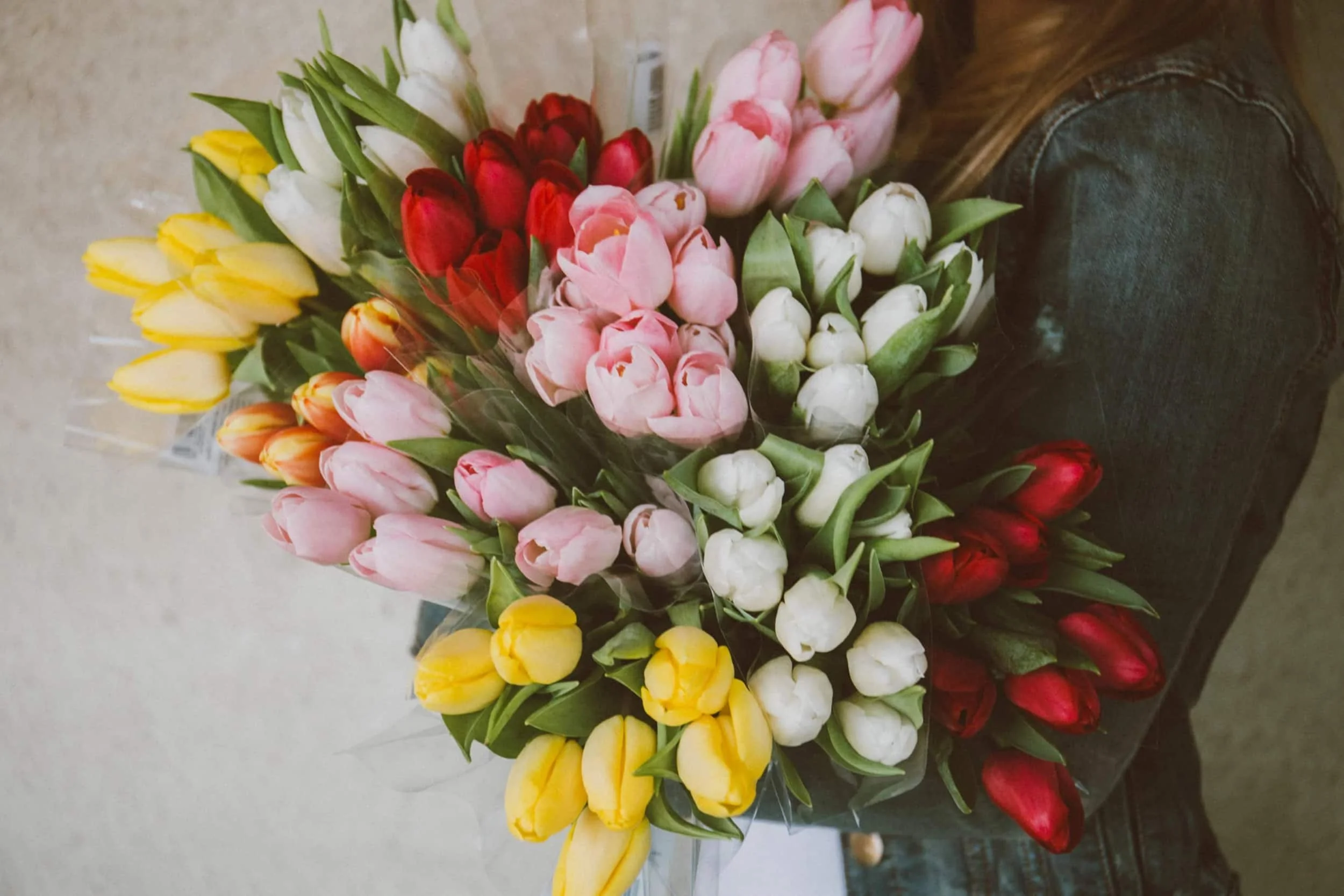
Tulips, daffodils, and hyacinths are the harbingers of spring. In an area like Western New York, seeing crocus buds poke their heads out of the snow can feel like winning a marathon. If you want to freshen up you beds with early spring blooms, consider incorporating bulbs in to your landscape. Daffodils, alliums, and tulips come in a variety of sizes and colors and will compliment your existing landscaping. Bulbs are the lazy gardener's plant—just plant them and walk away.
Types of Bulbs
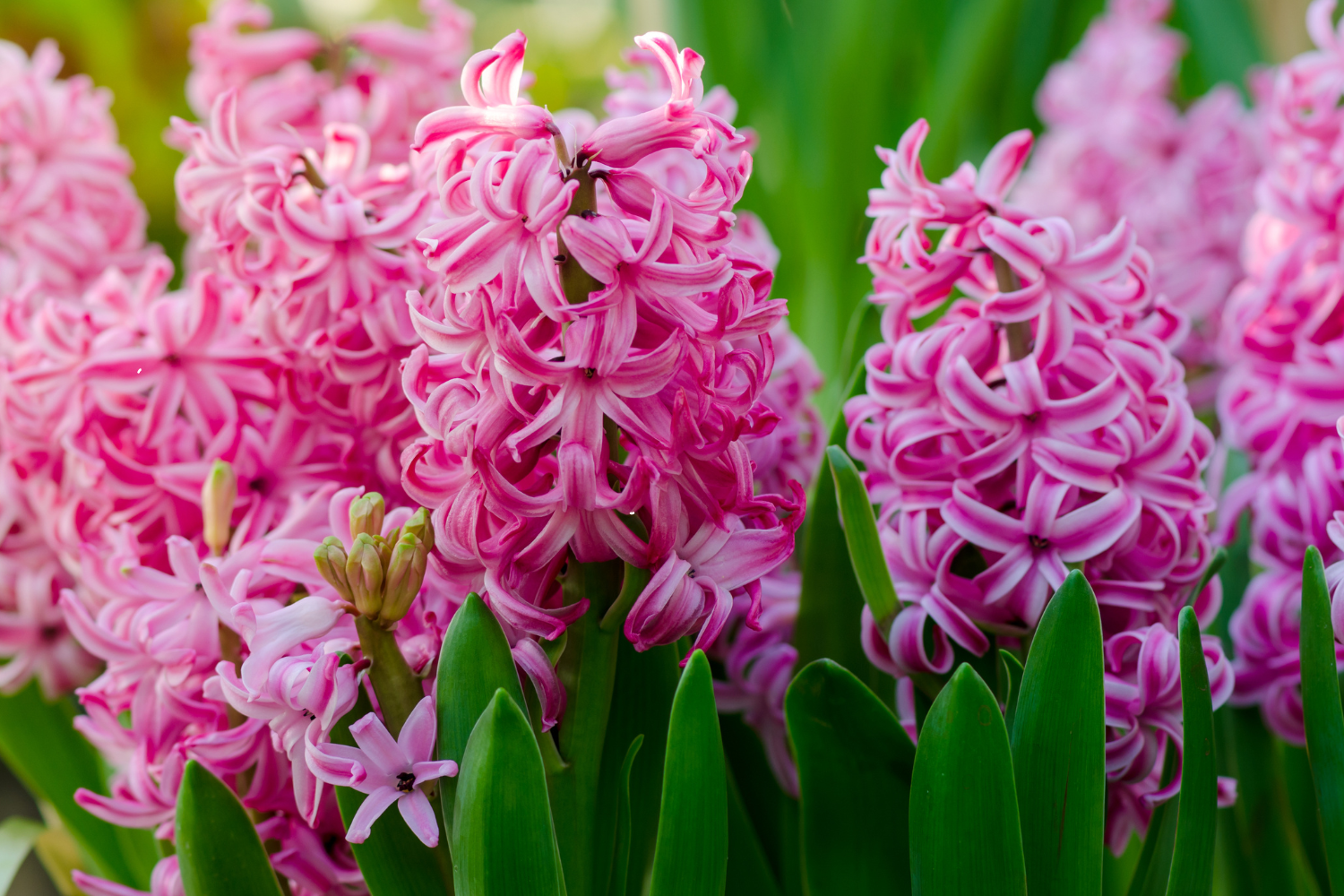
Bulbs are a fantastic addition to any garden in Zone 5, offering a burst of color and life after the long winter months. When selecting bulbs for your garden in Western New York, it's important to consider which ones are deer and rabbit-proof. Daffodils, hyacinths, and alliums are excellent choices as they are typically avoided by these animals due to their toxicity. On the other hand, tulips, while beautiful, are often targeted by deer and rabbits, so extra precautions may be needed to protect them.
Plant during the fall
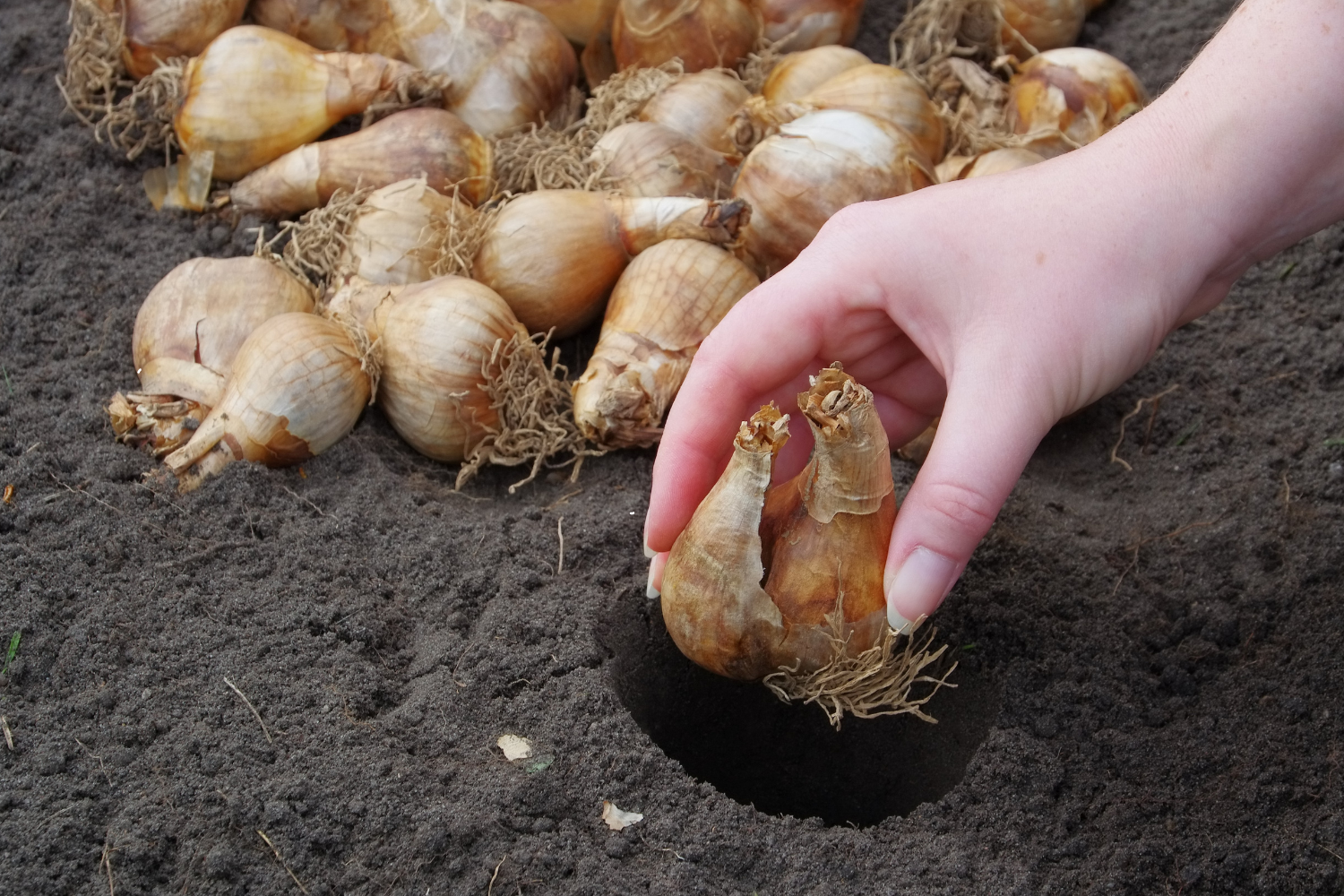
If you want your bulbs to bloom in the spring, you'll need to plant them in the ground the previous fall. This practice is not only a necessity for a colorful spring garden but also a delightful ritual. The crisp autumn weather provides the perfect opportunity to prepare your garden for the next season. With most planting tasks completed, focusing on bulb planting allows you to savor the beauty of nature and anticipate the vibrant blooms that will greet you in the coming spring.
Follow the instructions
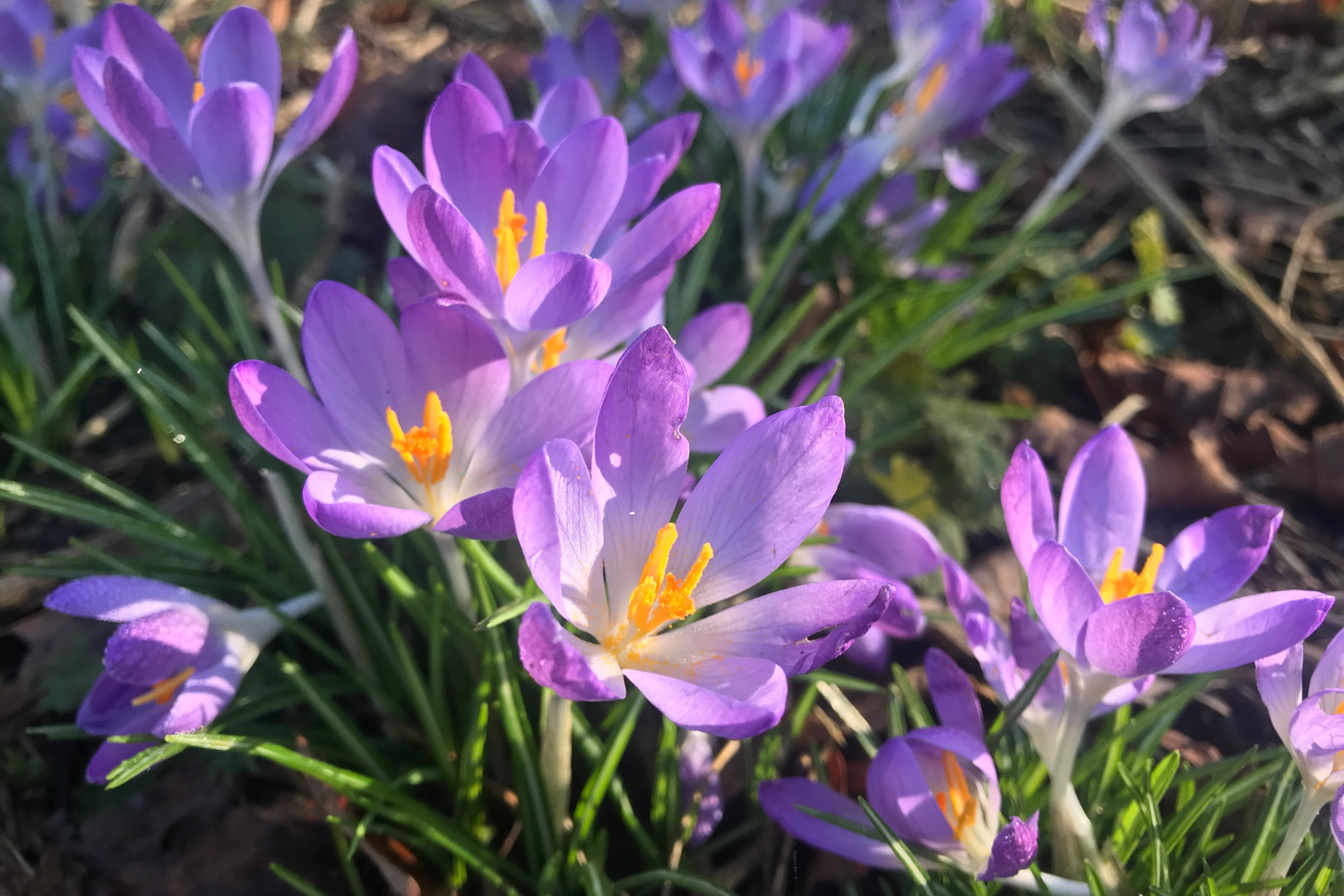
Pay careful attention to the planting instructions that accompany the bulbs. It may be tempting to skimp on the planting depth, but you may regret it. Not only will this effect the bulb's development, but enterprising squirrels might dig them up and take a few bites. Squirrel digging can be unavoidable, so make sure you check on the newly planted bulbs once in awhile. Just replant the ones that were pulled up until they're safe under a blanket of snow.
Plant in groups
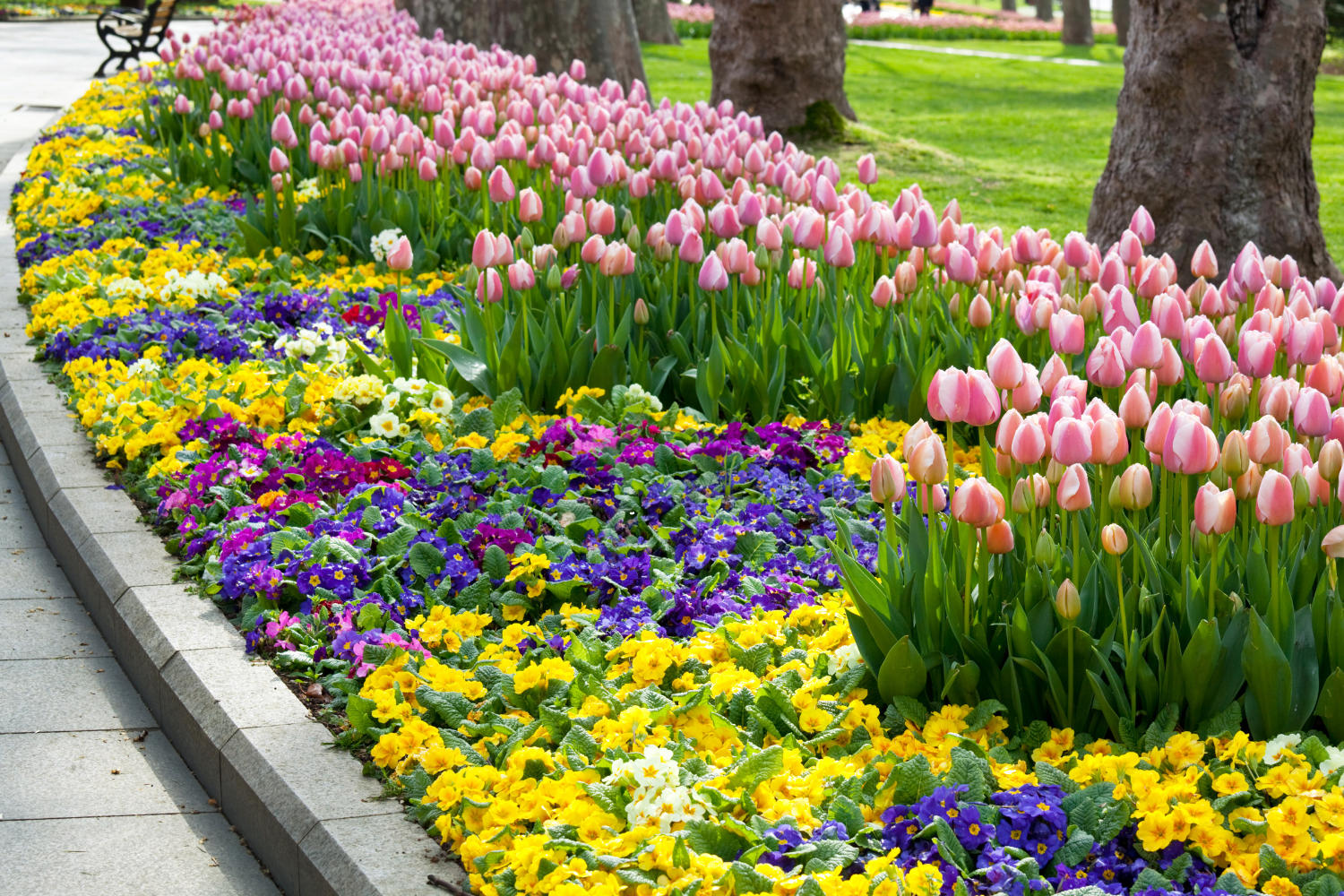
I strongly recommend considering planting similar bulbs in clusters or groups rather than individually or in a line. By doing so, you can create a more visually appealing garden display. Research some examples online, and you'll notice the enhanced impact achieved by planting bulbs this way. Even large alliums can appear more striking when planted in sets of three, adding depth and dimension to your garden. For added interest, think about incorporating a mix of colors or varieties within your mass plantings to create a vibrant and dynamic landscape.
Shop online
Avoid bulbs sold at major home improvement chains. They may be the cheap, but the low price comes at a different cost. There's no way to know how old they are or the conditions under which they were stored. There's a limited selection, and some of the varieties they sell would not survive in our climate. Consider looking at online companies instead. You'll have a broader selection of colors and varieties, and they usually have some great sales in the late summer/fall months.
Cutting back
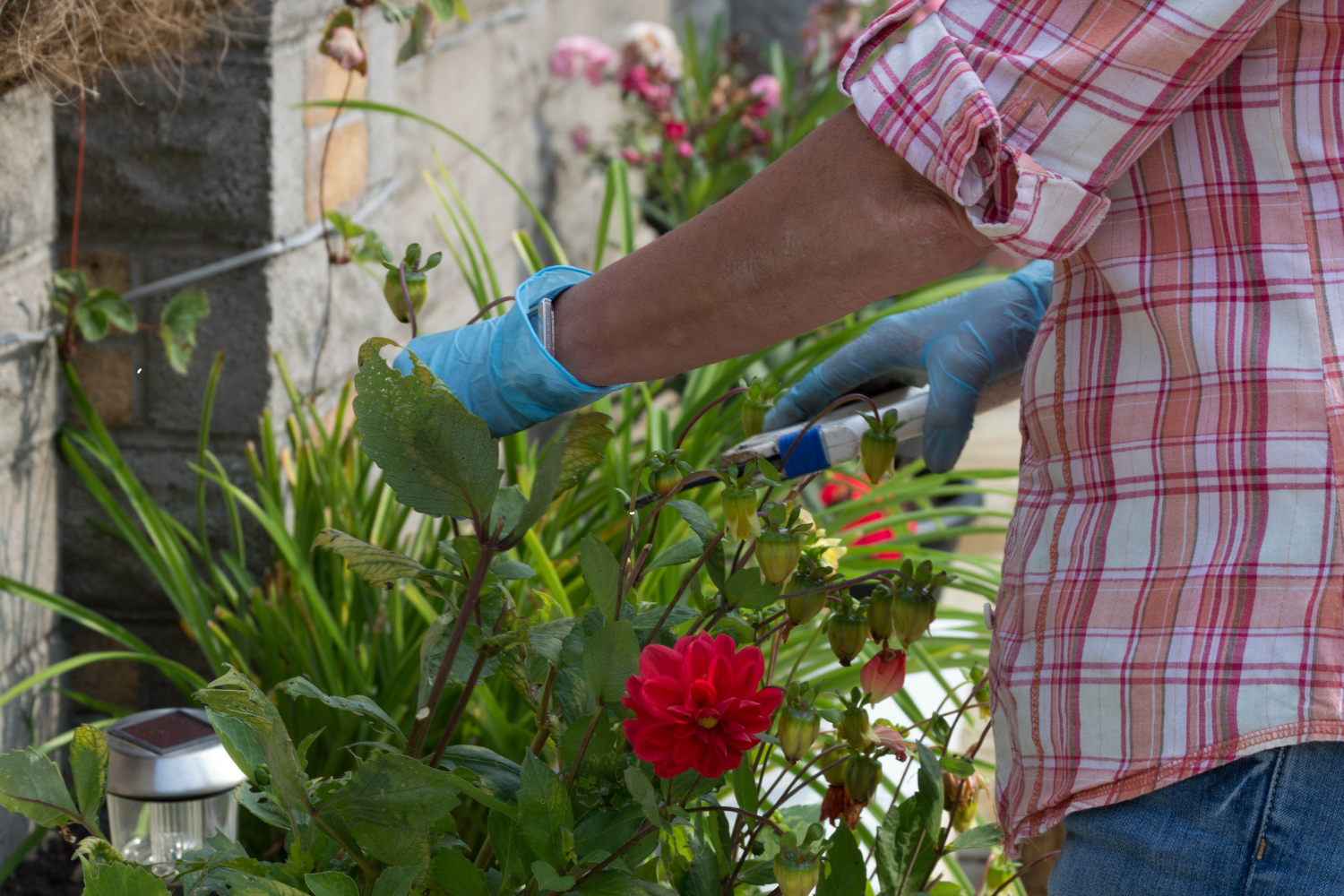
You can cut back the remaining foliage of the bulbs after the blooms are spent and the leaves start to turn brown. This will help the plant conserve energy for next year's growth. However, avoid cutting back too early as the leaves are still providing nutrients to the bulb until they completely die off.
I prefer to leave them untouched for as long as I can stand it—allowing the plant to go through it's full life cycle means healthier plants in the long run.
Conclusion
Bulbs are undoubtedly one of the easiest plants to grow in a garden. Their low maintenance requirements, simplicity of planting, and the beautiful blooms they produce make them a popular choice for both experienced and novice gardeners alike. With a little bit of effort and care, anyone can enjoy the beauty and rewards that bulbs bring to a garden, making them a fantastic addition to any outdoor space.