
Designing a Pollinator Garden
Declining bee and butterfly populations have been in the news a lot lately. Factors such as climate change, loss of habitat, and pesticide use have contributed to these shrinking numbers.
"Who cares?" you think to yourself, "Bees sting. I hate them."
According to Cornell up to 90% of flowering plants and 1,200 agricultural crops rely entirely on pollinators. So if you like food or flowers, you have a horse in this race.
The good news? We can provide food and shelter for our winged friends by incorporating pollinator-friendly plants into our landscaping.
If you have an interest in this topic I strongly recommend you read Doug Tallamay's Bringing Nature Home. Or anything by Doug Tallamay for that matter. He offers practical, easy-to-follow advice on changes you can make to encourage biodiversity in your yard. My kind of guy!
Getting started with a pollinator garden
I recommend following these General Guidelines provided by the Cornell Cooperative Extension. In a nutshell: be sure to pick an area that gets 6+ hours of sun, plant in groups of two or three, and try to select native varieties.
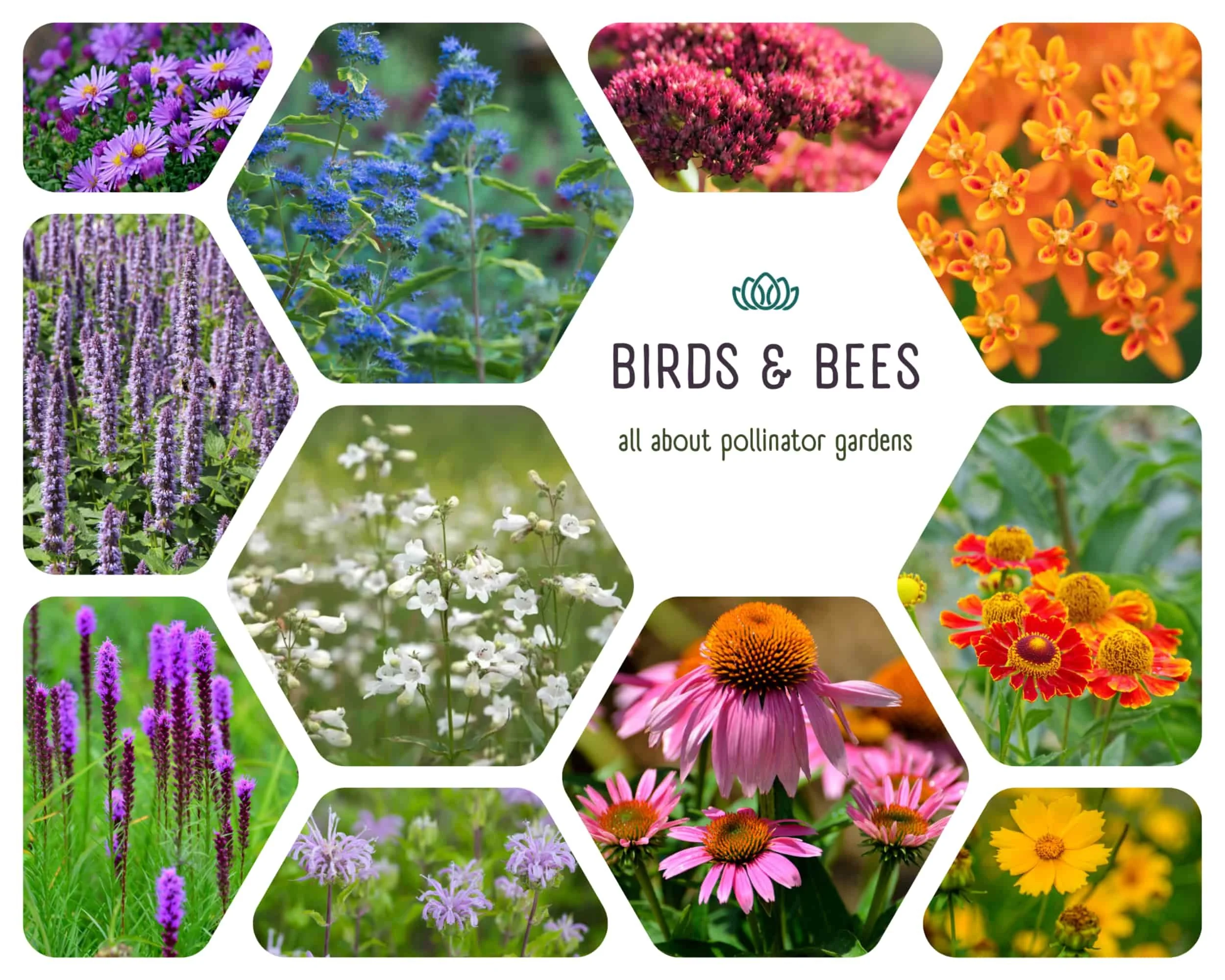
Plants for a pollinator garden
These are plants I frequently use in designs. They are easy to find at local nurseries, and the enterprising individual could start many of these from seed.
-
wild bergamot (bee balm)
penstemon digitalis
agastache
liatris
butterfly weed
swamp milkweed
Joe Pye weed
rudbeckia
echinacea
phlox
coreopsis
potentilla
salvia (perennial varieties)
aster
poppy
lupine
delphinium
-
cornflower
cosmos
dill
borage
sweet alyssum
zinnia
snapdragon
marigold
salvia (annual varieties)
-
bluestem (big and little)
switch grass
-
ajuga
creeping phlox
vinca minor (periwinkle)
creeping thyme
-
azalea
rhododendron
rose
American holly
buttonbush
blue mist shrub
spirea
Rose of Sharon
Note: While butterfly bush does attract a lot of butterflies (duh), I do not recommend using as it's considered an invasive species.
-
white oak (check out another phenomenal book by Doug Tallamay, The Nature of Oaks)
dogwood
serviceberry
"But I don't recognize those plant names and I'm far too busy to learn how to take care of them."
More good news! Many pollinator-friendly plants are native to our area and well-adapted to our climate. This means they require less water, less fertilizer, and are less likely to take over your beds. In most cases you can "plant and forget".
"Ok fine, do all of these need to be planted together to work?"
Nope. You can intersperse plants from this list throughout your existing beds. Just keep in mind the mature size and light requirements of the plant when choosing a spot.
"Remember how busy I am? Could you go ahead and do a few hypothetical layouts so I don't have to figure it out on my own?"
That's why I'm here.
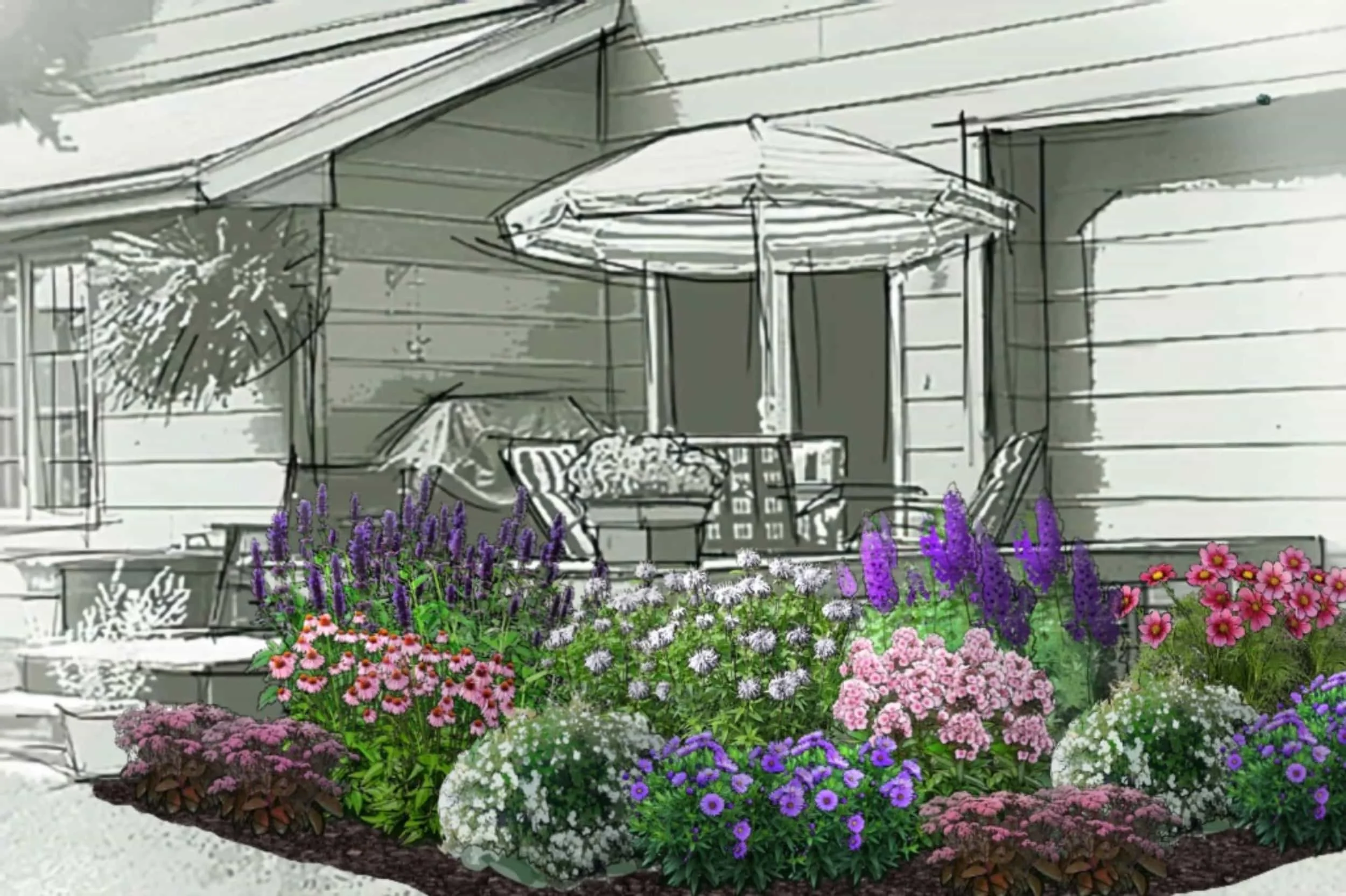
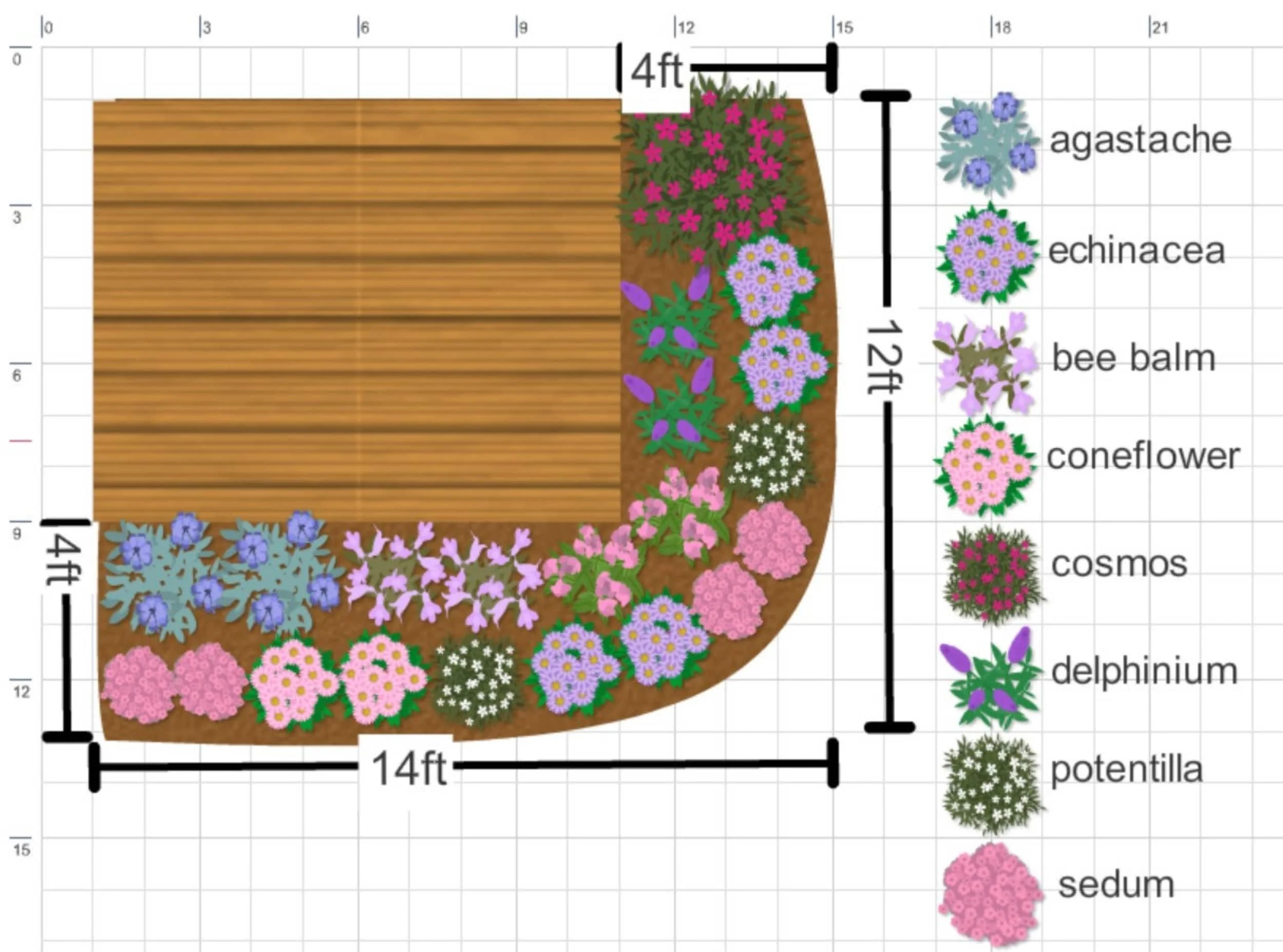
Patio or deck bed pollinator garden layout
-
Plants: bee balm, delphinium, sedum, potentilla, New England aster, agastache, cosmos, and phlox
Light: full to part sun
Garden style: cottage
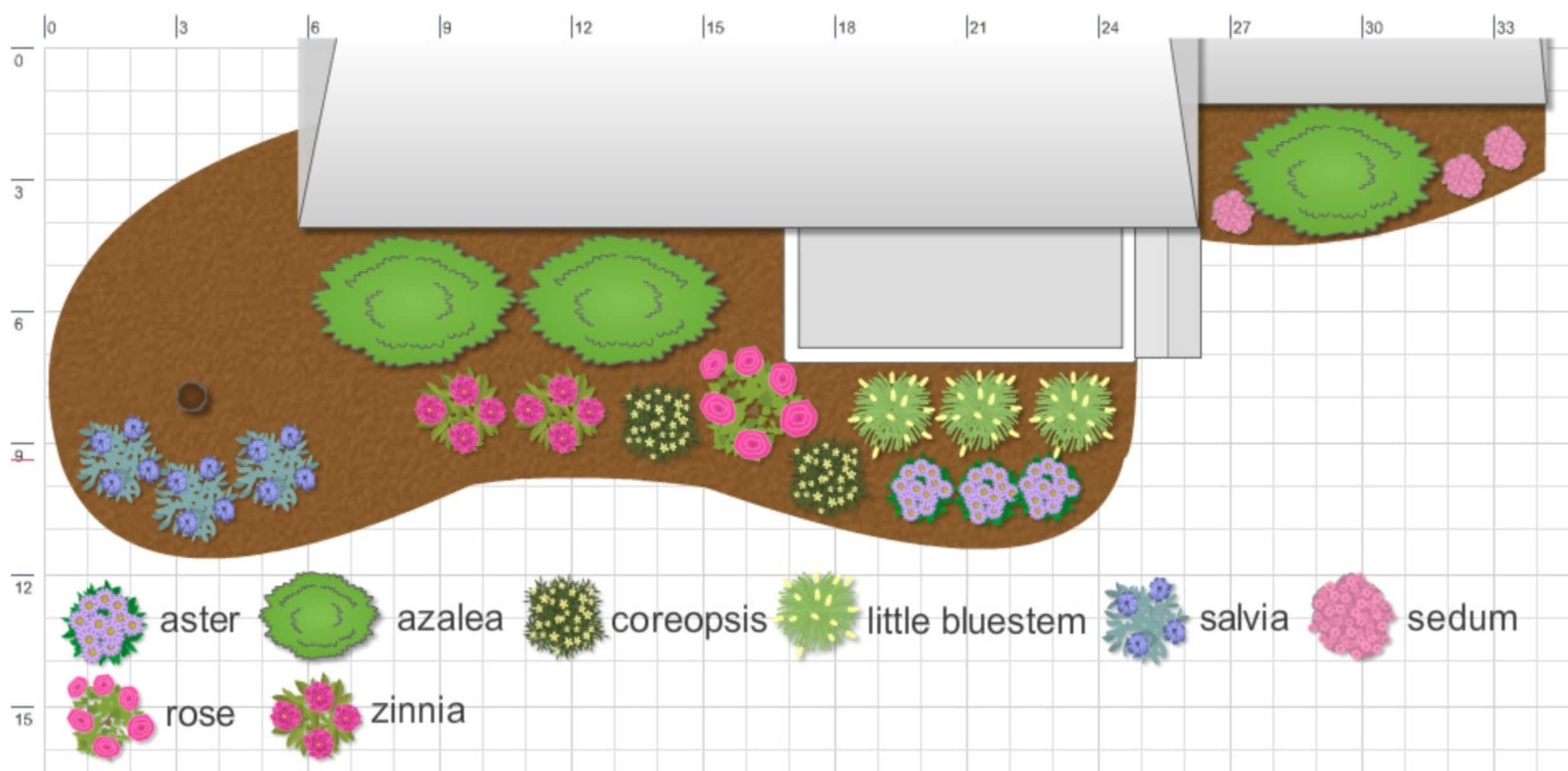
Front beds pollinator garden layout

-
Plants: azalea, coreopsis, aster, little bluestem, salvia, sedum, rose, zinnia
Light: full to part sun
Garden style: Traditional/residential
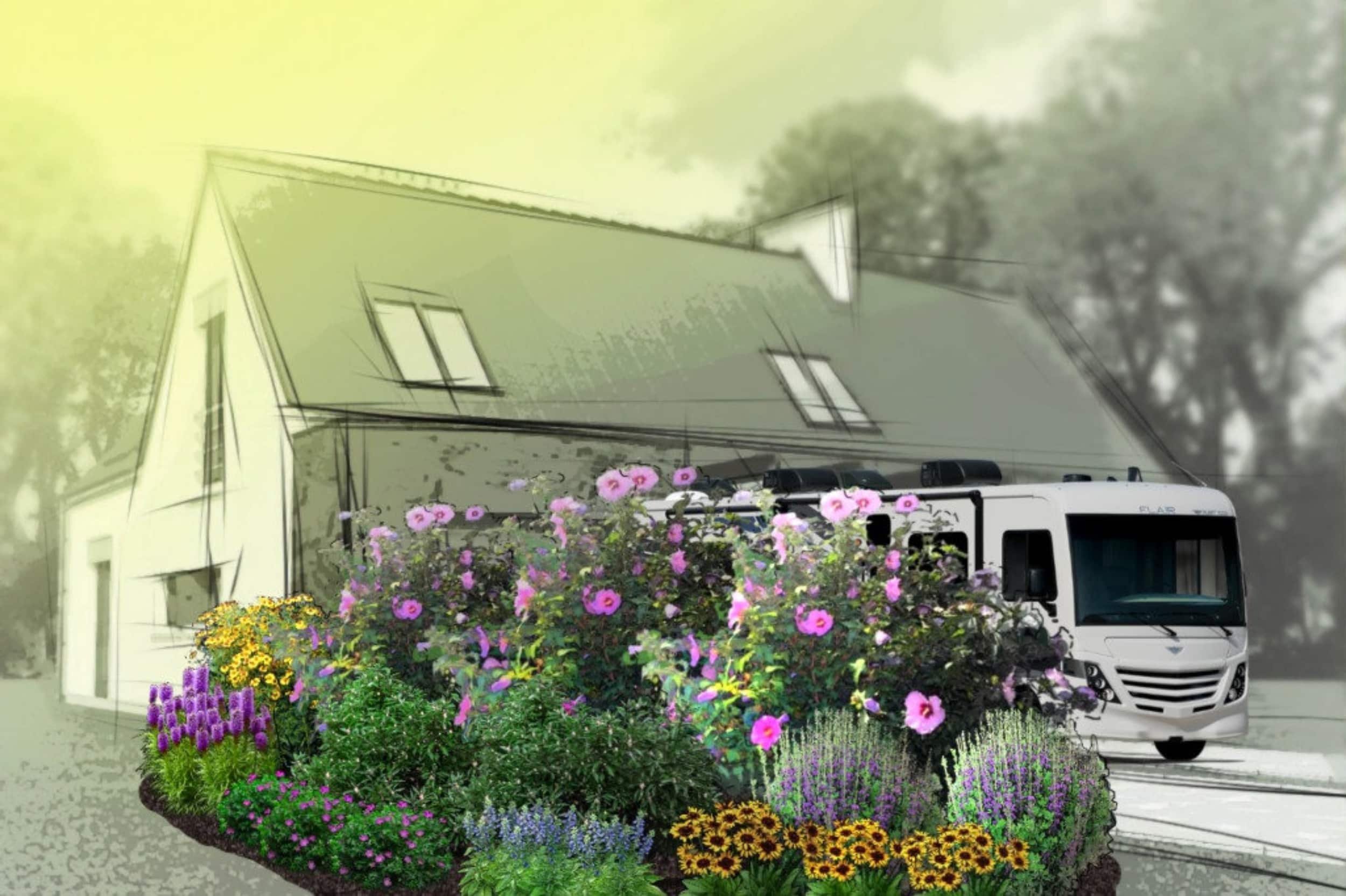
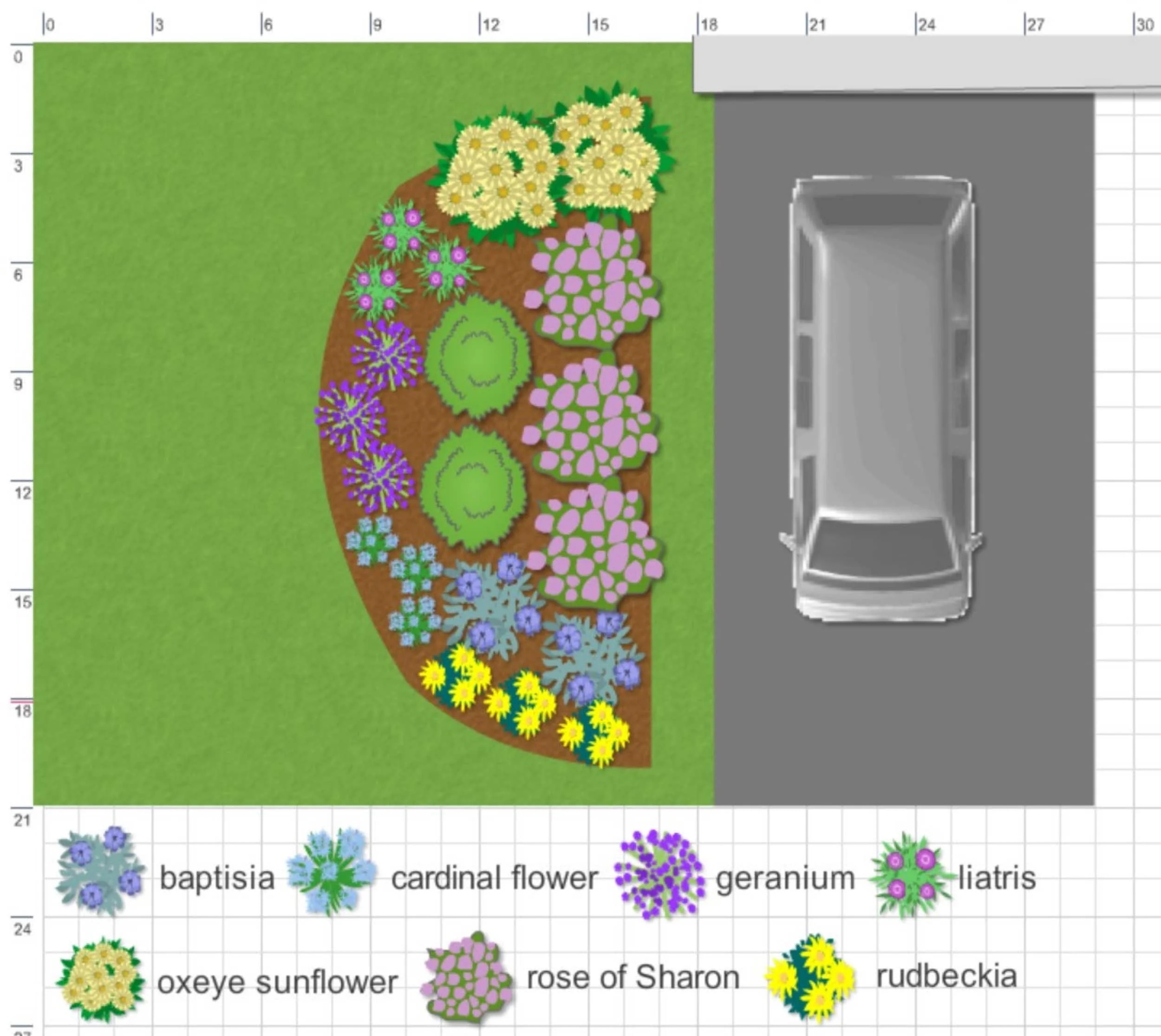
"My Neighbor Just Got an RV and I Can't Stand Looking At It" pollinator garden plan
(Option 1)
-
Plants: rose of Sharon, baptisia, liatris, rudbeckia, cardinal flower, winterberry holly, hardy geranium, oxeye sunflower
Light: full to part sun
Garden style: cottage
(Option 2)
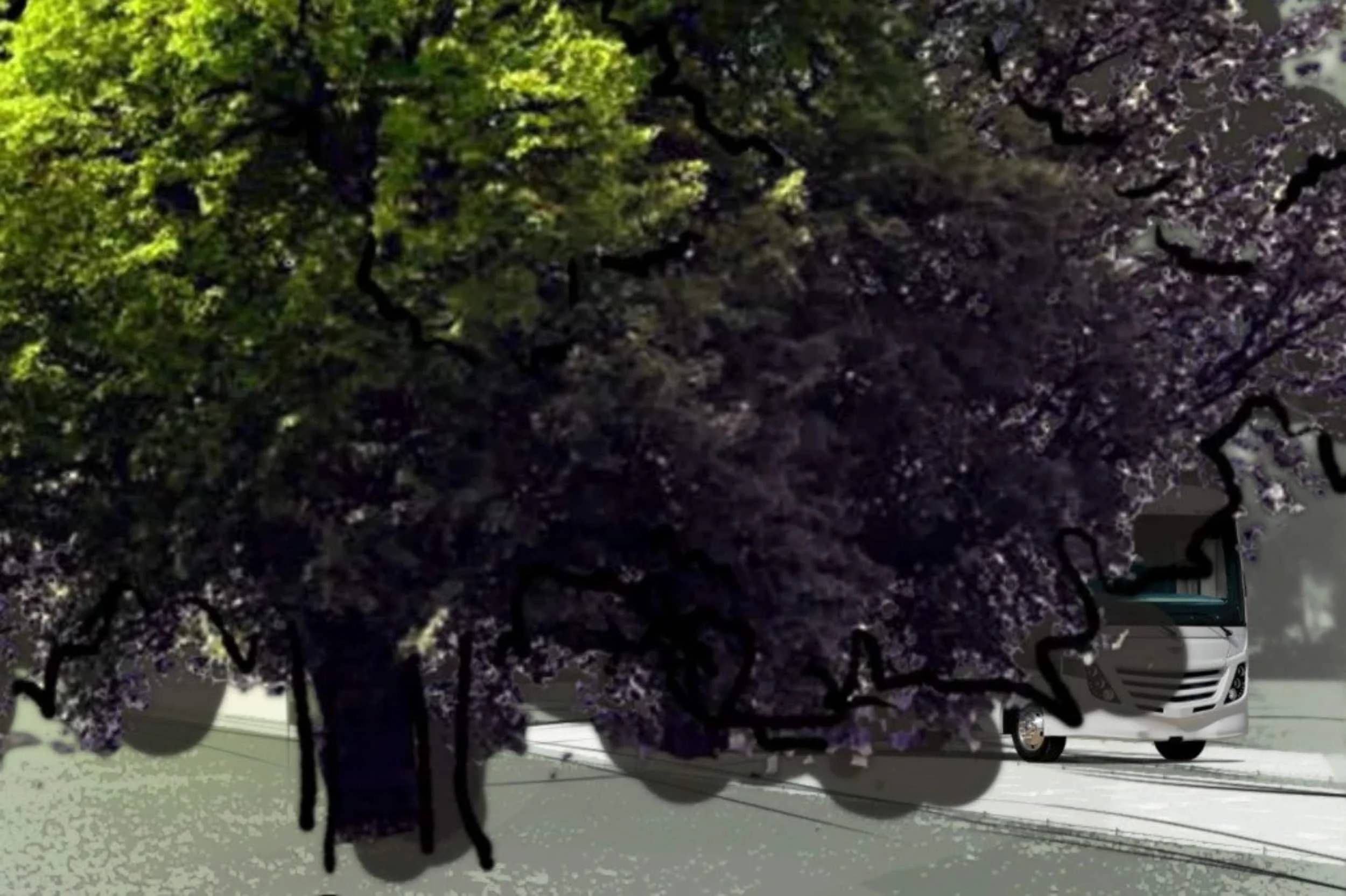
-
Plants: white oak
Light: full to part sun
Garden style: obstructive
Conclusion
Creating a pollinator garden enhances outdoor beauty and supports ecosystems by attracting bees, butterflies, and birds for pollination. This promotes biodiversity, aids plant reproduction, and boosts environmental sustainability by reducing chemical use. These gardens offer a serene retreat to observe nature's wonders, making them a rewarding and joyful endeavor for both gardeners and the environment.