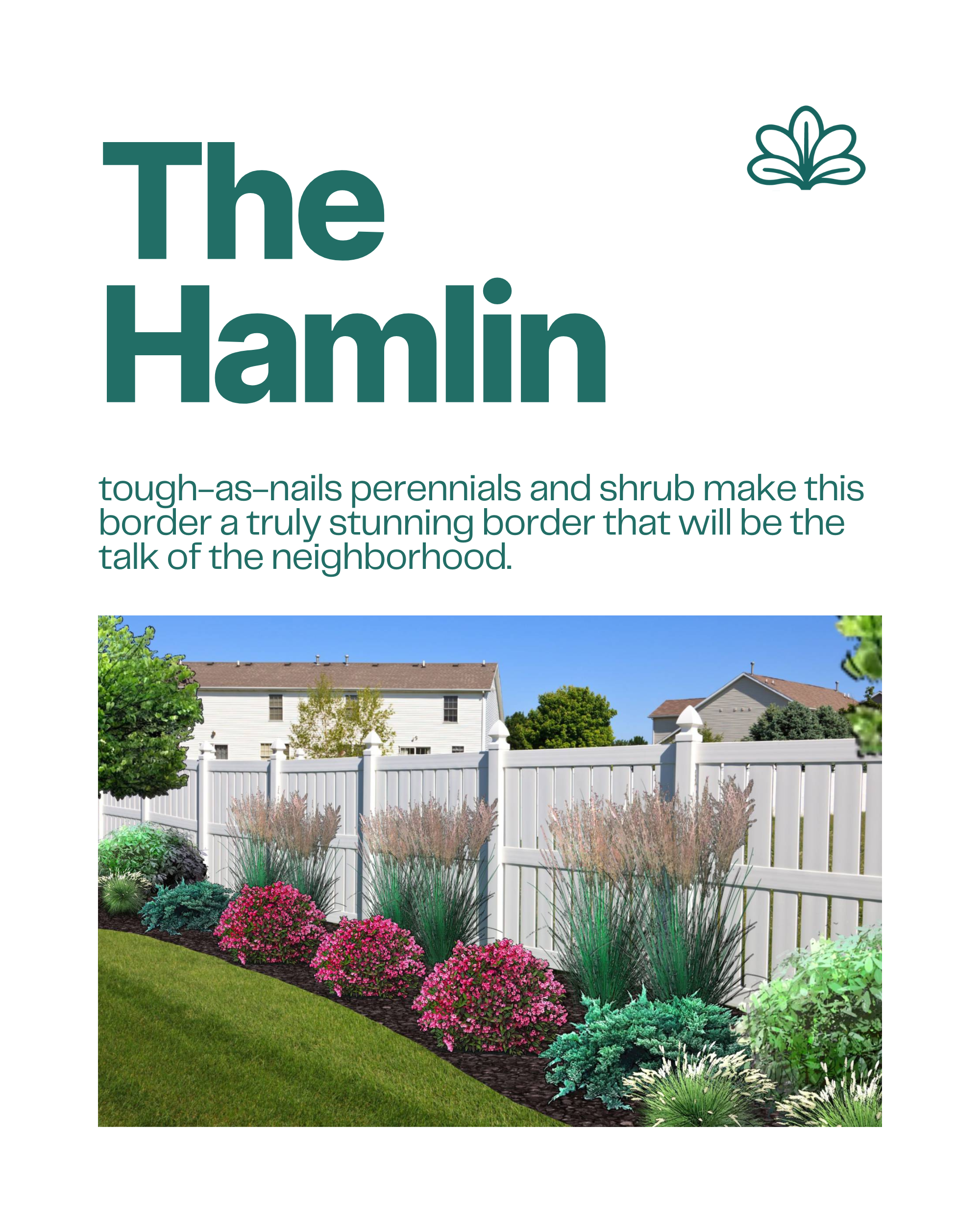

Fall Garden Prep
Autumn is as crucial as spring for tending to your garden. With the leaves transforming and temperatures cooling, it's the perfect opportunity to ready your garden for winter. By taking some simple steps during fall, you can guarantee your garden will remain beautiful for future seasons.
Leave the Leaves
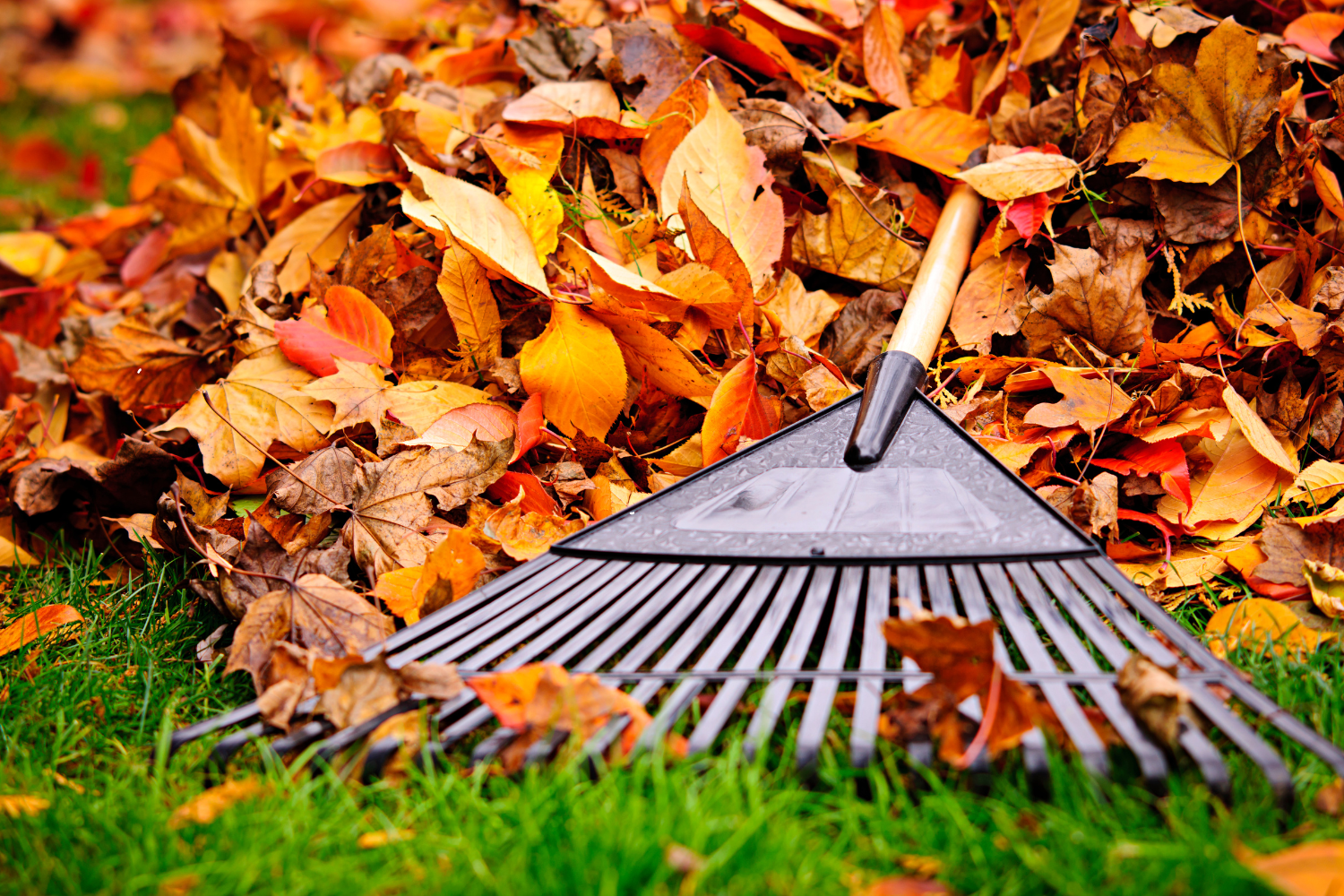
Instead of raking up your leaves and hauling them to the curb, use them to create a wonderful mulch for overwintering your beds. Put the bag on your mower, raise the blade to the highest setting, and go over your lawn just as if you were mowing. Once the bag is full spread chopped leaves over your garden beds, making sure to cover the tender perennials and the base of newly planted trees and shrubs. This will help protect the roots from exposure to freezing temperatures. Once your beds are covered, take the bag off the mower and chop the rest in place in the yard. No need to rake them up the following spring, the leaves will eventually decompose and improve the health of the soil!
Shopping Spree!
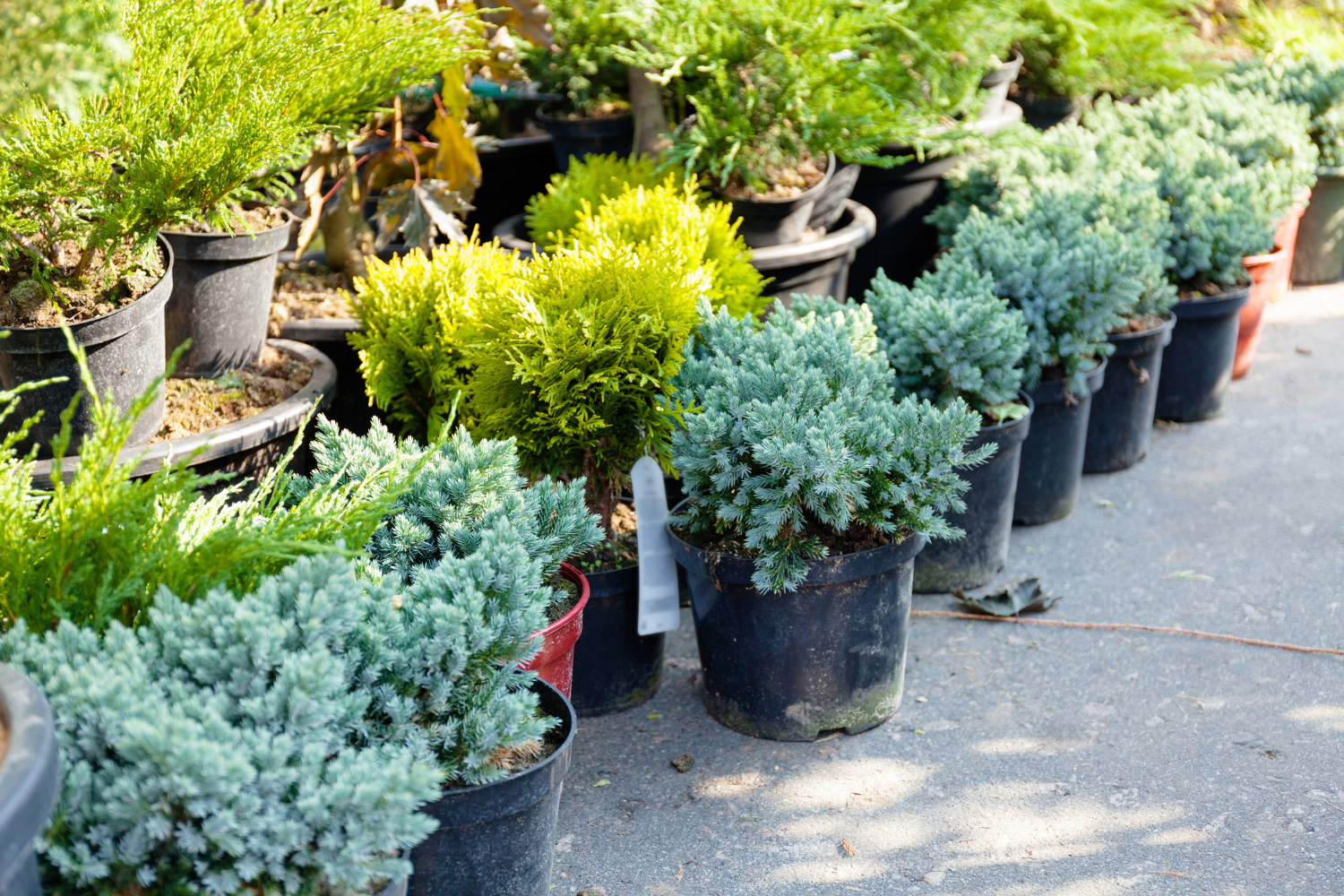
Nurseries and major home improvement stores have excellent sales on plants in the fall. My local nursery sells their perennials 40% off, so I wait until fall to fill in bare spots in my garden. Roses, fruit-bearing shrubs, and lilacs are especially good buys this time of year. Start poking your head in around the end of August. Ask the staff if there is anything they're trying to get rid of—some might be willing to negotiate.
Get Planting
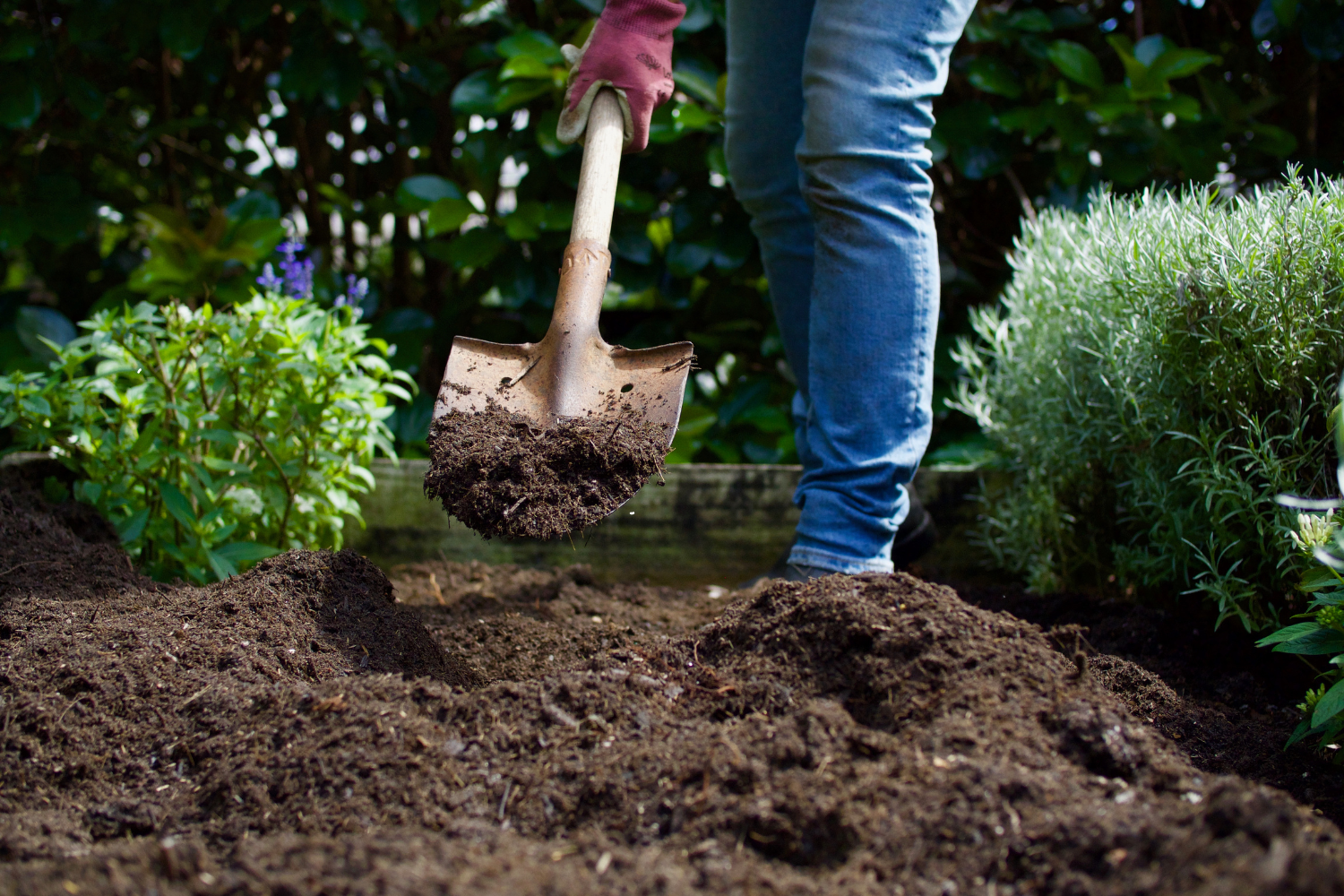
Fall is an excellent time to establish plants before winter sets in. Larger shrubs and trees would benefit from the increased precipitation our region gets this time of year. Plant in September or October to give the roots some time to get established before freezing temperatures set in.
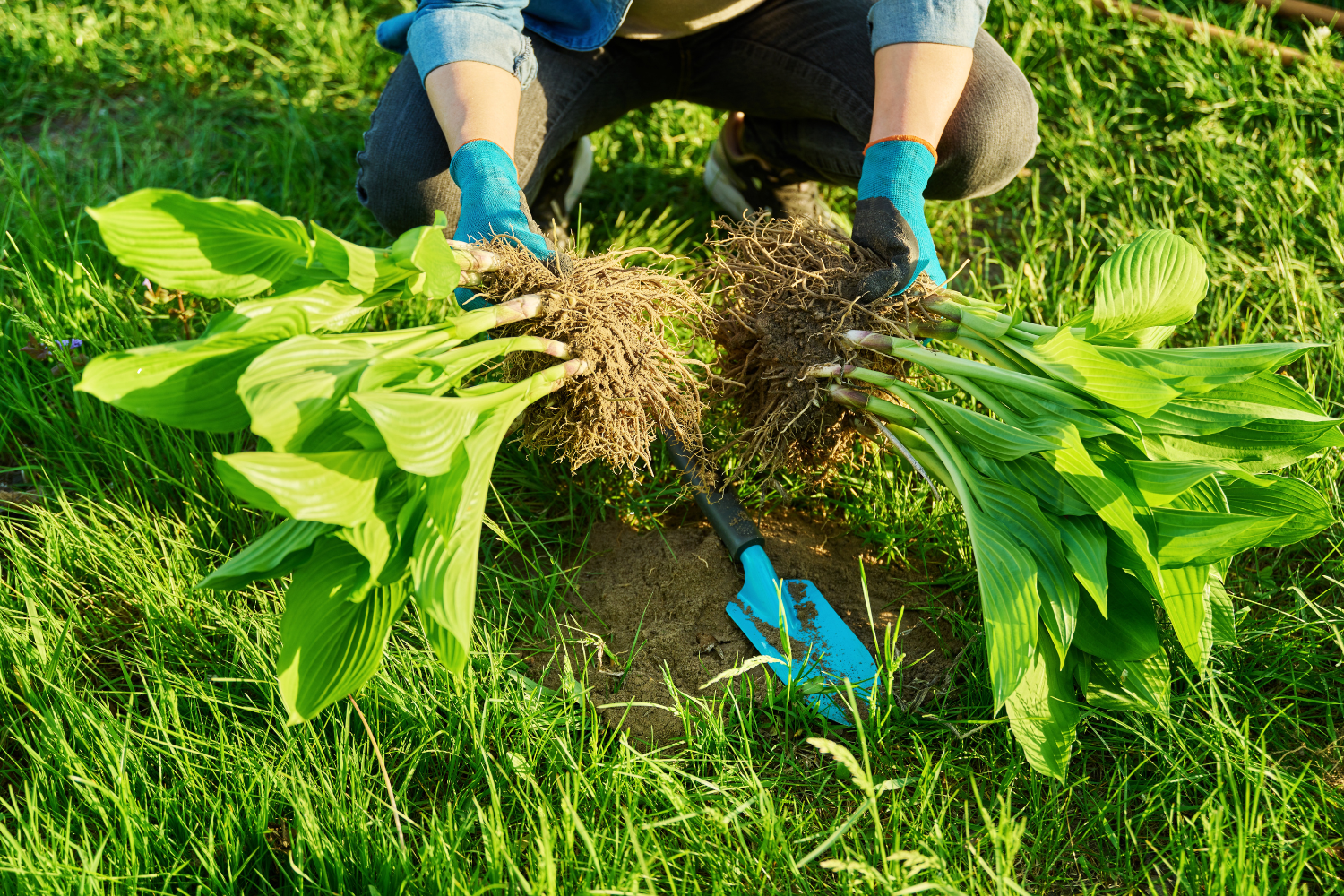
Moving, Pruning, and Dividing
Be sure to check your tags for specific pruning instructions, but generally speaking fall is a good time to make some changes. The cooler temperatures plus a steady amount of precipitation during the season means the plants are less susceptible to environmental stress. Like establishing new plants, this also means more time for root establishment.
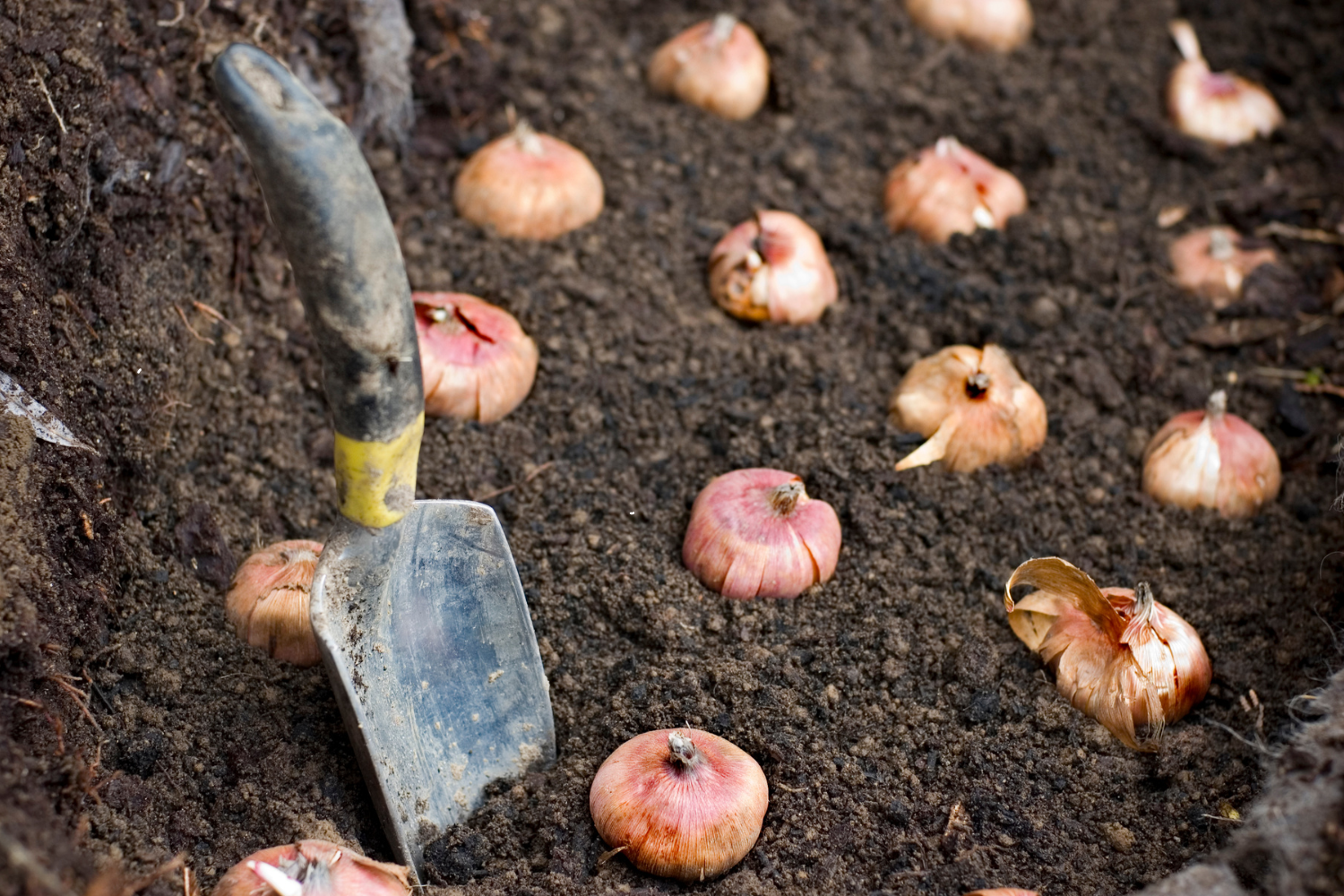
Bulbs
If you want to add bulbs to your garden make sure to get them in the ground during the fall. I recommend looking online starting in August—they might be more expensive than those you'd find at major home improvement chains but they are in much better shape! Plus you'll see a ton of sales. After I put them in the ground, I like to go out and check on them once in a while—curious squirrels might dig a few up before moving on. Just replant and keep checking until the snow arrives.
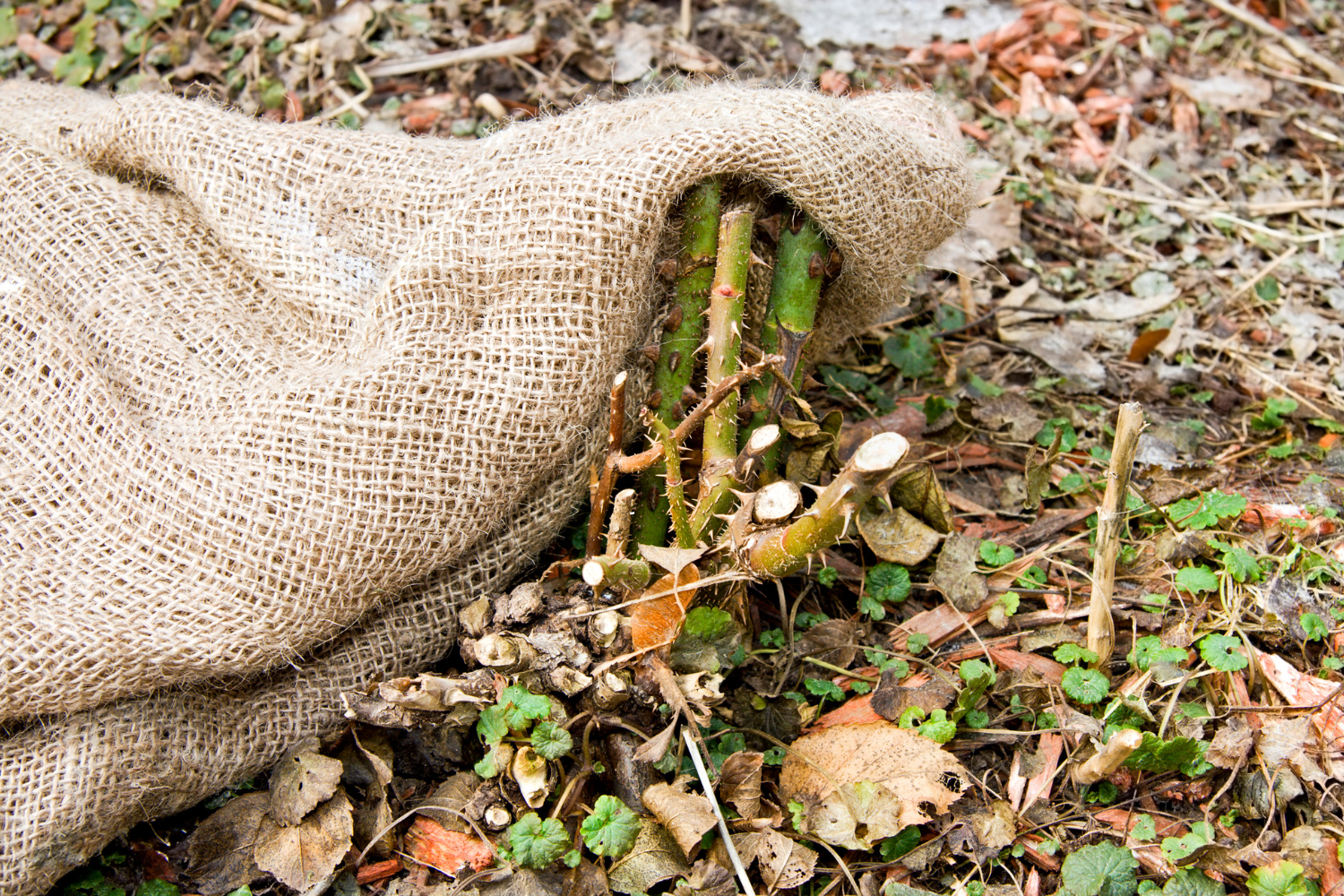
Wrapping bushes
Winter months bring some serious snow and freezing temperatures in our area. Shrubs like azaleas, roses, and arborvitae benefit from a little protection. Not only does wrapping serve as wind break, but it keeps hungry deer from nibbling your plants in the dead of winter. If you're not sure what to do there are tons of tutorials online on how to wrap. Some companies sell pre-fabricated plant coverings for winter (I call them bush tents), but they can be pricey. I prefer the old fashioned method of wood stakes and burlap; it's effective and cheap!
Conclusion
Enjoy the process of tidying up the garden. Make the most of those remaining warm days and leisurely tend to it - the extra effort pays off! Later, as you gaze out at a January snowstorm, find comfort in knowing your plants are safe and sound.