
4 Rules for New Homeowners
Landscaping is one of the last things homeowners worry about when moving in, and I'm here to tell you that's a good thing. While it may be tempting to roll up your sleeves and start ripping stuff up, I suggest you wait. You can learn a lot by sitting and observing (and you might save yourself some money in the process!)

Step away from the hedge trimmers.
Hey, I get it. The previous owners neglected the yard, and now, after unpacking your belongings, you gaze out disheartened at the unruly chaos.In the moment it might seem easier to get rid of it all and start from scratch. But beyond mowing and raking, be conservative on what you dig up. When it comes to landscaping, "starting fresh" means spending more money, so instead of cutting everything to the ground I suggest you...
Appreciate what you have.
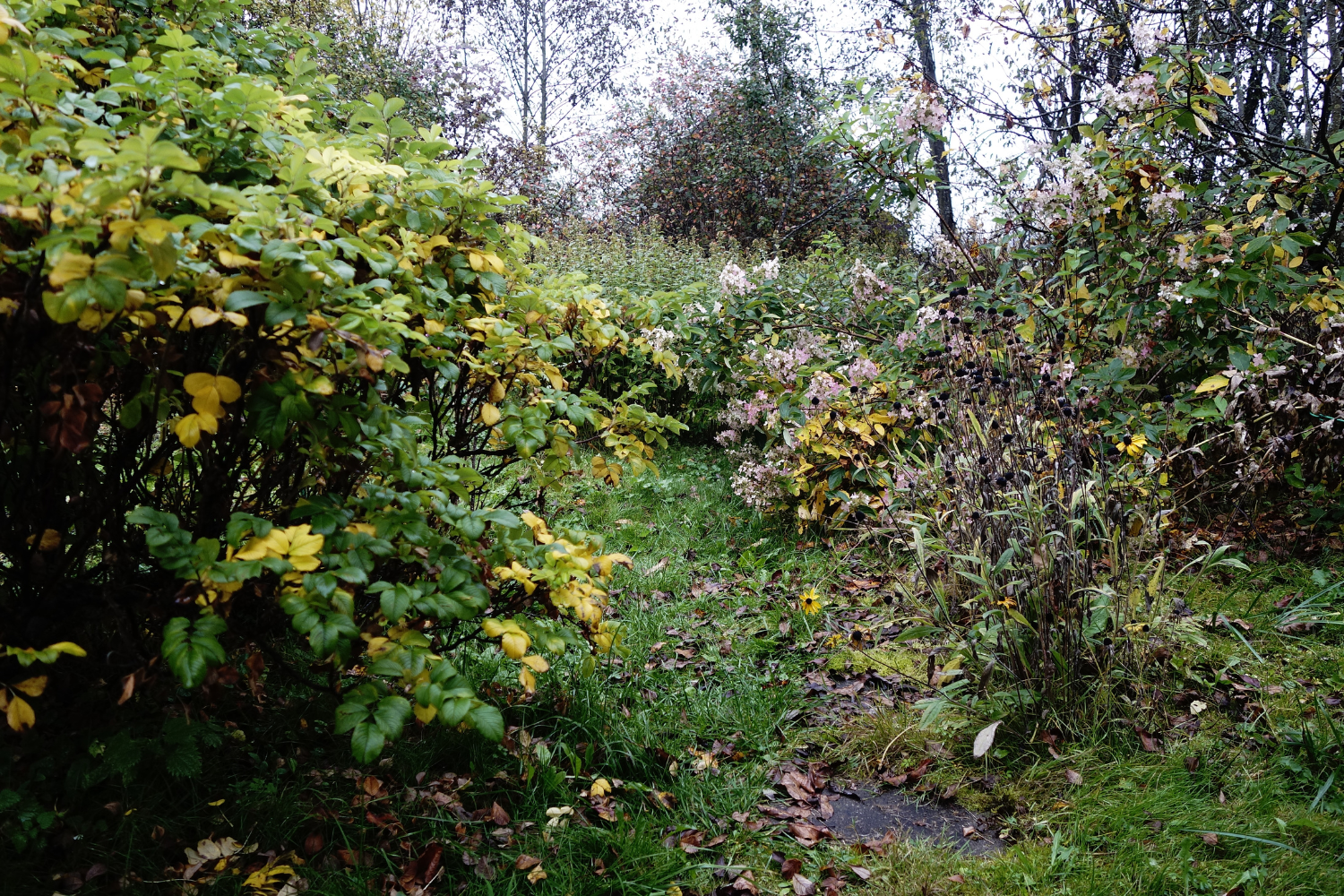
If you moved into a home with established landscaping, chances are those plants originated in a nursery. The fact that they are still alive means they can thrive in your growing conditions. Sit for a couple months (from spring to late fall if you can manage it) and watch what grows. Take notes on what flowers and when... and try to be patient. That bush looked dead in April when everything else was blooming may leaf out to reveal a beautiful rose of Sharon in early June.
Also pay attention to the sunlight. What parts of your front yard get sun? Is your backyard shaded in the morning or in the afternoon? The same goes for rain: are there any areas that stay soggy long after the rain stops? Any areas that are mostly dry after a shower? This information will help you make educated decisions when purchasing plants down the line.
(If you need help determining what kind of plants you have, and how to maintain them check out our consultation packages.)
Move 'em if you got 'em.
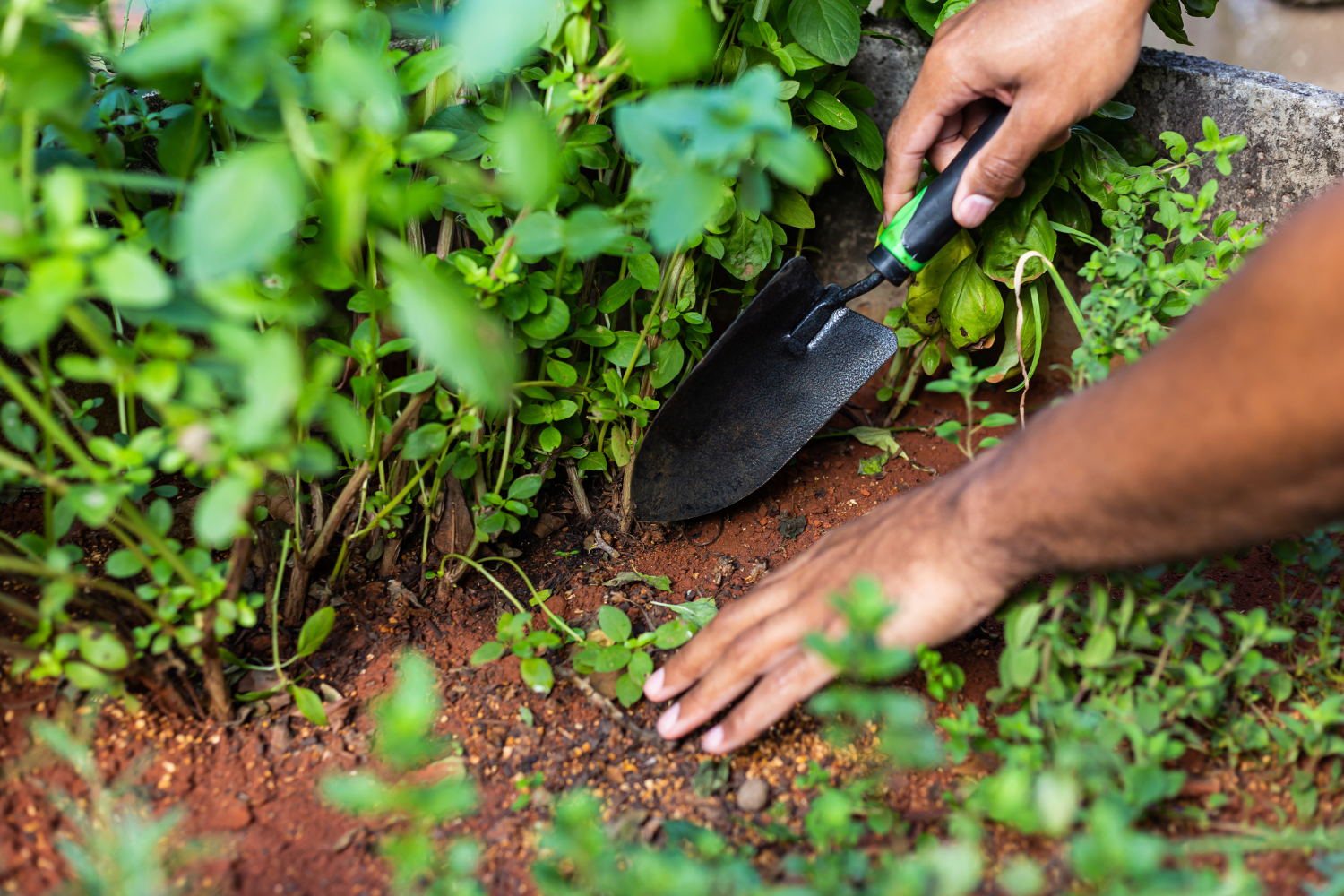
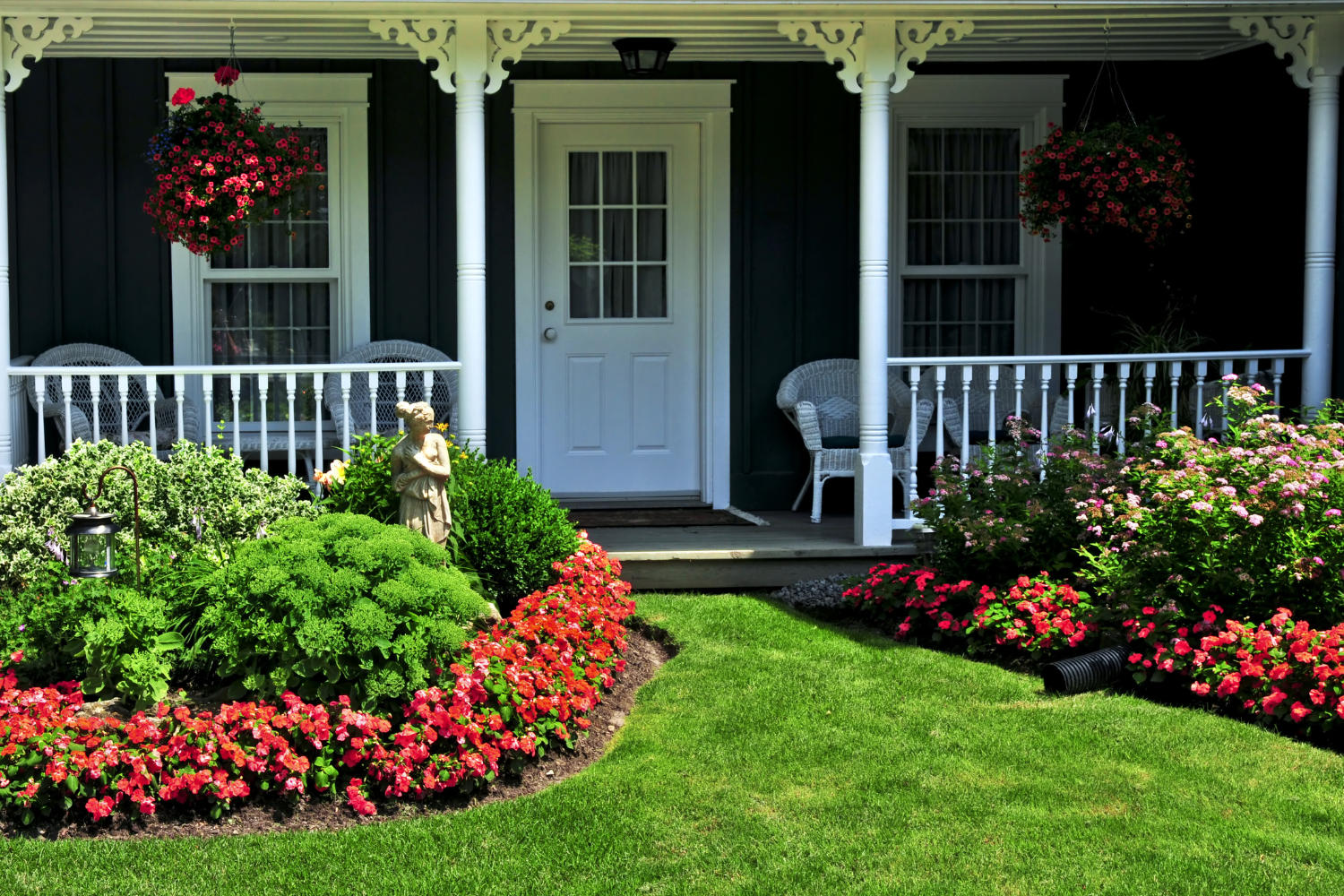
Before running out to the nursery, use what you observed and relocate the plants to better locations. Low and medium-growing perennials like hostas, lilies, and irises can easily be divided and moved to new homes. It will take a year for them to beef up (aka look the same as their $15 counterparts at the nursery), but if you're willing to wait it's a great way to save money. I did this when we moved into our house. My front beds are comprised entirely of plants I relocated from other parts of our property (see pictures below). Small shrubs can be relocated as long as they're under three feet in height. Anything taller will have a fairly deep root system that will be difficult to move without causing damage.
Keep up with the Joneses.
Or at least check out what's growing in their gardens. Take note of what kind of plants they have growing—if you aren't an avid gardener, other people's yards can serve as a cheat sheet for what "works" in your area. If you love their setup, walk over there and let them know! It's nice to be nice, and they will probably give you some pointers on what they've had success with.
Another important question to ask is whether or not they've had deer damage. If they say yes, you just saved yourself a lot of money and heartache. If they say no, congratulations! Plant whatever you want. If there answer is "sometimes" or "only in our backyard", stick to deer resistant plants anyways. Better safe than sorry!
My before and after:
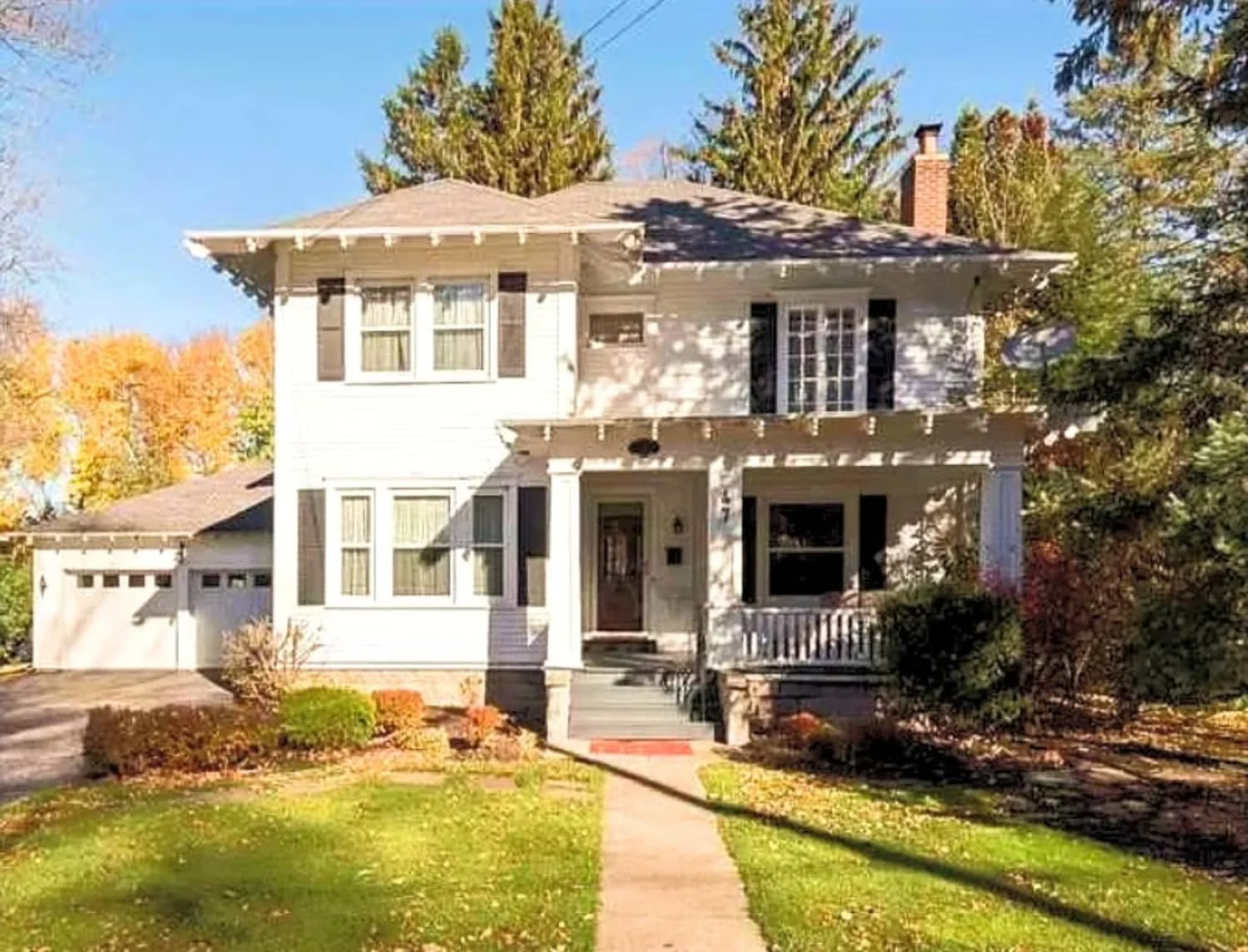
Before
Not a great picture, but it's the only one I have (I wish I had taken more!). Some landscaping, but poor placement. The prior owner had it professionally landscaped but things died over the years, leaving holes.
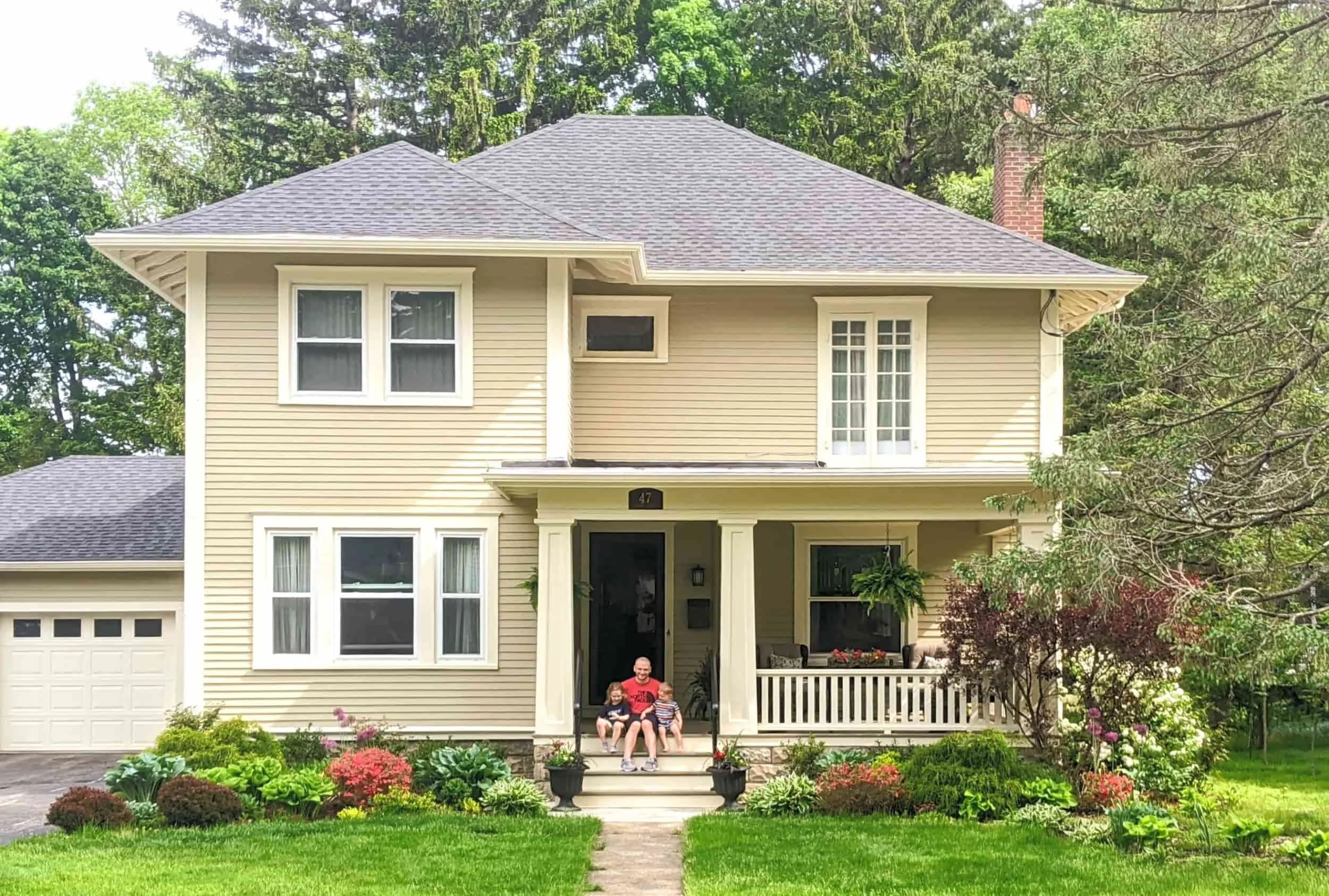
After
A simple rearrangement of what was already there for a better layout. I also plugged some holes with hostas I found growing out back.
Conclusion
It’s crucial to exercise patience and wait to see what your new property offers in terms of landscaping before making any major changes. By taking the time to observe the natural layout and features of your outdoor space, you can make more informed decisions about how to enhance and customize it to suit your preferences. Remember, thoughtful planning and gradual adjustments can lead to a more harmonious and sustainable landscape that you can truly enjoy for years to come.