
The Benefits of Native Plants
In recent years, there has been a growing movement to incorporate native plants into landscaping practices. And for good reason! These plants offer countless benefits not only to our gardens, but also to the environment as a whole.
What is a Native Plant?
A native plant is a species that has evolved and adapted to its specific local environment over thousands of years. These plants are naturally occurring in a particular region, and have developed unique characteristics to thrive in their surroundings. They are also referred to as indigenous or endemic plants.
When making plant selections, it's crucial to consider the level of nativity you prefer. Do you aim for plants native to North America, the northeast US, New York, or perhaps even to Erie County? It's important to note that while certain plants are native to specific regions in the country, they might be deemed invasive in other areas due to variations in ecosystems and climates. This distinction is vital for maintaining a balanced and sustainable environment.
The Benefits of Natives
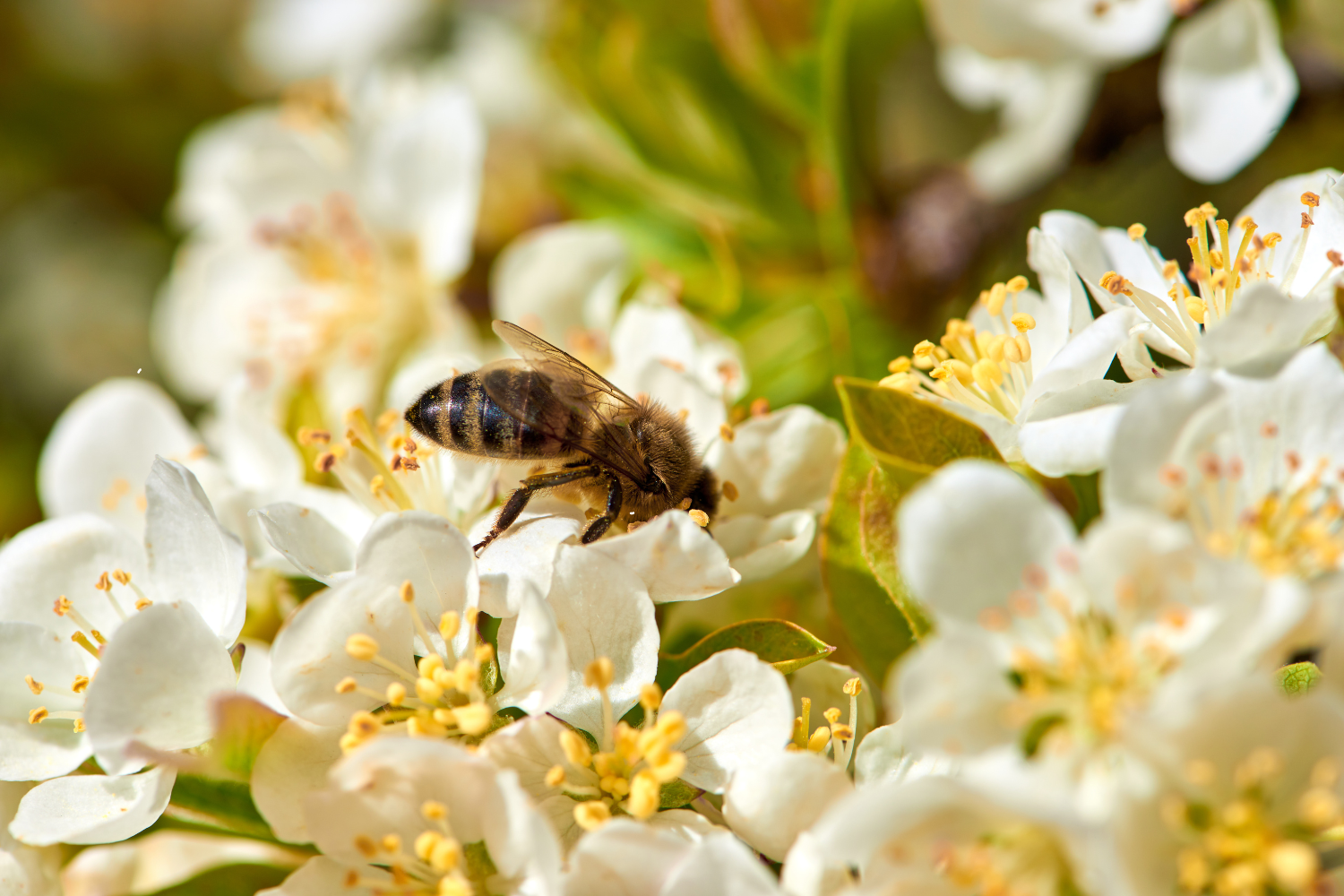
One of the main advantages of using native species is their ability to provide essential resources for local wildlife. As these plants have evolved alongside insects, birds, and other animals in their specific region, they offer shelter, pollen, and seeds that serve as vital food sources for these creatures. This can play a crucial role in supporting and maintaining local ecosystems.
But that's not all – native plants are also incredibly low maintenance. Unlike non-native species that may require extra attention and care, natives are adapted to the conditions of their natural habitat and can thrive without much intervention. This means less time, effort, and resources spent on maintaining your garden.
Furthermore, native plants have deep root systems that help to improve soil quality and prevent erosion. They also require less water compared to non-native species, which is especially beneficial in dry or drought-prone regions.
In addition to their practical benefits, native plants also add a unique aesthetic appeal to any garden. With their diverse textures, colors, and scents, they can create a beautiful and natural landscape that reflects the local environment.
“Does my garden have to be exclusively native to help wildlife?”
No. Incorporating even a few native plants can make a significant impact on local wildlife populations. Plus, by including both native and non-native plants, you can create a diverse and balanced ecosystem that supports a wider range of species.
How to Incorporate Natives into your Landscape
There are many ways to incorporate native plants into your landscape, whether you have a small balcony or a large backyard. Here are a few ideas to get you started:
Start with small changes: You don't have to completely overhaul your garden all at once. Begin by adding just a few native plants and see how they thrive in your environment.
Choose plants that suit your space: Native plants come in all shapes and sizes, so choose ones that fit the scale of your garden. For example, if you have a smaller space, opt for low-growing species like wildflowers or groundcovers.
Consider the sun, soil, and water needs: Just like any other plant, native species have specific requirements for sunlight, soil type, and water. Be sure to choose plants that are suited for the conditions in your garden.
Mix it up: Don't limit yourself to just one type of native plant. Mixing different species can create a more dynamic and visually appealing landscape.
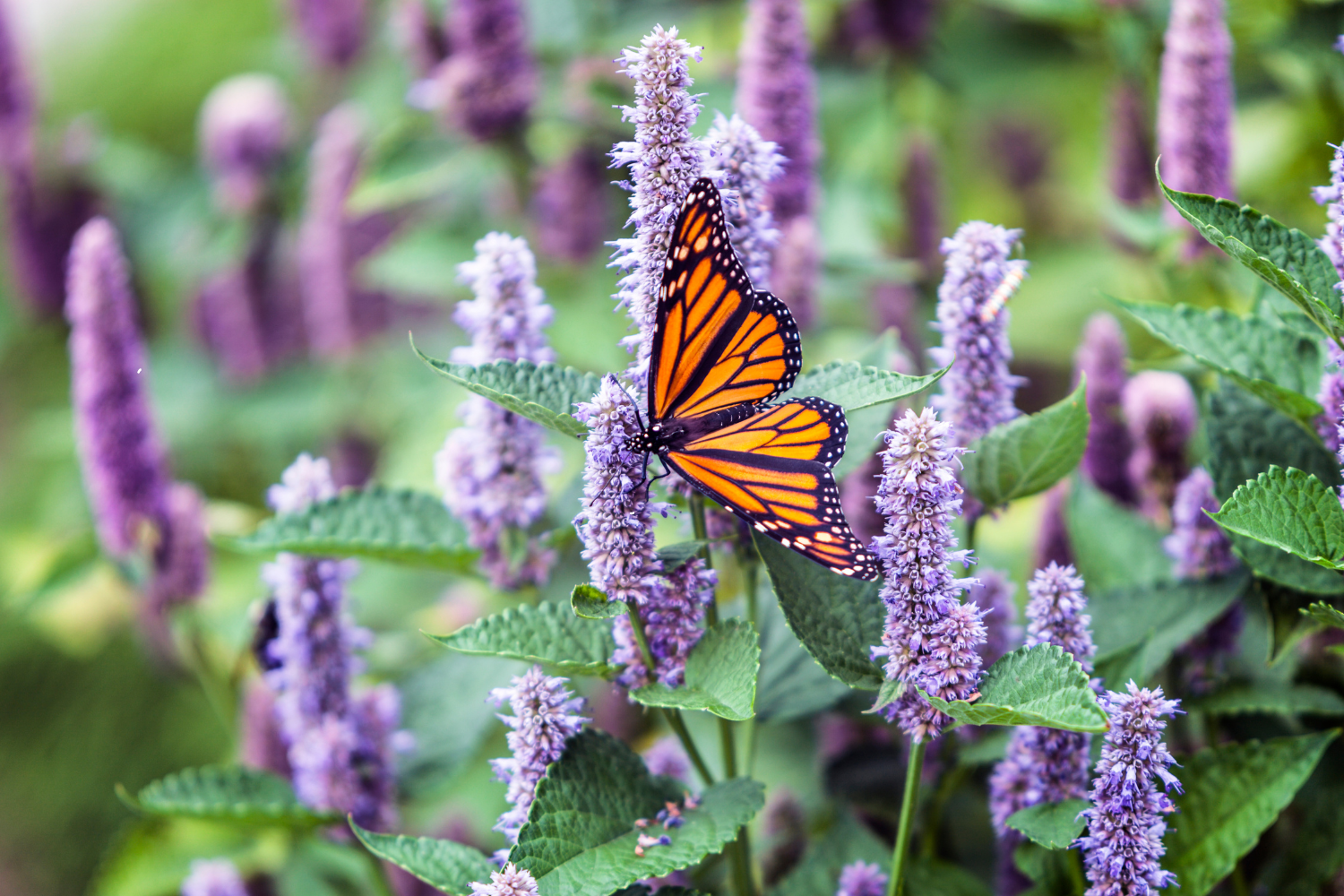
Create a pollinator-friendly garden: Many native plants are excellent sources of food and shelter for pollinators like bees and butterflies. By incorporating these plants into your garden, you can help support their populations.
Use native plants as accents: You don't have to use only native plants in your landscape. Instead, you can incorporate them as accent pieces alongside other non-native plants.
A Note on Non-Natives & Cultivars
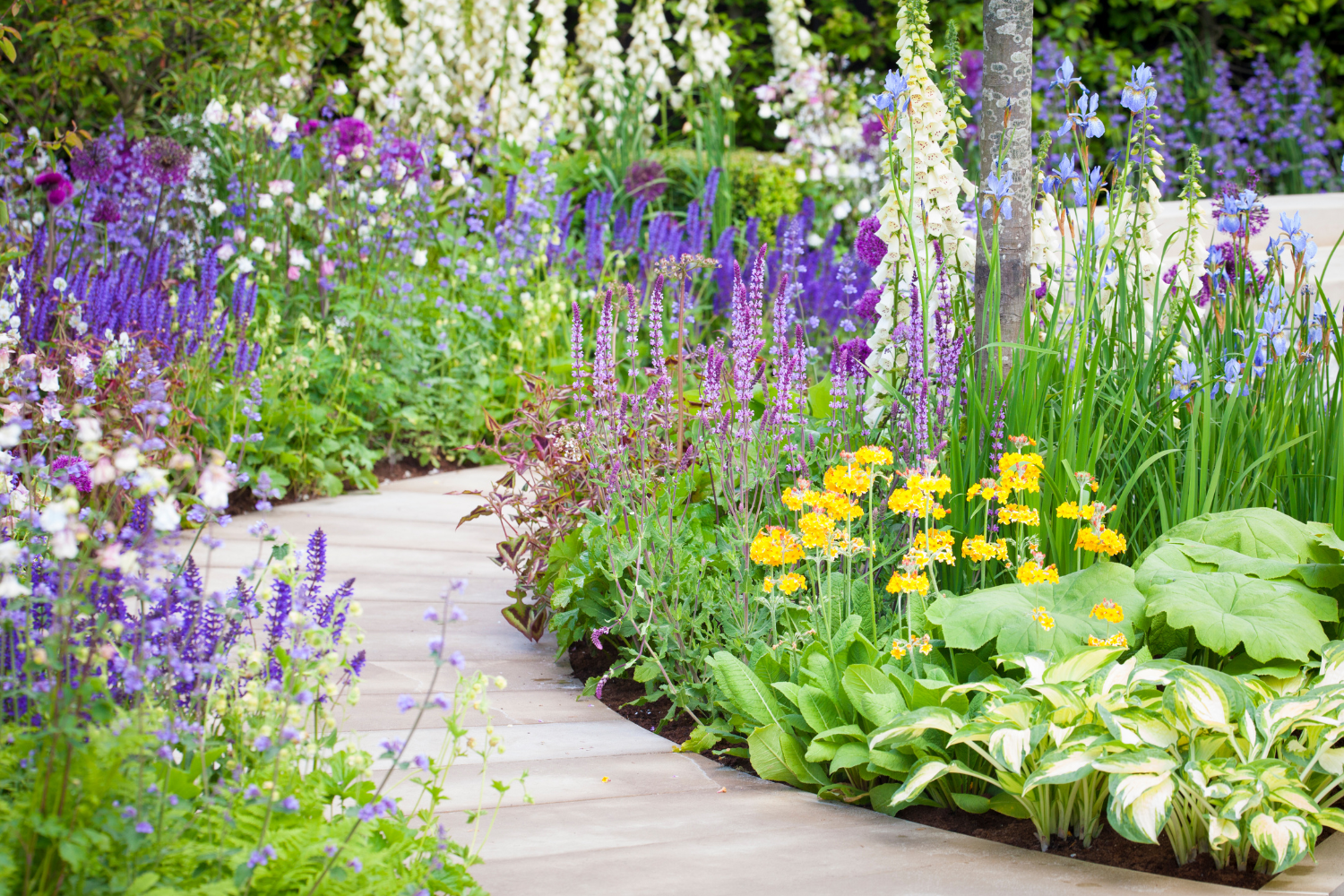
Non-native plants are not inherently invasive or harmful to wildlife. Many non-native plants can actually provide important resources for native wildlife, such as nectar for pollinators or shelter for birds and insects.
It is important to note that not all non-native plants are considered invasive, and many have been intentionally introduced for various purposes such as ornamental landscaping or food production. In fact, some non-native plants can even help to restore degraded landscapes by providing erosion control or improving soil quality.
Cultivars of plants, while not truly “native”, can still benefit local wildlife and ecosystems. These plants have been bred for specific traits, such as disease resistance or flower color, but are still closely related to their native counterparts. As long as they do not escape cultivation and spread uncontrollably, cultivars can be a valuable addition to gardens and landscapes.
My Favorite Native Plants
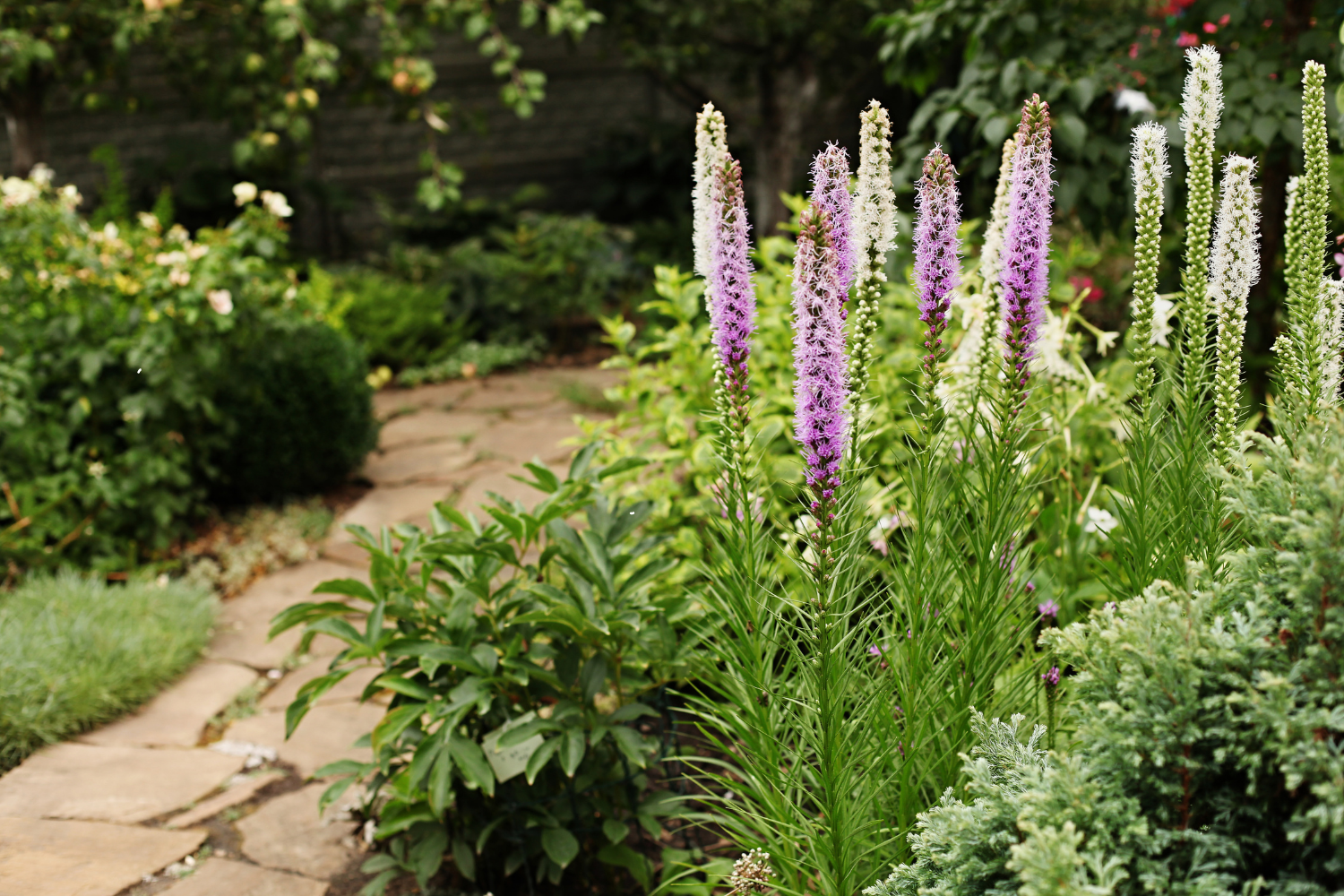
The following is a list of my personal favorites. Check out the sites listed below for a complete list.
Grasses and ferns: Bottlebrush grass, Christmas fern, switchgrass, maidenhair fern
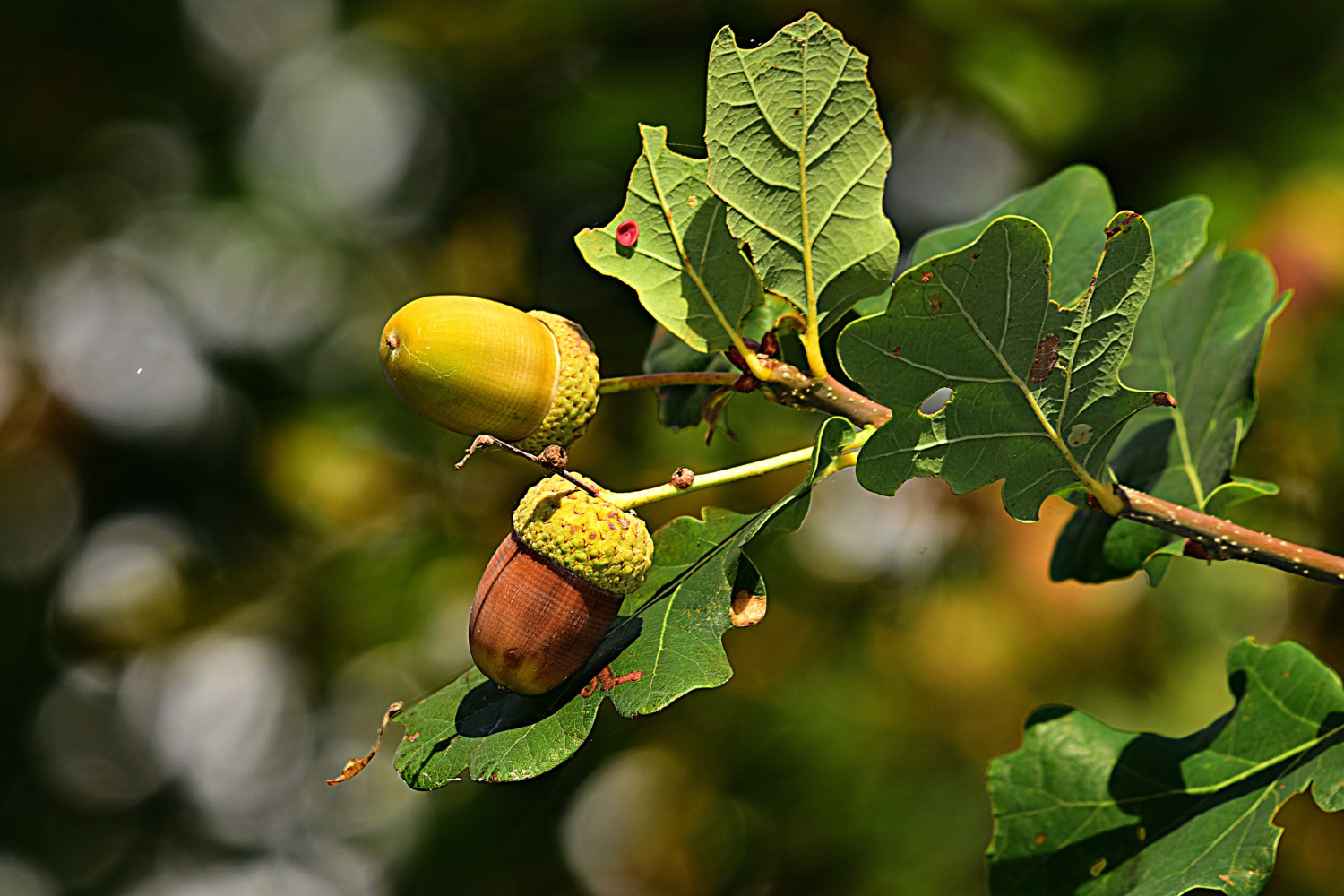
Trees: White oak, red maple, river birch, serviceberry (the best choice for four-season interest), eastern redbud, black cherry
Shrubs: Bayberry, Virginia rose, winterberry, spicebush
Perennials: Joe Pye weed, wild bergamot, yarrow, common milkweed, sneezeweed, goldenrod, purple coneflower, agastache
Vines: hops (a great fast-growing vine option for shade!), limber honeysuckle, American wisteria
Fruits/Vegetables: Highbush blueberry, American elderberry, raspberry, pawpaw
The full list provided by the DEC has something for everyone. The resources below have information on specific growing conditions and planting instructions.
Native Plant Resources
Buffalo Waterkeeper Native Plant Guide from my favorite local nonprofit.
DEC NY Native Plant Guide includes specific planting advice.
CW Native Plant Farm offers over 500 varieties of plants native to WNY. Check out their demonstration gardens for inspiration!
WNY Native Plant Collaborative is a great resource plus they have great native plant sales throughout the year.
Conclusion
Incorporating native plants into the landscape offers a multitude of benefits that extend far beyond aesthetics. By choosing indigenous species, gardeners can create a sustainable environment that supports local wildlife, requires less water and maintenance, and contributes to overall ecosystem health. Embracing native plants is not only a way to enhance the beauty of our surroundings but also a conscious decision to promote biodiversity and preserve the natural balance of our ecosystems for generations to come.