

Fall Pruning
Your Guide to What Stays and What Goes
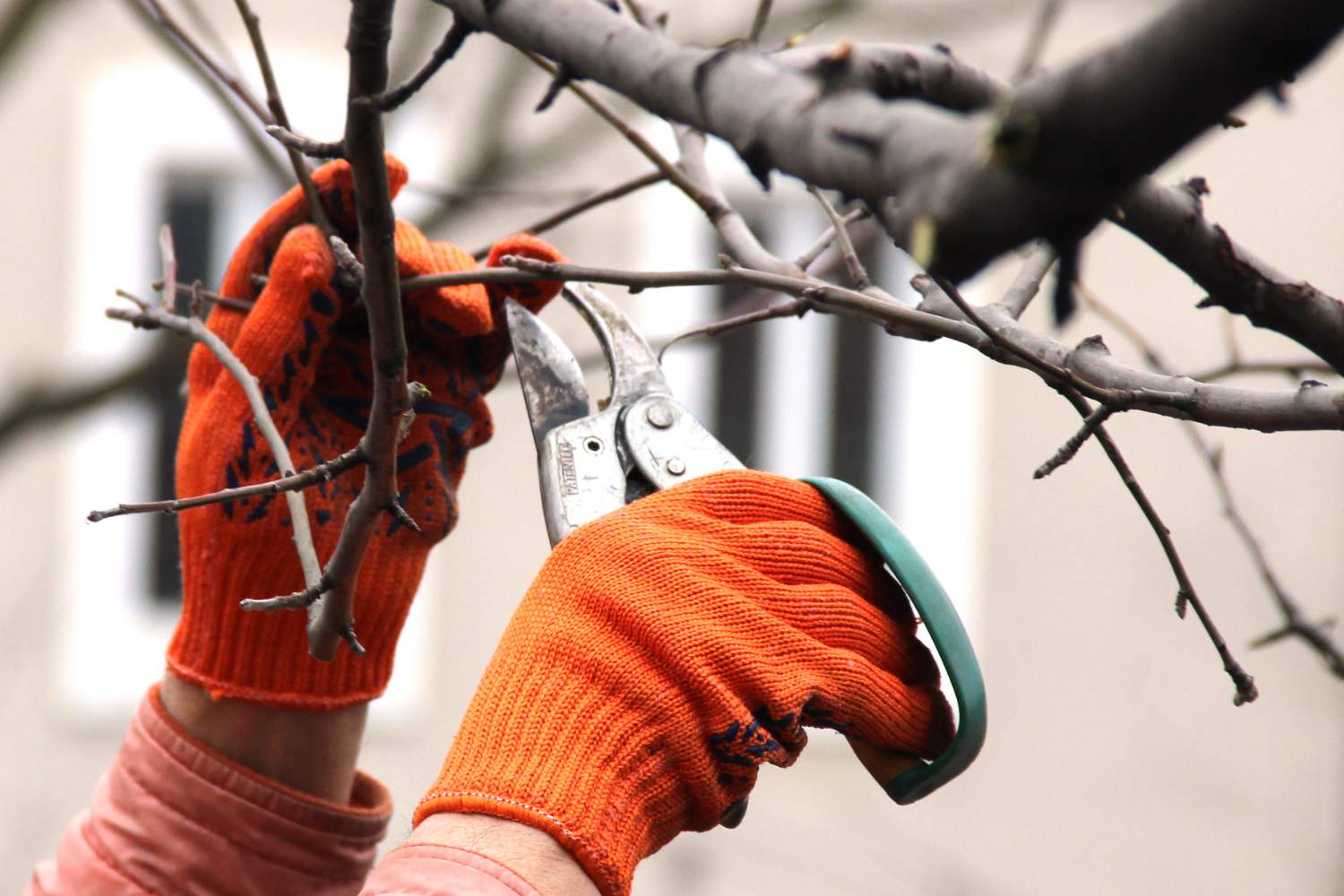
Late fall is the perfect time for pruning most of your flowering trees and shrubs. Here's how to avoid turning your yard into an accidental experiment in survival of the fittest.
Why Late Fall?
The timing's actually perfect for garden maintenance - with leaves dropping, you can finally see what you're doing in there without the dense foliage getting in the way. Plus, most plants are entering dormancy as the cooler weather sets in, which means less sap loss during pruning and fewer pest issues since the plants are not actively growing. The bugs and insects that typically show up to feast on fresh cuts have already called it a season and are less likely to be a hassle now. This makes it an ideal time to tidy up your garden and prepare it for the upcoming months.

The Tools You'll Need
Hand pruners: For branches up to 1 inch in diameter
Loppers: For the sturdy 1-2 inch branches that laugh at your hand pruners
Pruning saw: For anything over 2 inches - the big stuff
Shears: For hedge-shaping and dense shrub management
Gloves: Because thorns are nobody's friend
Essential Techniques
Before you begin pruning, it's important to understand the various types of pruning techniques. This knowledge ensures that your shrub or tree receives the specific care it needs to thrive.
Renewal Pruning: This is basically a fresh start for overgrown shrubs. Remove up to one-third of the oldest stems at the base. Any more than that and you're not pruning - you're starting over.

Deadheading: Remove spent flowers to encourage new blooms and prevent the plant from setting seed. Simple enough, right?
Thinning: Your plants need breathing room. Remove branches that are crossing or growing inward - think of it as social distancing for your shrubs. This improves air circulation and lets light reach the center, which actually matters quite a bit.
Shaping: Start at the top of hedges and work down, cutting at a slight angle so water runs off. Standing water leads to rot, and nobody wants that.

To Prune or Not to Prune


The "Hands Off" List
These spring bloomers set their flowers on old wood, so pruning now means no flowers next spring:
Forsythia
Lilac
Azalea
Rhododendron
Spirea
Dogwood
serviceberry
Magnolia
Flowering cherry and pear trees
Crabapple tree


Safe to Prune in Fall:
Viburnum
Rose of Sharon
Smokebush
Butterfly bush
Hibiscus
Roses
Spirea
And more! Basically, if it flowers in March, April or May, hold off!

Common Mistakes to Avoid
When it comes to pruning, more is not always better. Over-pruning can weaken the plant and reduce its ability to thrive. It's crucial to strike the right balance, allowing the plant enough foliage to support its growth and bloom while removing only what is necessary for its health and shape.
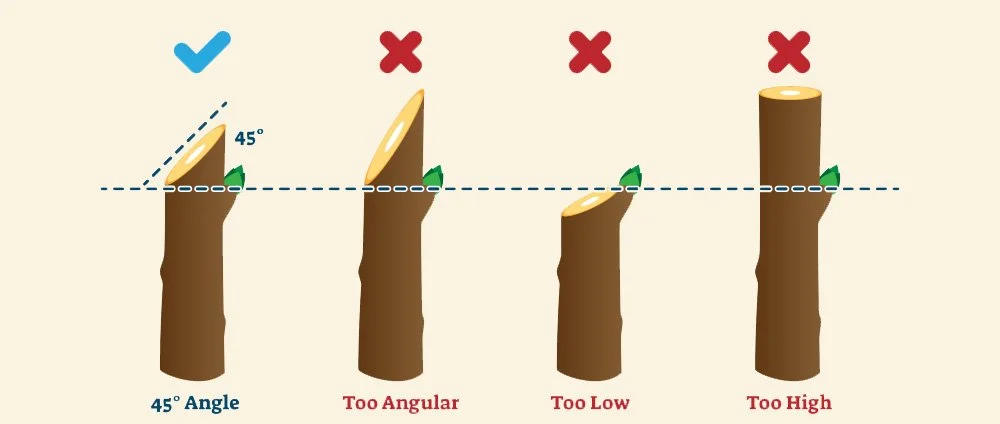
Using the right cutting technique is vital for the plant's wellbeing. Making clean cuts just above a bud or branch union ensures that the plant can heal properly and continue to grow. This method minimizes damage and encourages healthy development, helping the plant maintain its strength and vitality.

Bottom Line
Fall pruning sets up your garden for spring success. Do it right, and you'll have a show-stopping garden come spring. Do it wrong, and well... let's just say there's always next year. Remember: When in doubt about a cut, step back and reconsider. Your plants will survive if you wait, but they can't undo a bad pruning job.
Resources


