
Aging Gracefully with Your Garden
Low-Maintenance Strategies for Seniors
Gardening is a beloved activity for many, offering physical exercise, emotional satisfaction, and a connection to the natural world. However, as we age, some aspects of gardening can become physically challenging, making it difficult to maintain the gardens we've cultivated for years. The good news is, with a few adjustments, your garden can continue to be a source of joy rather than a chore. Here's how to transition your garden to accommodate aging, ensuring it remains accessible and enjoyable for years to come.
Key Considerations for an Age-Friendly Garden
There are many changes you can make to your yard to ensure it remains manageable as you age. Here are some key considerations to keep in mind:
Choosing the Right Plants
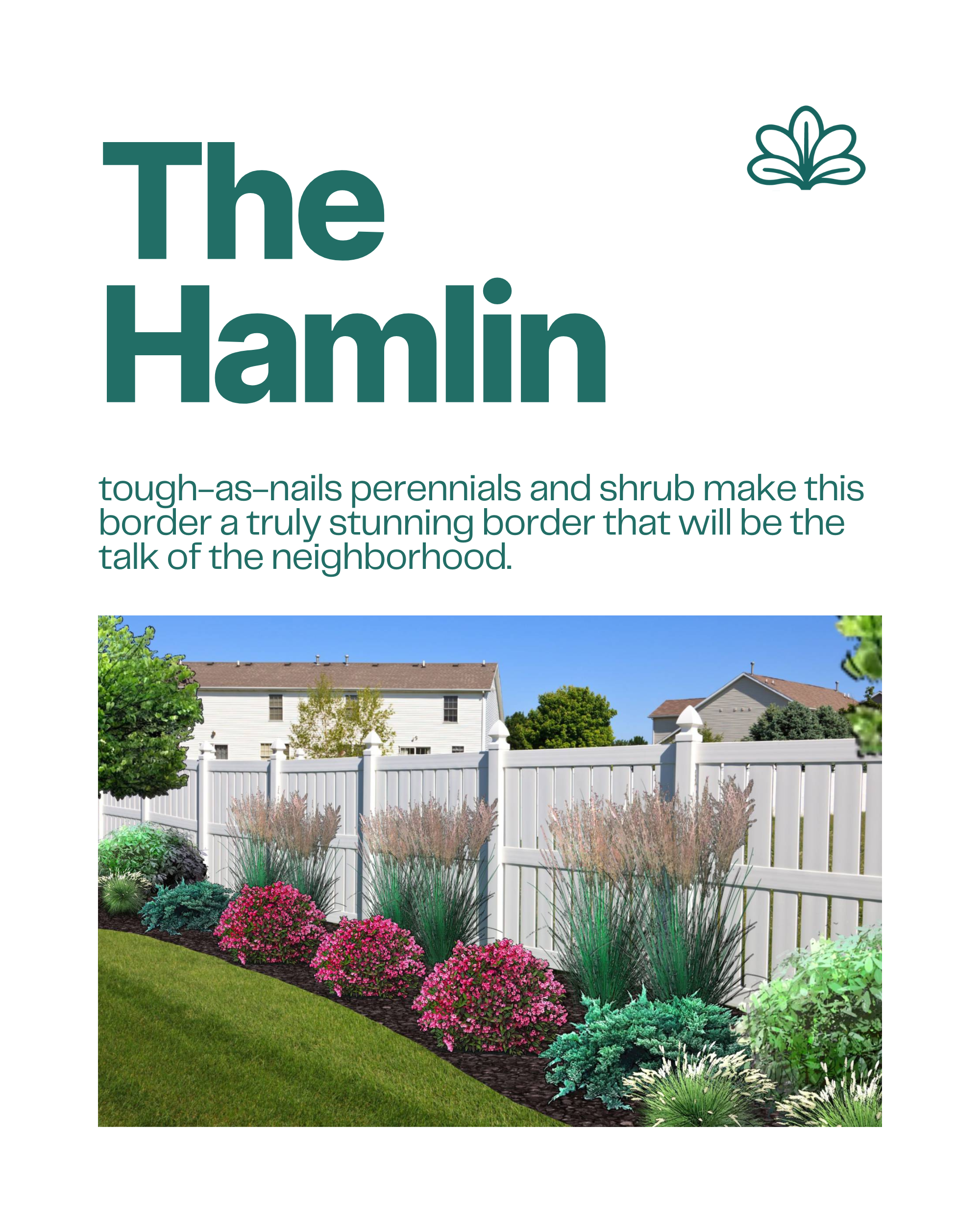
Switching from high-maintenance perennials to shrubs can significantly reduce the need for bending over and kneeling. Shrubs provide a lasting structure and beauty with minimal upkeep. Opting for low-maintenance varieties cuts down on daily or weekly garden tasks. Incorporating more groundcovers instead of mulch can also reduce the need for frequent mulching, as groundcovers naturally suppress weeds and spread easily. Finally, consider incorporating native plants into your garden, as they require less maintenance and are well-suited to the local climate.
Creating Comfortable Spaces
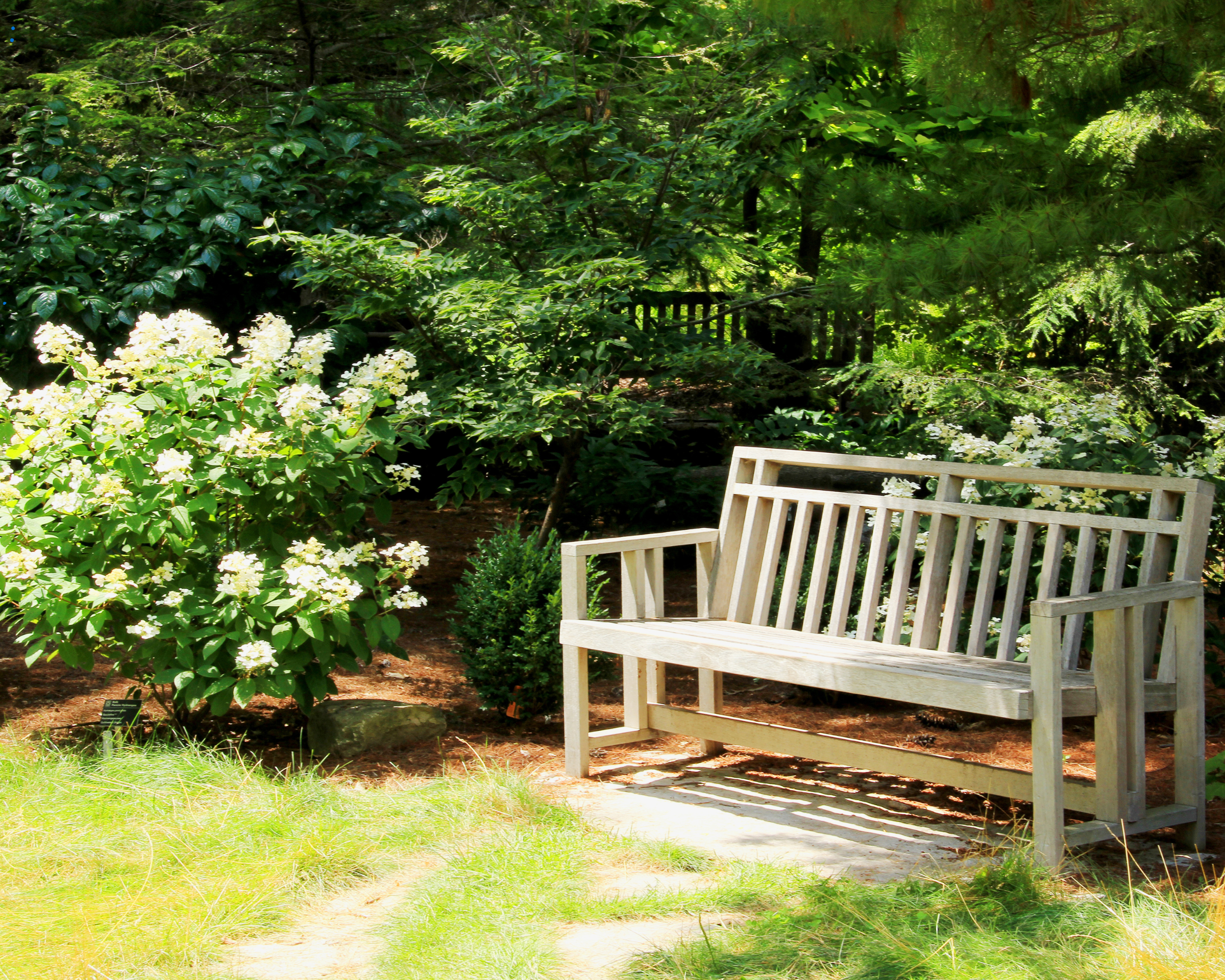
As we age, spending long periods of time standing or kneeling can become uncomfortable or even painful. That's why it's important to create comfortable seating areas throughout the garden, allowing you to take breaks and rest when needed. Raised garden beds can also be a great option for those with limited mobility, as they eliminate the need to bend down or kneel while gardening. These beds can be built at any height, making them accessible to everyone.
Watering Solutions
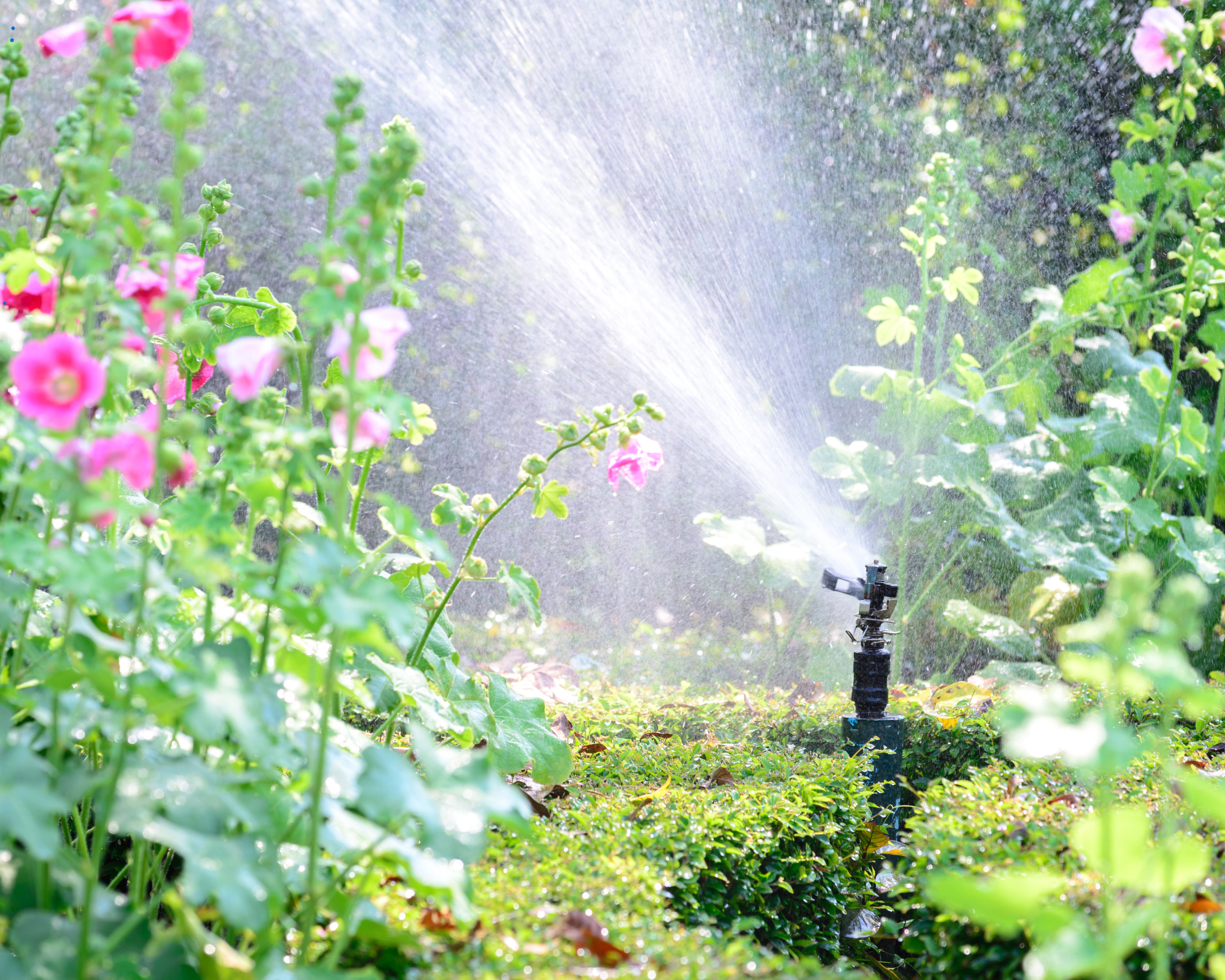
Rethinking irrigation can save both effort and time. Drip irrigation systems, soaker hoses, or even an upgraded sprinkler system can automate the watering process, reducing the physical demand on the gardener. These options ensure your plants get the moisture they need without the strain of hand watering. Another solution is incorporating self-watering planters, which have a built-in reservoir that waters plants from the bottom up, reducing the frequency of watering.
Garden Layout Adjustments
Incorporating raised beds and flower boxes greatly reduces the need to bend or kneel, making gardening more comfortable. Raised beds can be designed at a height that allows for seating, while flower boxes can be placed at waist level for easy access. Transitioning to these options gradually can help maintain the joy of gardening without the strain. Additionally, incorporating paths and walkways throughout the garden can make navigating and tending to plants easier for those with mobility challenges.
Practical Tips for Transitioning Your Garden
Plan Ahead: Start transitioning your garden before it becomes a necessity. This foresight allows you to enjoy gardening with ease sooner and adjust to the changes gradually.
Share Your Perennials: Invite neighbors, friends, or local garden clubs to divide or dig up perennials that you plan to replace with less demanding plants. This approach ensures that your cherished plants find new homes and reduces the workload for you.
Adjust Bed Sizes Gradually: You can slowly reduce the size of your flower beds by removing the edging and allowing grass to grow in, cutting back on the area you need to manage. This gradual process helps ease the transition, both for you and for the look of your garden.
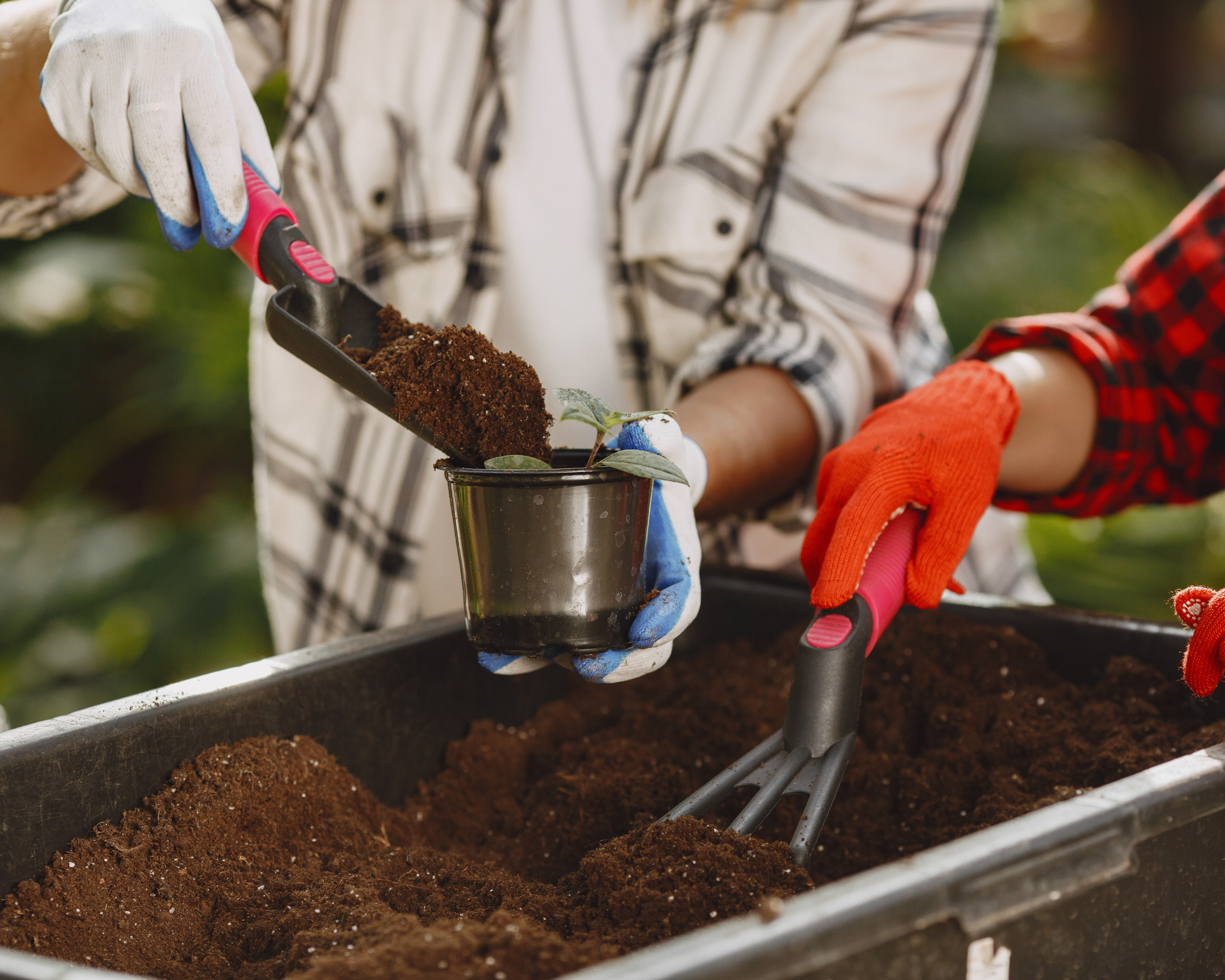
Select Ergonomic Tools: Investing in ergonomic gardening tools can make a significant difference in comfort and efficiency. Look for tools with longer handles to avoid bending and those designed to reduce strain on your joints.
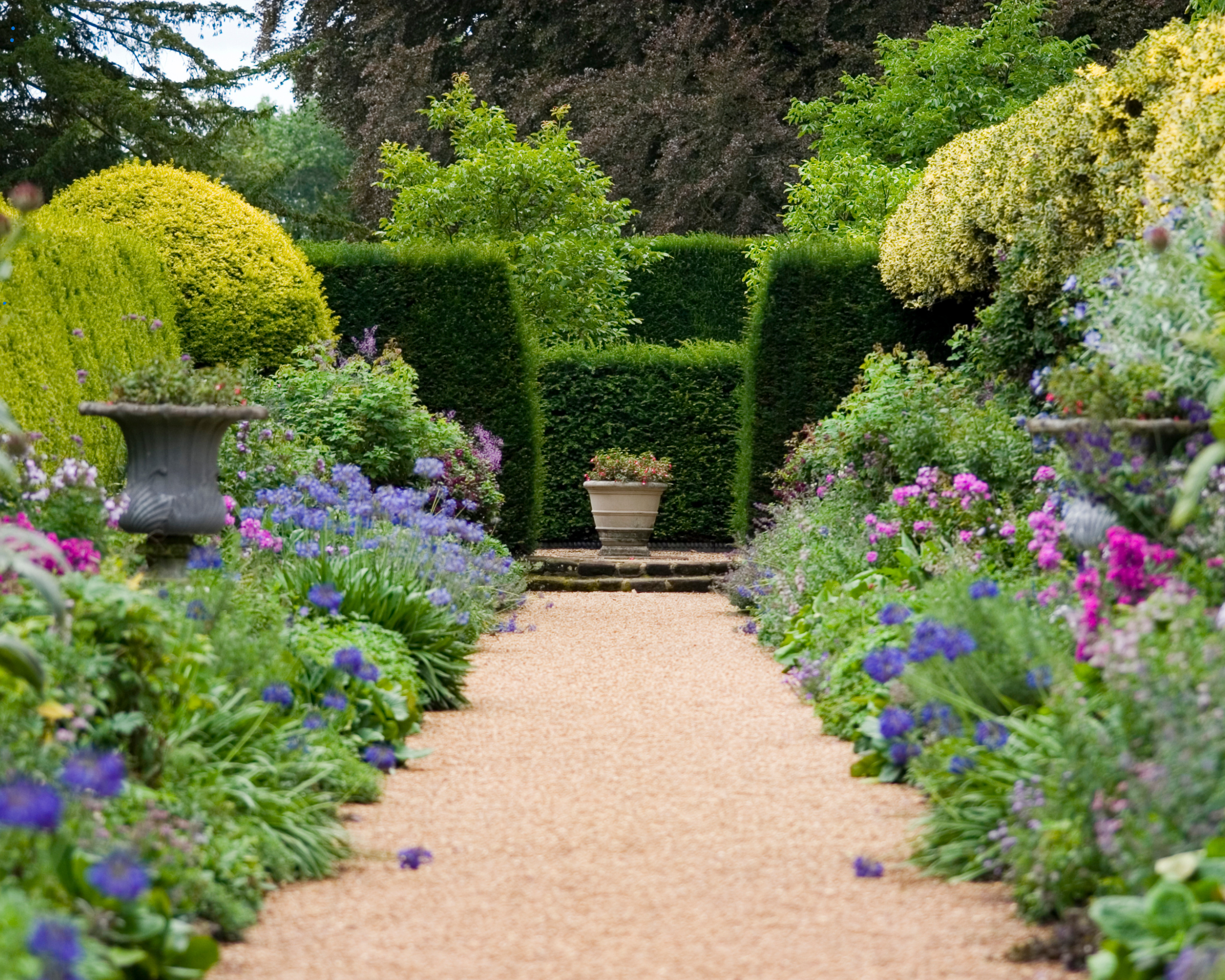
Consider Accessibility: Ensure paths are wide and flat to accommodate easy movement through the garden. Stability underfoot is crucial, so consider surfaces such as smooth paving stones or compacted gravel.
Final Thoughts
By incorporating these considerations and practical steps, you can transform your garden into a space that requires less physical strain while still providing the beauty, satisfaction, and therapeutic benefits of gardening. Transitioning your garden with aging in mind ensures it remains a source of pleasure rather than a burden, allowing you to continue engaging with the hobby you love well into the future.