

The Healing Power of Gardening
A Path to Mental Wellness
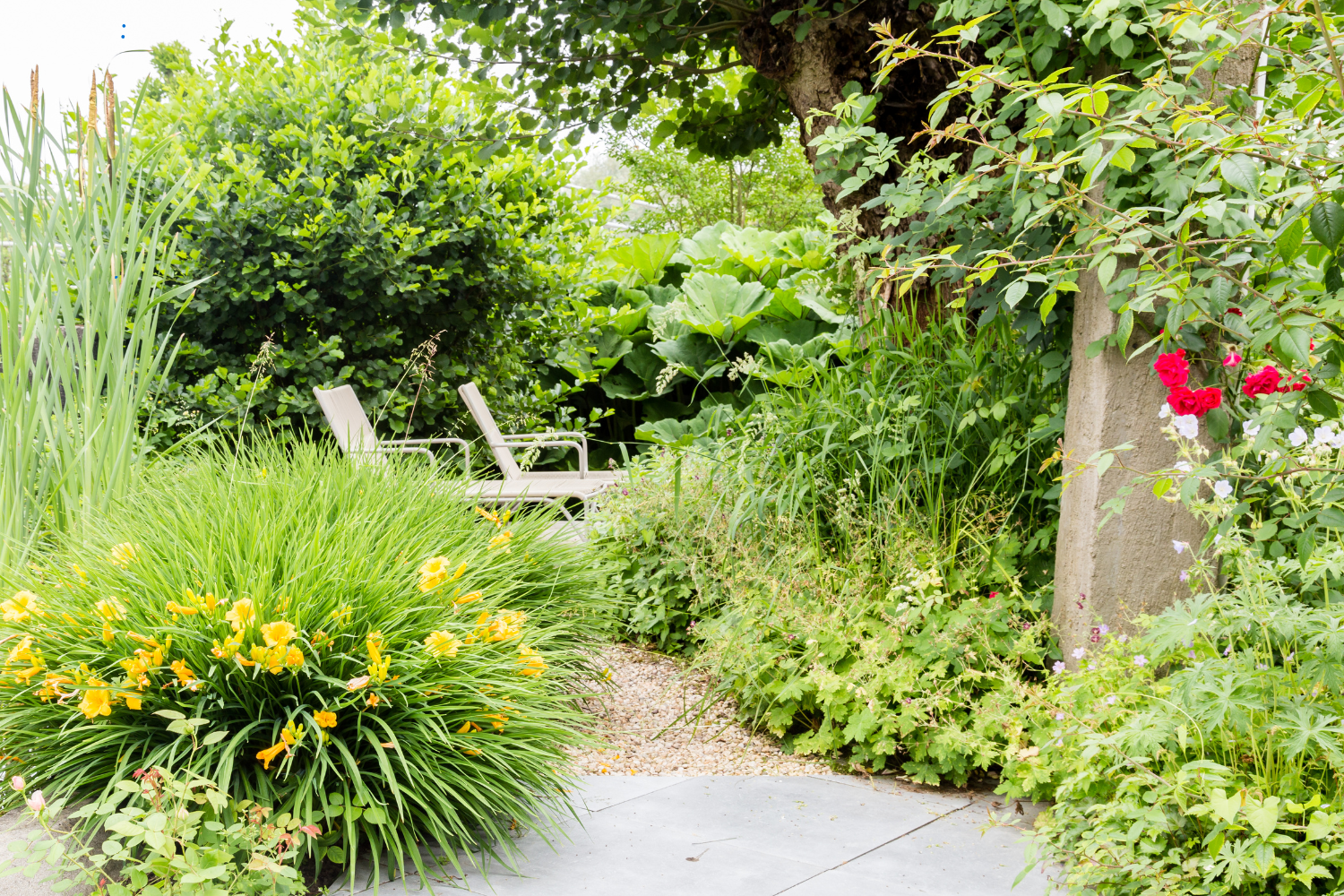
In the hustle and bustle of today's world, finding a moment of peace can seem an impossible task. Yet, amidst the chaos, a surprising yet ancient remedy has been making a resurgence for its profound mental health benefits—gardening. This timeless practice offers more than just a bounty of fruits, vegetables, and flowers; it provides a sanctuary for the mind, body, and soul.
Stress Reduction and Relaxation
Gardening immerses you in the natural rhythm of life, which has a unique way of easing stress and promoting relaxation. The act of digging, planting, and watering encourages physical activity, which releases endorphins, the body's natural stress-relieving hormones. The serene environment of a garden connects you with nature, offering a peaceful retreat from the stresses of daily life. In fact, studies have shown that spending time in a garden can lower blood pressure, decrease anxiety and elevate mood.
Mood Improvement
The vibrant colors of blooming flowers, the rich scent of the earth, and the gentle rustle of leaves work together to improve mood and reduce symptoms of anxiety and depression. These natural elements create a sensory experience that engages sight, smell, and sound, which can be incredibly soothing. Studies have shown that spending time in green spaces, including gardens, increases levels of serotonin, a neurotransmitter associated with feelings of well-being and happiness.
The act of gardening itself can be meditative, allowing individuals to focus on the present moment and forget their worries for a while. Additionally, the exposure to sunlight while gardening can boost your vitamin D levels, further enhancing your mood. Vitamin D is crucial for overall health, impacting everything from bone strength to immune function. Engaging in physical activity through gardening also releases endorphins, which are natural mood lifters. Overall, gardening can be a holistic approach to improving mental and physical health.
Sense of Accomplishment
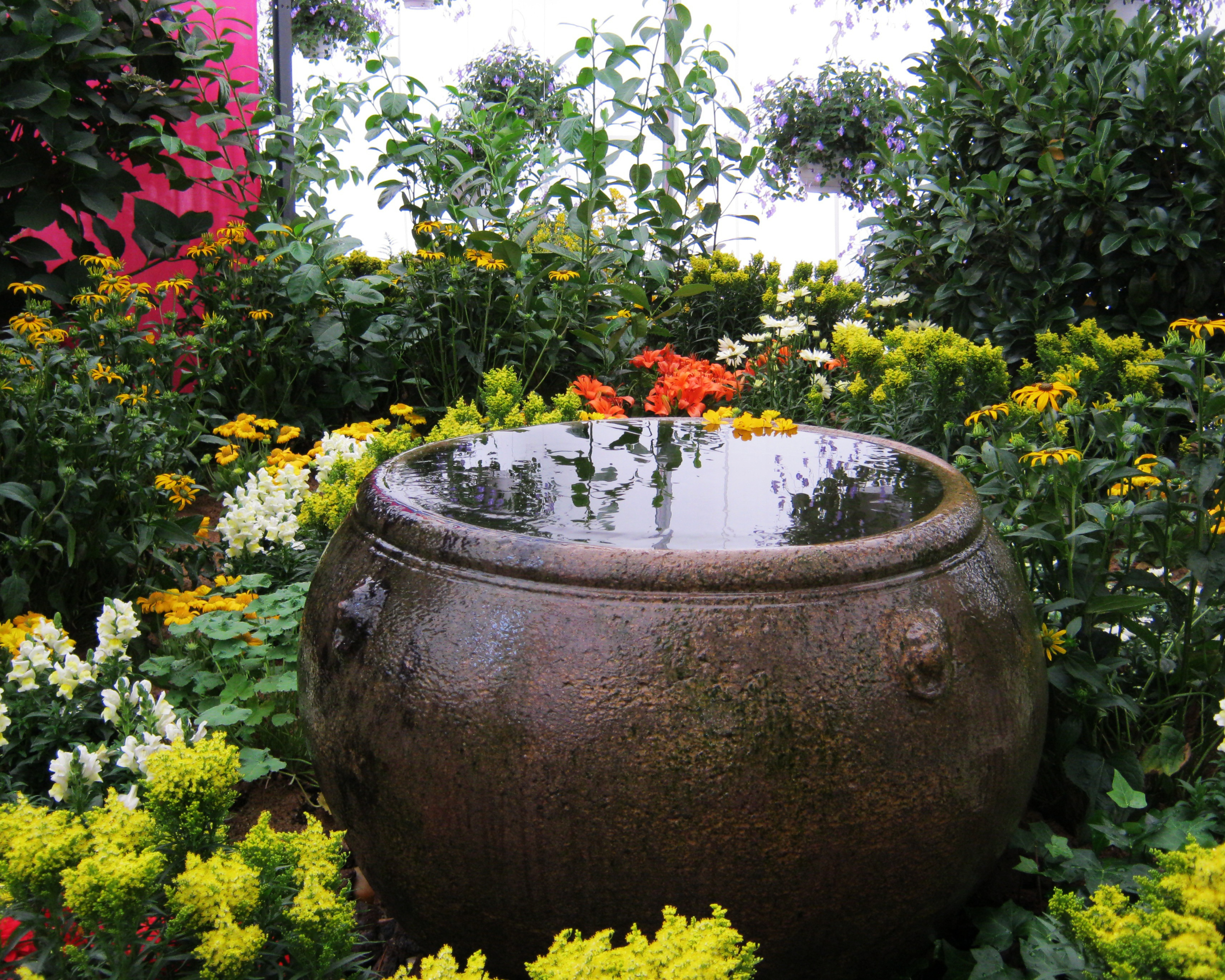
There's something incredibly satisfying about nurturing a plant from seed to blossom. Gardening allows you to witness the cycle of life firsthand, offering a unique sense of accomplishment and boosting self-esteem. The process begins with carefully selecting the seeds, preparing the soil, and planting them with care. As you water and tend to your garden, you watch with anticipation as tiny sprouts emerge from the earth, gradually growing into strong, healthy plants. Each new leaf and every fruit that ripens is a testament to your care and dedication, providing a tangible sense of achievement. This can be especially empowering for individuals struggling with mental health issues, as the act of gardening offers not only a therapeutic escape but also a meaningful way to connect with nature and find a sense of purpose in the nurturing process.
Increased Mindfulness and Focus
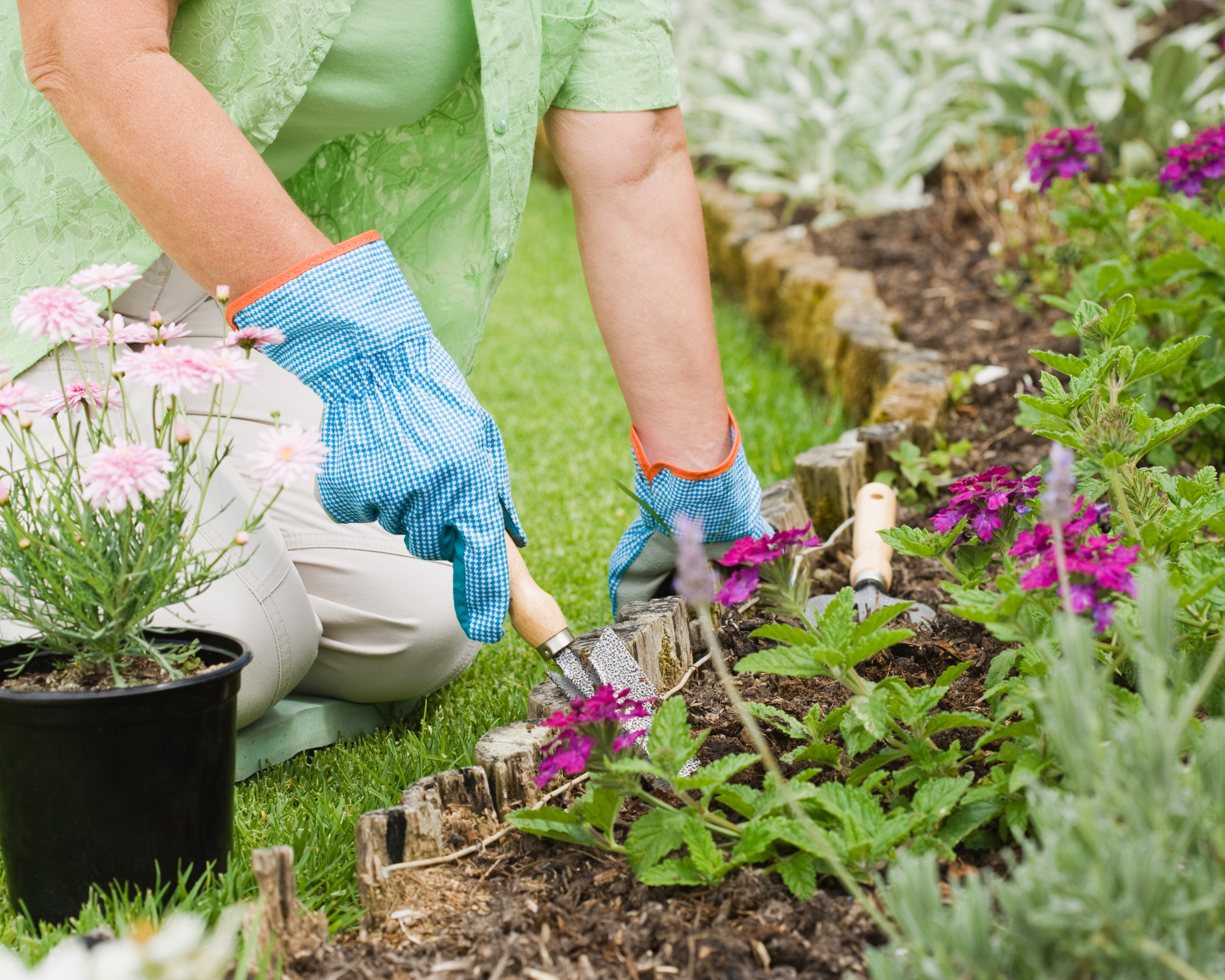
Gardening requires attention to detail and a focus on the present moment. Whether you're pruning a bush, planting new seeds, or simply tending to the soil, each task at hand demands your full attention, fostering a state of mindfulness. This focused engagement helps quiet the mind and can be a form of meditation, allowing gardeners to experience the present moment fully, free from the distractions and worries of past or future. The rhythmic actions of gardening, such as the gentle movements of watering plants or the repetitive motions of weeding, create a calming effect that can ease stress and promote relaxation. Additionally, the sensory experiences—such as the earthy smell of soil, the vibrant colors of flowers, and the soothing sounds of nature—enhance the overall sense of tranquility, making gardening not just a chore, but a therapeutic practice.
Community and Social Connection
While gardening can be a solitary activity, it often leads to a sense of community and social connection. Sharing tips with fellow gardeners, exchanging seeds or produce, and participating in community gardens are all ways in which gardening helps build relationships. These interactions can provide emotional support and a sense of belonging, which are essential for mental health and well-being. Additionally, community gardens offer a unique opportunity for people of different backgrounds and ages to come together, fostering intergenerational learning and cultural exchange. Gardening workshops and events can further enhance this sense of community, allowing individuals to expand their knowledge while forming new friendships. The communal aspect of gardening not only enriches the individual experience but also strengthens the social fabric of the community as a whole.
Incorporating Gardening to Your Daily Routine
Gardening can be enjoyed by people of all ages and can be adapted to fit any space, whether you have a large backyard or just a small balcony. Here are some ways to incorporate gardening into your life, regardless of age or yard size:
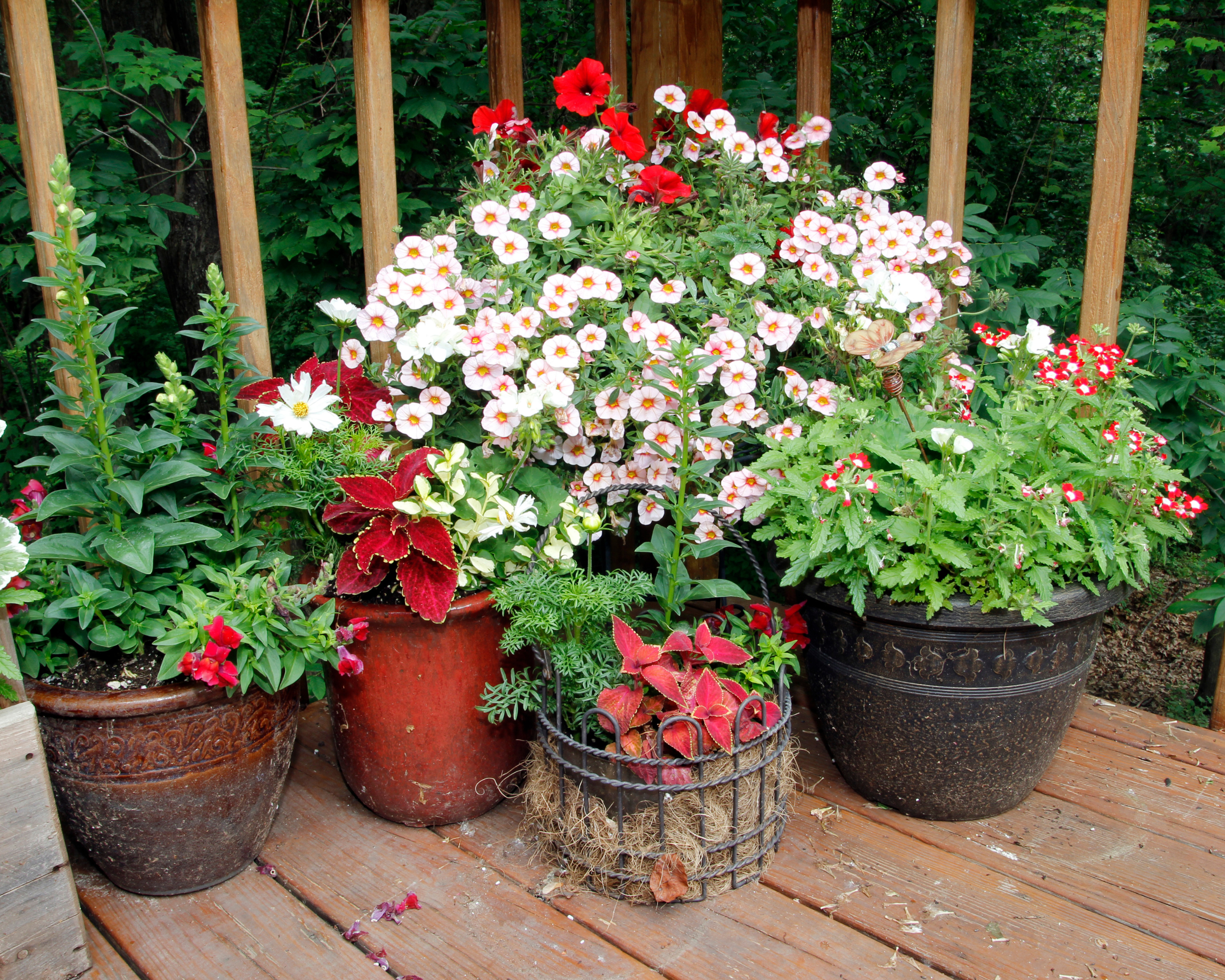
Start with container gardening: This is an ideal option for those with limited outdoor space. You can use pots, hanging baskets, or even repurpose old containers to grow plants on a balcony or window sill. This is also a great way for beginners to dip their toes into gardening without feeling overwhelmed.
Join a community garden: If you don't have space at home, consider joining a community garden in your area. These spaces provide individuals with the opportunity to grow their own produce and connect with others who share a love for gardening.
Create a raised bed garden: If you have a small backyard, you can still grow your own, flowers, fruits, or vegetables by creating a raised bed garden. This method allows you to control the soil quality and is easier on your back compared to traditional ground-level gardening.
Incorporate gardening into your daily routine: Even if you have a busy schedule, find ways to incorporate gardening into your daily routine. This could be as simple as tending to plants during your morning coffee or taking a break from work to water your garden in the afternoon. This will not only help you stay connected to nature, but also provide a sense of calm and relaxation.
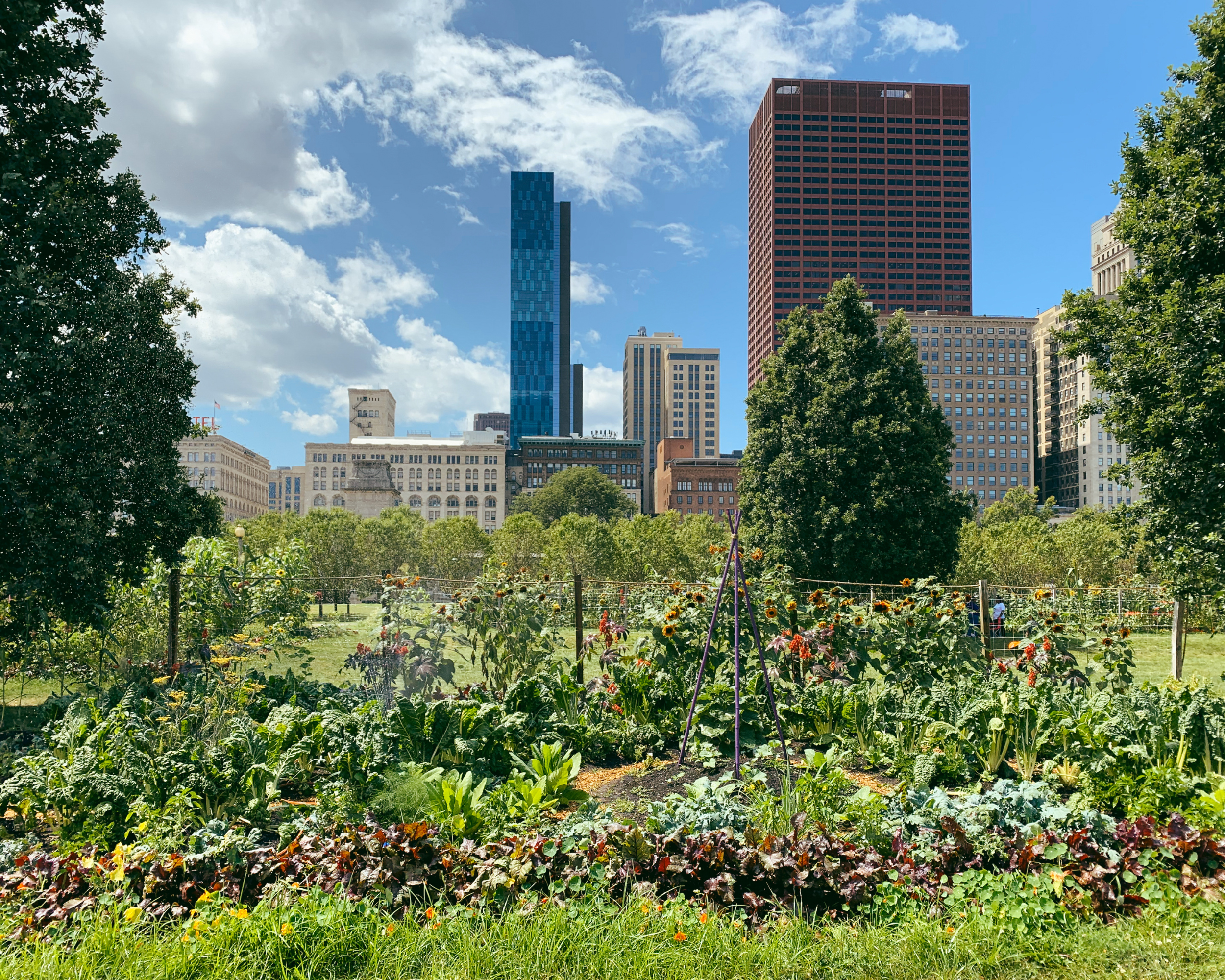
The mental health benefits of gardening are profound and far-reaching. From reducing stress and improving mood to enhancing mindfulness and fostering social connections, gardening offers a holistic approach to mental wellness. Whether you have a sprawling garden or a few pots on a windowsill, the act of tending to plants can lead to significant psychological growth.
In the garden, we find a unique space where we can heal, reflect, and grow, not just plants, but also ourselves. If you're looking for a way to enhance your mental health, consider getting your hands dirty. The simple act of gardening might just be the therapy you need.
Sources:
Callaghan A, McCombe G, Harrold A, McMeel C, Mills G, Moore-Cherry N, Cullen W. The impact of green spaces on mental health in urban settings: a scoping review. J Ment Health. 2021 Apr;30(2):179-193. doi: 10.1080/09638237.2020.1755027. Epub 2020 Apr 20. PMID: 32310728.
Gianfredi V, Buffoli M, Rebecchi A, Croci R, Oradini-Alacreu A, Stirparo G, Marino A, Odone A, Capolongo S, Signorelli C. Association between Urban Greenspace and Health: A Systematic Review of Literature. Int J Environ Res Public Health. 2021 May 12;18(10):5137. doi: 10.3390/ijerph18105137. PMID: 34066187; PMCID: PMC8150317.
Ian, Z., Nakaya, T., Liu, K. et al. The effects of neighbourhood green spaces on mental health of disadvantaged groups: a systematic review. Humanit Soc Sci Commun 11, 488 (2024). https://doi.org/10.1057/s41599-024-02970-1
Noordzij JM, Beenackers MA, Oude Groeniger J, et alEffect of changes in green spaces on mental health in older adults: a fixed effects analysisJ Epidemiol Community Health 2020;74:48-56.