

My garden has two seasons: hope, and recovery. El Niño is coming for both of them.
NOAA is calling for a very strong El Niño this winter — possibly a "super" El Niño, the strongest category we have a name for. For most of the country, the forecast skews warmer and wetter than average. For us here in WNY, that comes with a specific and somewhat weird set of consequences, most of which land squarely in your garden.
Over the next few months you're going to see a lot of El Niño coverage from the Weather Channel and the national outlets, aimed at "the Northeast" as if we're all one weather system. We are not. The Great Lakes do their own thing — they always do — and what plays out in Boston or New York City is not what plays out here in WNY. So let's talk about what it actually means for our gardens.
The usual caveats apply, of course. Seasonal weather forecasting has roughly the same success rate as predicting which side a buttered toast will land on, and the meteorologists are the first to tell you so. But the pattern El Niño pushes us toward is well-documented, and if you garden here, there are a handful of things worth doing differently this year.
What a strong El Niño typically does to a WNY winter:
The polar jet stream gets pushed north. That tends to park the really nasty Arctic air up in Canada where it belongs, instead of dumping it on us for three weeks in January. Average winter temperatures run a few degrees warmer than normal.
Less brutally cold air crossing over Lake Erie means less lake-effect snow. The classic example is the 2015-16 winter, when Buffalo recorded 48 inches against a seasonal average of around 85, and we didn't see our first measurable snowfall until December 18. Some of you remember that winter fondly. Your garden has mixed feelings about it.
What that doesn't mean is a mild, uneventful winter. El Niño patterns tend to be wetter overall, and when the warm stretches collapse — and they always collapse eventually — we can get hit with a few concentrated, well-tracked storms that drop a lot of snow at once. One or two of our worst historical nor'easters happened in El Niño winters. So think: less overall snow, but potentially a couple of memorable events. More rain, more ice, more freeze-thaw.
Why this is harder on your garden than a normal winter:
WNY plants, including everything I recommend, are built for our usual pattern: a reliable snow cover that acts like a wool blanket from mid-December through March, holding the ground at a steady 28-32°F and protecting crowns and root zones from the worst of the wind and cold.
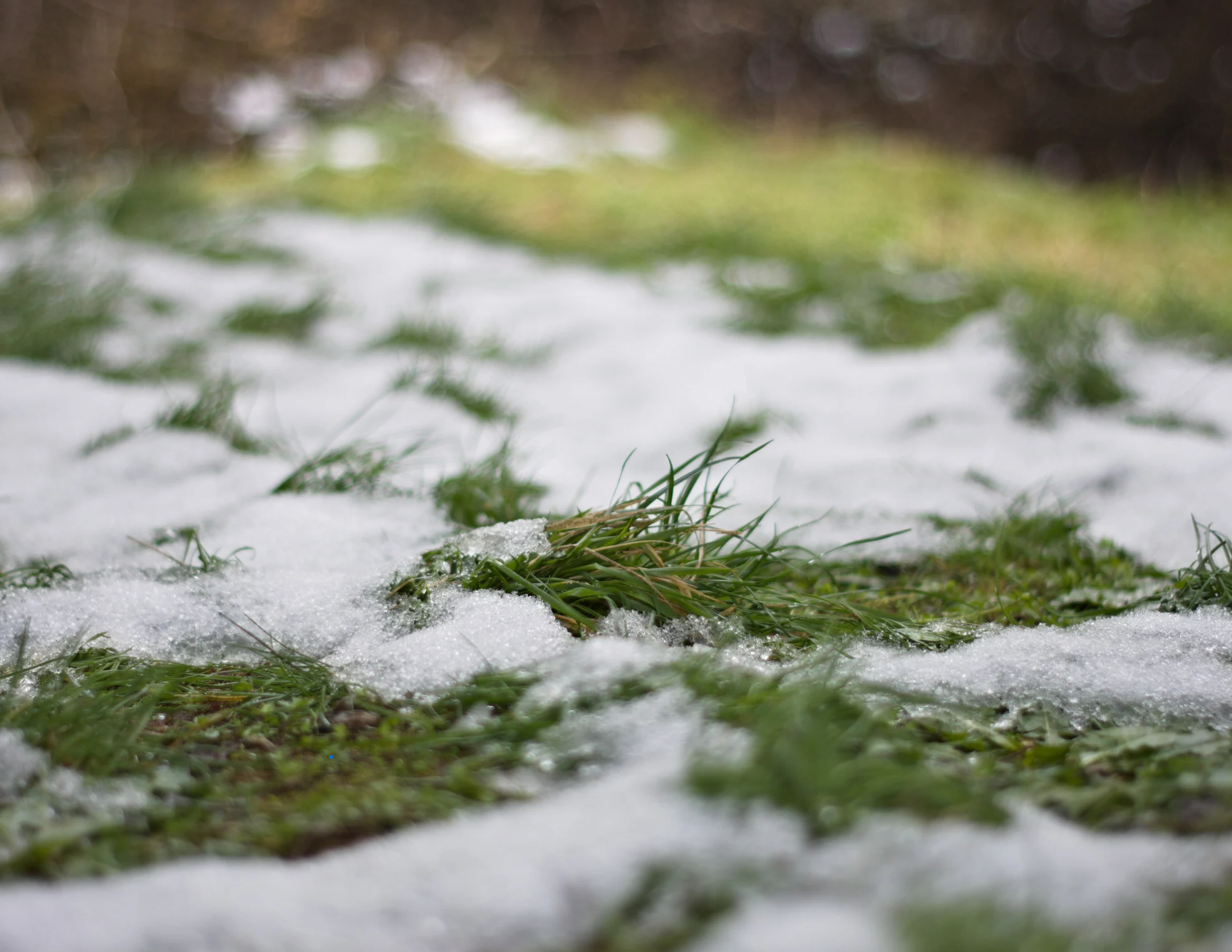
A warmer, snow-poor winter strips that blanket off. That sounds like good news. It mostly isn't.
Freeze-thaw damage. Without consistent snow cover, the soil surface warms during thaws and refreezes at night, which heaves shallow-rooted perennials right out of the ground. Coral bells, heuchera, young asters, anything you planted last fall — all at risk. By March you walk out and find them lifted an inch out of their holes, roots exposed to dry wind.
Deicing damage. More rain and ice means more salt. If your beds are along the driveway, the road, or a walkway, expect more salt damage than usual on evergreens and broadleaf shrubs this spring.
Broken dormancy. This is the sneaky one. Plants break dormancy based on accumulated warmth. A string of unseasonably warm February days can trick magnolias, forsythia, fruit trees, and spring bulbs into waking up early — and then the inevitable cold snap arrives and burns off the flower buds. We've all watched a magnolia bloom in March and get its blossoms browned by a hard freeze three days later. El Niño winters make that scenario more likely, not less.
Pest survival. A hard, cold winter kills a meaningful percentage of overwintering insects and small mammals. A mild winter does not. Expect more tick pressure, more Japanese beetle grubs, more rabbits — yes, more rabbits — come spring.
Rodent damage. Voles and mice love a warm winter with patchy snow. They tunnel under the mulch and chew the bark off anything they can find — young fruit trees especially. If you've had vole trouble before, this is the year to be vigilant.
What to do about it:
Mulch now, if you haven't. A good 2-3 inch layer of shredded bark or leaves around your perennials and shrubs compensates for the missing snow cover. Don't pile it against trunks — a few inches of breathing room — but get it down before the ground freezes hard.
Water deeply before the ground freezes. Evergreens especially. A warm, windy, snow-poor winter dehydrates needles and causes the brown-tipped "winter burn" you'll be staring at in April. Boxwood, yew, holly, rhododendron — give them a long slow soak in late November or early December, whenever we get our last window above freezing.
Burlap the vulnerable. Any young evergreen that took a beating last winter, or anything planted in the last 12 months, gets a burlap screen on the windward side. Not wrapped tight — screened. Lets the plant breathe but blocks the worst of the drying wind.
Rewrap tree trunks. If you read [my rabbit post] — or even if you didn't — this is the year to be religious about tree wraps and hardware cloth on young trees. Rabbits and voles will be hungrier and more numerous, and your trees have less snow to hide the damage until it's too late.
Hold off on pruning spring bloomers. Forsythia, lilac, magnolia, azalea, rhododendron — leave them alone through winter. If they get tricked into breaking dormancy early and then get hit by a frost, you want every living bud they've got. Any pruning you do removes buds that might've been your spring show.
Resist the urge to "clean up" during warm spells. February thaw hits and everyone wants to get out there and rake. Don't. The leaf litter, old perennial stems, and mulch you're itching to remove are insulating the crowns of your plants and sheltering the beneficial insects you want to keep. Wait until nighttime temperatures stay consistently above 50°F, usually mid-April here.
The bright side:
A warmer winter is genuinely easier on some plants. Marginal zone 6 perennials that struggle in a normal Buffalo winter — some hydrangeas, certain roses, borderline hardy herbs — will come through more easily. If you've been eyeing something that's "supposed to be hardy to zone 6 but we're really zone 5b," this might be the year it survives. Don't bet the farm, but don't be afraid to experiment either.
And if the forecasts are right about the big storms, you'll get a few proper snow days to bake bread and look at seed catalogs and remember why you garden here in the first place.
The bottom line:
Prepare for a weirder winter than usual. Plan for less snow cover, more freeze-thaw, more pest pressure next spring, and the real possibility that at least one plant will break dormancy too early and pay for it.
Then go inside. Make a list for spring. Try not to buy more seeds than you can plant. (You will anyway.) The rest is between the plants and the weather.
Sources:
