
Climate-Friendly Gardens
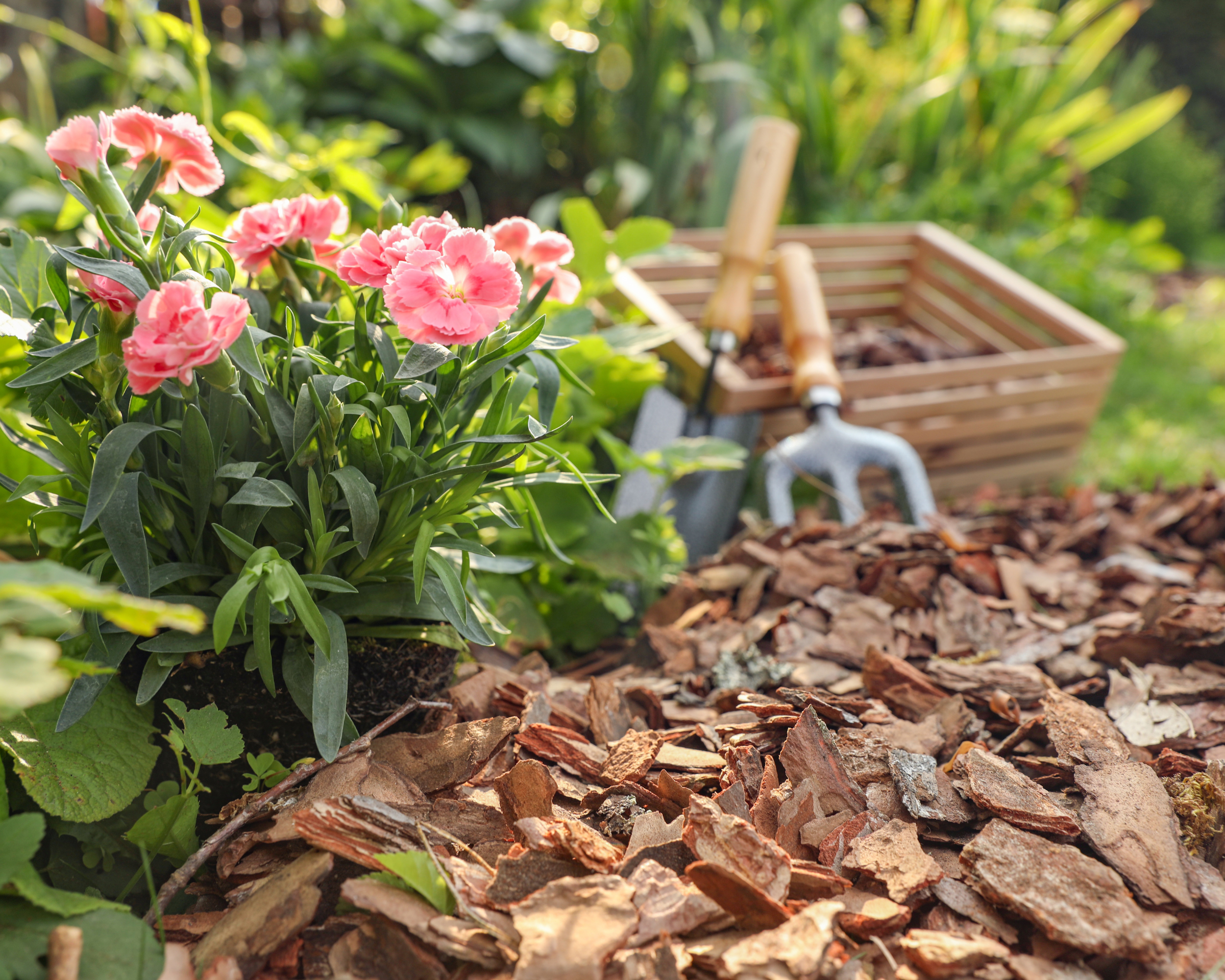
As we celebrate Earth Day, it's an important reminder of our collective responsibility towards fostering a healthier planet. This special day serves as an opportunity to reflect on our environmental practices and how we can incorporate more earth-friendly habits into our daily lives. One impactful way to contribute to this global initiative is by transforming our own yards into spaces that not only bring us joy but also benefit the environment. By integrating sustainable gardening practices, we contribute to a greener, more resilient ecosystem right from our homes. In this guide, we'll explore how you can make climate-friendly changes to your garden by incorporating rain barrels, practicing organic planting, and filling your garden with native plant varieties.
Make Every Drop Count with Rain Barrels
Rainwater is a resource too precious to waste. Setting up a rain barrel is a simple act with profound effects on the health of your garden and the planet.
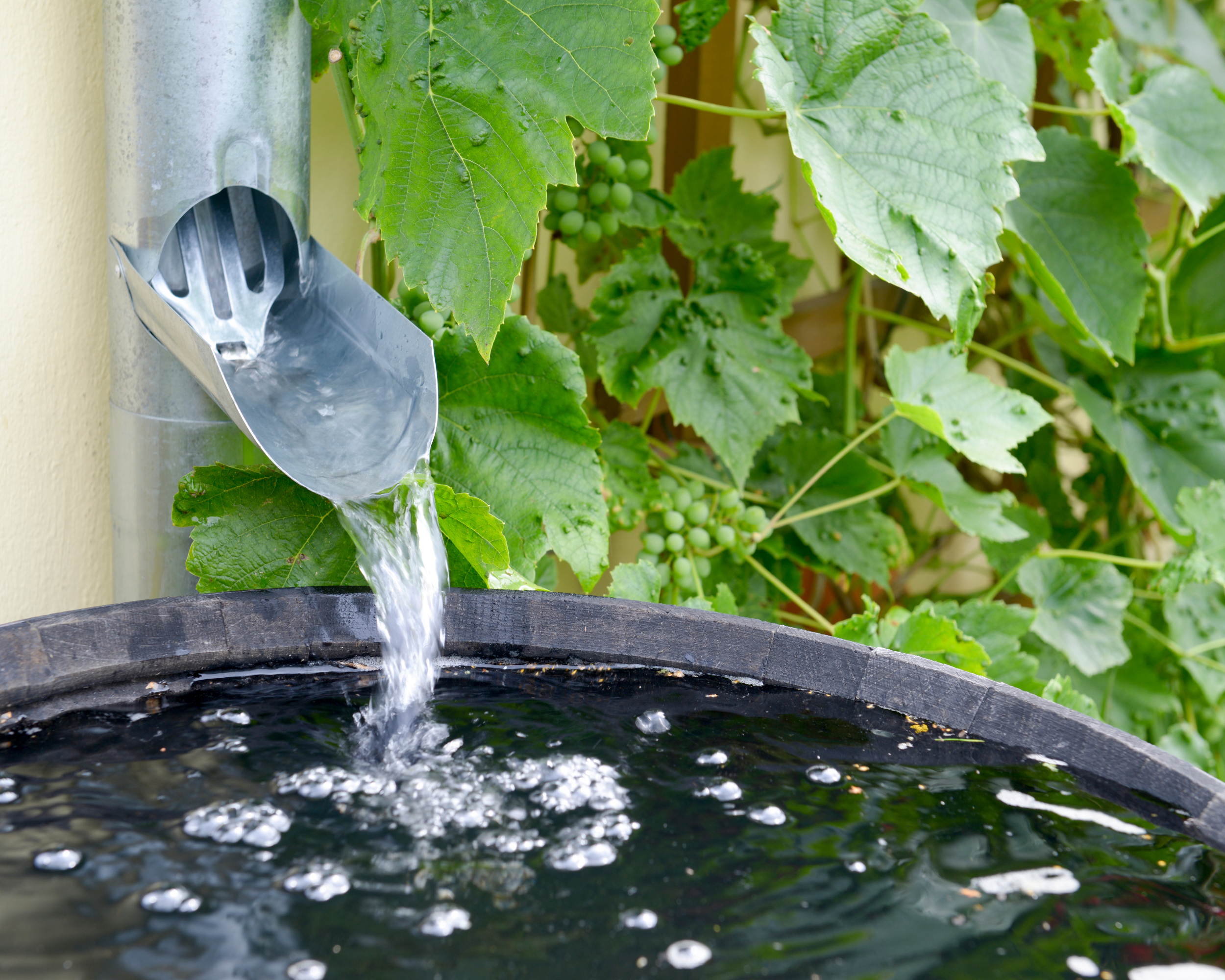
A rain barrel is essentially a water collection system that captures and stores rainwater from your roof, typically through your downspouts, for later use in your garden. It's an efficient, eco-friendly method to conserve water, reducing your reliance on municipal water systems, which is crucial during drought conditions or water usage restrictions. Using rainwater for your garden not only helps in saving on your water bill but also provides your plants with soft, untreated water free of chlorine and other chemicals found in tap water. This practice supports sustainable water management and promotes a healthier, more vibrant garden ecosystem.
To get started, position a rain barrel beneath a downspout from your roofline. This will help harness rainwater which would otherwise be lost to runoff. Opt for a barrel with a secure lid to keep out debris and insects, such as mosquitoes. When your barrel is filled, use the water for your plants and lawn, significantly reducing your household's freshwater consumption. You can also use this water to clean your garden tools, water your indoor plants or even wash your car.
Tending Soil with Organic Planting Practices
Adopting organic planting practices is an incredible way to support a vibrant ecosystem right in your garden beds. Begin with no-till gardening methods that preserve soil structure, maintain moisture levels, and protect the intricate web of life underground.
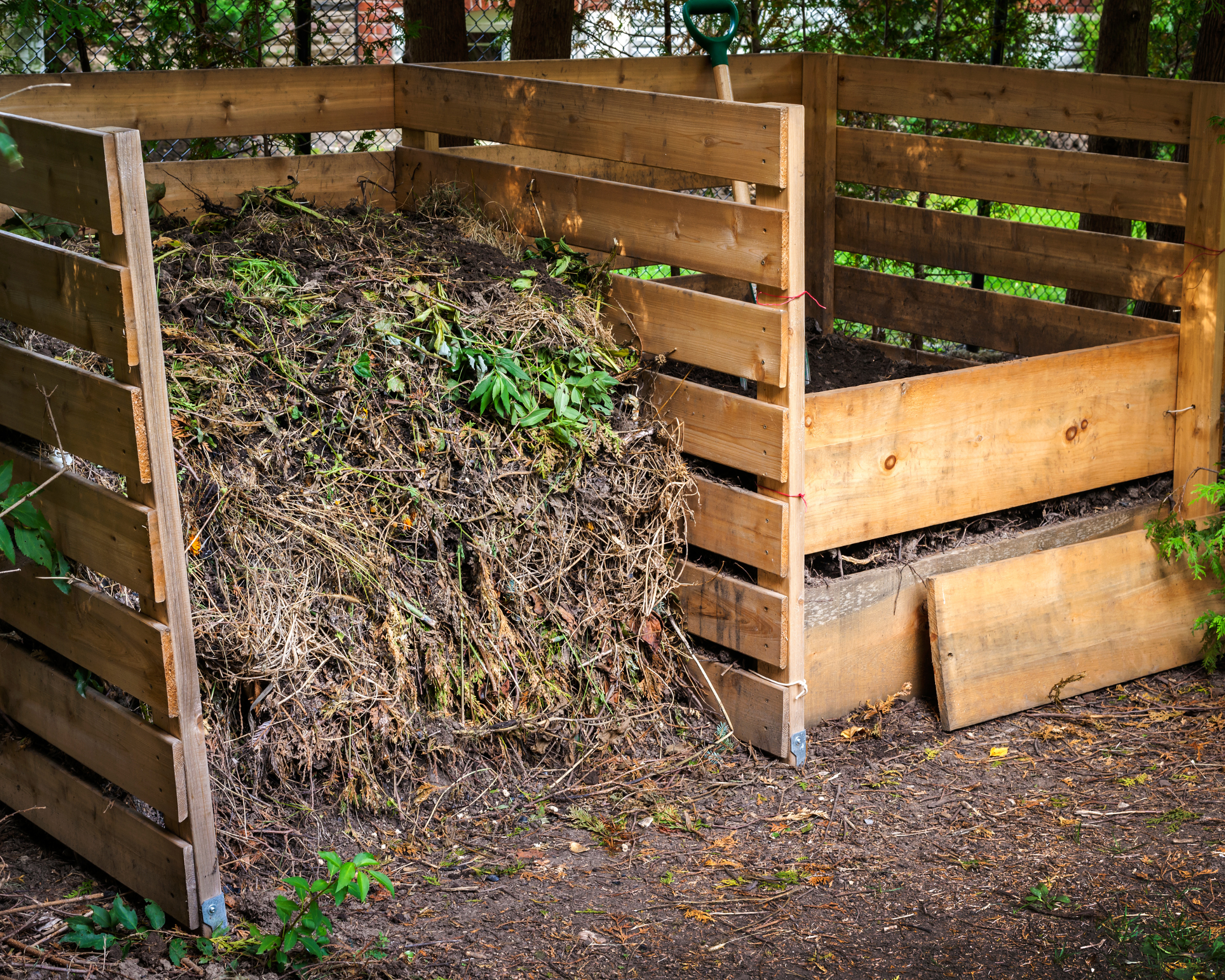
No-till gardening is a sustainable approach that involves leaving the soil undisturbed, allowing it to maintain its natural composition and biodiversity. Instead of tilling or turning the soil, organic matter such as compost, leaves, and grass clippings are added directly on top. This layer of organic matter gradually decomposes, enriching the soil with nutrients, enhancing its structure, and promoting the health of beneficial microorganisms and earthworms. By avoiding disruption, no-till practices help to prevent soil erosion, improve water retention, and reduce the carbon footprint associated with traditional gardening techniques. This method not only conserves the soil's integrity but also fosters a rich, living soil that supports healthier plant growth.
Mulching with compost is a simple yet effective organic gardening practice that significantly benefits the soil and plants. To mulch with compost, start by creating or sourcing high-quality compost rich in organic matter. Spread a layer of compost about 2 to 4 inches thick around the base of your plants, extending out to the drip line if possible. It's important to leave a small space around the stem of each plant to prevent moisture from accumulating directly against it, which could cause rot or disease. The compost mulch will slowly break down, integrating with the topsoil and releasing nutrients gradually into the soil. This not only enriches the soil but also helps to retain moisture, suppress weeds, and regulate soil temperature, creating an optimal growing environment for your garden plants.
Back to Roots with Native Varieties
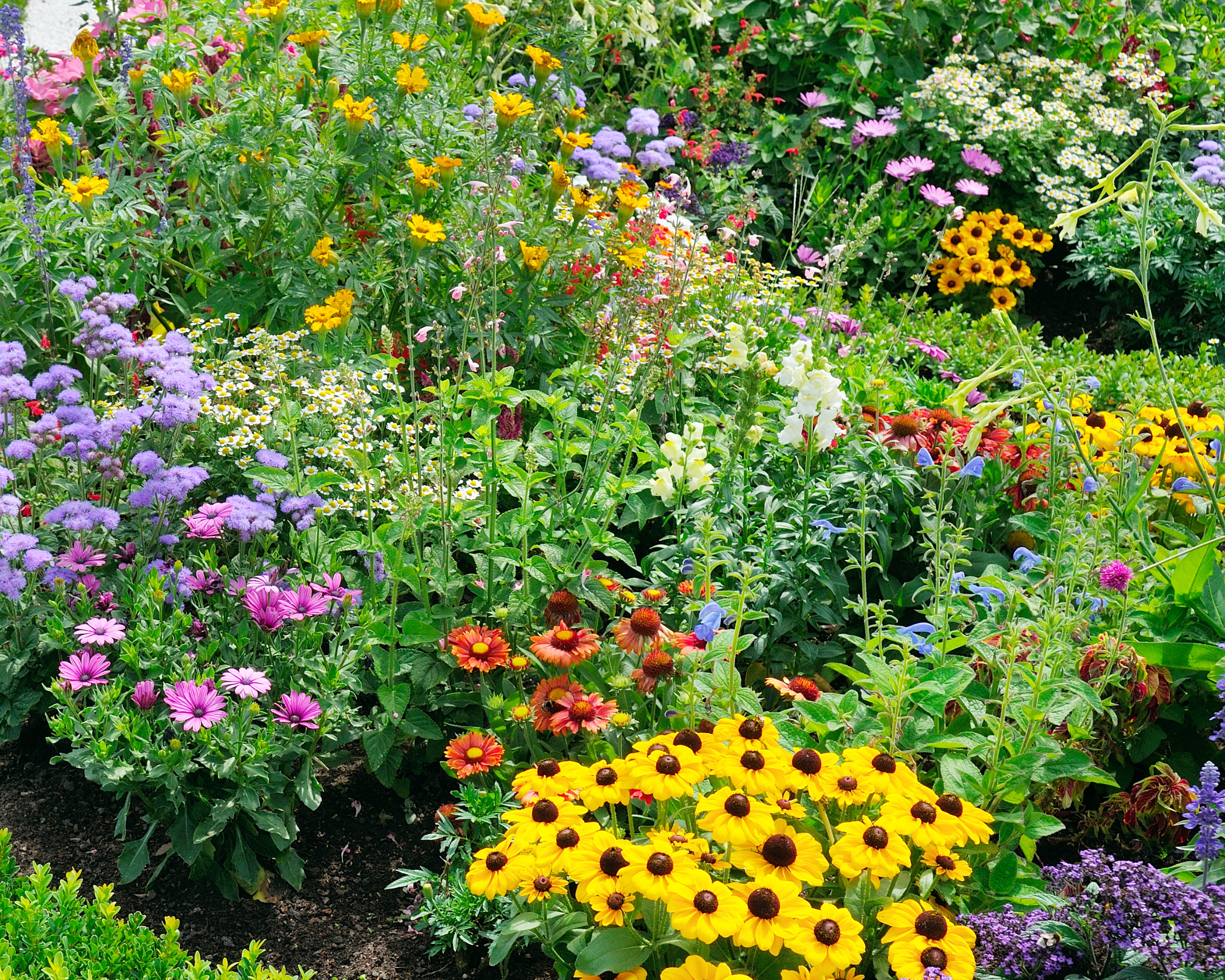
Incorporating native varieties into your garden design isn't just an aesthetic choice—it's a climate-wise action. Native plants are adapted to your local environment, meaning they require less water and are more resistant to local pests and diseases.
Choosing native varieties not only reduces the maintenance required but also supports local wildlife, including birds, bees, and butterflies, by providing them with necessary habitats and food sources. These plants contribute to the biodiversity of the area, strengthening ecosystem resilience and promoting a balanced, natural environment. Additionally, native plants have a unique ability to thrive in their natural habitat, which means they often flourish with minimal intervention, making them an excellent option for gardeners looking for sustainable and low-effort gardening solutions.
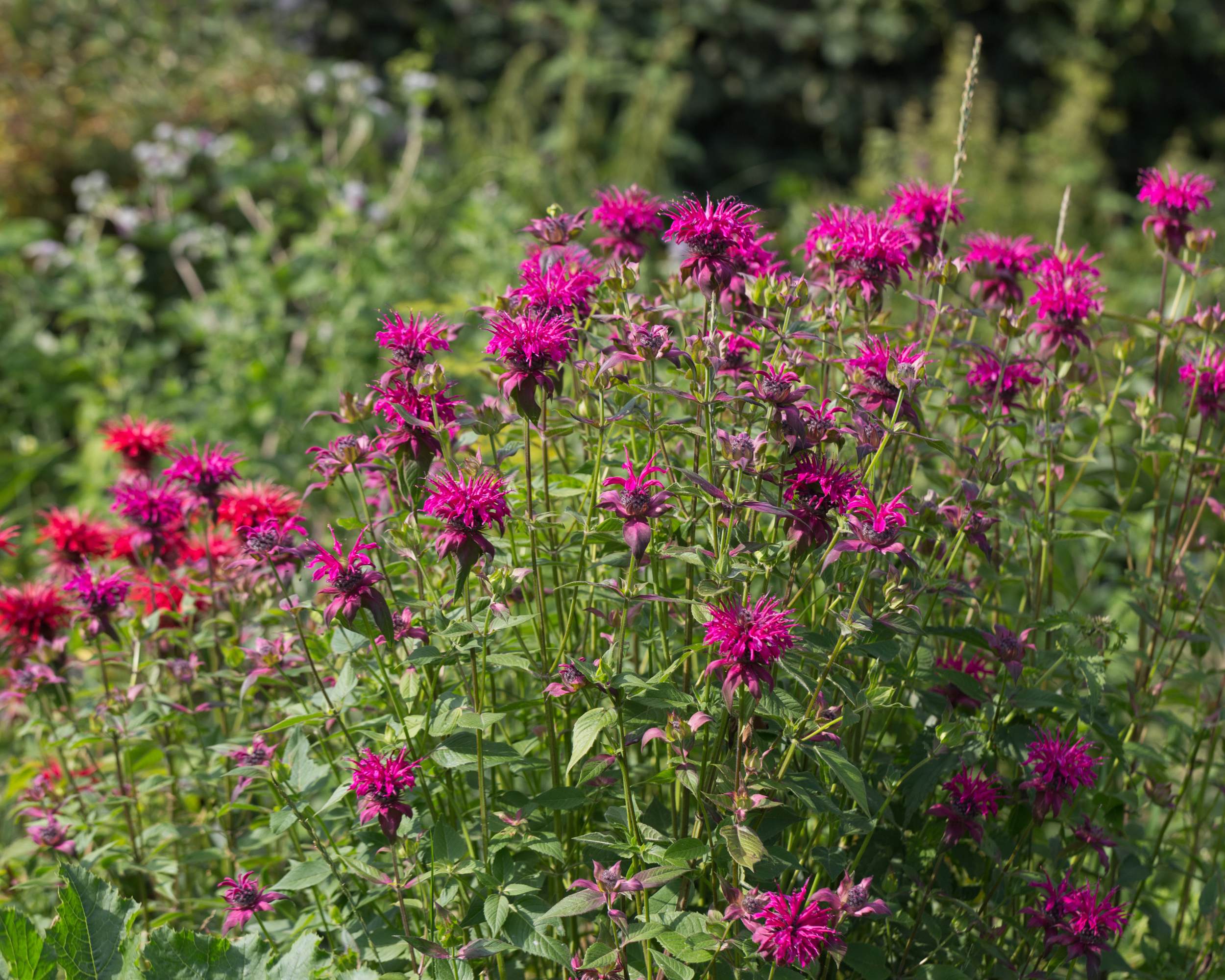
Bee Balm (Monarda)
Native Perennials
Black-Eyed Susan (Rudbeckia hirta)
Purple Coneflower (Echinacea purpurea)
Butterfly Weed (Asclepias tuberosa)
Wild Bergamot (Monarda fistulosa)
Columbine (Aquilegia canadensis)
Joe-Pye Weed (Eutrochium purpureum)
New England Aster (Symphyotrichum novae-angliae)
Blazing Star (Liatris spicata)
Cardinal Flower (Lobelia cardinalis)
Blue Wild Indigo (Baptisia australis)
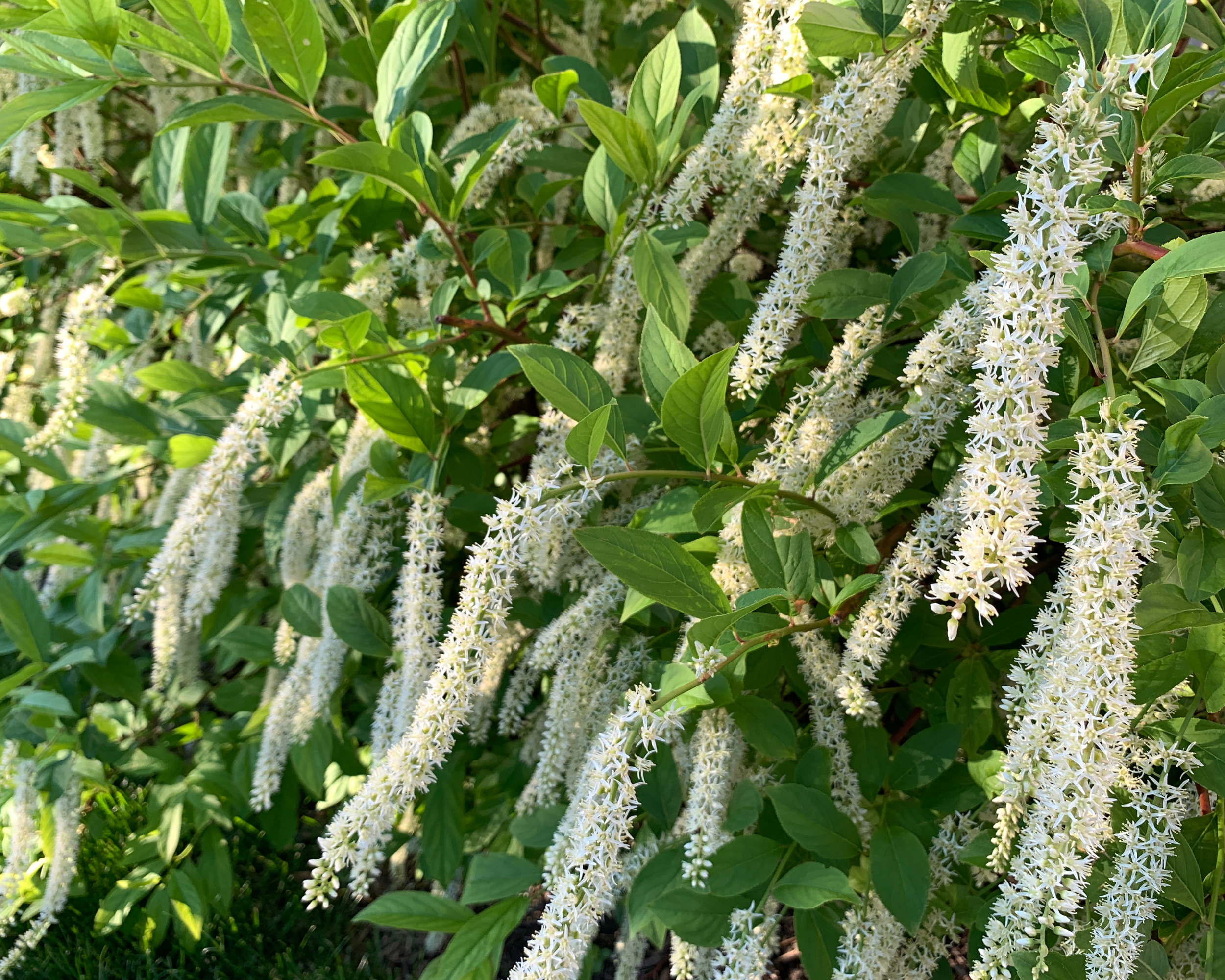
Virginia Sweetspire (Itea virginica)
Native Shrubs
Spicebush (Lindera benzoin)
Red Osier Dogwood (Cornus sericea)
Buttonbush (Cephalanthus occidentalis)
American Elderberry (Sambucus canadensis)
Witch Hazel (Hamamelis virginiana)
Sweetshrub (Calycanthus floridus)
Virginia Sweetspire (Itea virginica)
Ninebark (Physocarpus opulifolius)
Black Chokeberry (Aronia melanocarpa)
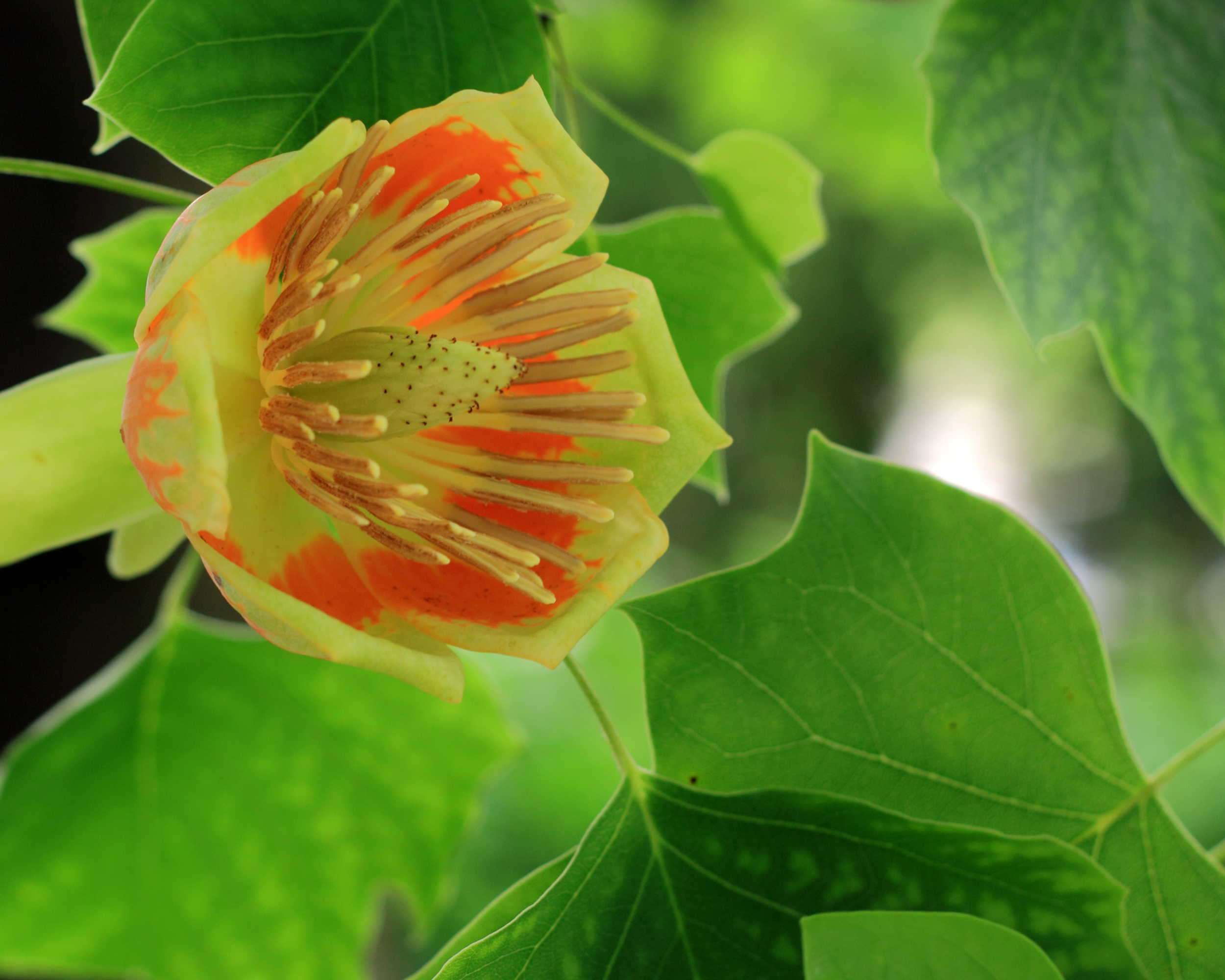
Tulip Tree (liriodenron tulipifera)
Native Trees for Growing Zones 5 and 6
American Beech (Fagus grandifolia)
Eastern Redbud (Cercis canadensis)
White Oak (Quercus alba)
Sugar Maple (Acer saccharum)
Tulip Tree (Liriodendron tulipifera)
Bald Cypress (Taxodium distichum)
Bur Oak (Quercus macrocarpa)
Red Maple (Acer rubrum)
American Elm (Ulmus americana)
Sassafras (Sassafras albidum)
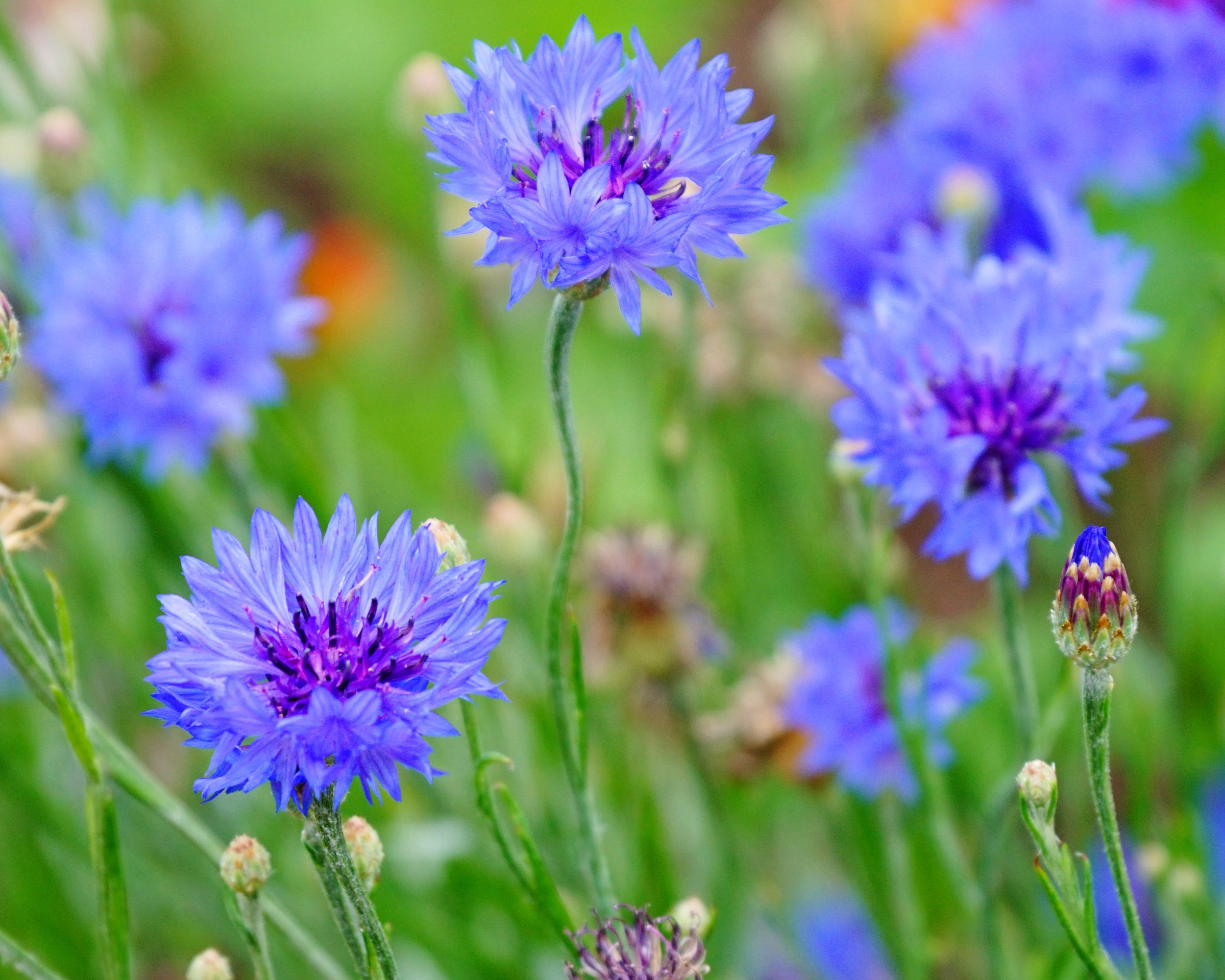
Bachelor Buttons (Centaurea cyanus)
Integrated Pest Management
Instead of using pesticides to get rid of unwanted garden pests, consider using integrated pest management techniques.
Integrated Pest Management (IPM) is a comprehensive approach to pest control that emphasizes the use of various sustainable and environmentally sensitive practices. It involves assessing and understanding the ecosystem to manage pests in the most efficient and least harmful way. The strategy includes monitoring and identifying pests accurately to make informed decisions about whether pest control is needed. When action is necessary, IPM combines biological, cultural, physical, and chemical tools to minimize risk to human health, beneficial organisms, and the environment. This method aims not just to eliminate pests, but to maintain ecological balance, reducing the need for harsh chemical interventions.
Conclusion
By following these environmentally-friendly tips for gardening, you can make a positive impact on the planet while still enjoying a beautiful outdoor space. So why not start incorporating some of these practices into your gardening habits today? Not only will you be contributing to a healthier environment, but you'll also have the satisfaction of knowing your garden is thriving because of your mindful efforts. Remember, every small step towards eco-friendly gardening makes a significant difference in preserving our planet's biodiversity and promoting a sustainable future for the generations to come. Happy gardening!