
My Favorite Plants for Early Spring
Spring signifies new beginnings, and what better than a garden full of flowers to capture its spirit? For those enduring long, cold winters, spring's arrival feels like a grand opening party. Early blooming flowers like daffodils, tulips, and cherry blossoms are universally adored, signaling the onset of warmer days. Here are some of my favorite perennials, shrubs, bulbs, and trees that announce spring's arrival.
Shrubs & Perennials
Spring is the perfect time to add a burst of color and life to your garden with beautiful shrubs and perennials. These plants offer a low-maintenance way to enhance your outdoor space, providing vibrant blooms and foliage year after year.
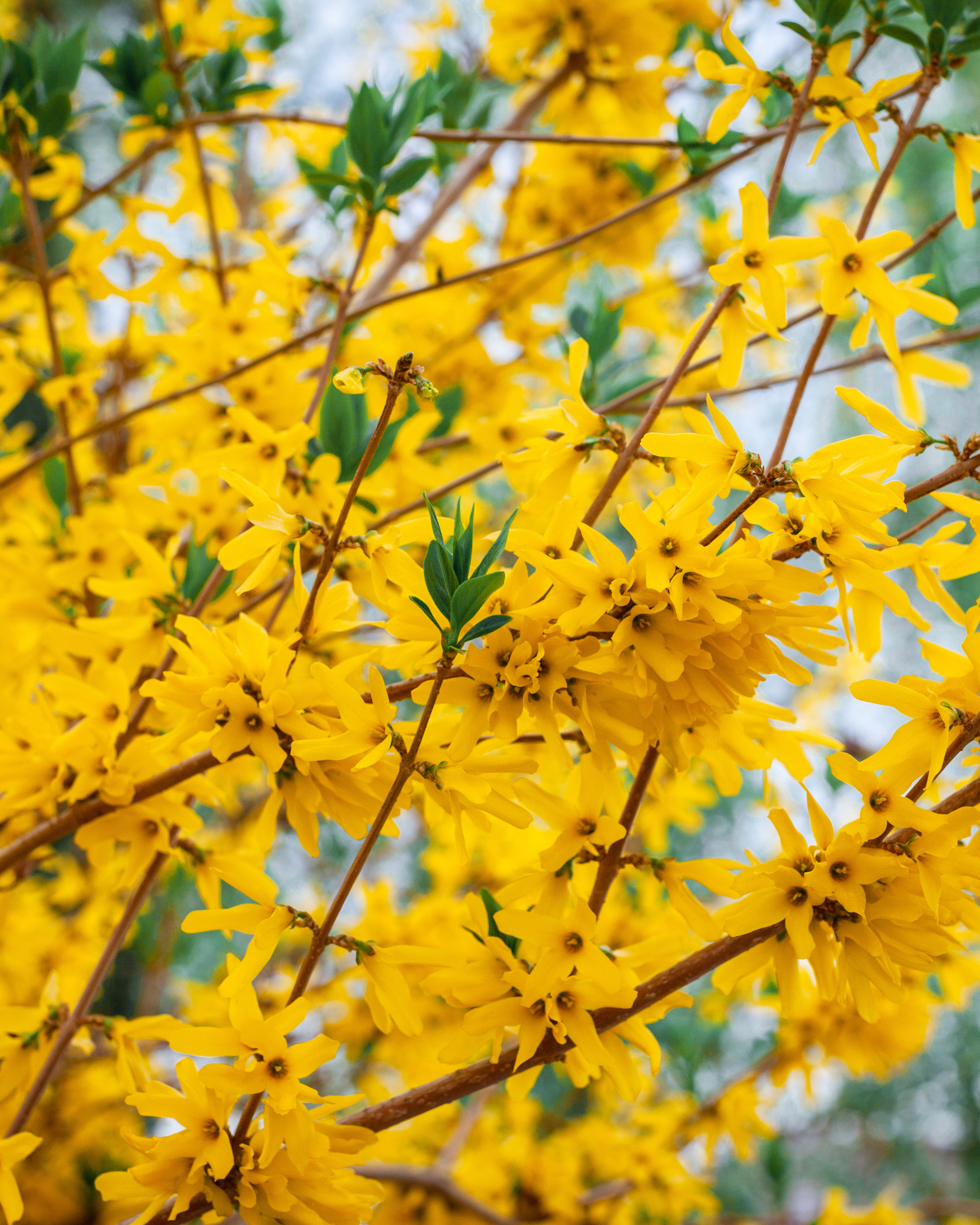
Forsythia- flowering shrub
Forsythia
Latin Name: Forsythia spp.
Popular Varieties: Forsythia x intermedia, Forsythia ‘Northern Sun’
Mature size: Varies by variety, typically 6-10 feet tall and wide
Description: Known for their vibrant yellow flowers, forsythias are one of the first harbingers of spring. These hardy shrubs are easy to grow and are prized for their arching branches, which are covered in golden blooms before the leaves emerge.
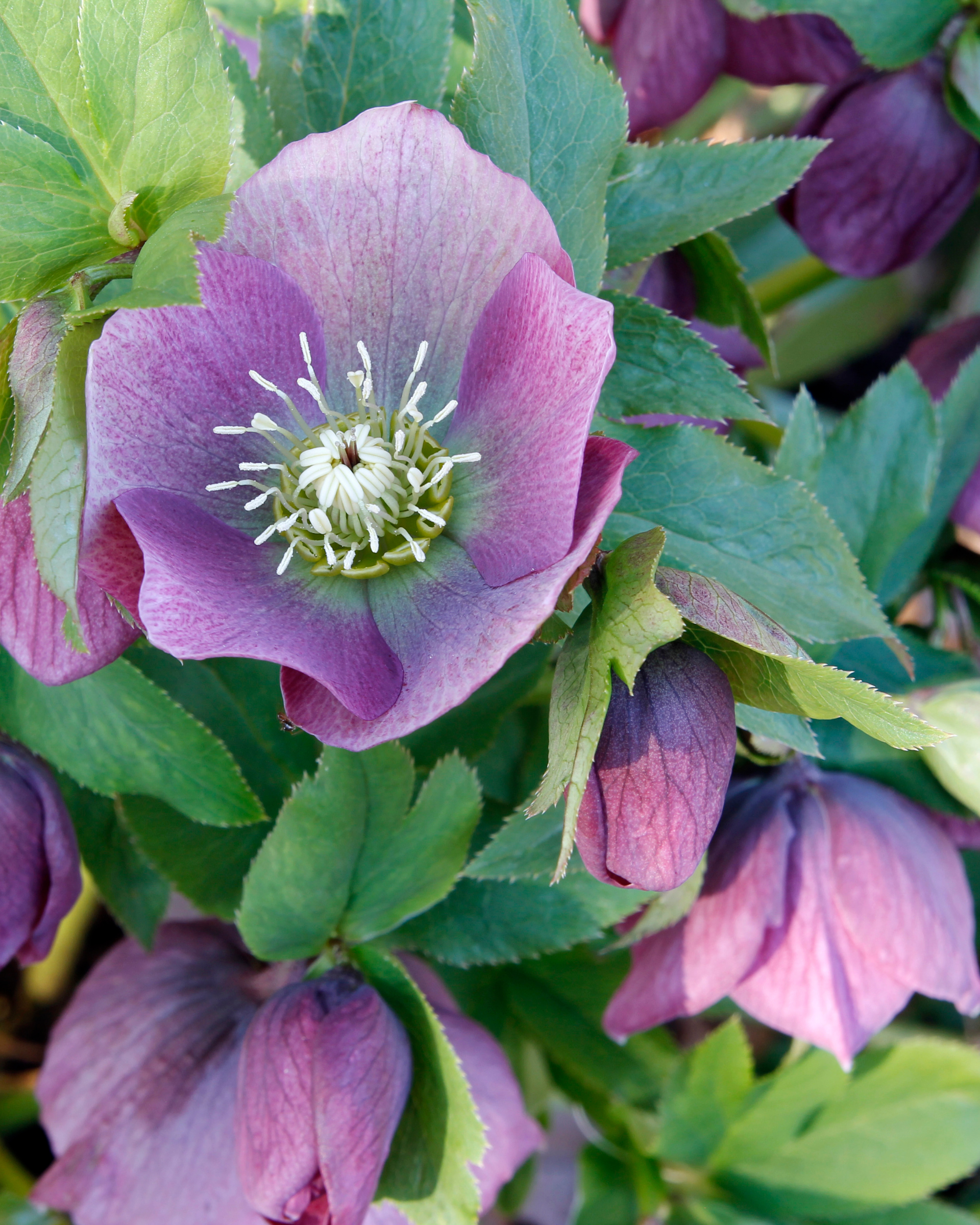
hellebore- flowering perennial
Hellebore
Latin Name: Helleborus spp.
Popular Varieties: Helleborus species hybridus, Helleborus niger
Mature size: Varies by variety, often 1-2 feet tall and wide
Description: Often called the Christmas or Lenten rose, the hellebore is a perennial that blooms in early spring with flowers that can range from white to pink, red, or purple. They are shade-loving and evergreen, providing interest throughout the year.
Bulbs
Bulbs are a fascinating part of gardening that add beauty and charm to any garden space. These underground storage organs contain all the essentials needed for a plant to grow and bloom, making them a popular choice for both beginner and experienced gardeners alike. Coming in a wide variety of shapes, sizes, and colors, bulbs offer a burst of color when everything else seems dull and lifeless.
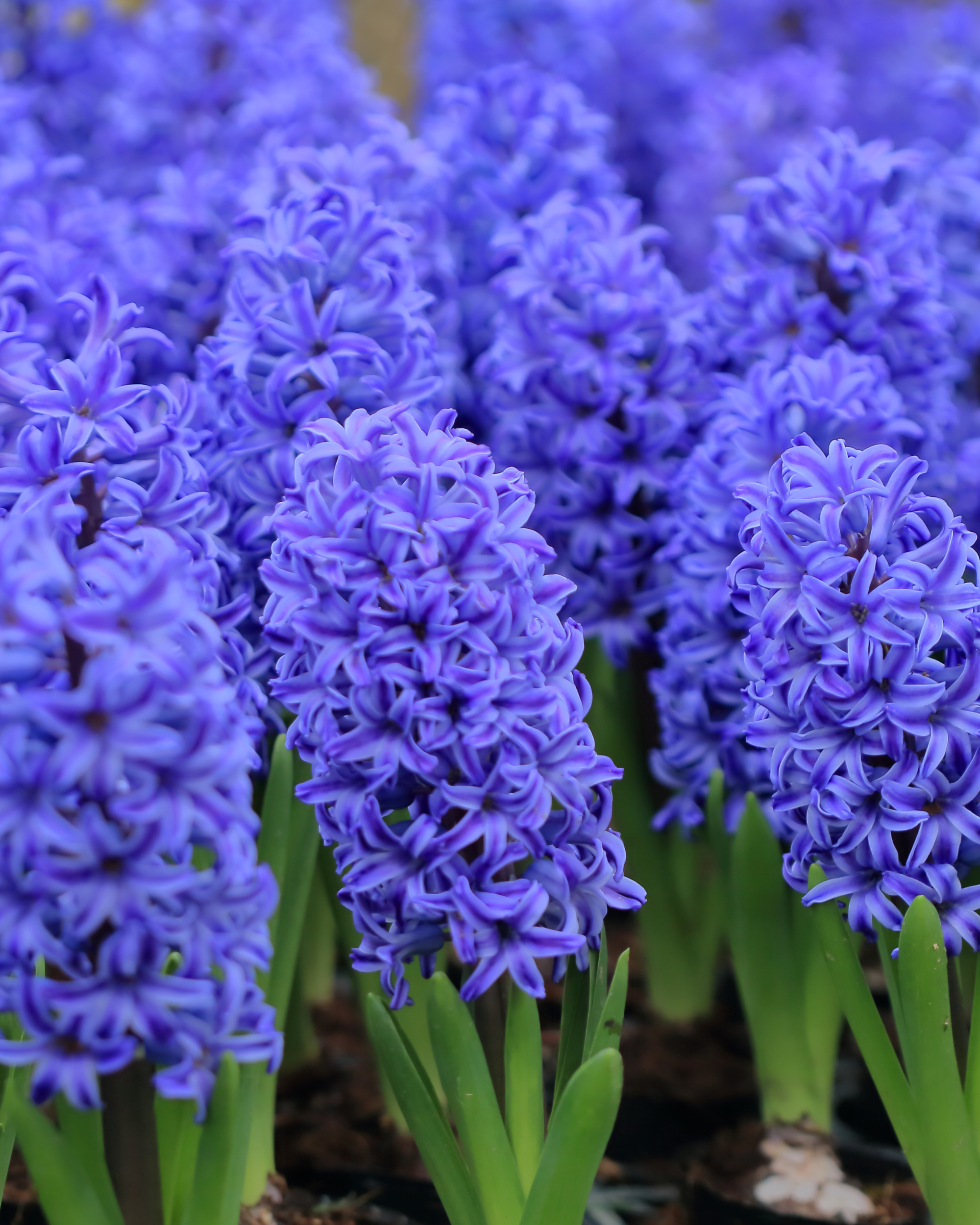
hyacinth- perennial bulb
Hyacinth
Latin Name: Hyacinthus spp.
Popular Varieties: Hyacinthus orientalis
Mature size: Up to 12 inches tall
Description: The hyacinth is well-loved for its intensely fragrant, bell-shaped flowers that come in a variety of colors, including blue, purple, pink, and white. They are often used in borders, rock gardens, or in containers to enjoy their scent up close. If you happen to get one as a gift, stick it in the ground after it’s done blooming! It will come back year after year. Talk about a gift that keeps on giving!
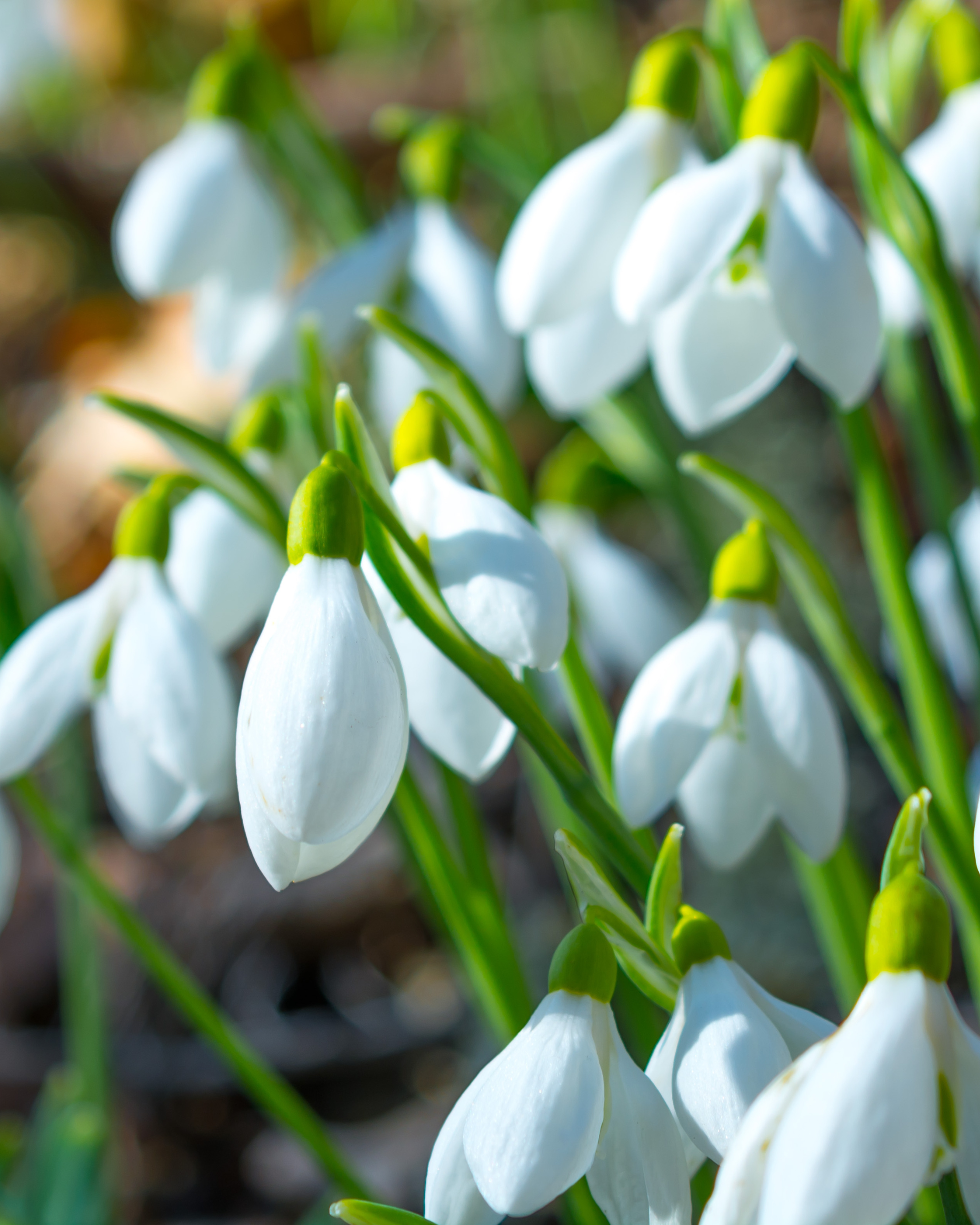
snowdrops- perennial bulb
Snowdrops
Latin Name: Galanthus spp.
Popular Varieties: Galanthus nivalis, Galanthus elwesii
Mature size: Around 6 inches tall
Description: Snowdrops are one of the earliest bulbs to bloom, often popping up through the snow. Their dainty, white bell-shaped flowers are a welcome sight in late winter to early spring. They have a sweet fragrance and are often found growing in clusters, making for a beautiful display. These small bulbs grow to be around 6 inches tall and prefer partial shade or dappled sunlight.
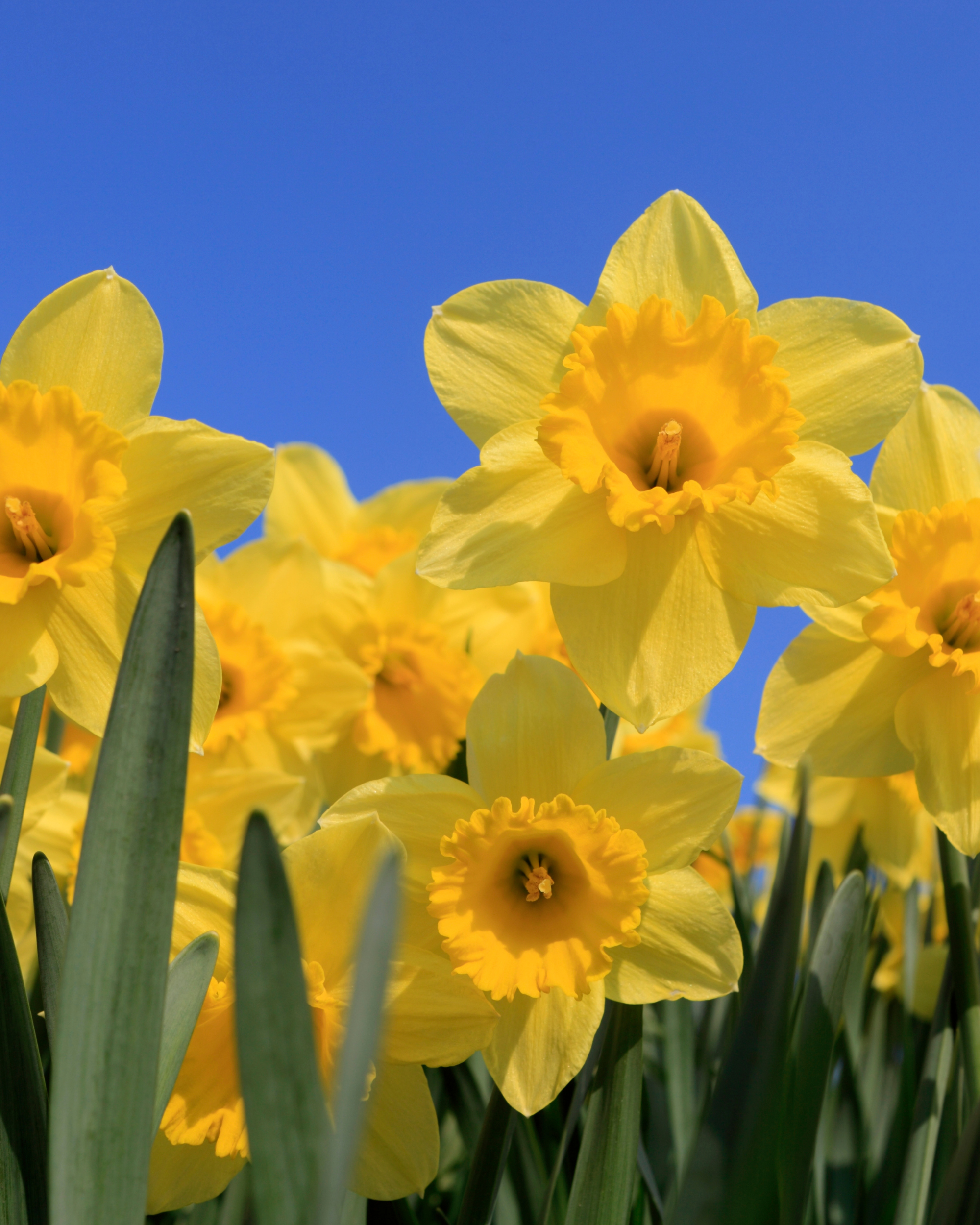
daffodil- flowering bulb
Daffodils
Latin Name: Narcissus spp.
Popular Varieties: Narcissus 'Tete-a-tete', Narcissus 'King Alfred'
Mature size: Up to 2 feet tall
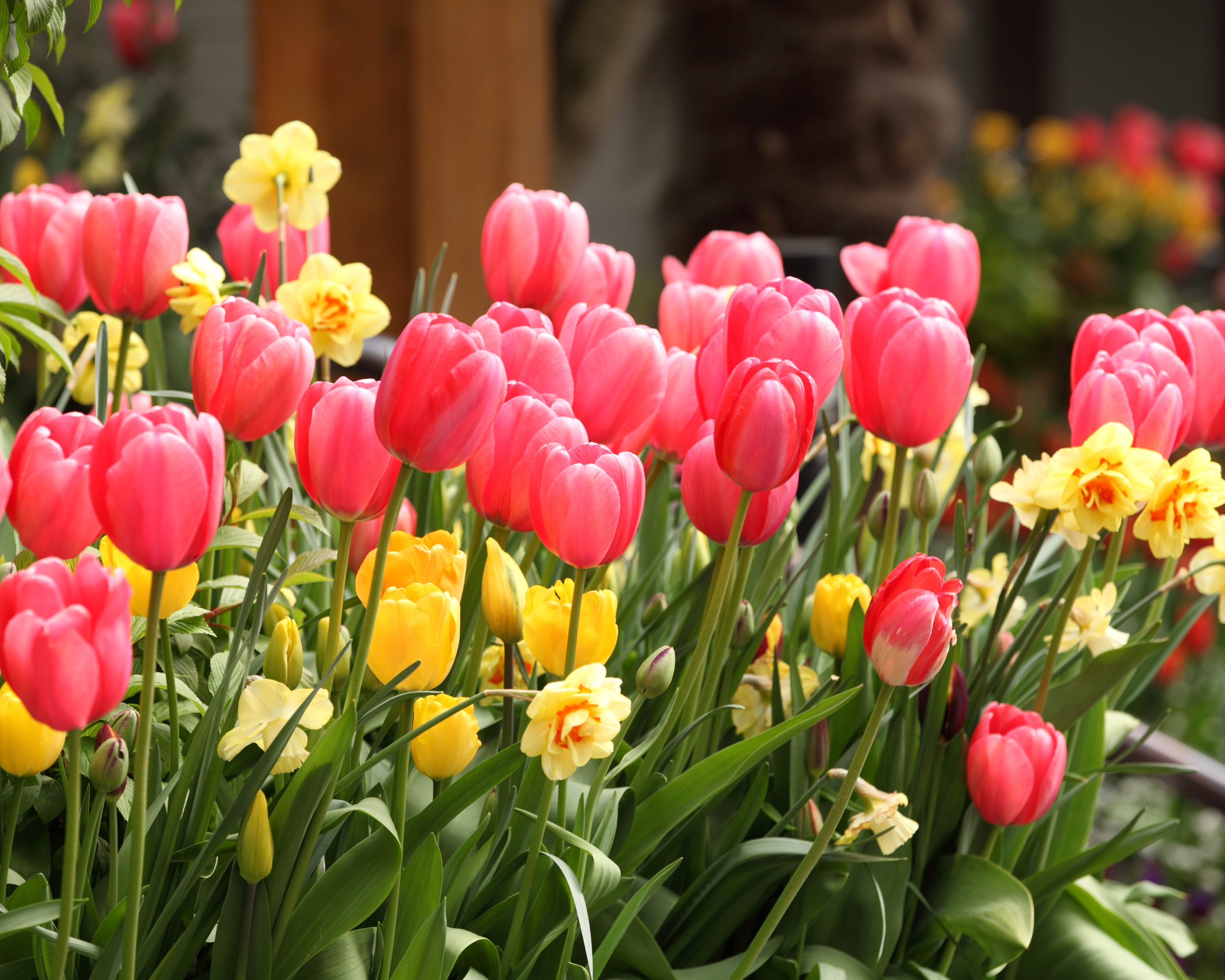
Description: Daffodils are a classic addition to any spring garden. They are deer-resistant and naturalize easily, coming back to multiply and bloom year after year with their yellow, white, or orange blossoms. You can purchase a combination of early, mid, and late spring blooming varieties to season-long beauty.
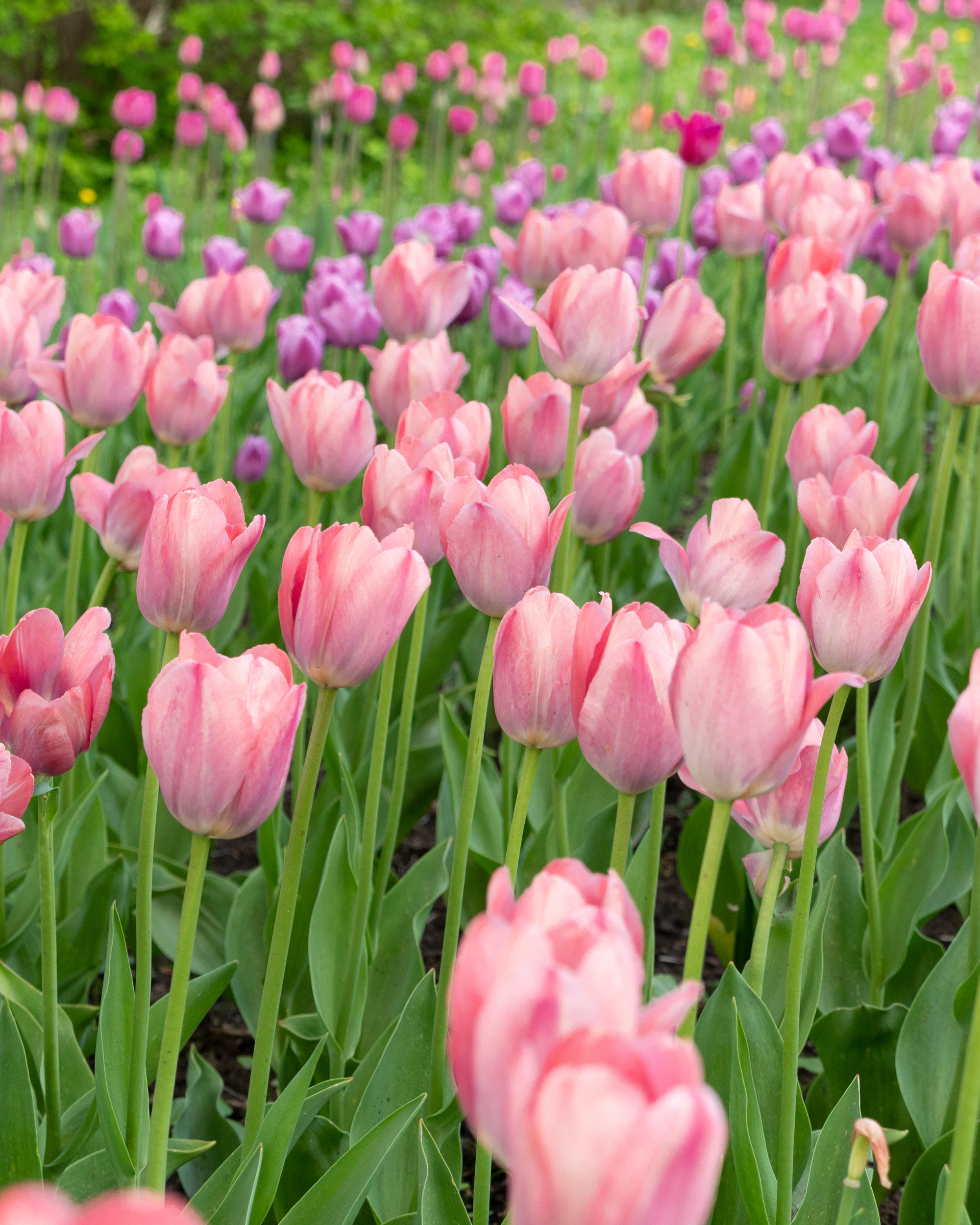
tulips- flowering bulb
Tulips
Latin Name: Tulipa spp.
Popular Varieties: Single Early, Triumph, Darwin Hybrid
Mature size: Varies by variety, typically 6-24 inches tall
Description: With their wide range of colors and forms, tulips are a must-have for any garden. They bloom in mid to late spring but can be one of the first to appear in your garden, depending on the variety. The downside? They are a favorite of deer and rabbits. Try growing them in tall pots on your deck or porch to keep them away from hungry wildlife!
Trees
These trees, with their captivating beauty and sweet fragrances, are a hallmark of the spring season. They are a favorite among home gardeners and landscaping enthusiasts, adding visual interest and charm to any outdoor space.
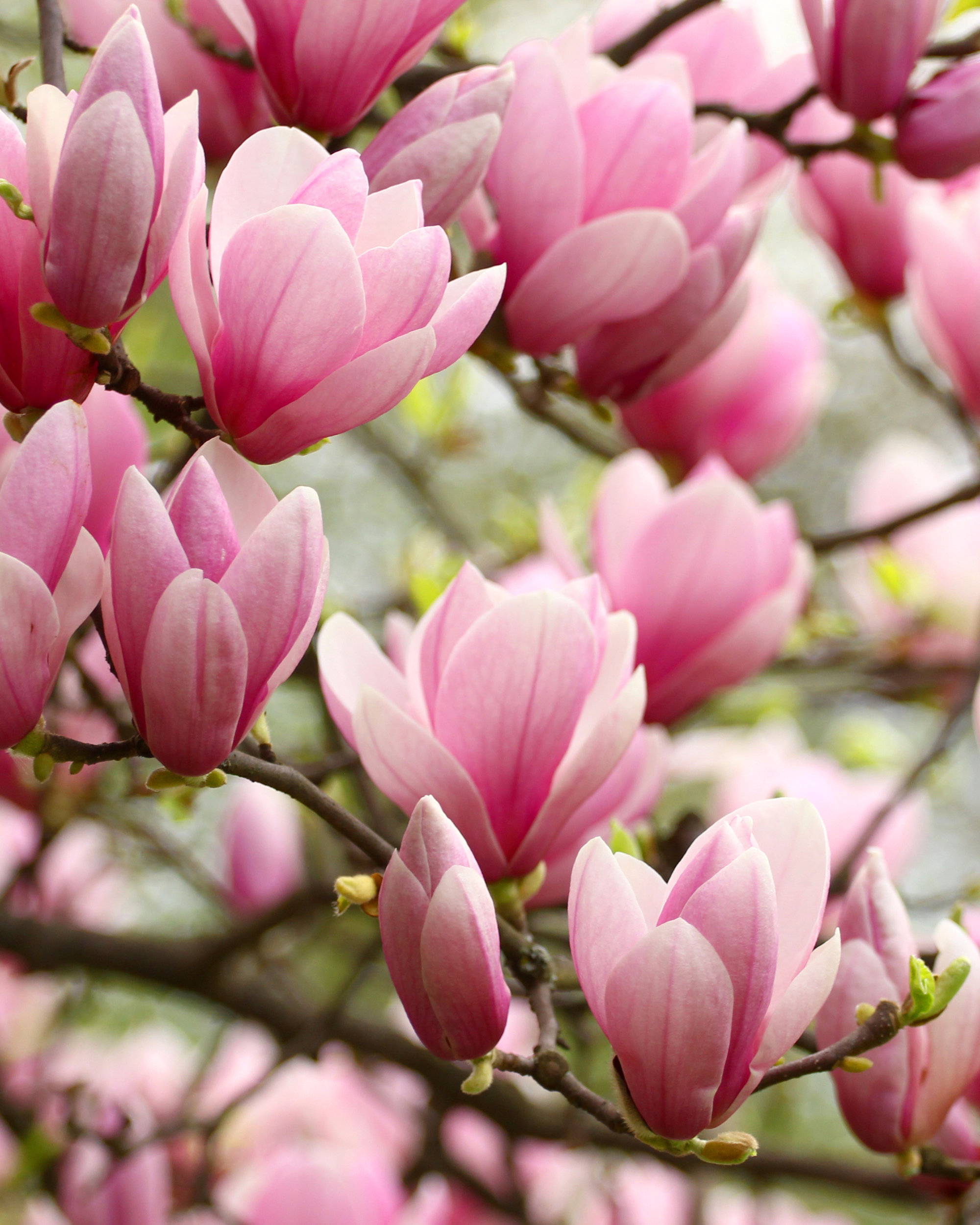
Magnolia- flowering tree
Magnolia
Latin Name: Magnolia spp.
Popular Varieties: Magnolia stellata, Magnolia × soulangeana
Mature size: Varies by variety, typically 15-25 feet tall and wide
Description: Magnolias are known for their large, fragrant blooms that range from white to pink and purple, depending on the variety. They are a stunning addition to the landscape and are often the stars of the early spring garden.
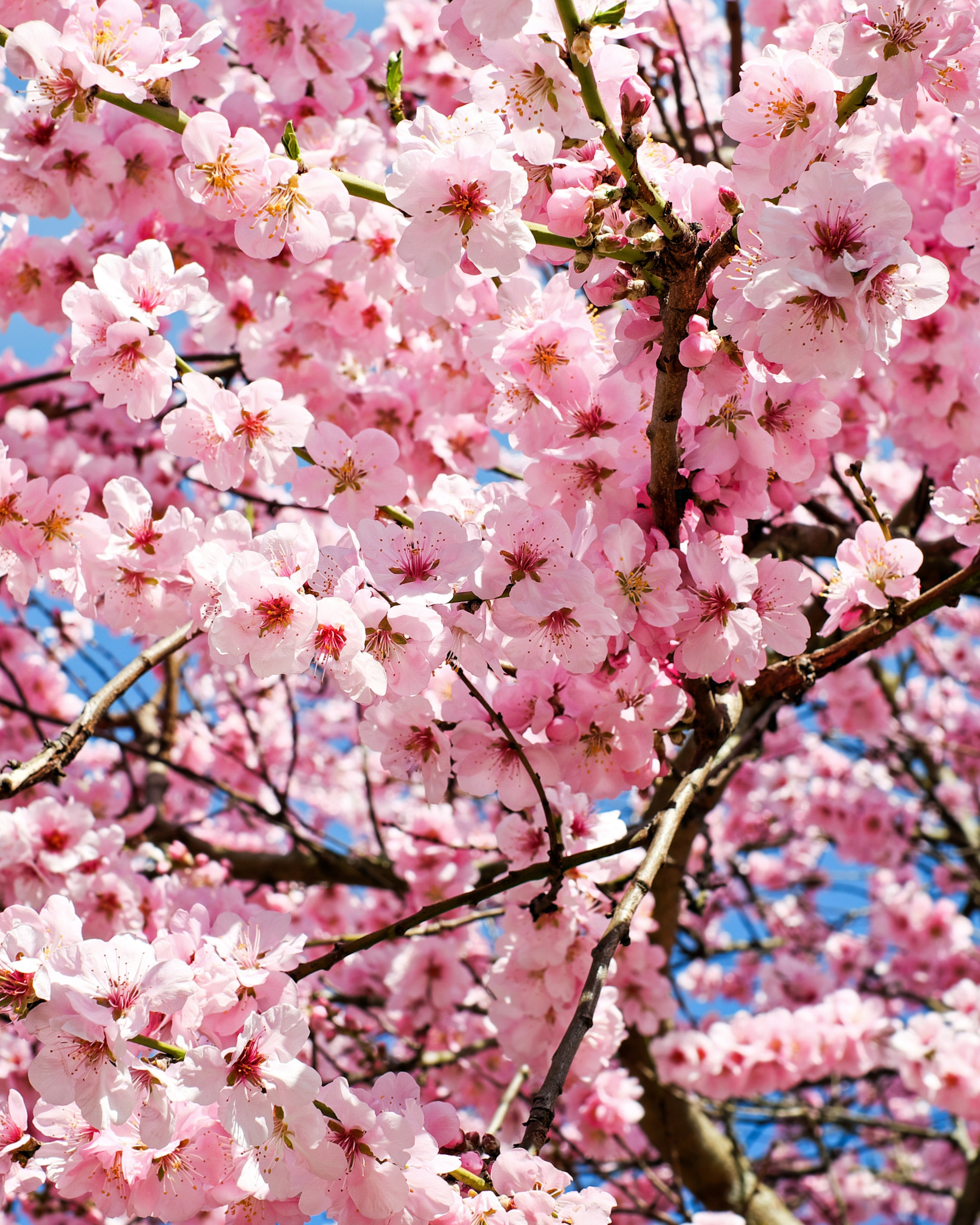
Cherry tree in bloom
Cherry
Latin Name: Prunus spp.
Popular Varieties: Prunus serrulata ‘Kanzan’, Prunus avium
Mature size: Varies by variety, typically 15-30 feet tall
Description: Cherries are celebrated for their clouds of pink or white flowers that herald the spring. Some cherry trees, such as the 'Kwanzan', produce double flowers, adding extra charm to their bloom.
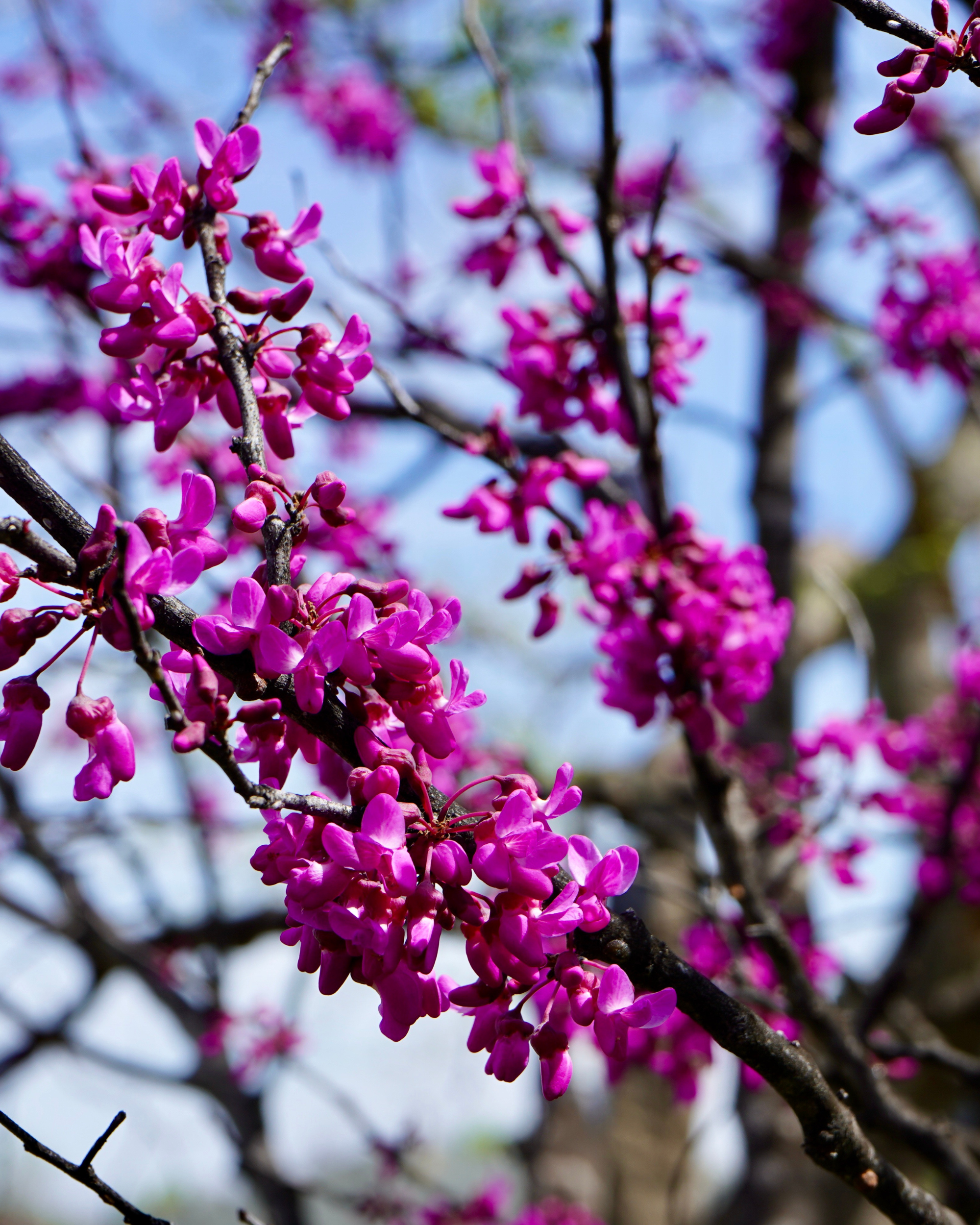
Redbud tree in bloom
Redbud
Latin Name: Cercis canadensis
Popular Varieties: Cercis canadensis var. texensis, Cercis canadensis 'Forest Pansy'
Mature size: 20-30 feet tall and wide
Description: Redbuds are small trees that produce clusters of pink or purple flowers directly on their trunks and branches, creating a unique and eye-catching display. They are also known for their heart-shaped leaves that follow their spring bloom. This is one of my favorite specimen/understory trees.
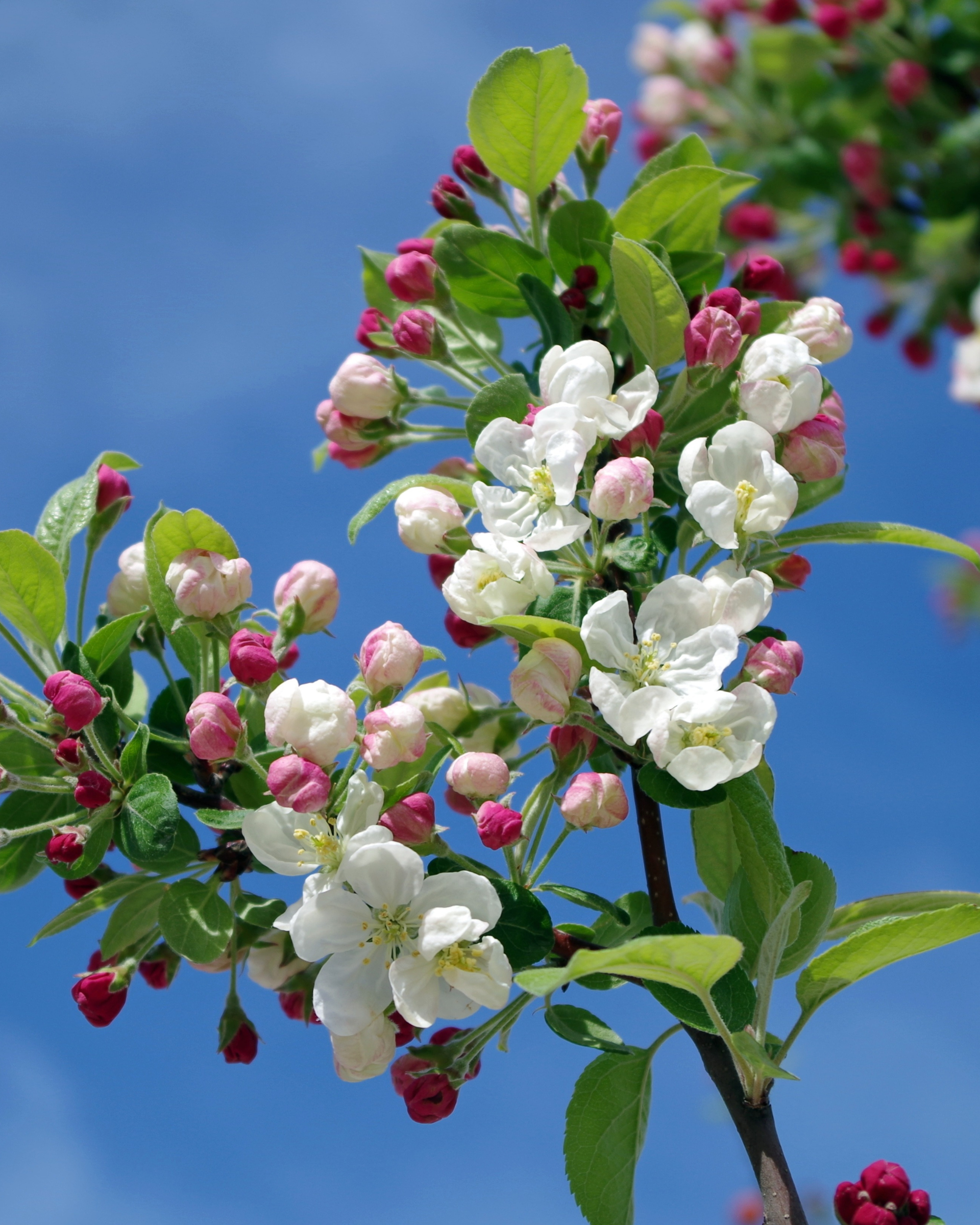
Apple tree in bloom
Apple
Latin Name: Malus spp.
Popular Varieties: Malus ‘Donald Wyman’, Malus ‘Purple Prince’
Mature size: Varies by variety, typically 12-25 feet tall and wide
Description: Apple trees are not only prized for their fruit but also for their beautiful white or pink blossoms. They make an excellent choice for an edible landscape and attract pollinators to your garden. Apples can be grown in a wide range of climates, making them a versatile tree for home gardeners. They are typically self-pollinating, but planting multiple varieties can increase fruit production.
Conclusion
Incorporating these early bloomers into your garden will ensure a stunning start to the spring season. Not only will they brighten your landscape after the long, dark winter months, but they also serve as an early food source for local pollinators and birds. I can’t think of a better way to welcome warm weather than by incorporating these classic beauties into your yard. Happy gardening!