

Don’t Rush it: A Guide to Spring Bed Prep
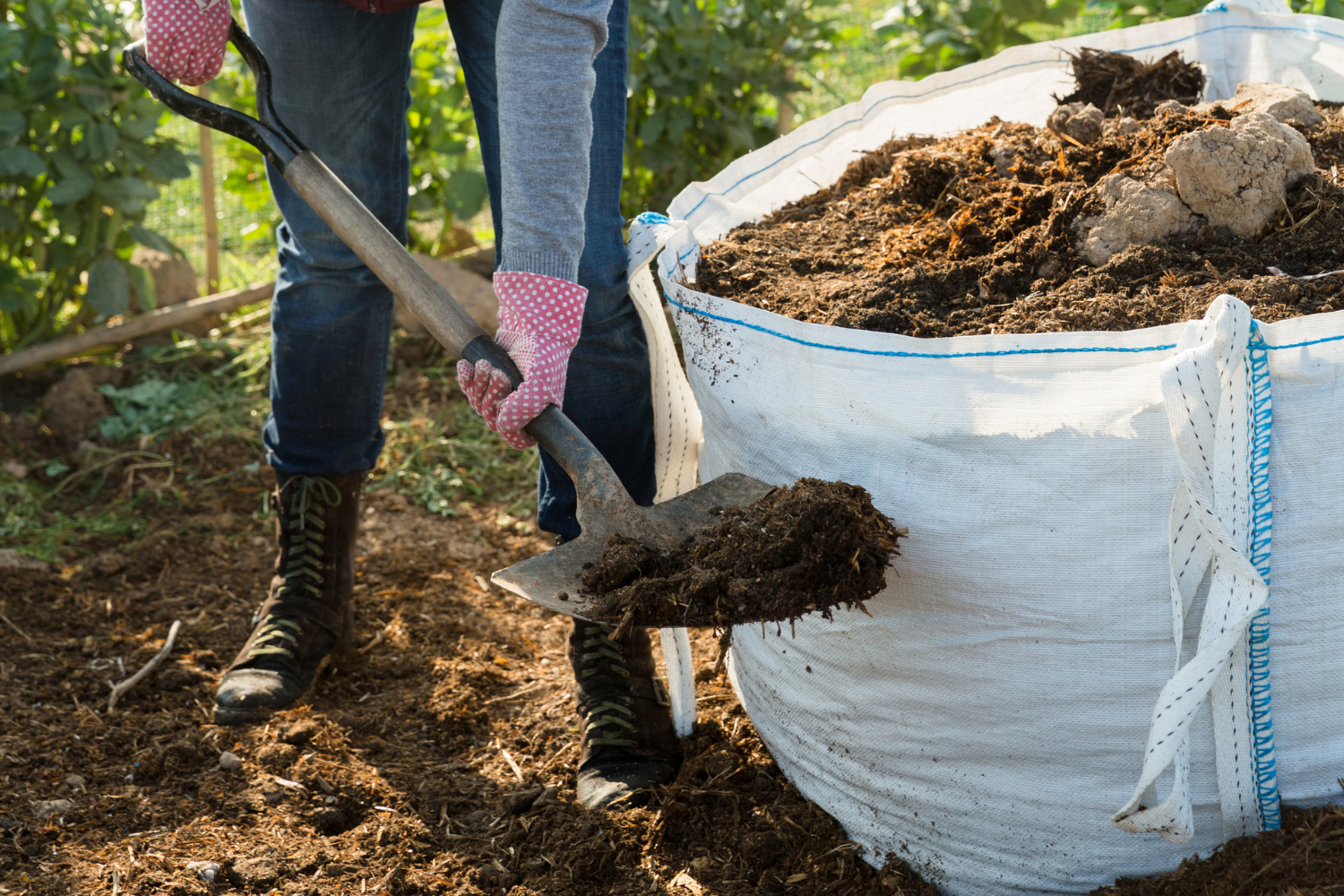
Every March, it happens. There's one warm weekend — maybe 58 degrees and sunny — and suddenly you're pulling on your garden gloves and heading outside with a rake. It feels so good to be out there after a long winter.
And then, two weeks later, it snows six inches.
If you've gardened in Western New York for any length of time, you know this story well. Our springs are beautiful, but they do not run on your schedule. The good news? Waiting a little longer to prep your beds isn't procrastinating — it's smart gardening. Here's how to read the signs and work with our WNY spring instead of against it.
Why Patience Pays Off
Working your garden beds too early — when the soil is still cold, wet, and compacted — can actually set you back. You'll compact the soil structure, damage emerging perennial roots you can't even see yet, and stress plants that aren't ready for disturbance.
The goal isn't to get outside as early as possible. The goal is to get outside at the right time.
Watch the Soil, Not the Calendar
Forget the date on the calendar. Your soil is a much better guide.
The Squeeze Test: Grab a handful of soil and squeeze it into a ball. Then poke it with your finger. If it crumbles apart easily — great, you're good to work. If it holds together like wet clay and smears, the soil is still too wet and cold. Working it now will destroy its structure and create hard clumps that plague you all season.
Soil Temperature: Most perennials and soil amendments do their best work when soil temps reach at least 45–50°F. In the Buffalo and greater WNY region, that typically doesn't happen consistently until late April or early May — even when the air feels warm. An inexpensive soil thermometer (under $15 at most garden centers) takes the guesswork out completely.
Know Your Frost Dates — and Respect Them
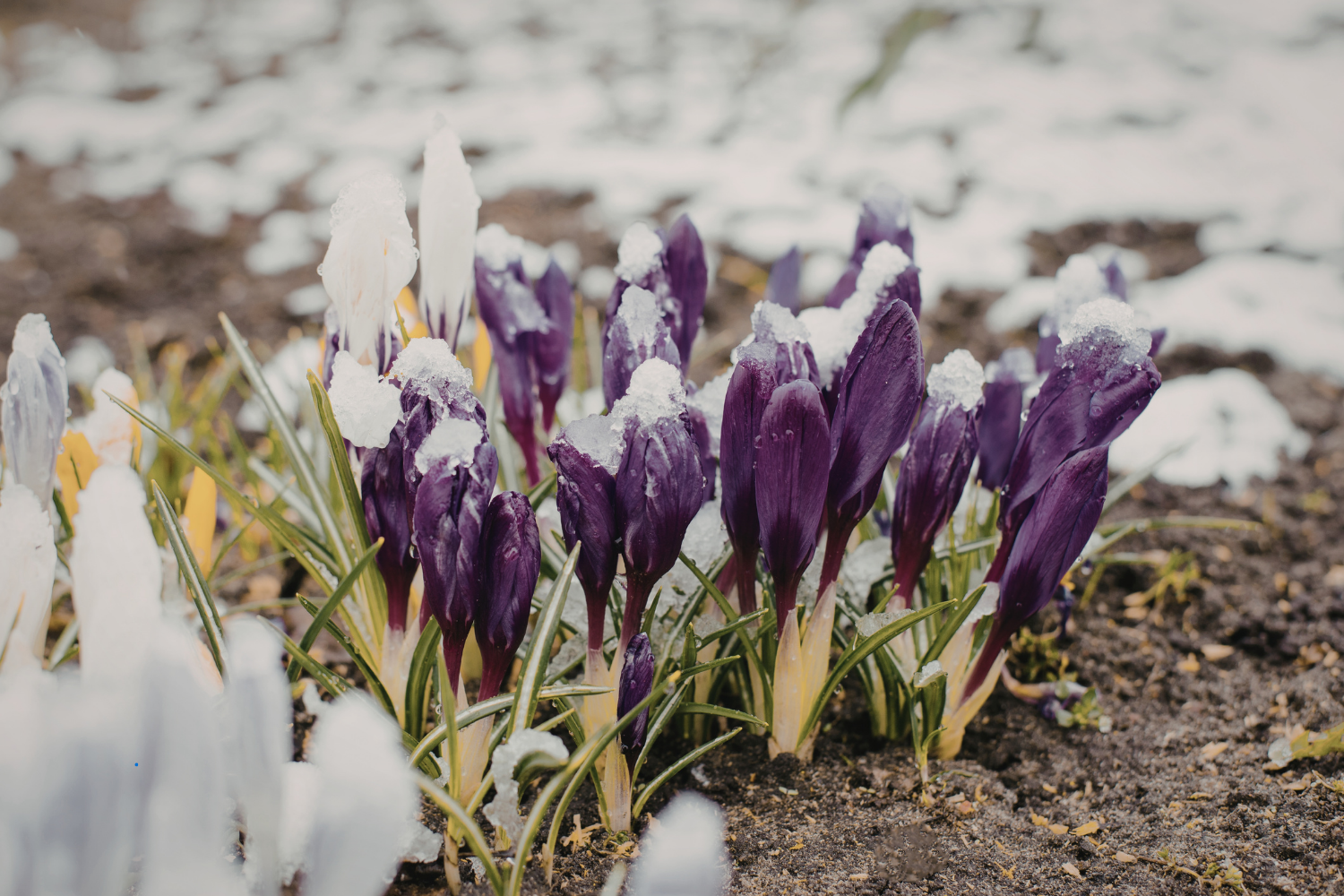
Western New York's average last frost date is around May 10–15 for most of our region, though microclimates vary. Areas south of Buffalo toward the Southern Tier can run even later. Lake-effect moisture keeps temperatures unpredictable well into spring.
This means that while you can start cleaning up beds in April, tender plants and fresh transplants generally shouldn't go in the ground until mid-May. Keep that in mind as you plan.
What You Can Do Right Now (Even If It's Still Muddy)
Waiting for the soil doesn't mean doing nothing. Here's how to use early spring wisely:
Cut back dead perennial stems — once you're seeing an inch or two of new growth at the base, it's safe to cut back last year's stalks. Bonus: those hollow stems have been providing winter shelter for native bees. Waiting until April to cut them gives those beneficial insects time to emerge.
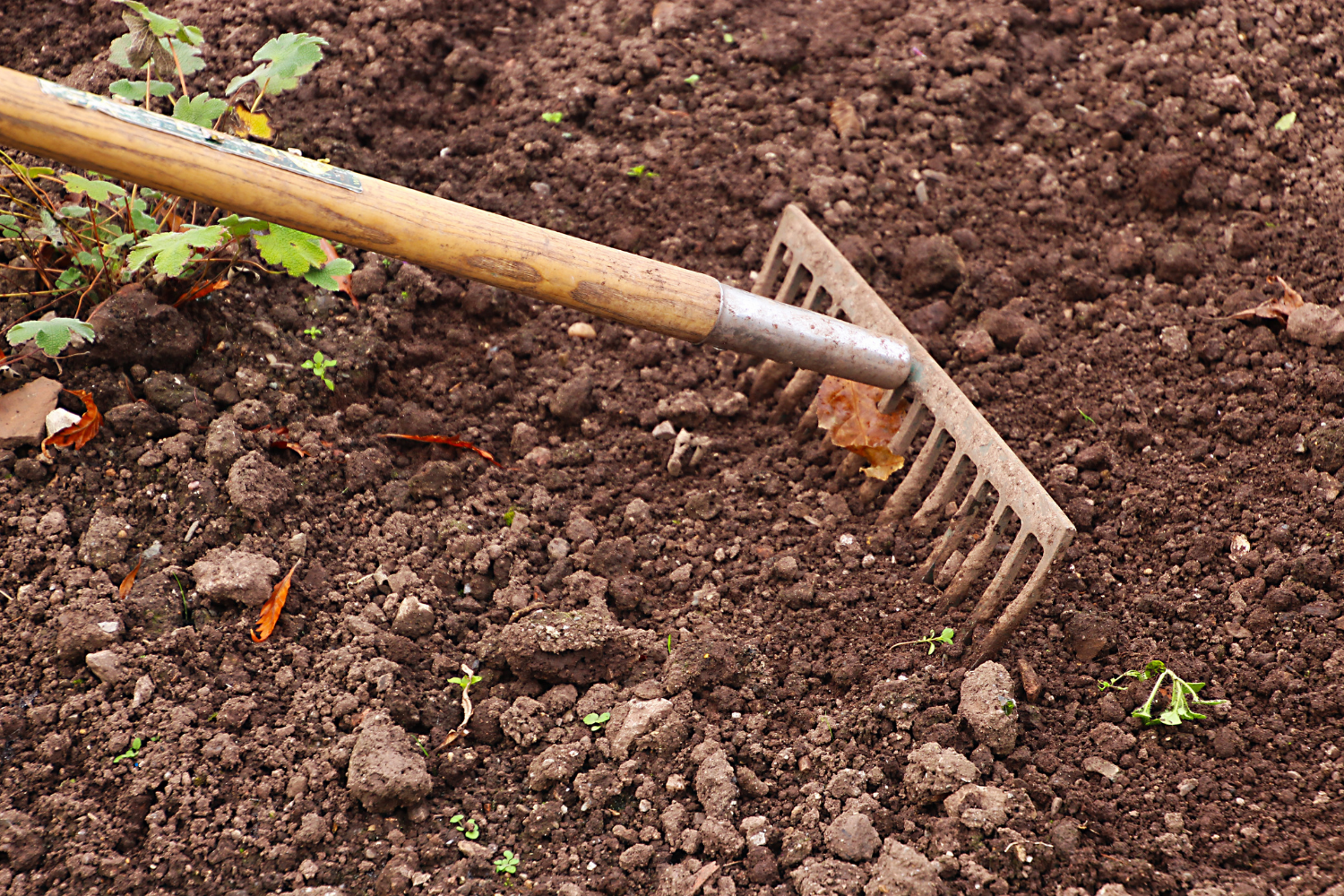
Rake out winter debris — matted leaves left on beds can smother emerging plants. Rake gently to avoid disturbing bulbs and early perennials just below the surface.
Edge your beds — a clean edge doesn't require warm soil, and it makes everything look tidier immediately. It's a great early-season task on a cool but dry day.
Plan and order — this is the absolute best time to flip through catalogs, sketch out planting changes, and order bare-root perennials or seeds while selection is still good.
When the Time Is Right: Getting Your Beds Ready
Once the soil passes the squeeze test and temperatures are consistently in the 50s, here's how to set your beds up for a great season:
Remove any remaining debris — old mulch that's become compacted and weeds that overwintered.
Loosen the soil lightly — a garden fork worked gently to a depth of 6–8 inches is usually enough. No need to till deeply every year; it disrupts soil structure and brings weed seeds to the surface.
Amend with compost — spread 1–2 inches of finished compost over the top of your beds and work it lightly into the surface. This is the single best thing you can do for your garden every spring.
Apply a slow-release fertilizer if your plants need it — this is best done when the soil is workable and before growth really takes off.
Mulch after planting — wait until you've put in your plants, then apply 2–3 inches of mulch to help retain moisture and suppress weeds. Mulching too early over bare soil can actually keep the ground cooler longer.
A Note on Those Eager Gardening Urges
There is nothing wrong with wanting to get outside in March. After a WNY winter, that impulse is completely understandable. Here's a compromise: use those eager early-season days for the dry ground tasks — edging, planning, pruning shrubs that bloom on new wood, cleaning and sharpening your tools, or tidying the hardscape around your beds.
Save the soil work for when the soil is ready. Your garden will thank you for it.
When do you usually start prepping your beds? Let us know in the comments — we'd love to hear what signs of spring you watch for in your own yard.
