

Designing Spring Bulb Displays That Last
Extending Your Spring Display
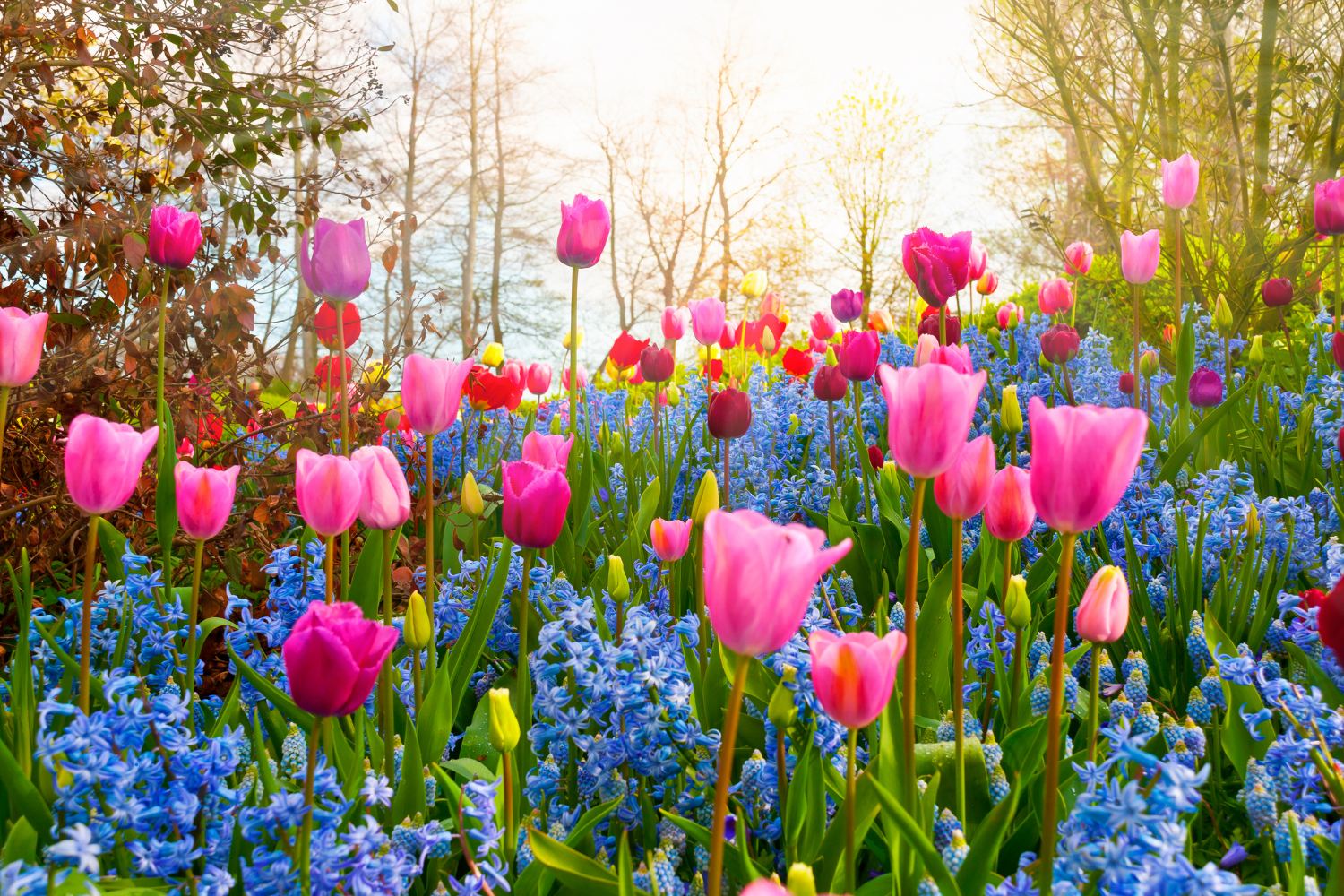
Most people plant bulbs for that glorious two-week period in May when everything blooms at once. It's beautiful, sure. But then it's over, and you're left with dying foliage and an empty garden for the rest of spring.
There's a better way. By layering bulbs that bloom at different times, you can have continuous color from late winter through early June. It's not complicated. It just requires thinking about bloom timing when you're planting this fall.
Understanding Bloom Timing
Spring bulbs fall into three basic categories based on when they bloom:
Early Spring (March-early April): Snowdrops, crocuses, early daffodils like 'February Gold', and early species tulips. These are the first signs of life after winter.
Mid Spring (mid April-early May): Most daffodils, hyacinths, grape hyacinths (muscari), and mid-season tulips. This is peak bulb season when garden centers are full of people buying plants.
Late Spring (mid May-early June): Late tulips like 'Angelique' and 'Black Hero', alliums, and Dutch iris. These bridge the gap into summer perennials.
The Layering Approach
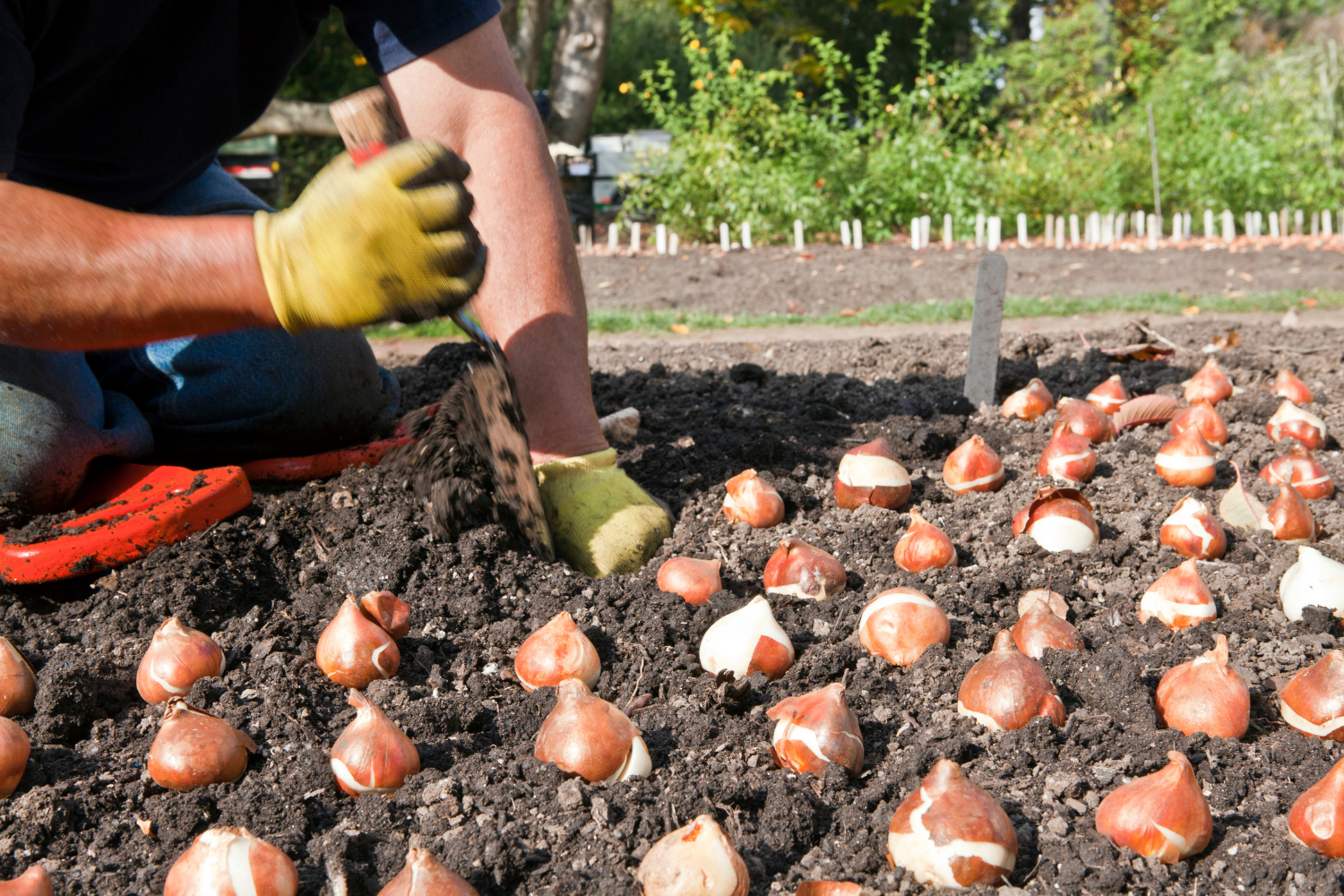
The concept is simple. Plant bulbs at different depths based on their bloom time. Early bloomers go deepest, late bloomers closest to the surface. This "bulb lasagna" method lets you pack more bulbs into the same space and creates a succession of blooms from a single planting area.
Dig a trench or trough with a flat bottom at your deepest planting depth (about 8-10 inches for tulips and alliums). This is important in our area because we have severe freeze-thaw cycles that can heave bulbs out of the ground if they're not planted at proper depth. Bulb augers and hand bulb planters seem convenient, but they create pointed holes that don't keep bulbs stable. A flat-bottomed trench works better.
Place your late-blooming tulips and alliums at the bottom. Alliums are particularly valuable because they bloom last and long, often into early June. Add a layer of soil, then place mid-season daffodils or hyacinths (6 inches deep). Add more soil and finish with early crocuses near the surface (3-4 inches deep).
Don't worry about planting close to existing perennials. Spring bulbs bloom and die back before most perennials reach maturity, so they won't compete for space. This actually works in your favor because emerging perennials will eventually hide the dying bulb foliage.
When spring arrives, the crocuses bloom first, then fade as the daffodils emerge. By the time the daffodils are done, the tulips are starting. Finally, the alliums rise up on tall stems and bloom into early summer. Instead of two weeks of color, you get months.
Choosing Varieties for Succession
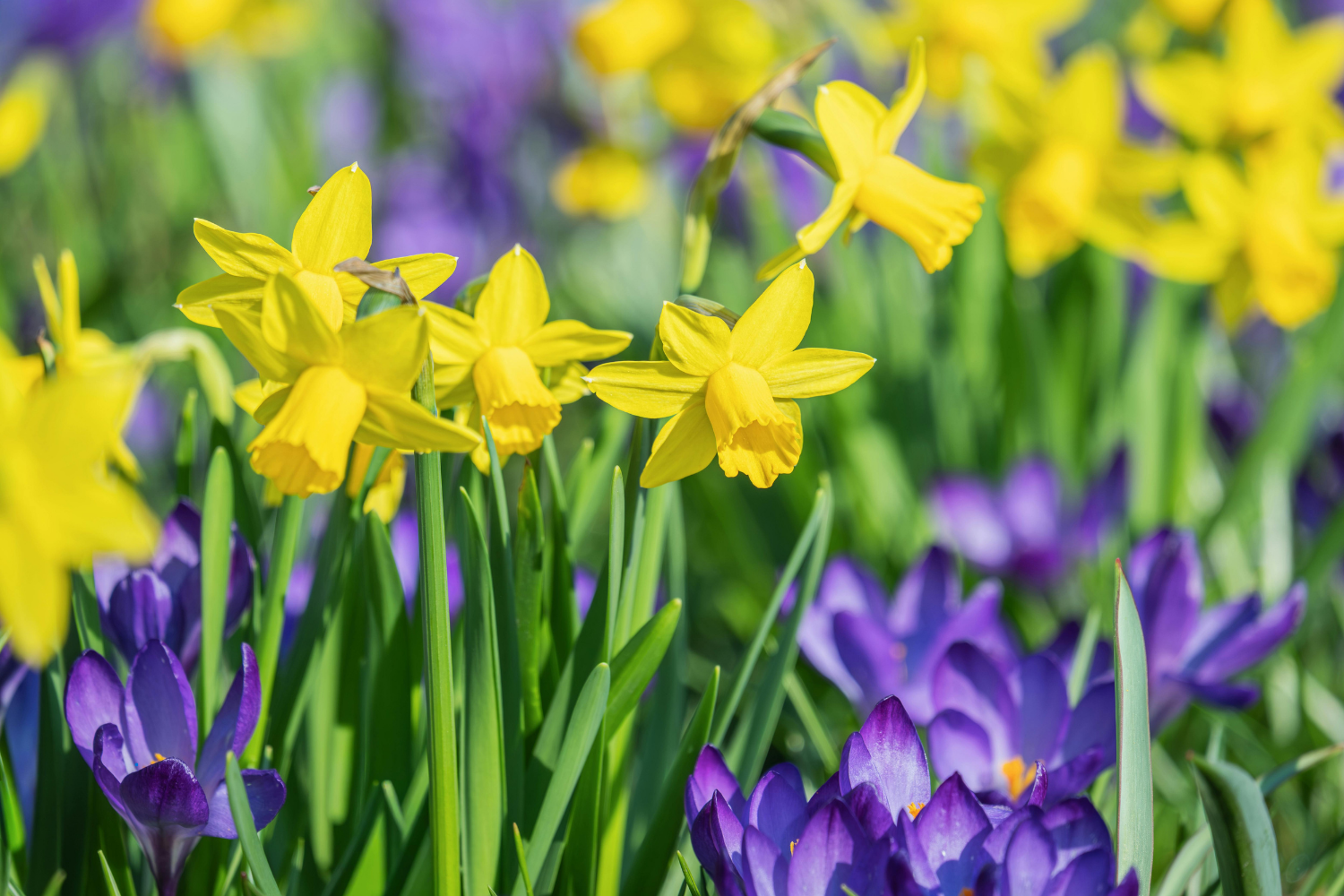
For Early Color: Start with crocuses in purple, yellow, and white. Mix in snowdrops if you want the earliest possible blooms. Add 'February Gold' or 'Tete-a-Tete' daffodils for bright yellow that appears before most spring perennials have even emerged.
For Mid Season: This is where you have the most options. Standard daffodils like 'Dutch Master' or 'Ice Follies' are reliable and deer resistant. Hyacinths add fragrance and come in pink, purple, white, and blue. Grape hyacinths naturalize easily and provide that classic blue carpet effect.
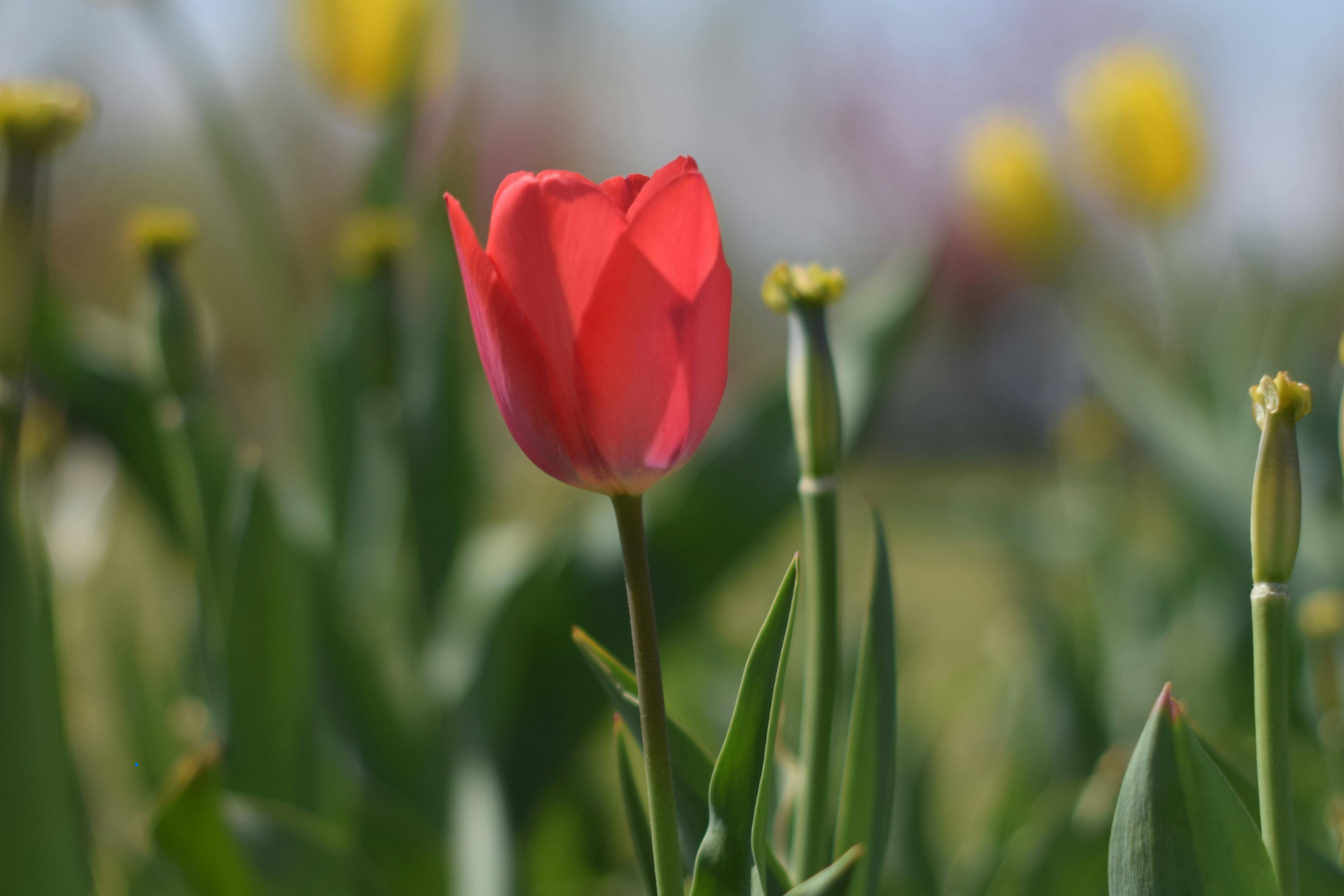
For Late Spring: Late tulips extend the season beautifully. Darwin Hybrid tulips like 'Apeldoorn' series are more likely to return year after year than standard tulips. Alliums (ornamental onions) bloom in May and June, and their spherical purple flowers look dramatic rising above everything else. Dutch iris in blue, purple, yellow, or white bloom in late May and make excellent cut flowers.
Dealing with Wildlife
Let's be honest about the biggest problem with bulb planting: animals. Deer will eat tulips down to the ground. Squirrels dig up freshly planted bulbs. Rabbits nibble emerging shoots.
Daffodils are your friend. Deer, rabbits, and squirrels all avoid them because they're toxic. If you have significant deer pressure, focus your planting on daffodils, alliums, and other deer-resistant bulbs. Save tulips for containers near the house or fenced areas.
For squirrels and rabbits: Plant Skydd is a granular animal repellent that works well for bulbs. Unlike liquid sprays that wash off with rain or need frequent reapplication, the granular form lasts longer. Sprinkle it over planted bulbs and mix some into the soil at planting time. It helps deter squirrels from digging and keeps rabbits from nibbling emerging shoots.
Another effective method is covering freshly planted areas with chicken wire. Lay it flat over the planting site and secure the edges with landscape staples or rocks. Leave it in place through winter and remove it in early spring before shoots emerge. This prevents squirrels from digging without interfering with the bulbs.
Plant tulips later in the season if possible. Squirrels are most active digging and storing food in September and early October. Waiting until late October or even November means they've finished their storing frenzy and are less interested in your bulbs.
Planting Timing for Our Area
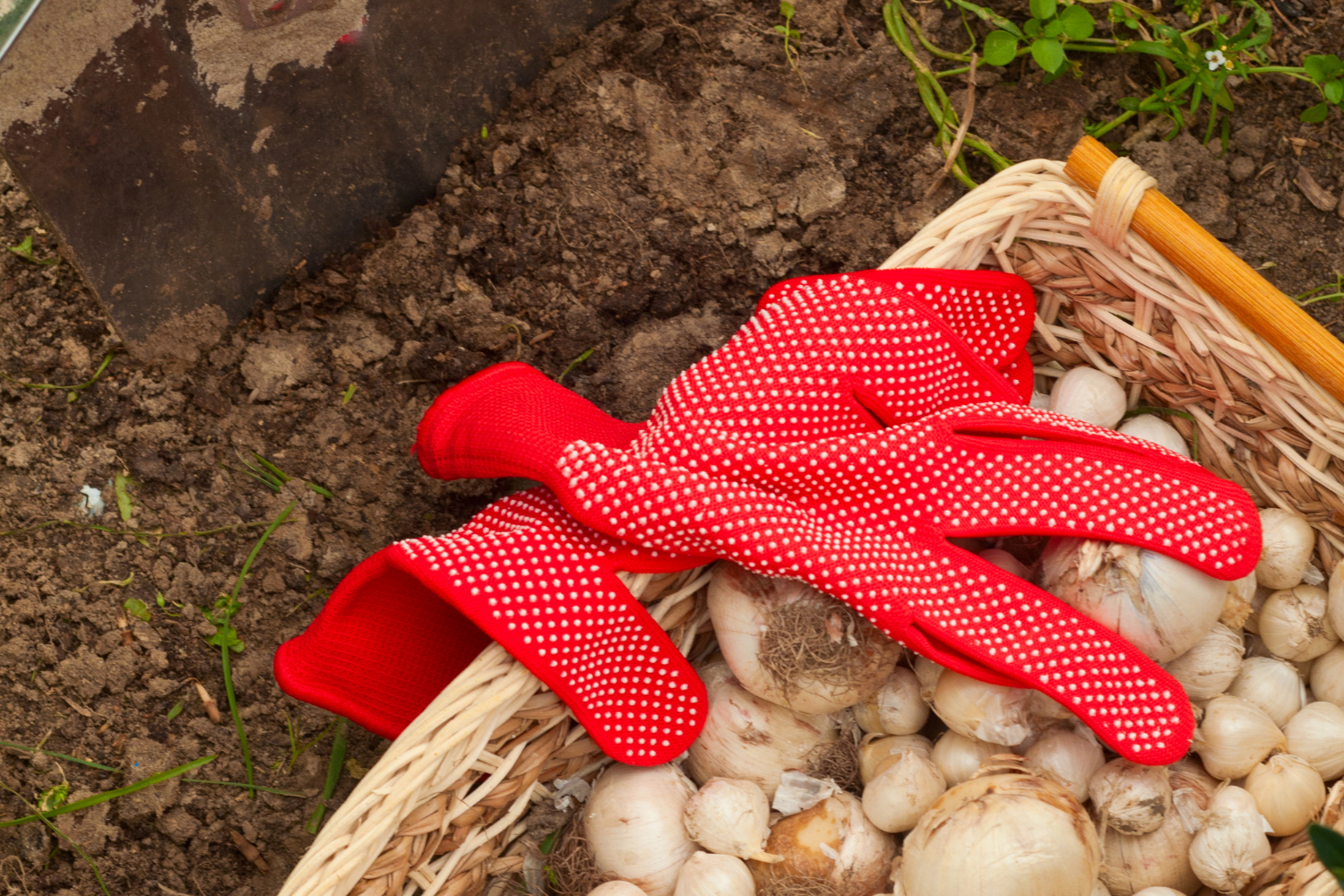
In Western New York, plant bulbs from late September through November. Earlier is better for root establishment, but bulbs are forgiving. They can go in the ground right up until it freezes and still bloom fine in spring.
The soil needs to be cool before planting. If it's still warm from summer, bulbs might start sprouting roots too early. Mid-October is usually ideal. If you're planting hundreds of bulbs, start in late September and work through October.
How Many Bulbs Do You Really Need
This is where most people underestimate. A few bulbs scattered across a bed won't make much impact. Bulbs look best in groups. Even just 5-7 of the same variety planted together creates more visual impact than singles dotted around.
For a small layered planting area (about 2x2 feet), you could plant 15-20 bulbs total across different bloom times. That might be 6-8 crocuses, 5-6 daffodils, and 4-5 tulips. It sounds modest, but planted together in layers, it creates a focused spot of continuous color.
Start with one or two small areas. If you enjoy the results, add more spots next fall.
After They Bloom
Here's the part nobody likes: dealing with dying foliage. You need to leave it in place for at least six weeks after blooming so the bulbs can store energy for next year. It looks terrible, but cutting it off early means weaker blooms or no blooms the following year.
Plant bulbs among emerging perennials that will hide the dying foliage. Hostas, daylilies, and other perennials with large leaves work well. By the time bulb foliage is truly ugly, your perennials should be big enough to cover it.
Get Digging
Succession planting isn't difficult. It just requires thinking about timing instead of randomly mixing bulbs. Choose early, mid, and late varieties. Layer them at appropriate depths. Protect them from wildlife. Then wait for spring.
The payoff is months of color instead of weeks. And once they're planted, they come back year after year with minimal effort. That's a pretty good return on an afternoon of planting in October.
