
Ho-Ho-Holiday Houseplants
Taking care of your poinsettias, amaryllis, and Christmas cactus!
‘Tis the season of festive houseplants. Let’s try to keep them (and our Christmas spirit) alive long enough to make it to the Ball Drop.
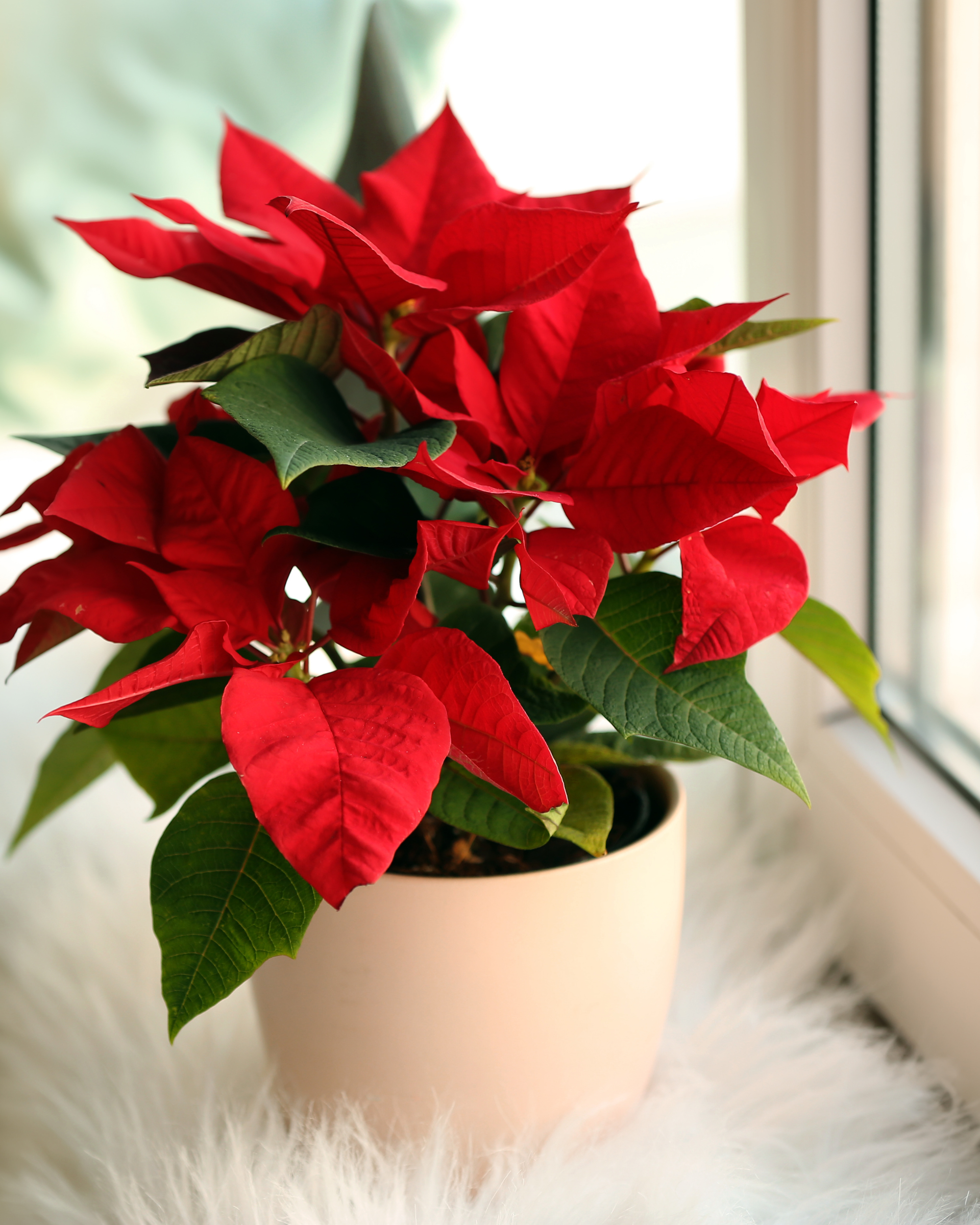
Poinsettias
Oh, how we adore the jolly red foliage of the poinsettia plant! These leafy beauties are the darlings of the holiday season, spreading cheer far and wide.
Fun fact: Poinsettias hail from Mexico! The Aztecs used their “petals” (which are actually modified leaves) to make red dye.
Ideal Location
Poinsettias thrive in bright, indirect light, so find a spot in your home where they can receive at least six hours of sunlight each day. Avoid placing them near drafts, heating vents, or cold windows to prevent temperature fluctuations that can stress the plant.
“How do I provide sunlight while keeping it away from drafty windows?”
Great question. Don’t set it directly on the windowsill. A surface a foot or two away from the window (that still gets some sun) will work nicely.
Temperature and Humidity
Everyone loves the look of poinsettias flanking a crackling fire, but resist the urge to put them in a location where the temperature fluctuates. Poinsettias prefer a warm and humid environment (they’re native to Mexico, remember!) with temperatures ranging between 65-75°F To help maintain humidity levels, you can place the plant on a tray filled with pebbles.
Watering Schedule
Allow the soil to dry slightly between waterings, and always check the moisture level before watering again. Overwatering can lead to root rot, while underwatering can cause the leaves to wilt and drop prematurely. Strike a balance by ensuring the soil is moist, but not soggy.
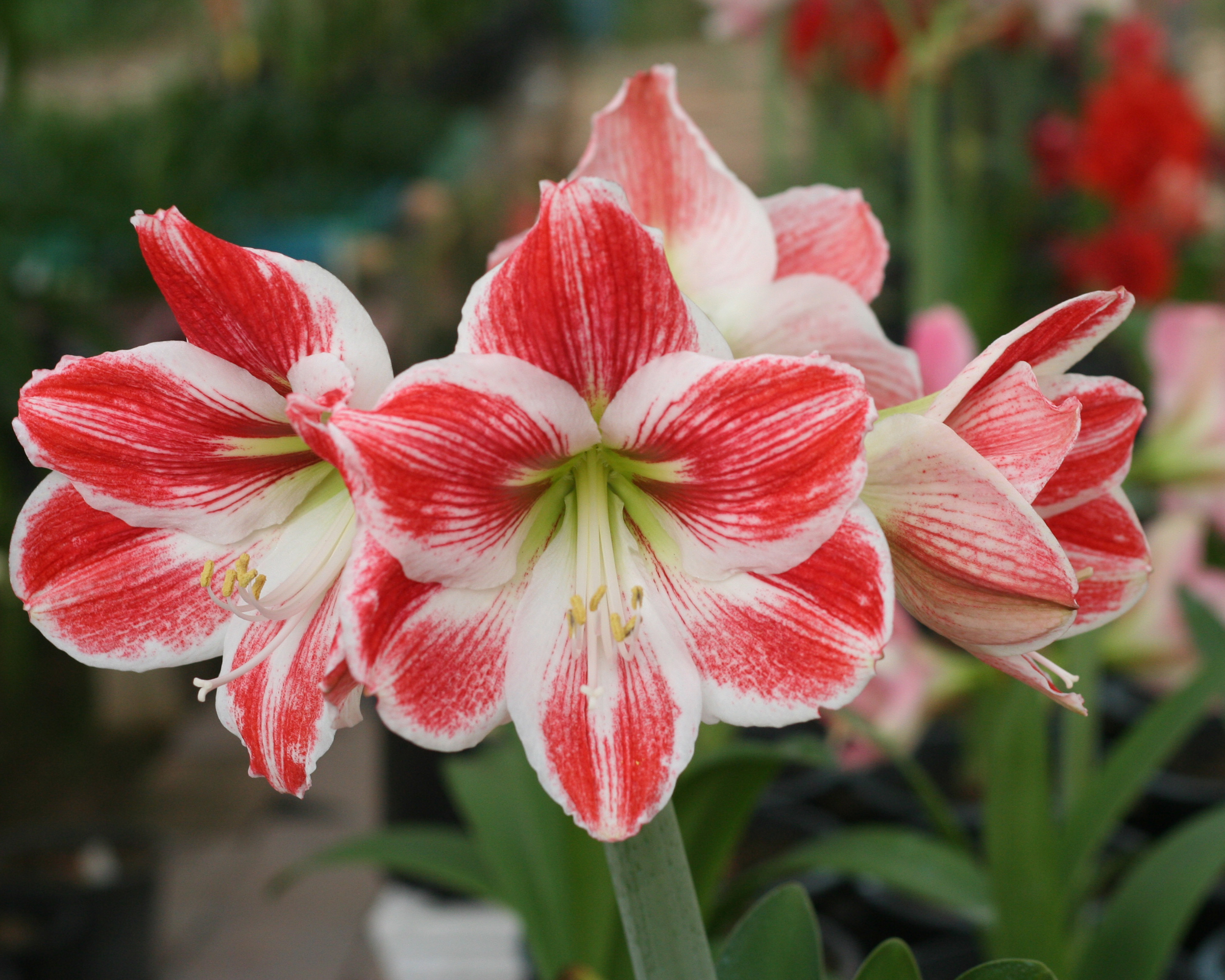
Amaryllis
Frequently sold in clear vases, it’s fun to watch these bulbs root and bloom. Let’s keep them thriving (and limit the bulb replacements to your tree lights!)
Fun fact: According to Greek mythology, the flowers grew from the blood of the nymph, Amaryllis. She was in love with the handsome shepard Aleto, and the beauty of the flowers helped her win his heart.
Watering Schedule
As with the poinsettia, it's important to keep the soil slightly moist. Here are a few key points to keep in mind:
Water your amaryllis when the top inch of the soil feels dry to the touch.
Ensure proper drainage to prevent water accumulation.
Avoid leaving the plant sitting in standing water, as it can lead to root damage.
Light Requirements
Amaryllis thrives in bright light conditions, but excessive exposure to direct sunlight can cause leaf scorch. Here's how to ensure your amaryllis gets the optimal amount of sunlight:
Place your amaryllis in a location that receives bright, indirect sunlight.
Rotate the pot periodically to ensure even growth.
If you notice the leaves turning pale green or yellow, it may indicate insufficient light.
Repotting Procedures
As your amaryllis bulb grows, repotting becomes essential to provide adequate space for its roots and promote healthy growth. Follow these steps to successfully repot your amaryllis:
Choose a pot that is approximately 1-2 inches larger in diameter than the current pot.
Gently remove the bulb from the old pot, being careful not to damage the roots.
Place fresh potting soil in the new pot, ensuring it provides good drainage.
Position the bulb in the center of the pot and fill in with soil, leaving the top third of the bulb exposed.
Water the newly repotted amaryllis thoroughly and place it in a well-lit area.
Mistakes to Avoid
To ensure the longevity and health of your amaryllis, it's important to avoid common mistakes that can harm the plant:
Overwatering: Excessive moisture can lead to root rot and bulb decay.
Insufficient light: Inadequate sunlight can result in weak growth and leaf yellowing.
Improper pot size: Using a pot that is too large can cause the bulb to focus on root growth rather than flowering.
Premature leaf removal: Removing leaves before they turn yellow naturally can affect the bulb's ability to store energy for future growth.
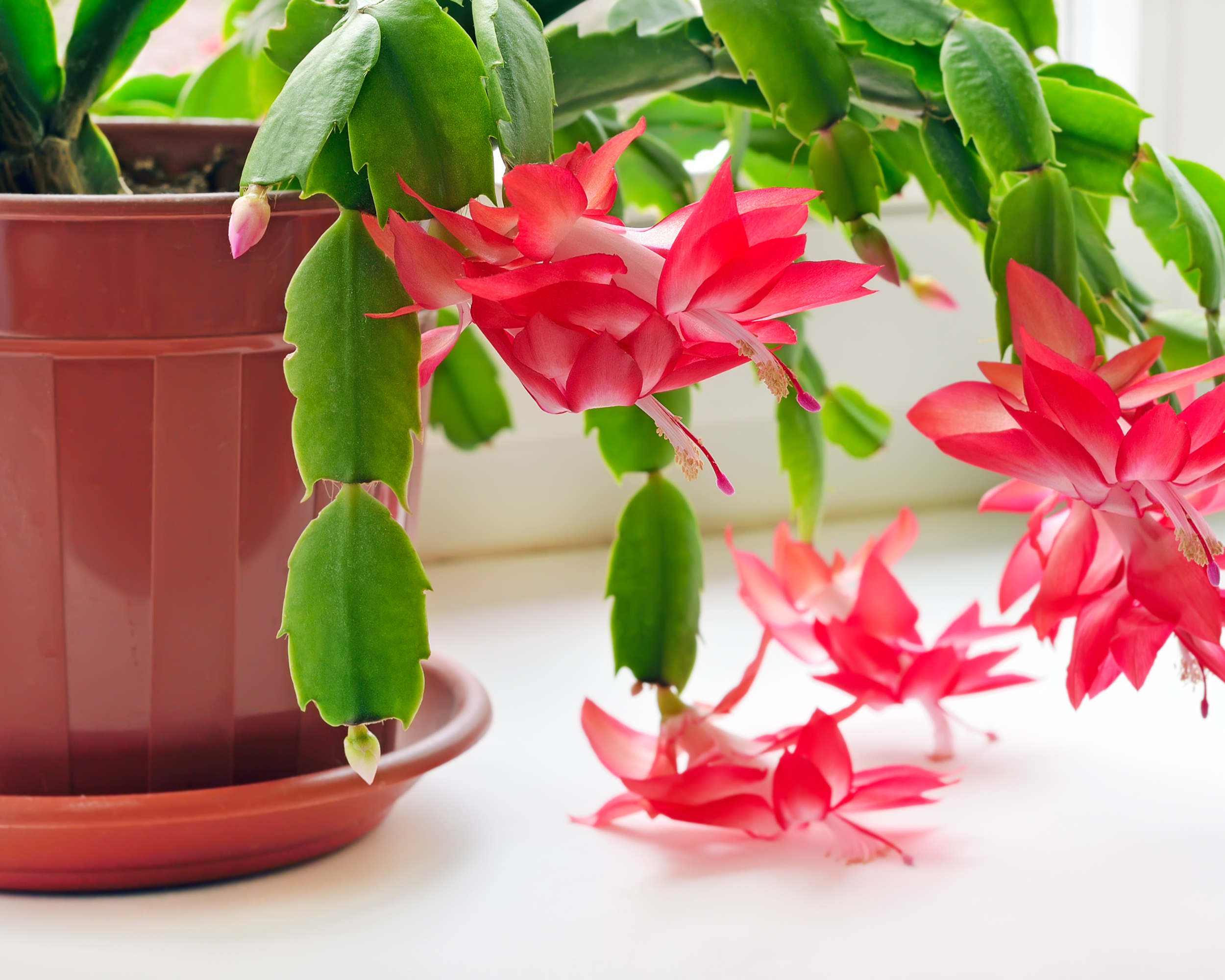
Christmas Cactus
Four people pawned their Christmas cactus’ (cacti?) off on me last year, so I’ve become a bit of an expert. I’m not really a houseplant person, but it is very difficult for me to get rid of a perfectly good plant. So there they sit, in their foil-wrapped glory.
Fun fact: While “cactus” might evoke visions of the punishing desert sun, this variety of cactus actually prefers cooler temperatures (60-70°F).
Ideal Soil Type: Christmas cactus thrives in well-draining soil with organic matter. A mix of peat moss, perlite, and potting soil is ideal.
Watering Frequency: Water your Christmas cactus thoroughly, allowing the soil to dry out between watering sessions. Overwatering can lead to root rot, while underwatering can cause bud drop. In general, once a week should do it.
Light Requirements: Like poinsettias and amaryllis, most of the literature says to keep Christmas cactus out of direct sunlight, and opt for indirect light instead. That being said, I’ve had it in direct sunlight with little problems.
Pruning Tips: Prune your Christmas cactus after flowering to promote bushier growth. It’s also easy to start new plants from cuttings…pinch off a few sections to propagate new plants and share their beauty with others.
Dealing with Common Houseplant Problems
Despite your best efforts, holiday houseplants can sometimes experience issues. Here are some common problems you may encounter and how to tackle them:
Wilting: Ensure proper watering, and check for root rot or underwatering.
Leaf Drop: Sudden changes in temperature, drafts, or overwatering can cause leaf drop. Maintain consistent conditions to prevent this issue.
Pest Infestation: Keep an eye out for pests like whiteflies or spider mites. Use organic pest control methods or seek professional advice if needed. Fruit flies a problem? Your soil is too moist. Be sure to let the soil completely dry out in between waterings.
Conclusion
Bravo! You're now an expert on keeping your houseplants blooming long past the holidays! Just remember to keep them out of direct sunlight, don’t overwater, and maintain steady temperatures. Follow these tips you'll have gorgeous plants well into the new year!
To stay updated on more plant care tips and tricks, be sure to subscribe to our newsletter below. Happy gardening!