
Winter Gardening
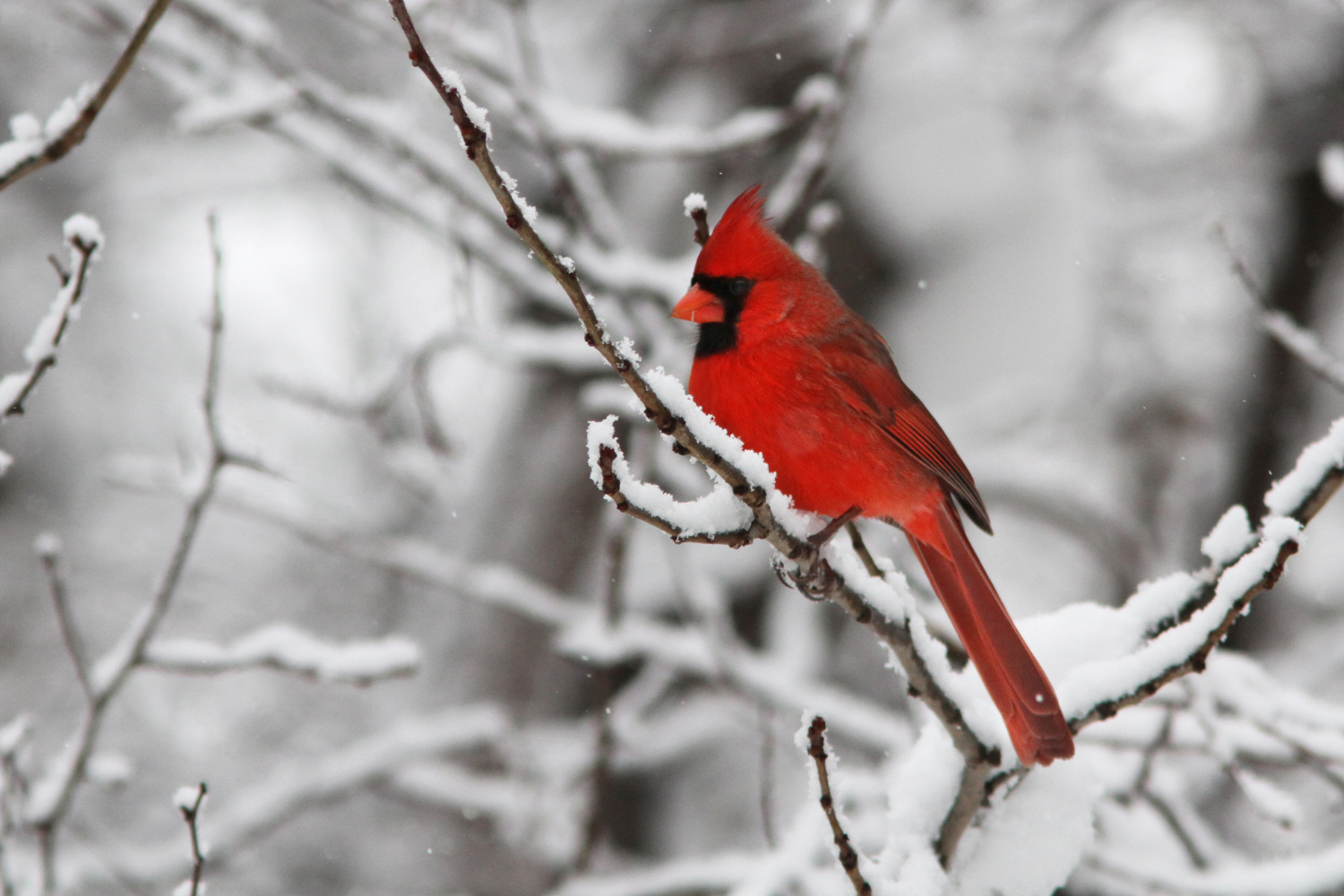
Winter in Buffalo can leave us feeling like we're stuck in a frozen tundra, with nothing in sight but snow and frigid air. As someone who lives and breathes gardening, I can tell you that winter is no time to hit the snooze button on your garden. With a little TLC and the right plants, you can create a winter wonderland. Trust me, your garden will thank you!
Defining Winter
What makes Buffalo’s winters feel so long? For me, it’s the way they always seem to bleed into (and sometimes erase) spring. Because we are all-too familiar with the occasional April deep-freeze, I argue that the “early spring” months of March and April are more winter than spring. A fellow Master Gardener said it best: we don’t have spring, we have “sprinter”.
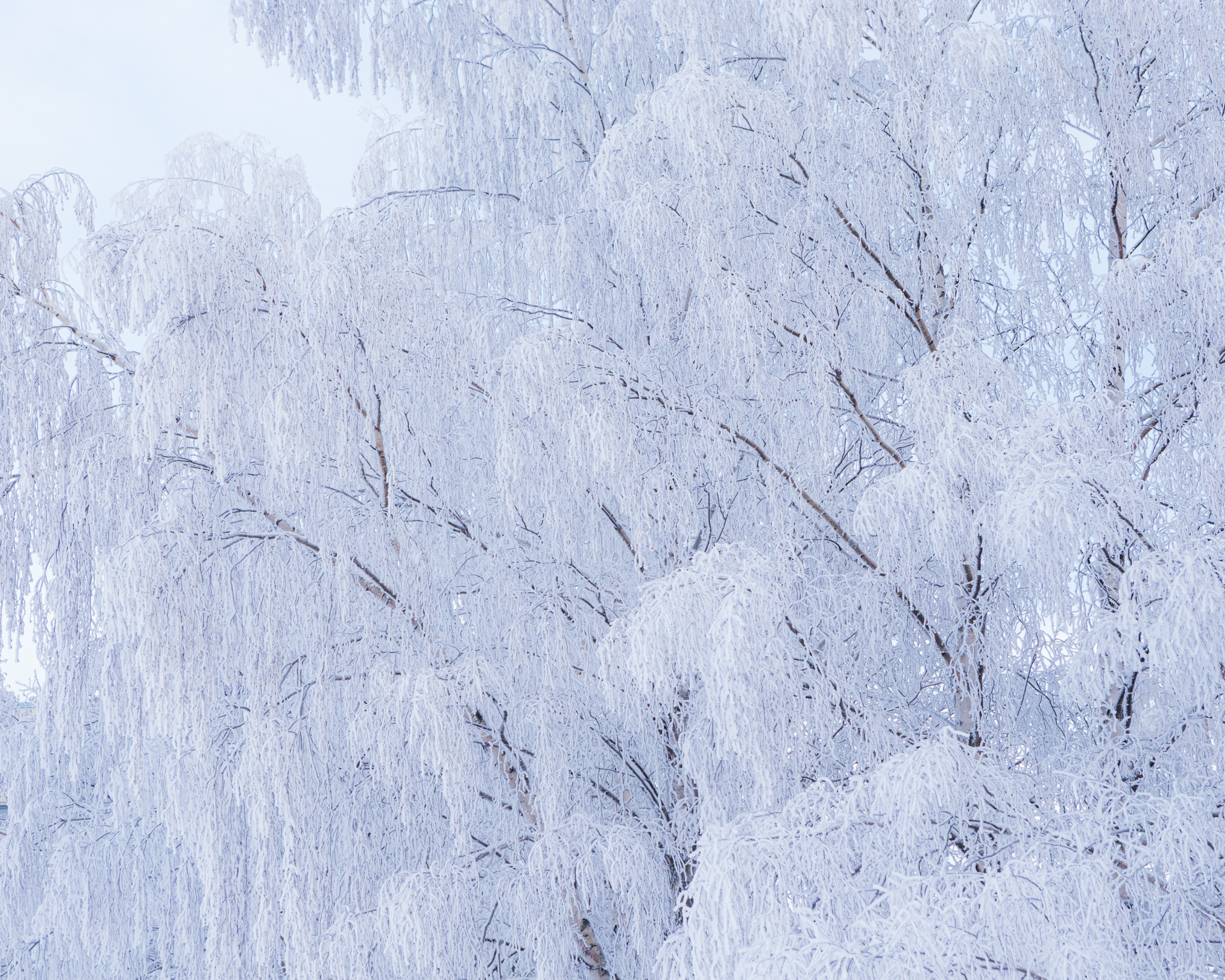
That being said, it's time to debunk the myth that nothing grows in winter. While the pace of growth may slow, there are a few plants that showcase their unique qualities during this time. With careful selection and planning, your garden can become a winter wonderland.
Tips for Successful Winter Gardening
Before embarking on your winter gardening journey, consider the following tips:
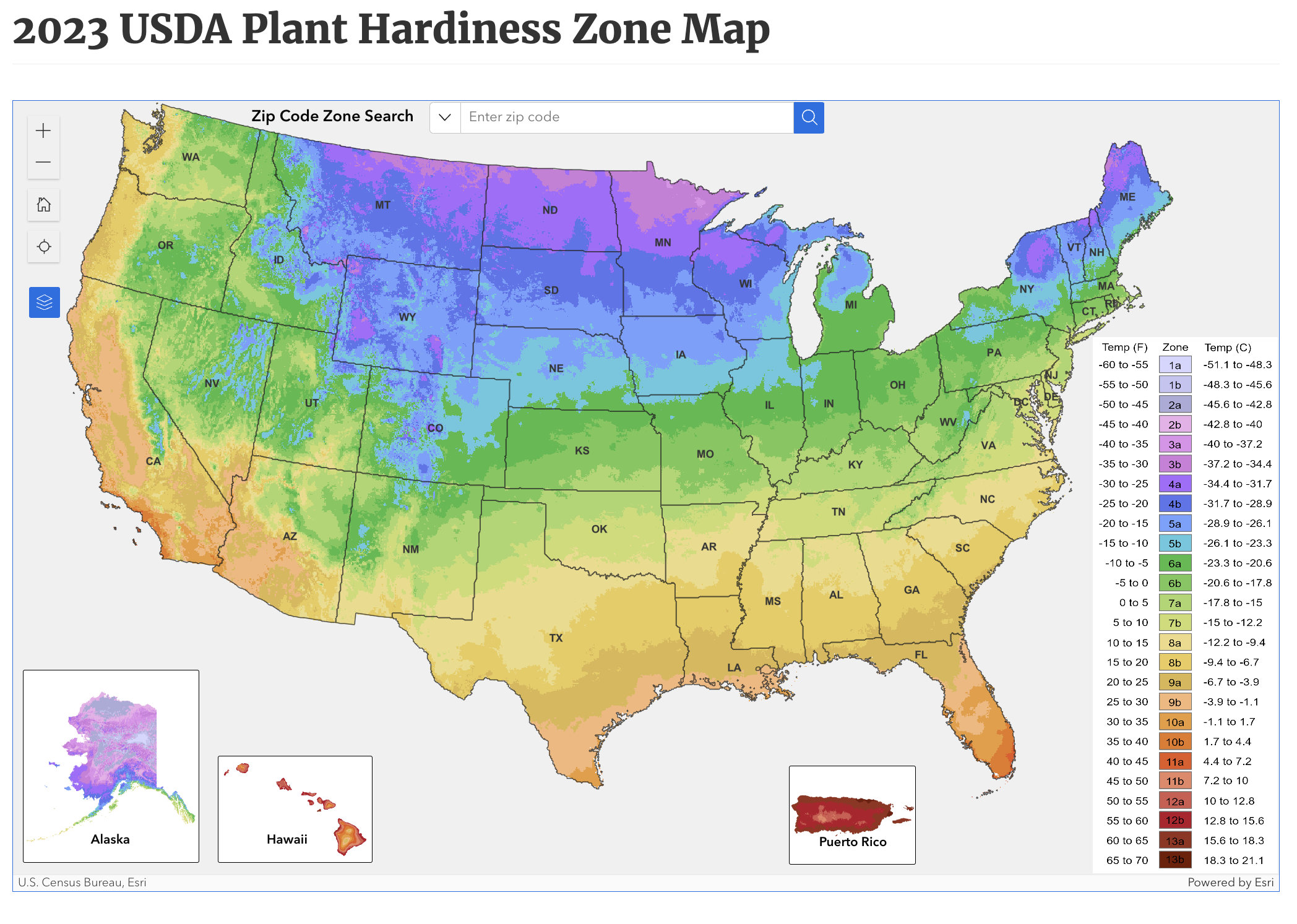
Choose Winter-Hardy Plants: Opt for plants that thrive in cold temperatures and are adapted to your region's climate. Do you know what your growing zone is? Growing zones are all about the minimum temperature your plants can handle. Your nextdoor neighbor might be “pretty sure” we’re in Zone ___, but I recommend consulting the USDA Hardiness Map. There is a surprisingly large range in zones in WNY due to our proximity to the Great Lakes. Elevation also has significant impact. Because our weather has undoubtedly become more extreme, I recommend “zoning down” by choosing plants that are hardy enough for the next coldest zone. For example- if you live in Zone 6, opt for plants that are hardy to Zone 5.
Protect Your Plants: Shield delicate specimens from bitter winds and frost by providing them with protective coverings.
use sturdy shelters like these a-frames or shrub covers to protect plants that could get damaged from heavy snow or ice (like slides from your roof, or snow dumped from your blower or plow)
wrap shrubs that are at risk of deer damage in burlap or another type of protective fabric
This includes shrubs that deer leave alone in the warmer months! Rhododendron, azalea, arborvitae, smokebush, holly, and rose of Sharon are frequent targets in my yard.
Provide Food and Shelter: Winter is great for birdwatching! Set up birdhouses, install nesting boxes, and create cozy shelters using evergreen branches to offer refuge for wildlife. Cornell’s Winter Birding Guide is a great reference if you want more information on the topic. A note on bird feeders: if deer are present in your yard, be sure to hang the feeders higher than deer-level (6-7’ in the air if possible). Anything lower turns your bird feeder into an all-you-can-eat buffet, and the whole deer community will be in your backyard before long!
Utilize Winter-Hardy Containers: Experiment with decorative containers filled with cold-tolerant plants like ornamental cabbage or winter pansies, adding pops of color near your entryway or patio. Cuttings from evergreens, red-twig dogwood, and berry covered shrubs make great holiday arrangements. Don’t forget to bring in your ceramic or terracotta planters for the winter…they can’t handle the expanding and contracting that comes with freezes and may crack!
Ways to Add Color and Texture
While vibrant blooms might be scarce during the colder months, there are still numerous ways to infuse your garden with visual interest. There are more options than you think! Consider incorporating…
winter-blooming plants (hellebore, witch hazel…even forsythia could be considered a winter bloomer in our area!)
evergreen shrubs and trees…there are a lot of really fun and quirky textures and shapes out there (check out “Whipcord” arborvitae!)
dormant ornamental grasses- their feathery seed heads add a unique texture to the landscape (just be sure to cut them back in the spring!)
shrubs and trees with ornamental bark (coral bark maple, red twig dogwood, birch, or Japanese Stewartia to name a few)
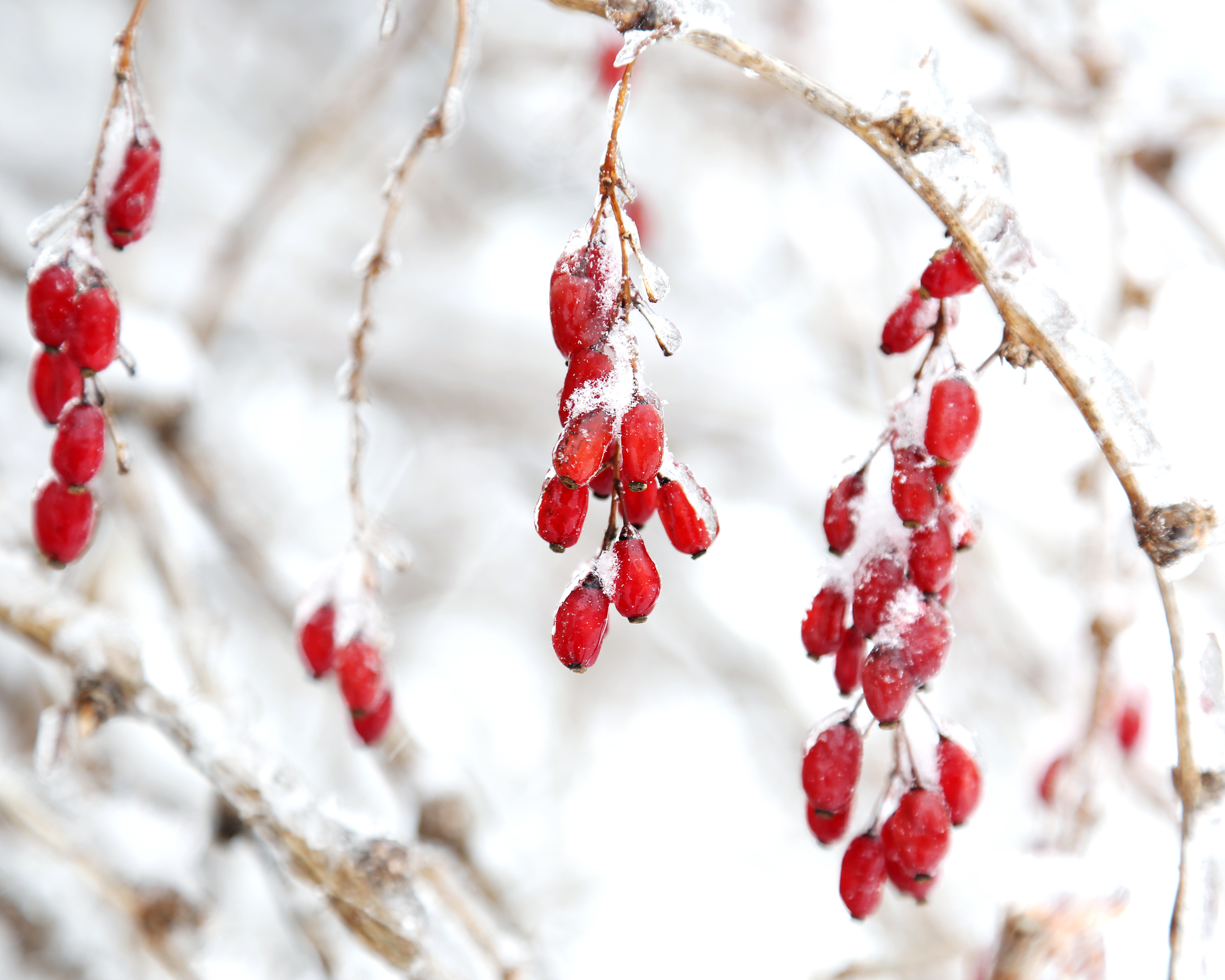
plants with berries (winterberry holly, snowberry, hawthorn, or serviceberry are popular options)
By incorporating these elements into your garden in an intentional way, you will create a truly unique landscape that is capable of weathering even the chilliest days of winter.
Benefits for Wildlife and the Environment
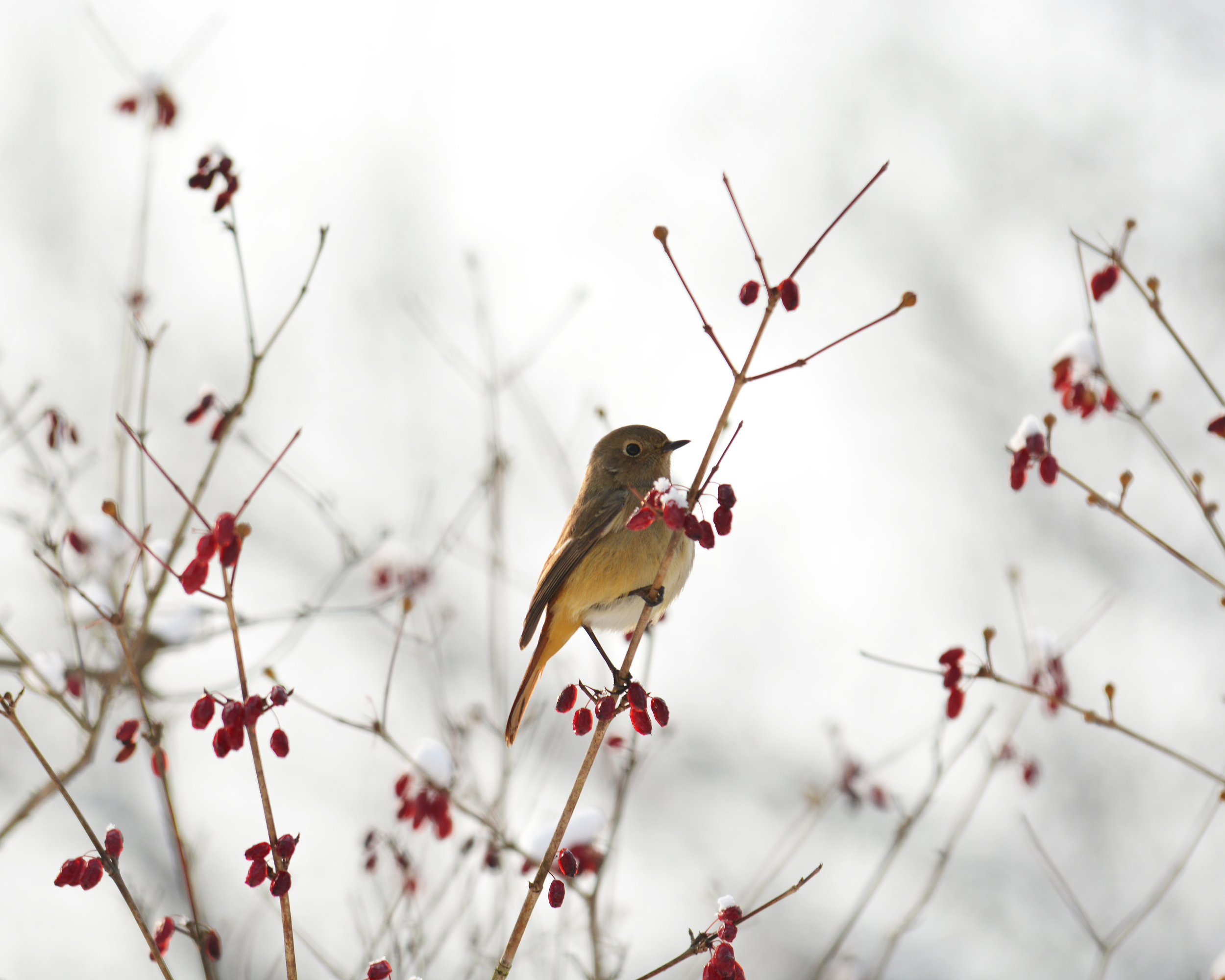
Winter gardening goes beyond aesthetics; it nurtures and supports the ecosystem as well. Native plants, particularly those with berries or seed heads, offer nourishment and shelter for birds and small mammals even in the harshest conditions.
And let’s not forget about the insects! Instead of cutting the dying foliage of your perennials to the ground in the fall, leave them for the bugs! The hollow stems of coneflowers, black-eyed susans and other perennials provide a cozy winter habitat for hibernating beneficial insects. Think twice before removing leaves from your garden beds – nature’s leaf litter offers shelter to arthropods such as spiders and beetles, whose presence can help manage pest populations in your garden.
Embracing winter gardening becomes an act of harmony with nature, enhancing biodiversity and contributing to a healthier environment.
Hang in there!
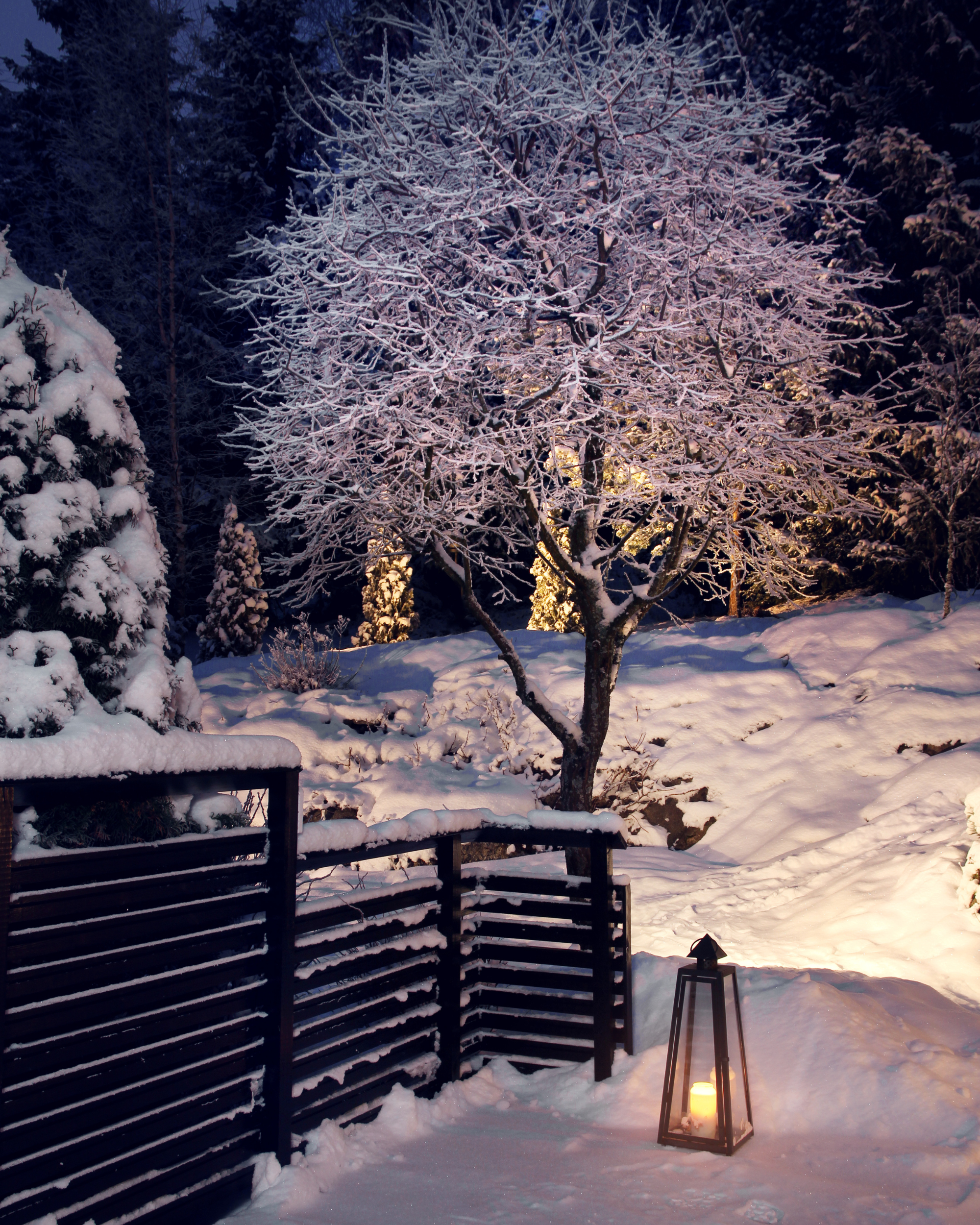
See that blank canvas of snow and frost? That's your invitation to enter the wonderful world of winter gardening! Don't let the cold scare you away from making your garden an oasis for critters and plants alike. It's the perfect time to add some spice to your backyard and let your creative juices flow. So, grab your mittens and let's make some garden magic!