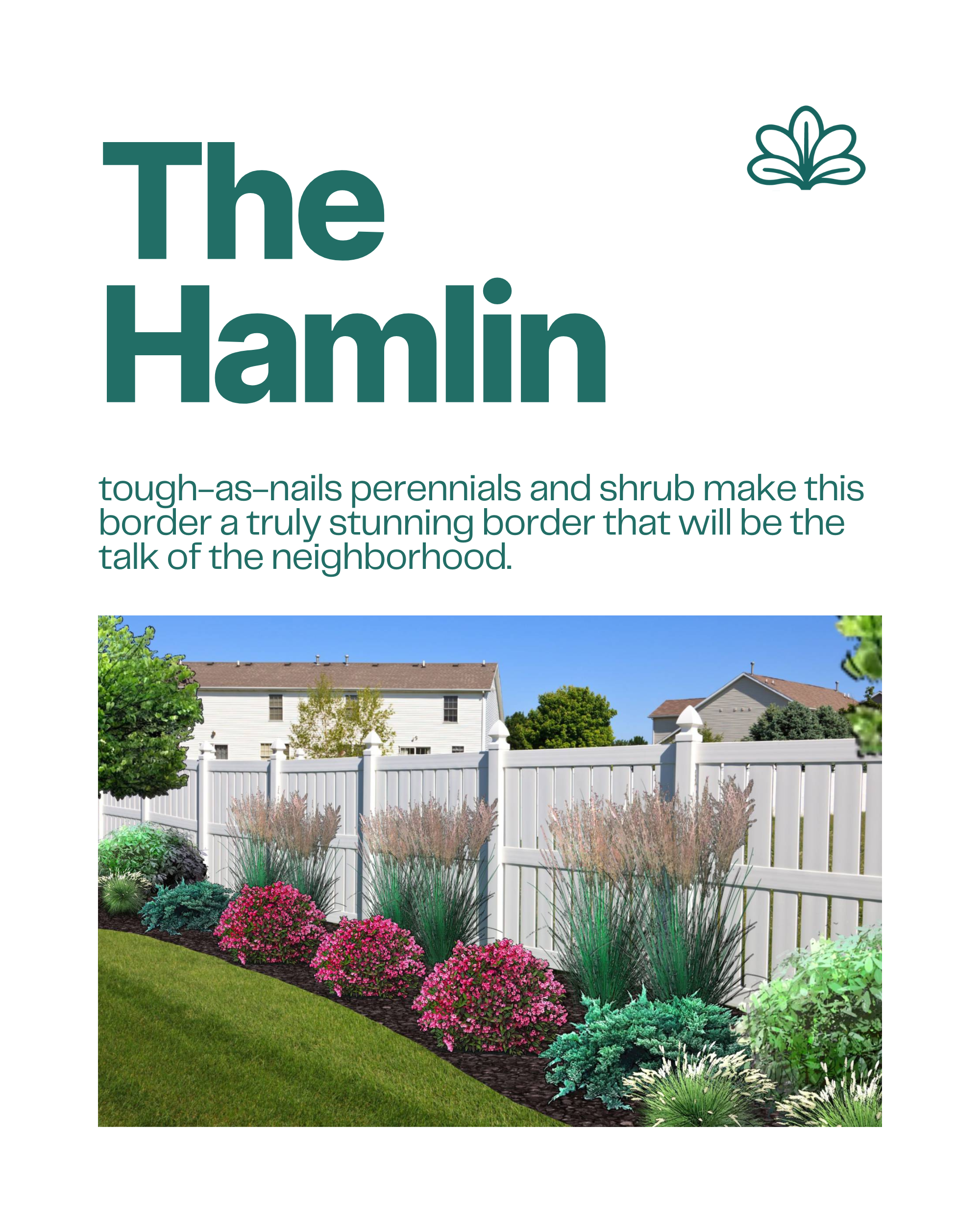

How to Find the Right Landscaper
Five Steps for a Successful Partnership
We will always need landscapers. They can transform spaces in ways most of us simply can't—hauling out massive plants and creating entirely new garden beds in just days or weeks. The reality is they're navigating challenges at every turn—unpredictable weather patterns, evolving plant availability, and physical demands that would exhaust most of us. And we've all become so accustomed to that "customer is always right" mindset that we forget gardens aren't retail products—they're ongoing collaborations between people and nature.
Unlike a new couch or kitchen appliance, landscaping is alive and constantly changing. Think about it—landscapers create these beautiful spaces but then have to trust that homeowners will water, weed, and care for everything properly. Yet when plants struggle because someone forgot to water during that two-week vacation, guess who often gets blamed? The landscaper.
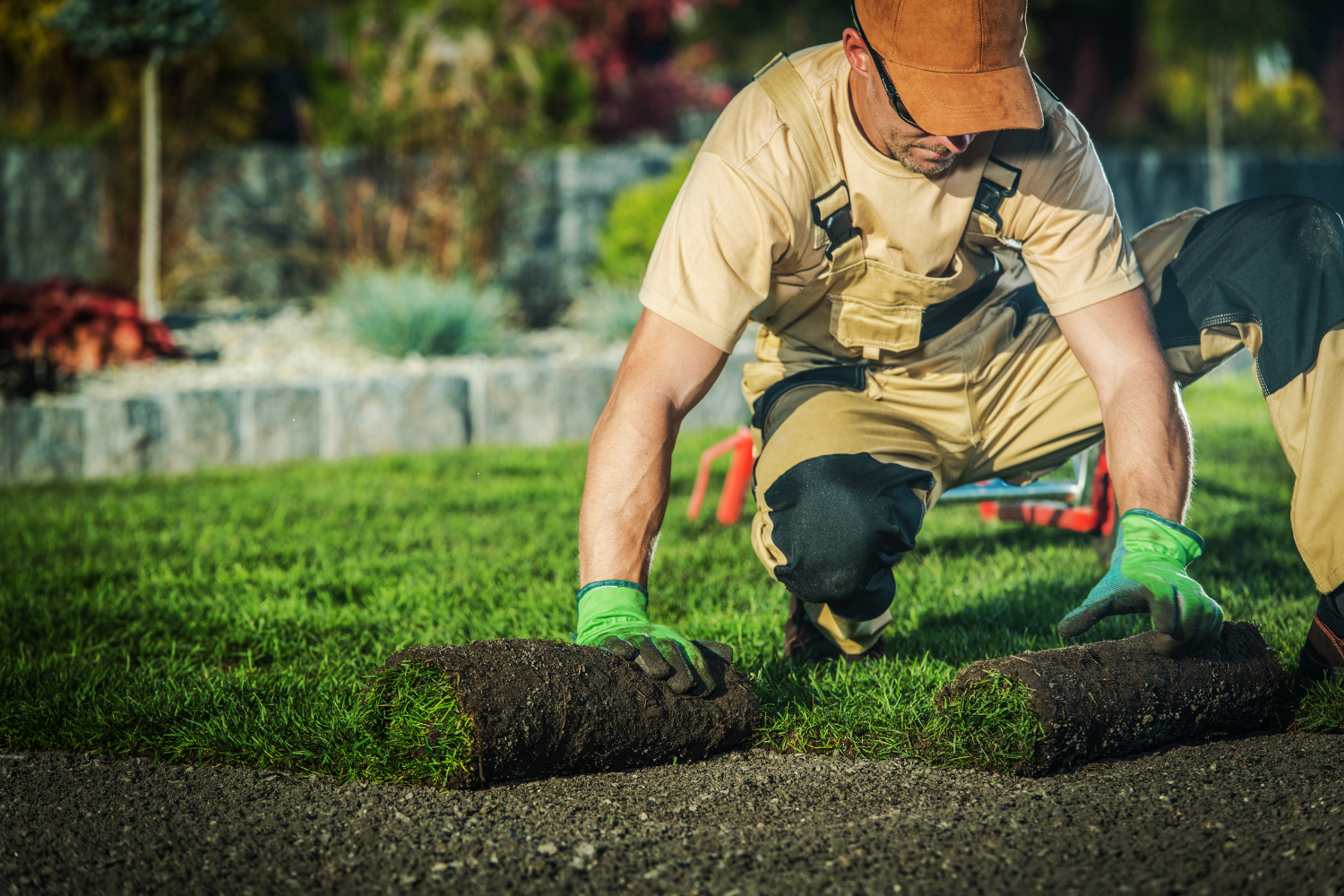
As many of you who follow my blog know, gardens evolve through trial and error. They need time and patience—usually three to four years before they really look "established." But in our world of instant gratification, we expect our gardens to look like those perfect online photos immediately after planting. This gap between natural growth cycles and our expectations creates unnecessary tension in what should be a rewarding partnership.
Like any professional field, the landscaping industry includes both dedicated artisans and opportunistic contractors. Quality professionals invest in their reputation and commit to ongoing education, while others simply view landscaping as a way to earn summer cash with minimal expertise (often operating unmarked trucks and insisting on cash payments). While some homeowners are satisfied with basic installations, those seeking a specific aesthetic require a more discerning approach to finding the right partner. If you're passionate about achieving a particular garden style, follow these steps to build a relationship with a landscaper who shares your vision.

1. Bring LOTS of Inspiration Photos
Compile a substantial collection of inspiration photos that reflect your desired garden style (refer to our garden styles blog post if you're unsure which direction you prefer). Be very specific about colors, planting style, and the varieties you want to see. Don't just say "I want a cottage garden"—specify "I want a cottage garden with a color palette of purples, blues, and whites, featuring delphiniums, lavender, and hydrangeas with a loose, naturalistic planting style." This level of detail helps your landscape partner understand exactly what you're envisioning.
Remember that your new landscape won't immediately resemble the mature examples in your photos, but confirm that your landscape partner is willing to install in that style. Ask if they've done similar work before and request to see examples from their portfolio that align with your vision.
This step initiates the partnership by ensuring you're both working toward the same aesthetic goal. A collaborative landscaper will be honest about whether your vision is achievable given your site conditions and budget.

2. Don't Just Ask for References—CALL Them!
While most contractors provide references, surprisingly few clients actually contact them. Make those calls! When speaking with references, ask specifically about communication practices, site cleanup procedures, and the overall quality of the finished job. Inquire about how responsive the landscaper was throughout the project and whether they maintained a tidy worksite.
All reviews should be treated with a grain of salt—it's difficult to know what triggers dissatisfaction in different clients, but these conversations will give you a feel for what to expect regardless. Previous clients offer valuable perspectives on the landscaper's reliability, problem-solving abilities, and whether the finished project matched their expectations. These conversations often reveal critical information that won't appear in a portfolio or proposal.
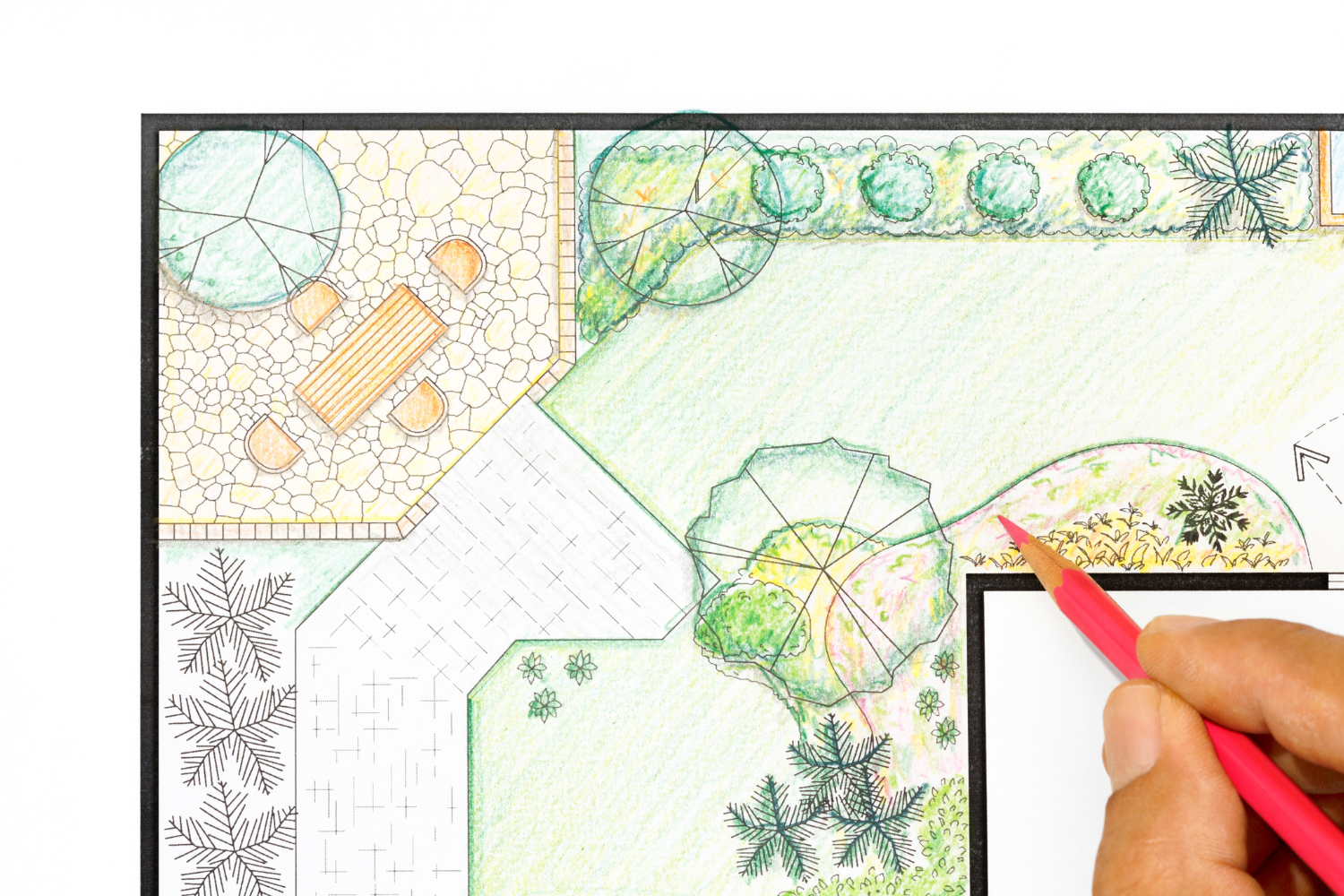
3. Request a Detailed Drawing of the Established Design
Insist on receiving a detailed drawing of your completed landscape design. This documentation isn't just for aesthetic approval—it's a crucial reference that helps you remember what's planted where long after installation is complete. Though you might think you'll remember every plant's location, varieties, and spacing, this information inevitably fades from memory. A proper design drawing becomes an invaluable resource for future maintenance, expansions, or troubleshooting.
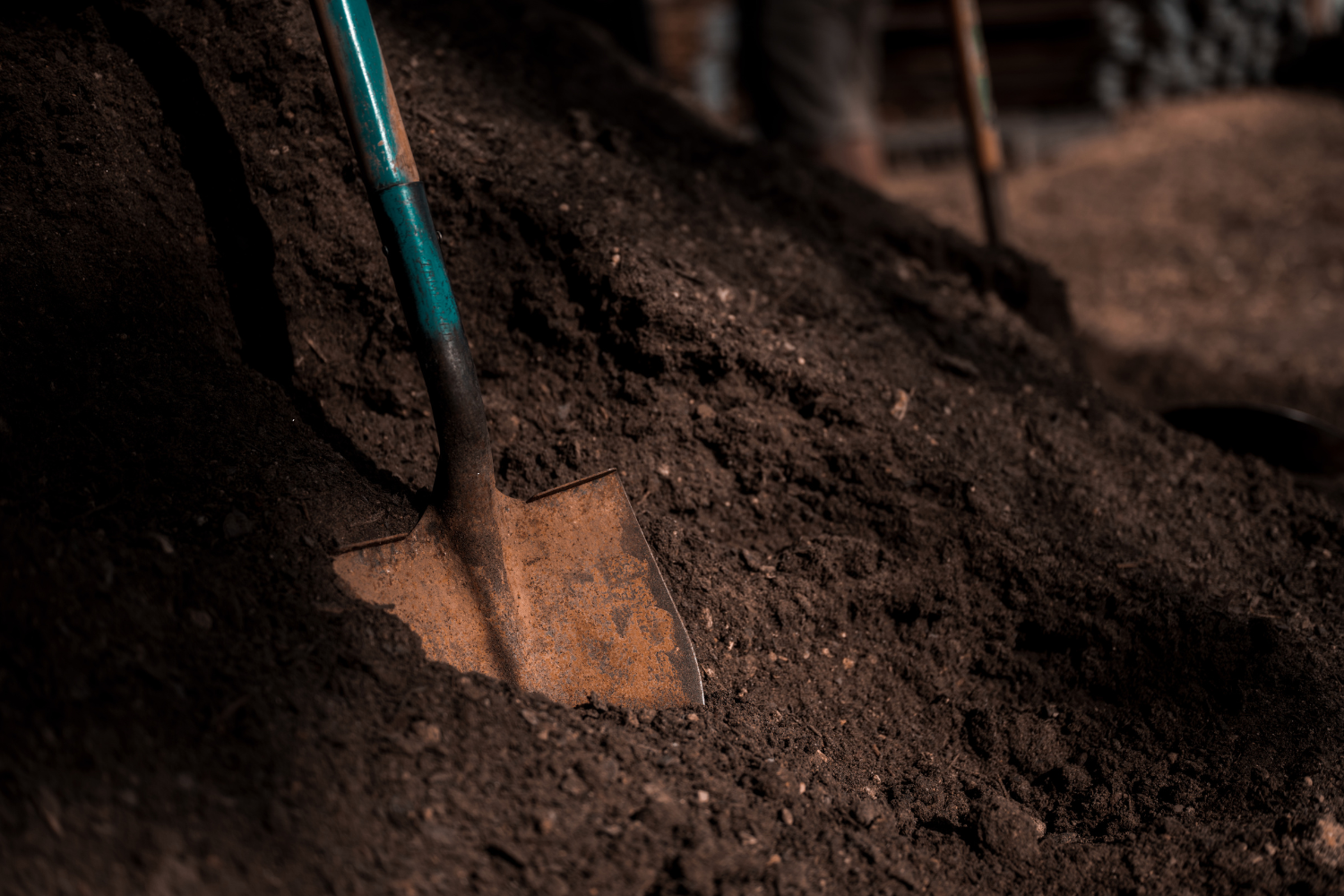
4. Investigate What Fill They're Using
Soil quality makes or breaks a landscape, yet it's frequently overlooked during the hiring process. If your landscaper is creating beds with topsoil only, you have a problem. Topsoil is light on organic matter, and plants simply won't thrive in it. Instead, insist on "garden soil," which contains organic matter mixed in to support robust plant growth.
Soil is IMPERATIVE—it comes before plants and everything else. Garden soil is sold in bulk at nurseries and isn't difficult to source. You also have every right to ask for receipts—literally! These will show you where they shop and verify the quality of materials going into your landscape.
5. Ask for All Plant Tags and Create a Care Calendar
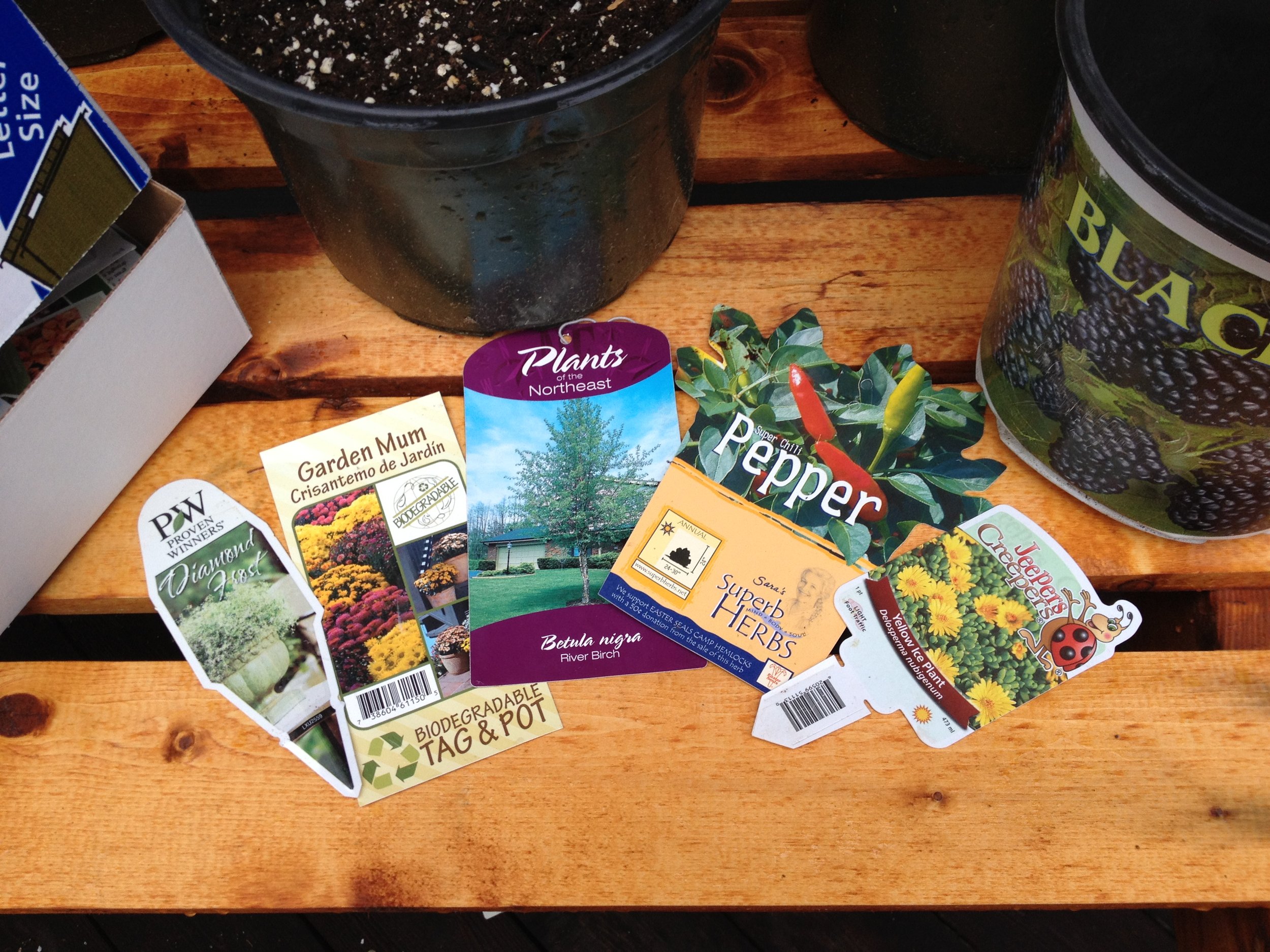
Request that your landscaper provide all plant tags after installation. Keep these in a binder with all project paperwork and use the tags to create a comprehensive care calendar. While exceptional landscapers might create one for you, most don't provide this level of detail.
Write down all the varieties, research their specific needs, and make notes on watering schedules, pruning timing, fertilization requirements, and seasonal care. This proactive approach ensures you'll maintain your investment properly for years to come.
A Final Note: Partnership and Patience
Creating a beautiful garden is a team effort between you, your landscaper, and nature. Be kind and realistic—even the best pros sometimes face failures. Moving beyond just seeing this as a service means understanding that both sides need to work together for success.
Gardens are living things that change and grow over time, sometimes surprising us in good and frustrating ways. These aren't just plants stuck in the ground—they're living systems that develop through the seasons and years, needing ongoing talks between everyone involved.
When working with your landscaper, be respectful and keep communication open. They bring valuable skills to your project, but they can't work magic. Weather delays happen, plants sometimes die even with good care, and your garden vision might take a few seasons to come to life. The best garden relationships need flexibility, trust, and patience from both sides.
By setting clear expectations from the start and growing your patience along with your plants, you'll build a rewarding relationship that brings both immediate happiness and long-term enjoyment. Remember, you're not just hiring someone to do a job—you're starting a working relationship that will help your garden grow and thrive for years.