
The Pinterest Trap
How to Turn Dream Gardens into Achievable Reality

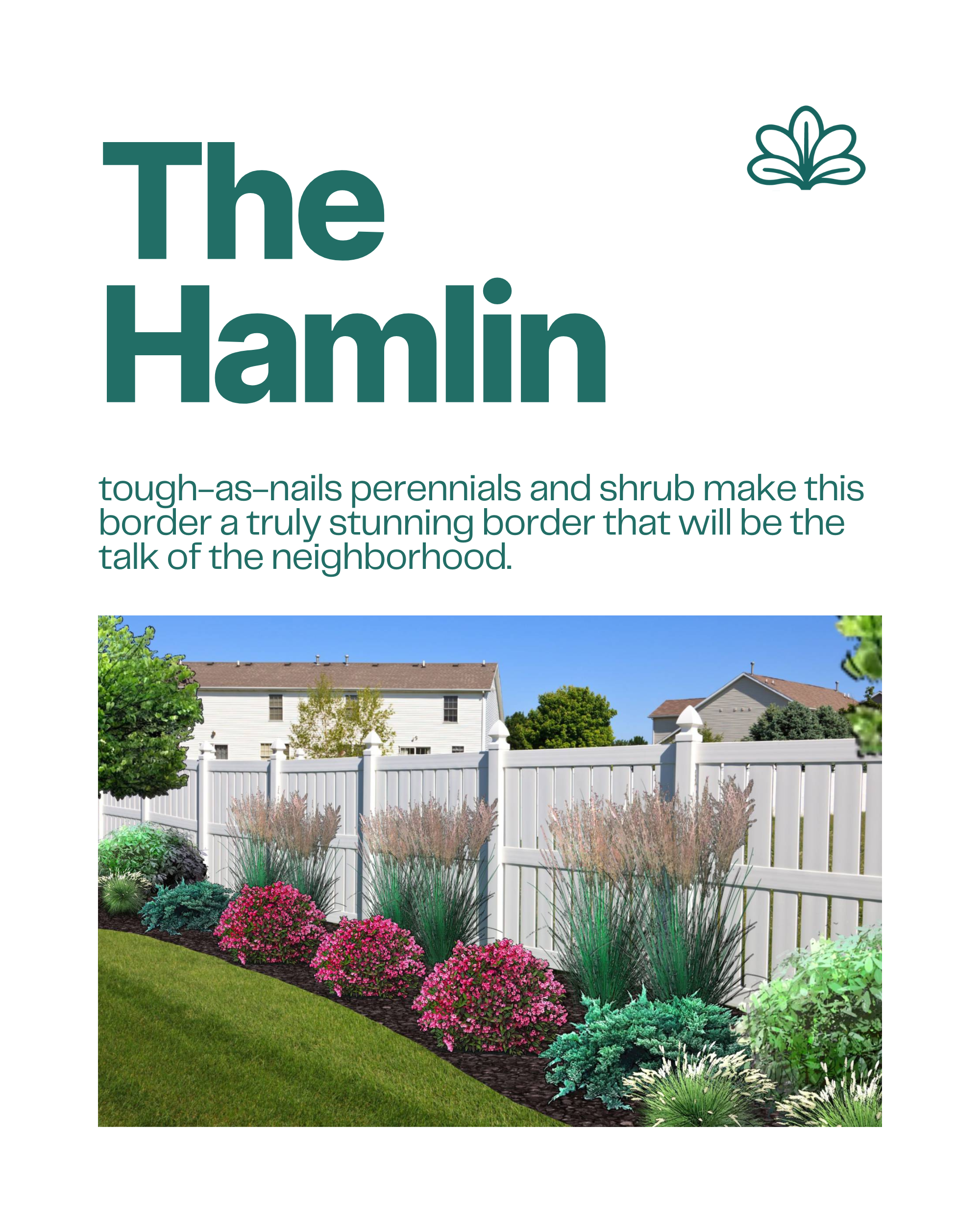
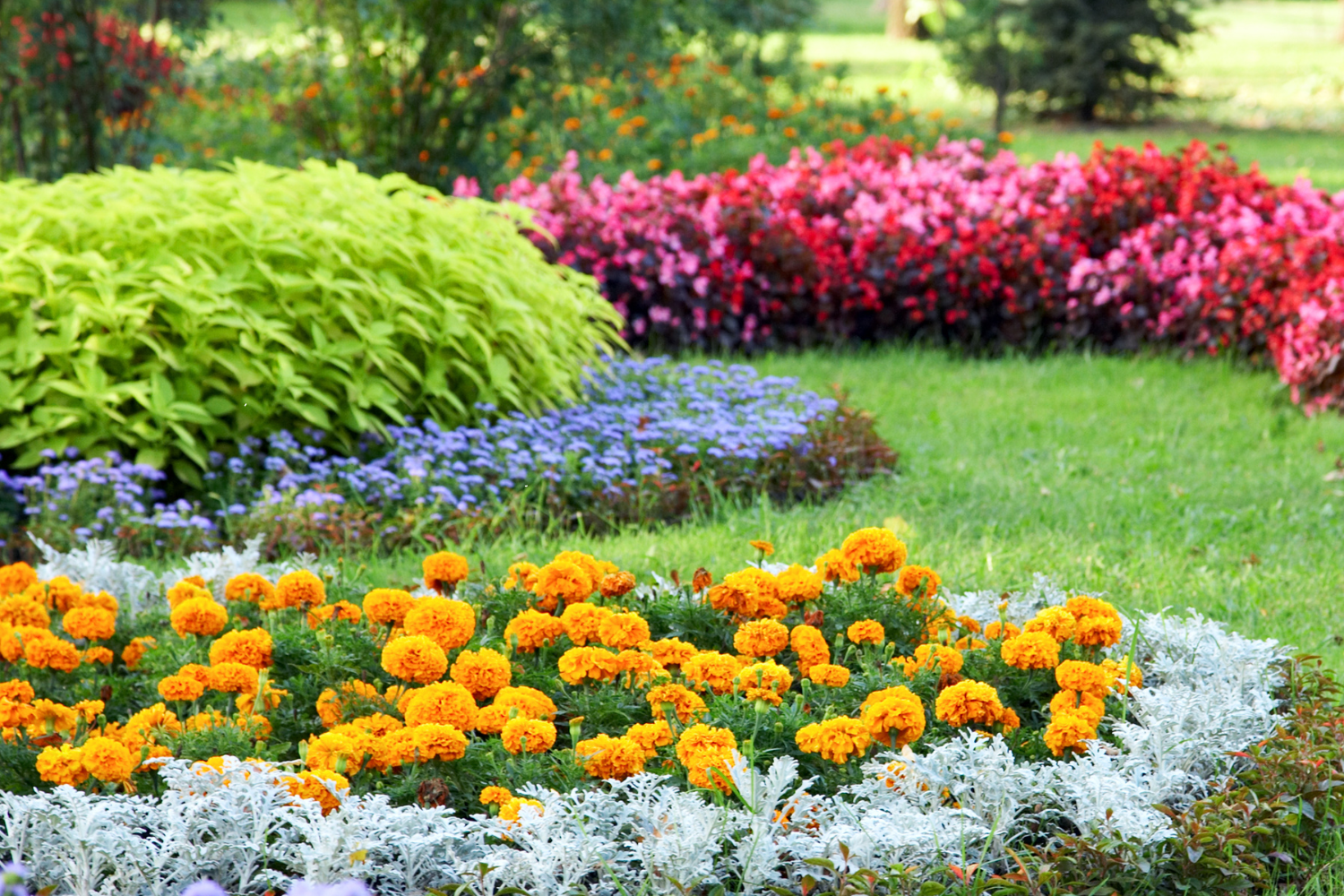
We all do it. We scroll through endless garden photos, saving the ones with perfect cottage gardens, stunning Japanese maples, or that ideal outdoor living space. But here's the hard truth – that gorgeous garden you just pinned? It's probably 5-7 years mature, professionally photographed, and shown on its absolute best day of the year.
The gap between these picture-perfect inspirations and your actual yard can lead to some serious disappointment if you're not prepared for reality. Let's talk about how to use those inspiration photos wisely and turn them into something that actually works for your specific site.
What Those Perfect Pictures Don't Show You
That dreamy English garden with roses tumbling over an arbor doesn't show the years of growth it took to get there. The photo doesn't reveal the maintenance required, the plant failures along the way, or how sparse it looked when first planted. Most importantly, it doesn't tell you whether those plants will even grow in your area!
Garden photos are like fashion magazine spreads—they show the ideal, not the everyday reality. That perfect moment was captured after hours of primping, probably with some dead stuff moved out of frame, and definitely with the best lighting.
How to Evaluate Your Actual Conditions
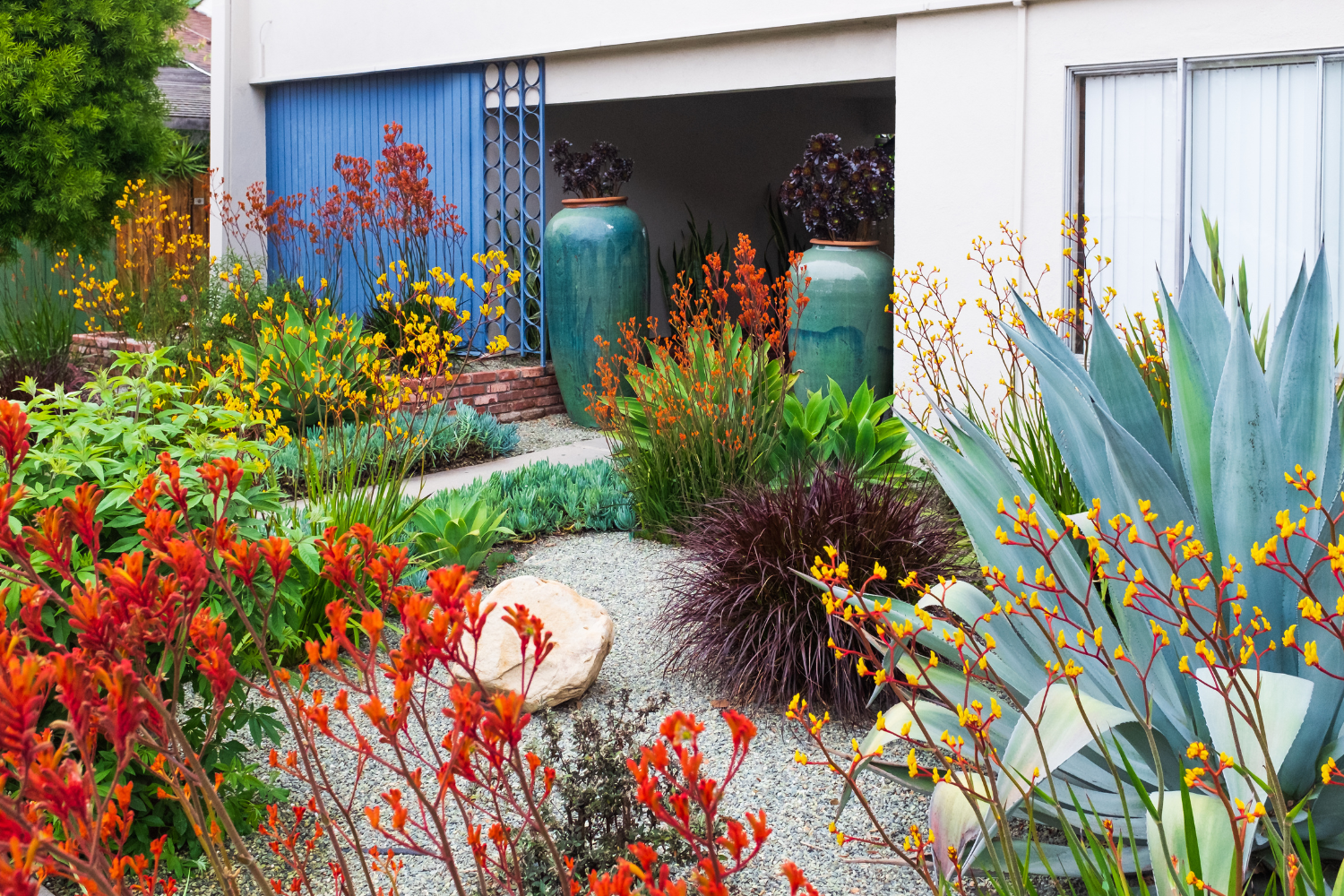
Before falling in love with a garden style that might not work for you, take a hard look at your actual growing conditions:
Light patterns: Don't just think "full sun" or "shade." Watch your yard through different seasons and times of day. That "full sun" spot might be baking hot afternoon sun that will fry delicate plants, not the gentle morning light they need.
Soil reality check: Your soil probably isn't the perfect loam shown in photos. Is it heavy clay that holds water? Sandy soil that drains too quickly? Rocky soil that makes digging a workout? Your soil dictates what will thrive, no matter how much you love a plant.
Space limitations: Those gorgeous hydrangeas need room to spread. That Japanese maple will eventually reach 20 feet across. Be honest about the space you actually have, not the space you wish you had.
Local challenges: Pinterest doesn't mention the deer that treat your yard like a buffet, the rabbits that mow down new shoots, or how your site turns into a wind tunnel during storms. These local factors matter more than any design trend.
Making Smart Substitutions
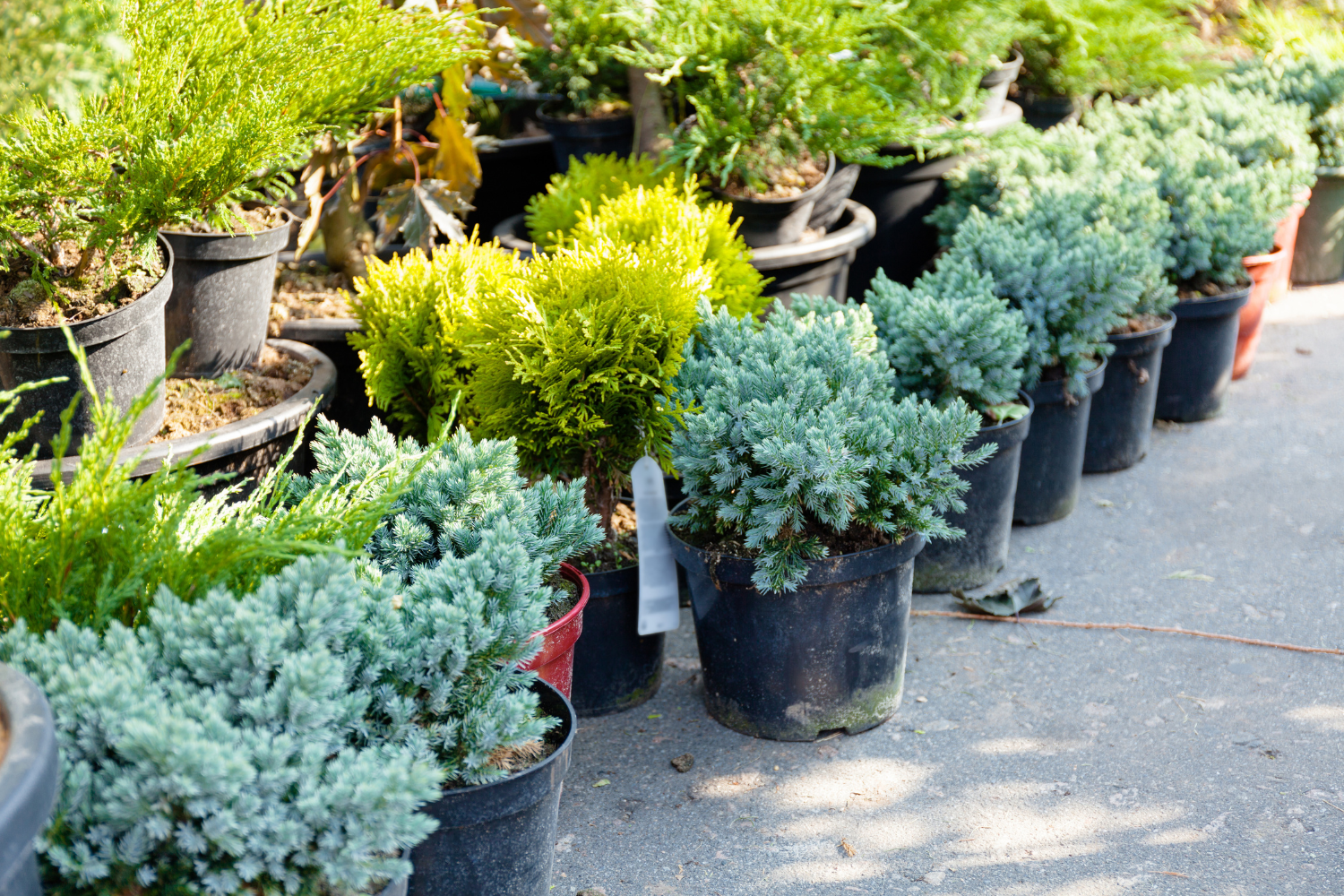
When you find an inspiration photo you love, instead of trying to copy it exactly, focus on capturing its feeling with plants that will actually work for you:
Find regional alternatives: That stunning English lavender might struggle in your humid climate, but there might be a native plant with a similar look that will thrive.
Work with local experts: Local nurseries and extension offices know what actually grows in your area. Bring in your inspiration photos and ask, "What would give me this same feel but actually survive here?"
Capture the "feel" instead of exact plants: Is it the color palette you love? The mix of textures? The casual, flowing style? You can recreate these elements with completely different plants that suit your conditions.
The Timeline Truth
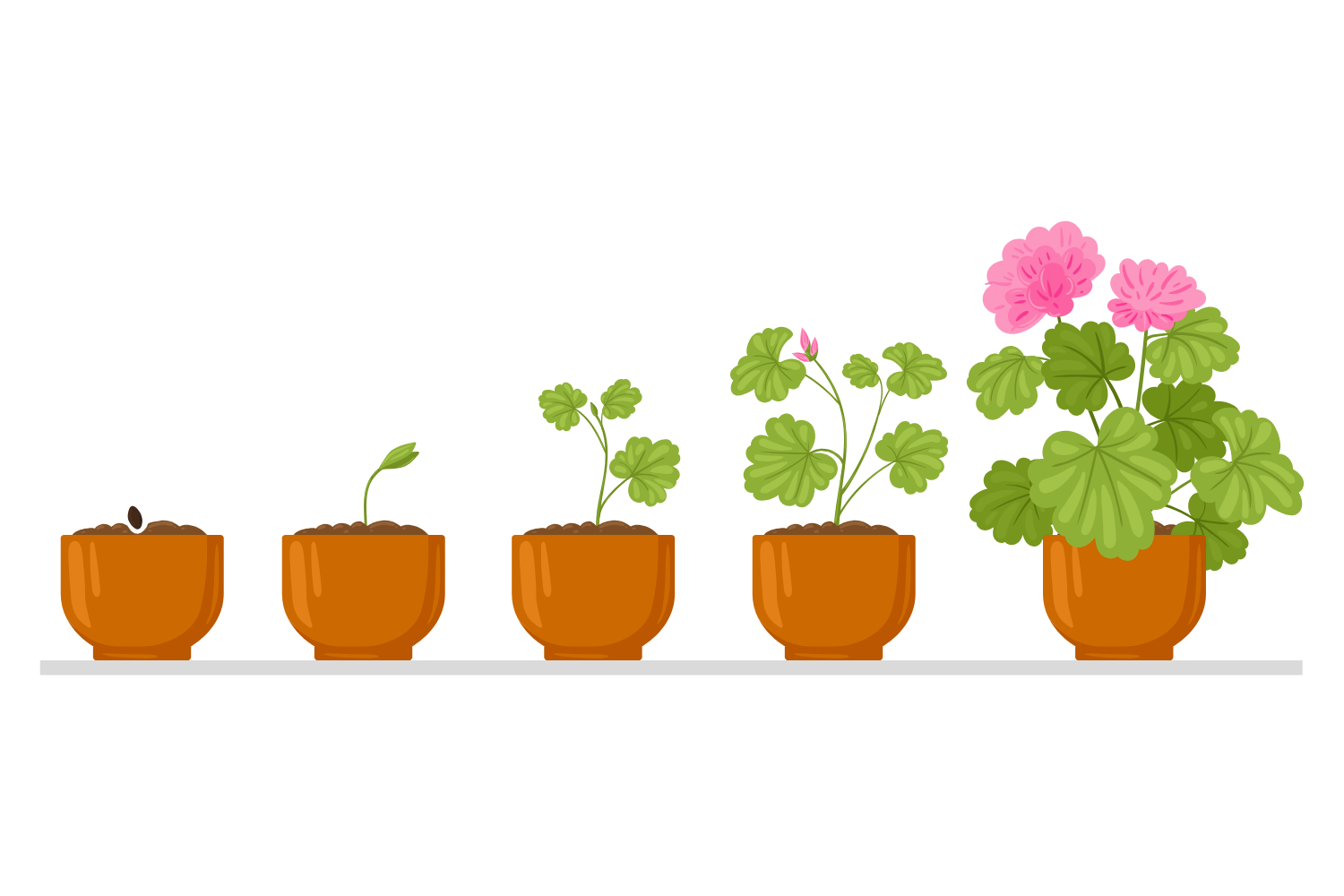
Gardens aren't installed—they grow. Here's what to really expect:
Year one: "The year of sleep" – New plants focus energy on root growth. They might not look impressive above ground, and your garden will have obvious gaps.
Year two: "The year of creep" – Plants start to fill out a bit, but your garden still won't look like your inspiration photos.
Year three: "The year of leap" – This is when most perennials hit their stride and finally start to create the effect you've been waiting for.
And that stunning, mature garden you pinned? That's probably year five or beyond.
Embracing the Process Instead of the Perfect Photo
The truth is, gardening is about the journey, not just the destination. Some of the most rewarding parts happen during the "awkward teenage years" of your garden:
The excitement of seeing new growth emerge each spring
Learning which plants really thrive in your specific conditions
The satisfaction of solving problems and seeing improvements
The surprise when something performs better than expected
These moments don't show up in perfect Pinterest photos, but they're what make gardening deeply satisfying over time.
A Better Way to Use Inspiration Photos
Instead of setting yourself up for disappointment, try using inspiration photos in these ways:
Look for patterns in what attracts you (colors, textures, styles) rather than specific plants
Note the "bones" of designs you like (pathways, bed shapes, structural elements)
Use photos to communicate your aesthetic preferences to professionals
Create a vision for your mature garden while enjoying each stage of growth
Remember, the most beautiful gardens aren't perfect—they're personal. They reflect your specific site, your climate challenges, and the care you've given over time. That's something no Pinterest garden can match, no matter how perfect the photo.
When to Seek Professional Help
Sometimes the gap between inspiration and reality is just too wide to bridge on your own. A garden designer who knows your local conditions can help you:
Identify which elements from your inspiration photos can work in your space
Suggest appropriate substitutions for plants that won't thrive
Create a realistic planting plan that will mature into the look you want
Develop a phased approach if budget constraints require spreading the work over time
Most importantly, they'll set honest expectations about timeline, maintenance, and what's actually possible in your specific site.
Your garden will never look exactly like your Pinterest board—it will look like your garden, growing in your conditions, reflecting your care. And in the end, that's so much better than a perfect photo.