

How to Plant on a Slope
Planting on a slope can transform a challenging terrain into a beautiful and functional garden. However, it comes with its own set of challenges, from erosion control to managing water runoff. This guide will walk you through the best practices to ensure your slope planting project is a resounding success.
Understanding the Challenges
Erosion Control
One of the most significant challenges of slope planting is soil erosion. Heavy rains can wash away topsoil, seeds, and young plants, making it difficult for anything to establish and grow.
Water Runoff
Slopes can cause water to run off too quickly, depriving plants of much-needed moisture. Conversely, water can pool at the bottom, potentially waterlogging plants in that area.
Soil Stability
Maintaining soil stability is crucial. Loose soil can slide down, especially during heavy rains, undermining your planting efforts.
Access for Maintenance
Steep slopes can be challenging to access for regular maintenance tasks like weeding, pruning, and watering, which are essential for a healthy garden.
Steps to Successful Slope Planting
1. Assess the Slope
Before you start planting, assess the slope's steepness and soil type. Gentle slopes (less than 30 degrees) are easier to work with, while steeper slopes may require more intensive stabilization techniques.
2. Choose the Right Plants
Selecting the right plants is crucial for slope planting. For zone five, consider the following options:
Groundcovers: Such as creeping juniper, vinca minor, and thyme, which spread quickly and help stabilize soil.
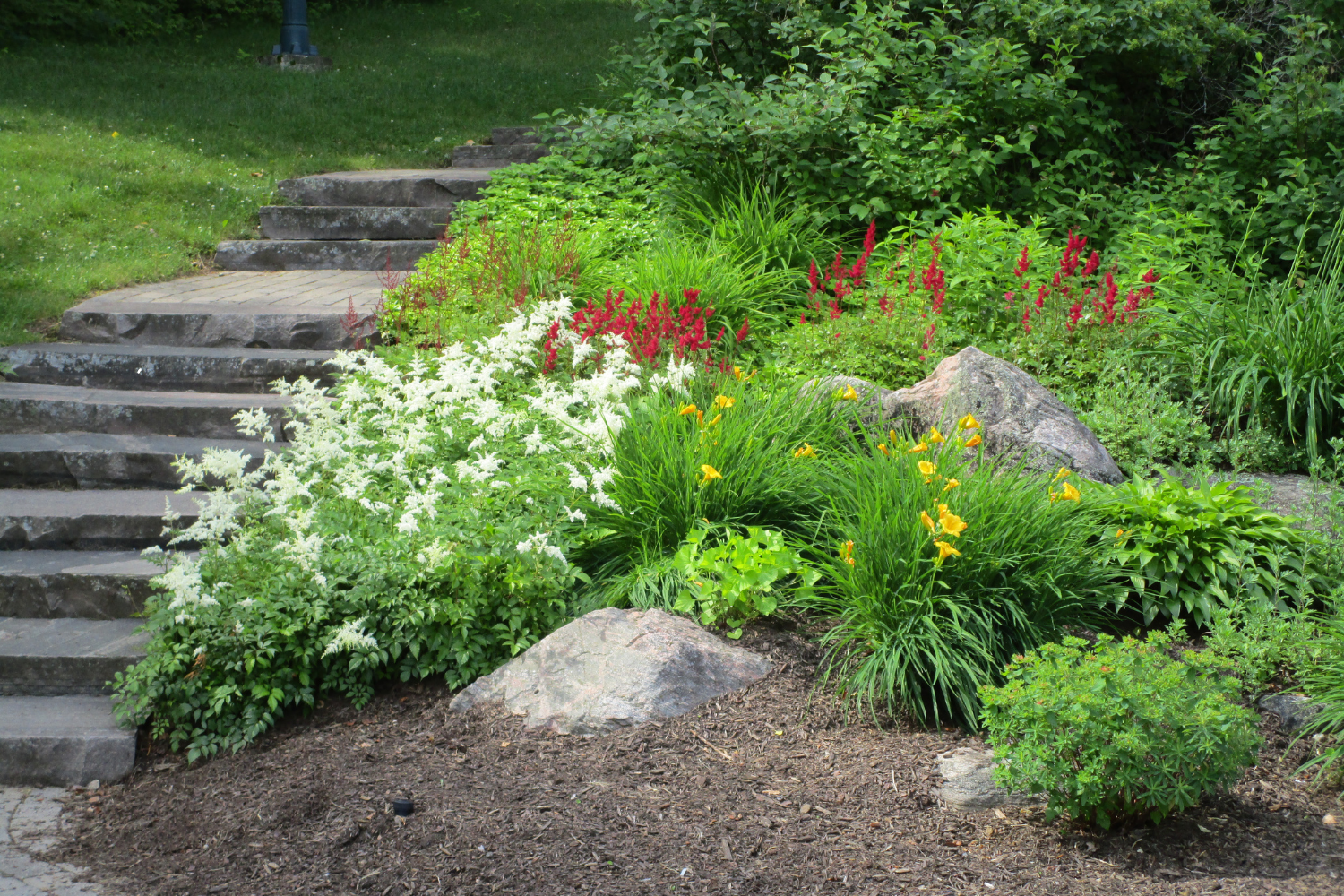
Perennials: Like daylilies, hostas, and asters, which have deep root systems that hold soil in place.
Shrubs: Including sumac, dogwood, and spirea, which provide structure and help prevent erosion.

3. Prepare the Soil
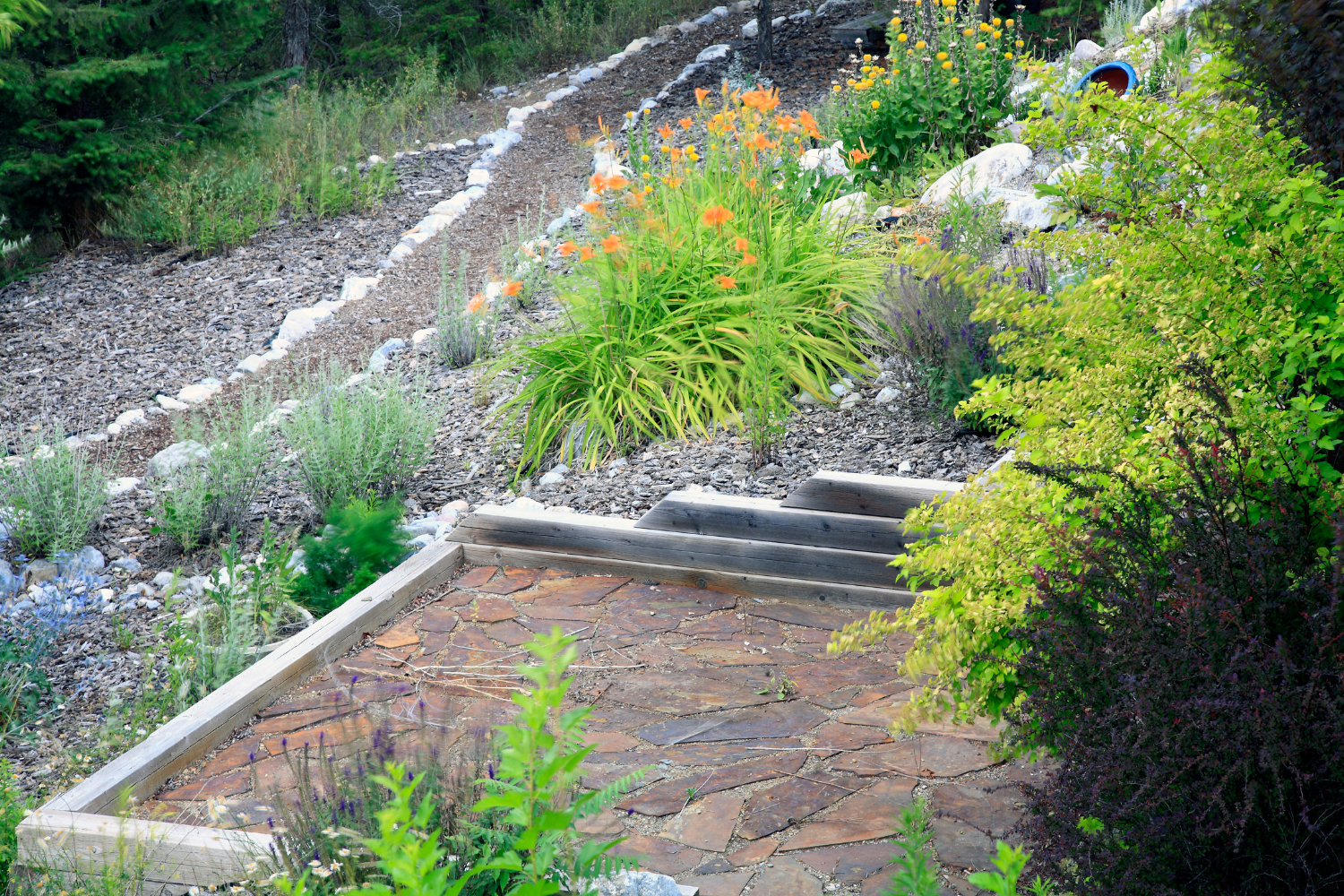
Amend the soil to improve drainage and fertility. Adding compost or well-rotted manure can enhance soil structure and nutrient content. For steeper slopes, consider terracing to create flat planting areas that reduce erosion.
4. Install Erosion Control Measures
Use erosion control measures such as:
Mulch: Apply a thick layer of mulch around plants to retain moisture and protect soil from erosion.
Erosion control blankets: These biodegradable mats can be laid over the soil to hold it in place while plants establish.
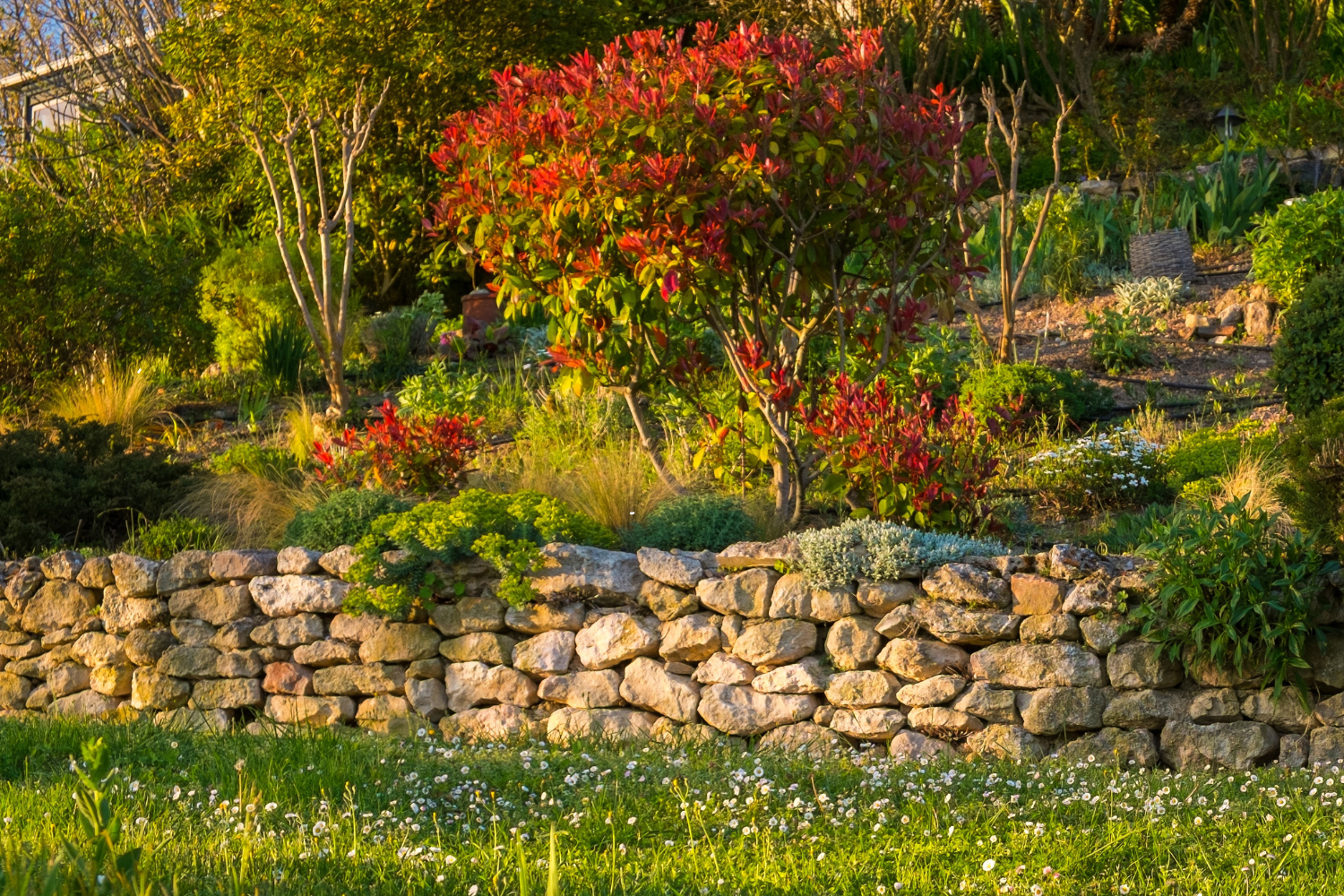
Terracing: Create terraces or retaining walls to break the slope into manageable sections and reduce runoff.
5. Plant Strategically
Follow these strategies for planting on a slope:
Contour Planting: Plant along the contours of the slope to slow down water runoff and encourage water absorption.
Cluster Planting: Group plants together in clusters to create a more natural look and reduce erosion.
Staggered Rows: Plant in staggered rows to prevent water from running straight down the slope.
6. Water Wisely
Watering on a slope requires careful planning:
Drip Irrigation: Use a drip irrigation system to deliver water directly to the plant roots, reducing runoff and evaporation.
Water Retention: Create small berms or basins around plants to catch and hold water.
Regular Monitoring: Check the soil regularly to ensure plants are receiving adequate water without becoming waterlogged.
7. Maintain Regularly
Regular maintenance is key to keeping your slope garden thriving:
Weeding: Keep the area weed-free to reduce competition for nutrients and water.
Pruning: Prune plants to maintain their shape and encourage healthy growth.
Mulching: Replenish mulch as needed to maintain soil moisture and prevent erosion.
Conclusion
Planting on a slope has its challenges, but with careful planning and the right techniques, you can create a stunning, sustainable garden. Remember to assess the slope, choose appropriate plants, prepare the soil, implement erosion control measures, and maintain your garden regularly.