

Protecting Your Trees this Winter
Winter is coming, and for many gardeners this means taking steps to ensure that their beloved trees are well-protected against the cold. While trees are naturally resilient, they still require a bit of TLC to withstand harsh winter conditions. Follow these expert tips to keep your trees healthy and happy through the colder months.
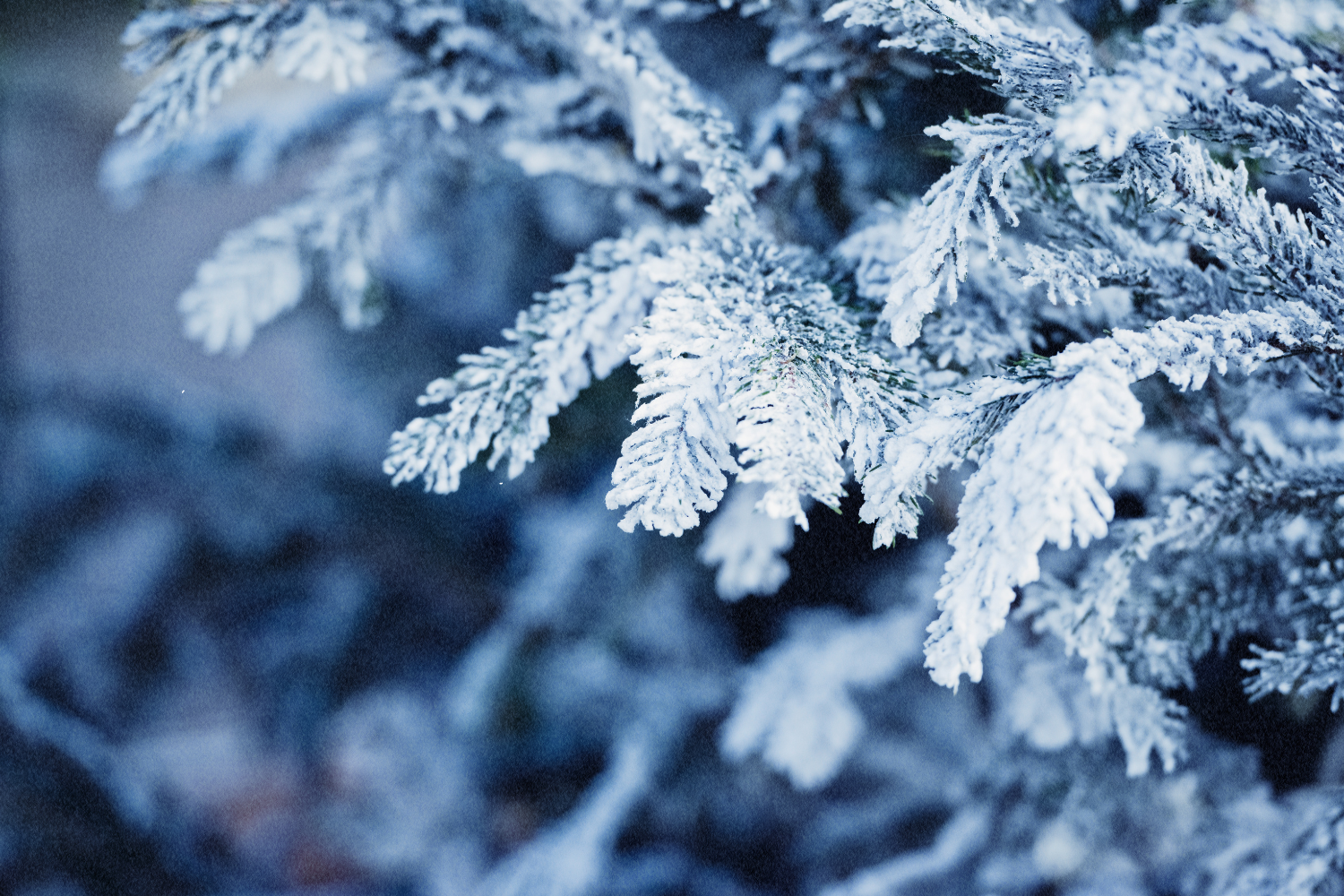
Keep Watering Newly Planted Trees
Even as temperatures drop, it's crucial to continue watering newly planted trees until the ground freezes. Newly planted trees need consistent moisture to establish a strong root system, which is essential for surviving the winter and thriving in the coming growing seasons. Aim to water deeply once a week, allowing the water to penetrate the soil and reach the roots. This deep watering encourages roots to grow downward and establish themselves firmly in the soil. By providing adequate water now, you give your trees a better chance of enduring harsh winter conditions and emerging healthy in the spring.
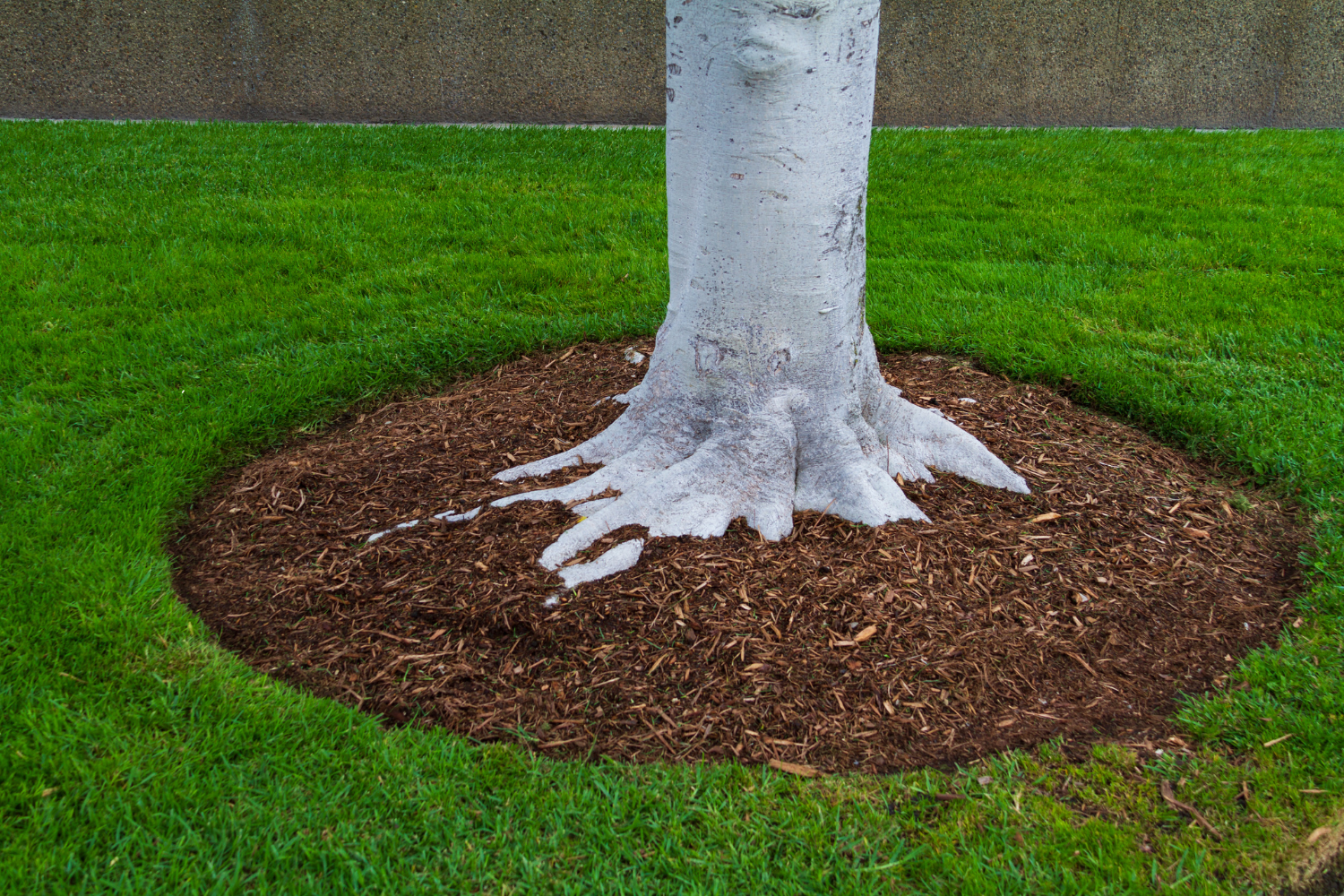
Mulch for Moisture and Temperature Regulation
Applying a layer of mulch around the base of your trees is an effective way to retain moisture and regulate soil temperature throughout the year. Mulch serves as an insulating blanket, providing a protective barrier for the roots against extreme cold in the winter and helping to keep the soil cool during hot summer months. When spreading mulch, aim for a layer that’s 2 to 4 inches thick. Be careful to keep the mulch away from the trunk to prevent rot and pests, ensuring a healthy growing environment for your trees. Additionally, mulch helps suppress weed growth, reducing competition for water and nutrients, thereby promoting stronger and healthier trees.
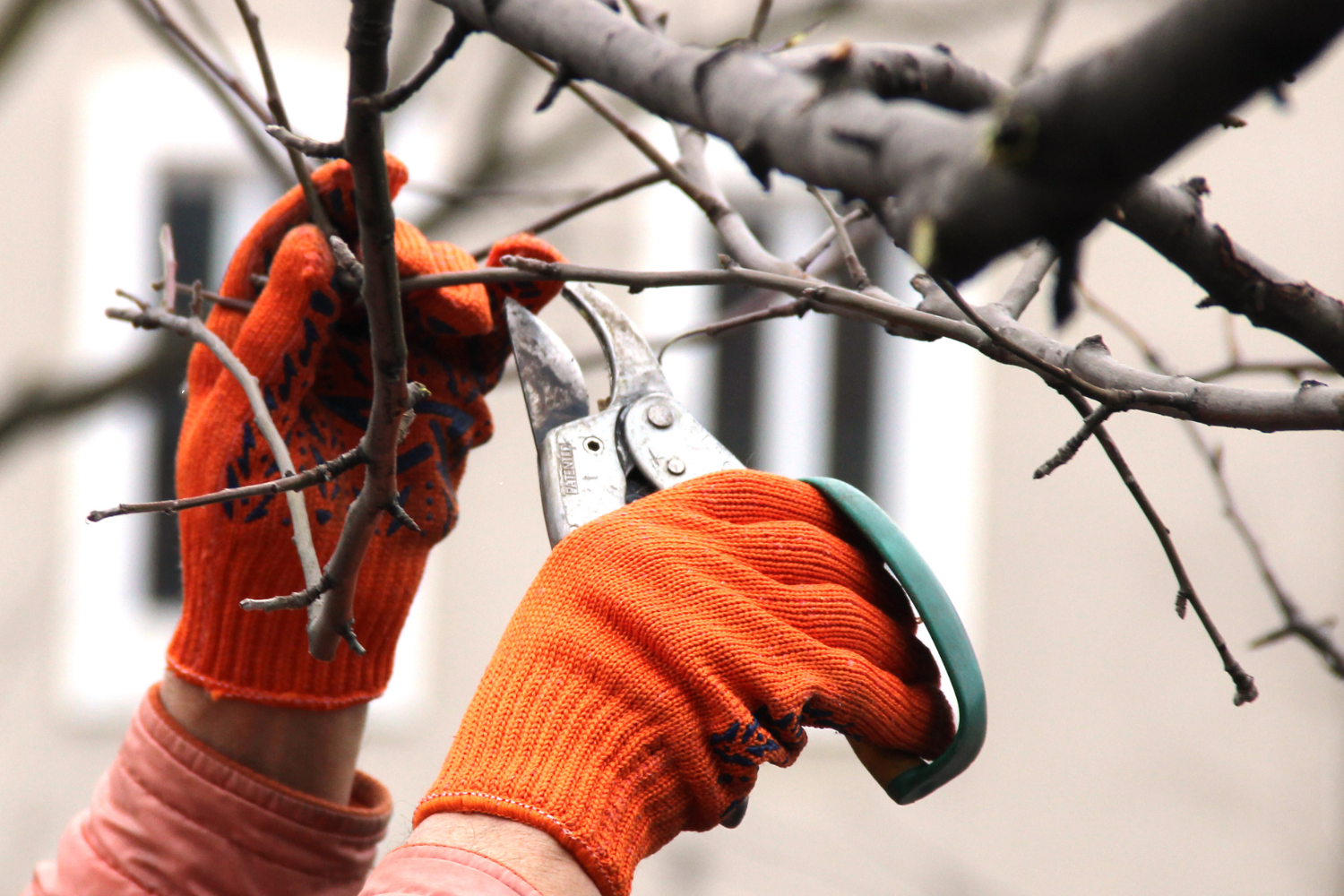
Prune Problematic Branches
Before winter storms hit, take time to prune your trees to remove any dead or weak branches. These vulnerable branches can easily break under the weight of snow and ice, posing a risk not only to the tree itself but also to property, vehicles, or people below. Pruning helps maintain the tree's structural integrity and reduces the likelihood of damage during severe weather conditions. Additionally, regular pruning encourages healthy growth, improves airflow, and decreases the chance of disease, ensuring your trees remain strong and resilient throughout the winter months.
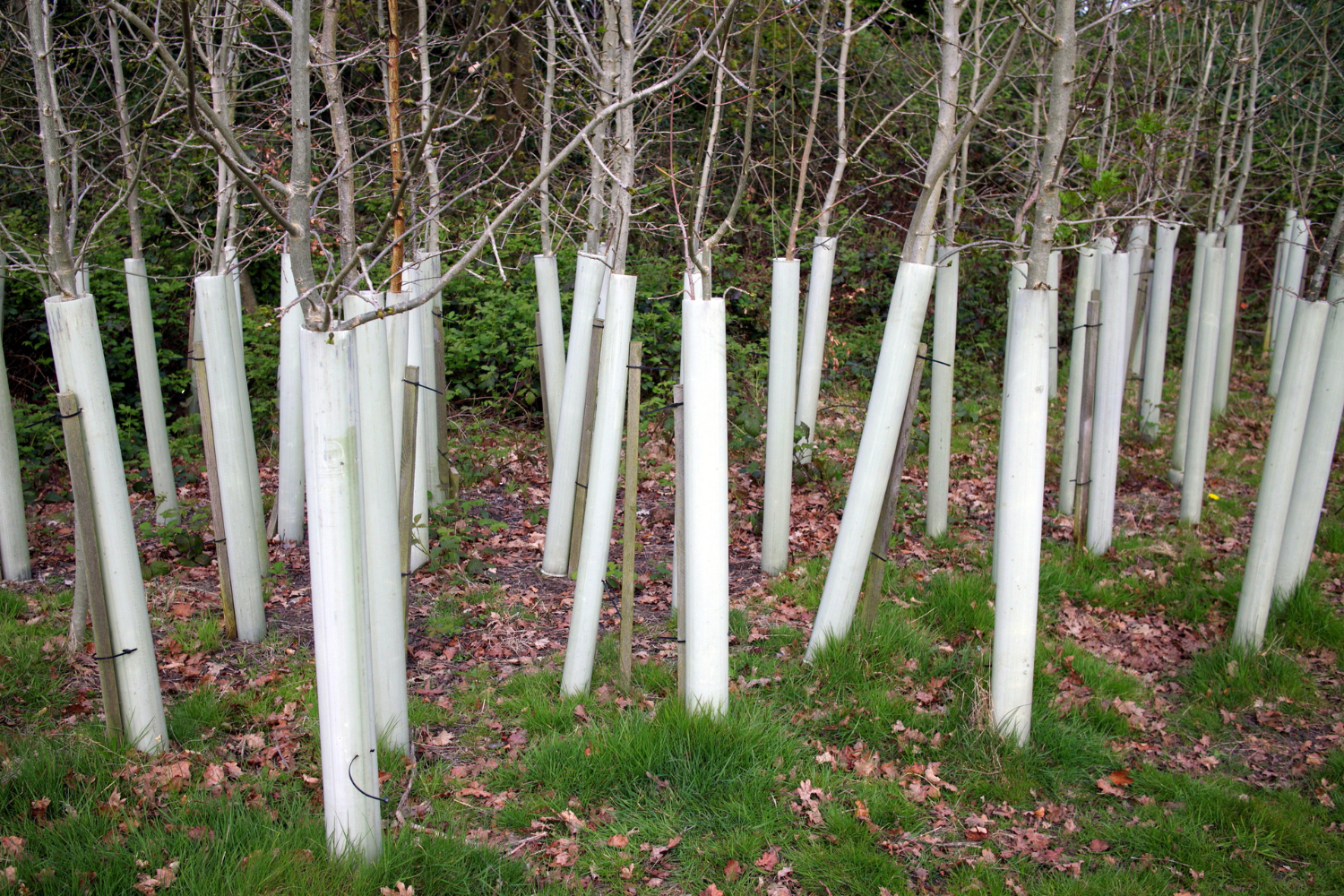
Use Tree Wraps and Burlap for Protection
Protecting your trees' trunks from frost, cold winds, and deer rubbing is vital to ensure their health and longevity. These elements can cause significant damage, leading to potential disease or even the death of the tree. To safeguard against such harsh conditions, you can use tree wraps or burlap. These materials act as a barrier, insulating the trunk and preventing direct contact with the cold while also deterring deer from rubbing their antlers against the bark. When applying the wrap, start at the base of the trunk and work your way upwards, making sure to cover the trunk adequately. It’s important to ensure the wrap is snug but not too tightly bound, allowing for some natural expansion and contraction as the tree grows. This simple yet effective measure can make a significant difference in your trees’ ability to withstand the challenges of winter.

Anti-Desiccant Sprays for Evergreens
Evergreen trees are particularly susceptible to winter dehydration, especially when exposed to harsh, drying winds that can sap their moisture. These conditions can cause the foliage to become brittle and lead to damage if not properly addressed. To combat this, consider using anti-desiccant sprays, which are specifically designed to lock in moisture and shield the foliage from the elements. These sprays form a protective barrier on the leaves, reducing water loss and helping the trees withstand the winter months. For optimal effectiveness, apply the spray in late fall when temperatures are above freezing, ensuring that the trees are well-prepared for the lower temperatures and harsh conditions ahead.

Install Fencing to Keep Deer at Bay
Deer can cause significant damage to trees by eating branches and rubbing against trunks, which can lead to weakened tree structures and hindered growth. To prevent this, it's crucial to install fencing that is at least 6 feet tall around your trees. This height is typically sufficient to deter deer, as they are less likely to jump over a barrier of this size. This physical barrier not only helps keep deer from nibbling on your precious greenery but also protects the trees from the deer rubbing their antlers against the bark, which can strip away protective layers and expose the tree to diseases. Additionally, maintaining clear ground around the fence can further discourage deer from approaching, as they prefer areas where they feel safe and hidden. Implementing these measures can significantly enhance the health and longevity of your trees.

Avoid Salt Near Trees
While salt is a common solution for melting ice, it can be detrimental to trees, harming their roots and leaves by drawing moisture away and causing dehydration. The salt can seep into the soil, affecting tree health over time. Instead, consider using alternatives like sand or gravel near trees, which provide traction without the negative side effects. These options can prevent slipping hazards while protecting the environment. If you must use salt, apply it sparingly and keep it as far from your trees as possible to minimize exposure and potential damage. Additionally, rinsing the area with water after ice has melted can help dilute any lingering salt.
Conclusion
By following these tips, you can ensure that your trees remain healthy and vibrant throughout the winter. Taking proactive measures now will not only protect your trees during the cold months but also set them up for a strong start in spring. For more gardening tips and advice, stay tuned to our blog. Happy gardening!