

January’s Design Lesson
What Your Winter Garden is Trying to Tell You
Winter in Buffalo strips our gardens down to essentials, revealing crucial information about our landscapes that summer conceals. As I walk through dormant gardens with my design clients, I'm often struck by how much clearer certain problems - and opportunities - become when viewed through winter's lens.
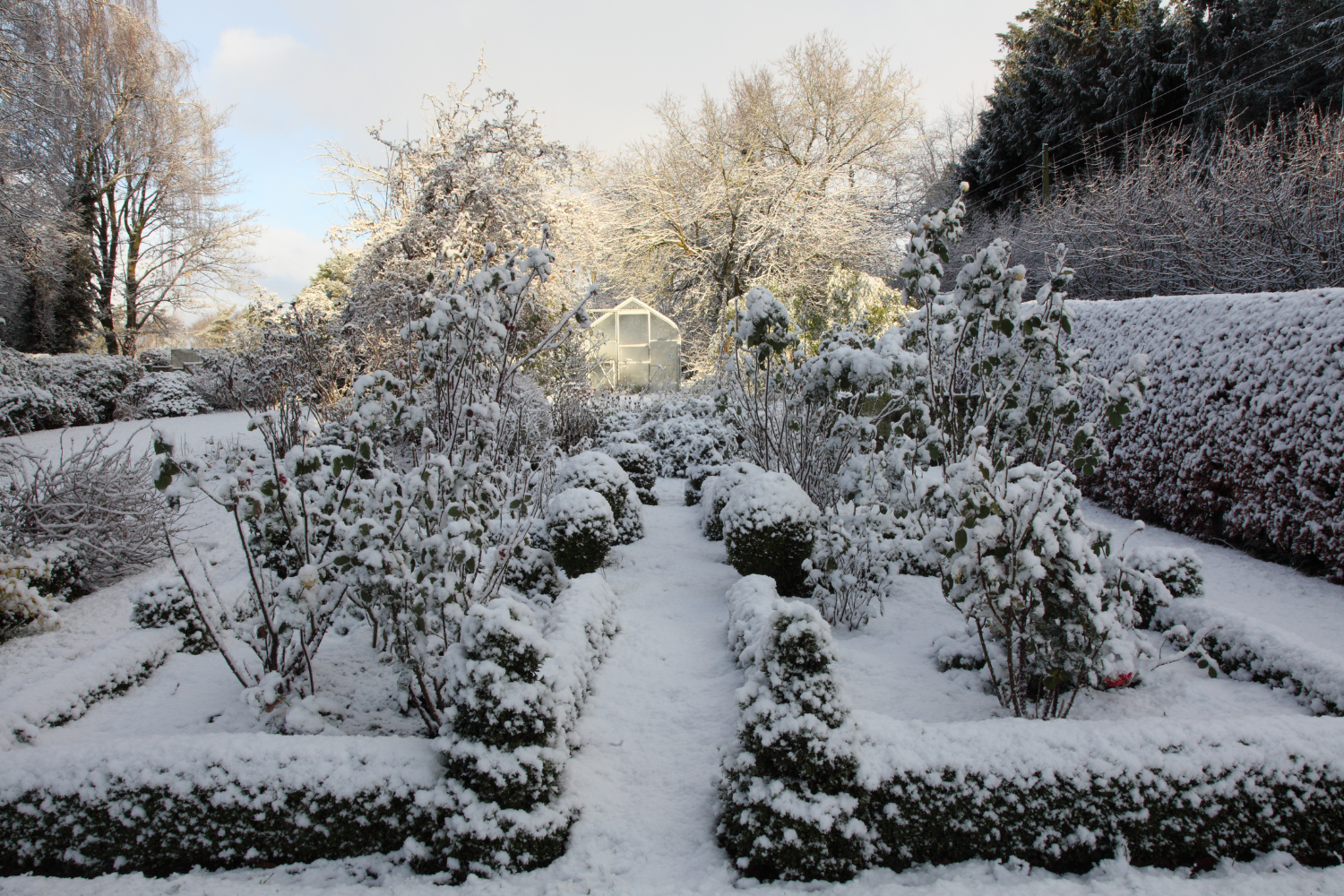
Snow Patterns: Nature's Design Guide
Our legendary lake effect snow is more than just a seasonal challenge - it's a valuable diagnostic tool. In gardens I've designed across Western New York, snow patterns consistently reveal:
Natural collection points that could support spring bulb displays
Problematic drifting areas that need windbreak plantings
Heat-leaking spots near foundations that require different plant choices
Drainage issues that only become apparent during winter thaws

Structure vs. Collapse
Winter pressure-tests our garden design choices. When I revisit client gardens after heavy snow, I see clear evidence of what works and what doesn't:
Which shrubs maintain their form under snow load (and which cave)
Where paths and steps become treacherous without proper grading
How effectively foundation plantings protect the house
Which garden features provide genuine winter interest, not just summer show
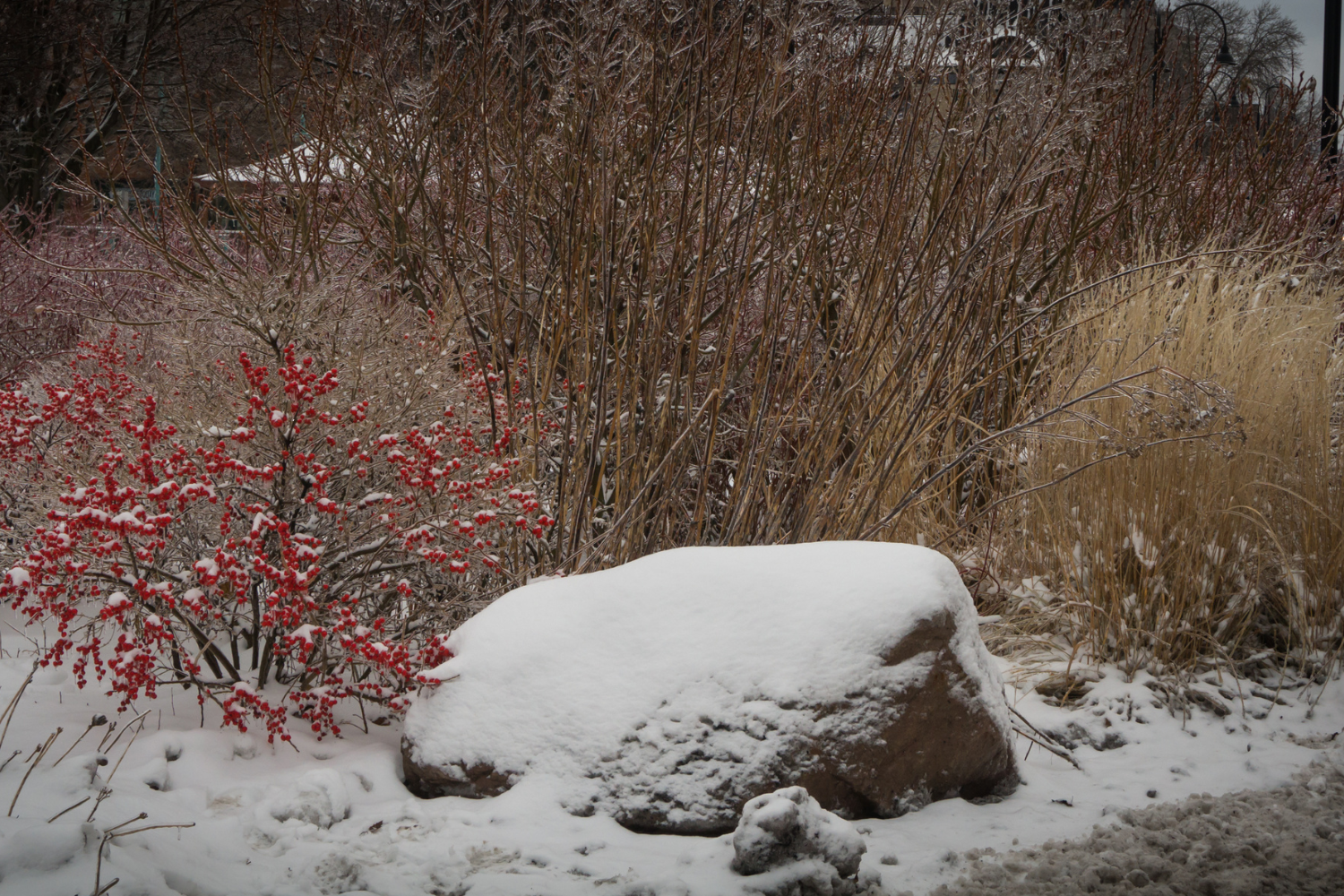
Hidden Design Opportunities
Buffalo's long winters reveal opportunities that might not be obvious in other seasons:
Views from winter-used rooms that need evergreen screening
Perfect spots for red-twig dogwoods where snow naturally drifts
Places where stone walls could double as snow barriers and summer seating
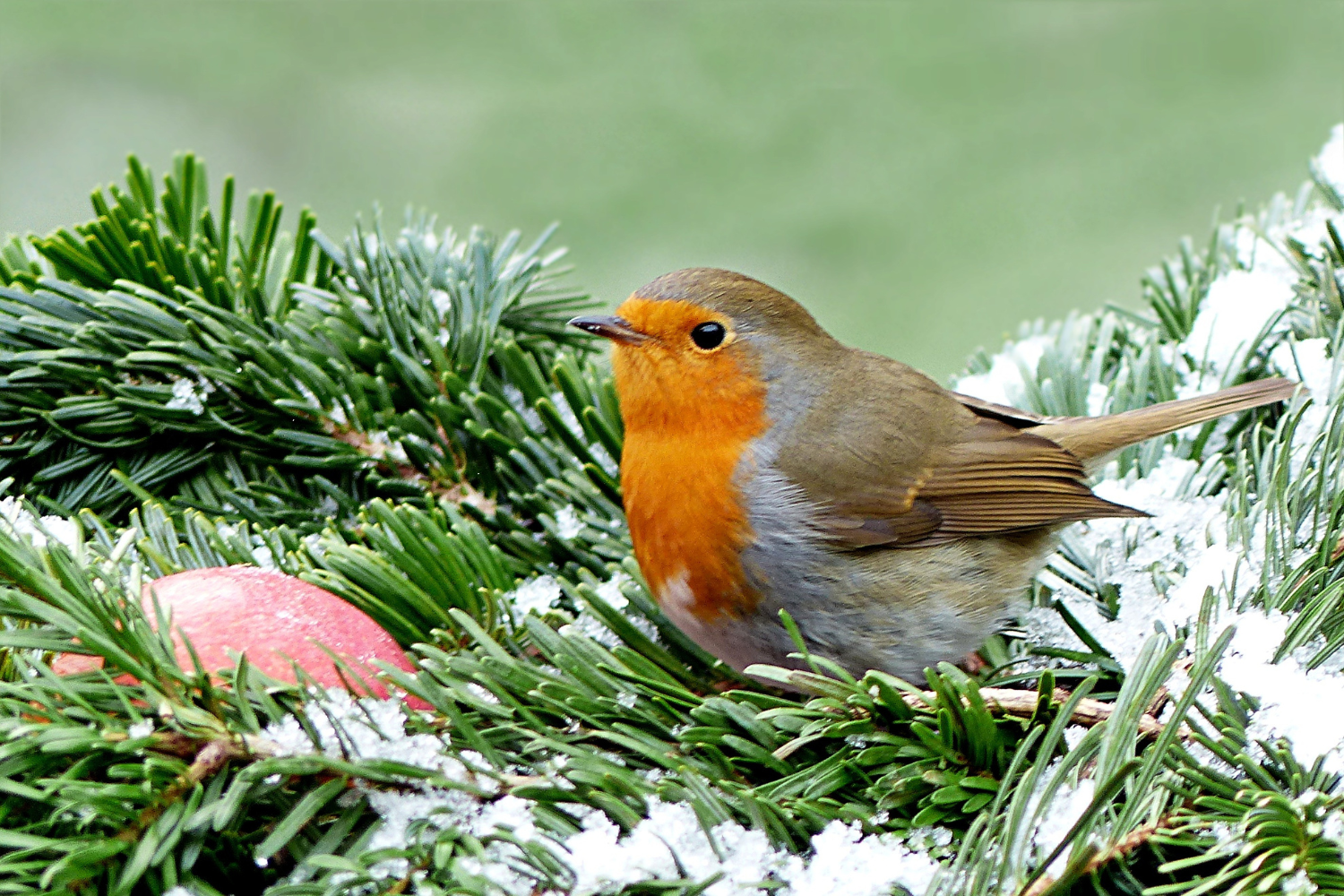
Areas that could benefit from winter-fruiting shrubs for birds
Looking Ahead
Rather than fretting about winter damage, use this season to plan improvements:
Mark spots where spring bulbs could brighten early thaw zones
Note where paths might need realignment based on winter foot traffic
Identify places where structural plants could better support perennial groups
Document successful plant combinations that shine even in winter
Your winter garden isn't sleeping - it's showing you exactly what it needs to thrive year-round in our challenging climate. We just need to learn to read the signs.
