

Winter's Wisdom
Learning to Trust the Quiet Season
There's something about the first real snowfall that shifts our relationship with our gardens. The familiar landscape transforms under winter's brushstrokes, and with that transformation often comes an peculiar kind of anxiety. I see it in my clients' eyes when they call in January, worried about branches bowing under snow or evergreens wrapped in frost. As a garden designer in our region, I've learned that winter brings not just physical changes to our gardens, but emotional ones as well.

We are, by nature, interventionist creatures. Our instinct is to fix, to protect, to somehow shield our beloved plants from winter's perceived harshness. Yet the garden, in its ancient wisdom, knows better. Those brown stalks of ornamental grasses catching the low winter sun aren't failures of gardening - they're essential shelters for overwintering insects. The fallen leaves we're tempted to rake away are slowly transforming into next spring's soil richness. Even the frost crystals that make us fret about our boxwoods are part of a complex dance between season and soil, plant and sky.
Perhaps what we really need in winter is not more garden tasks, but a shift in perspective. Think of winter not as a season to endure, but as nature's masterclass in trust. Beneath that blanket of snow, vital processes continue. Freeze-thaw cycles slowly improve our soil structure, working silently to break up clay and create channels for spring growth. Native plants and well-established perennials aren't simply surviving winter - they require this period of dormancy to thrive in the seasons ahead.
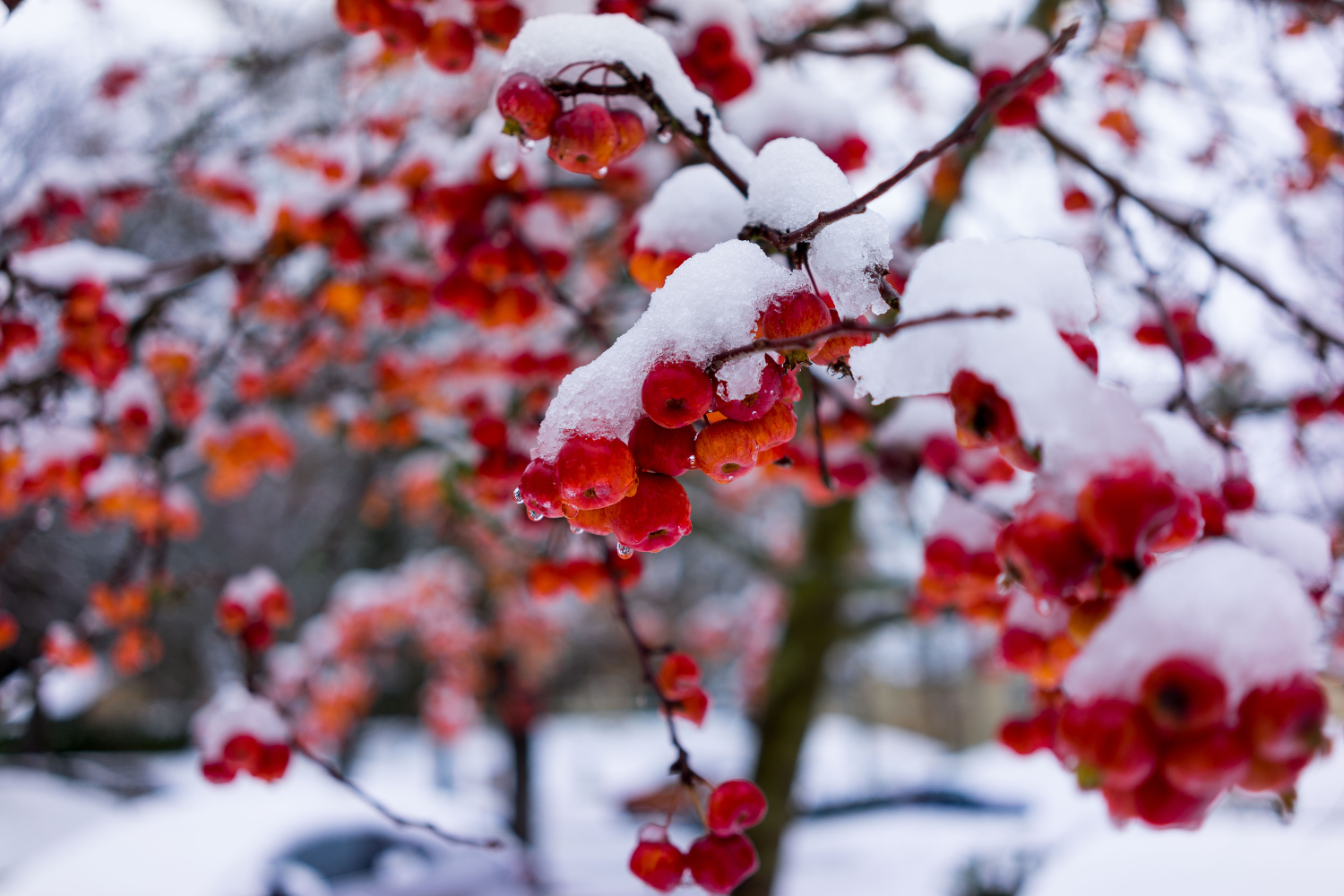
When clients ask me what they should worry about in winter, my answer often surprises them. Those white crystals on evergreen leaves? They're as natural as summer dew. Snow-bent branches? Most will spring back with patience and nature's own timing. Even the browning of our lawns is not death but dormancy - a necessary rest in the great cycle of seasons.
There are, of course, a few genuine winter concerns that deserve our attention. Young trees may need protection from hungry deer. Recently planted perennials might benefit from a watchful eye during freeze-thaw cycles. And yes, those newer installations may need occasional water during winter dry spells. But these tasks are minimal compared to our growing season obligations.
Instead of worrying about what winter might be "doing" to our gardens, we can use this quieter season for the kind of garden work that's harder to prioritize in spring's rush. Study how snow melts across your yard - these patterns reveal microclimates that might inform future planting decisions. Notice which architectural elements hold your garden's interest even under winter's simplifying hand. Let these observations guide your spring planning.
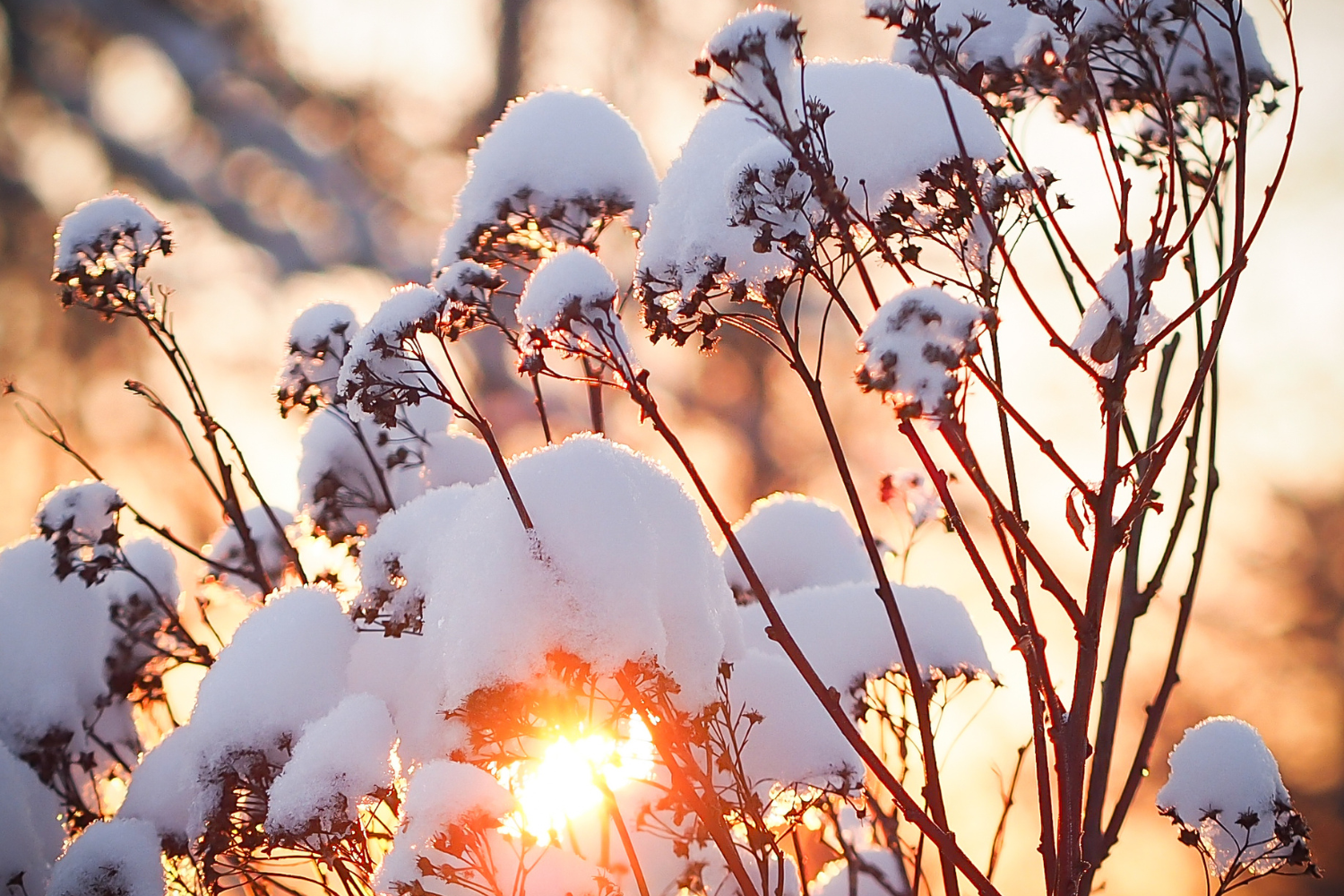
Winter is also the season for garden dreaming. Pour over those seed catalogs arriving daily in our mailboxes. Sketch new garden beds while winter strips away the distractions of foliage and flowers, leaving the bones of your landscape clear and readable. Research those native plants you've been curious about, understanding that winter is when they build the resilience they'll need for next year's growth.
Most importantly, grant yourself the same permission to rest that nature gives our gardens. Trust that under winter's quiet surface, tomorrow's garden is already in motion. The most beautiful gardens are those created in partnership with nature's rhythms, not in resistance to them. Winter isn't something to simply get through - it's an essential chapter in the ongoing story of your garden.
When spring finally arrives, your garden will awaken on its own schedule, having completed its necessary winter work. Those anxious winter moments will fade as new growth emerges, reminding us once again that the garden knows exactly what it needs. Until then, let winter be your teacher in the art of patience and trust.
