

Ultimate Guide to Caring for Houseplants
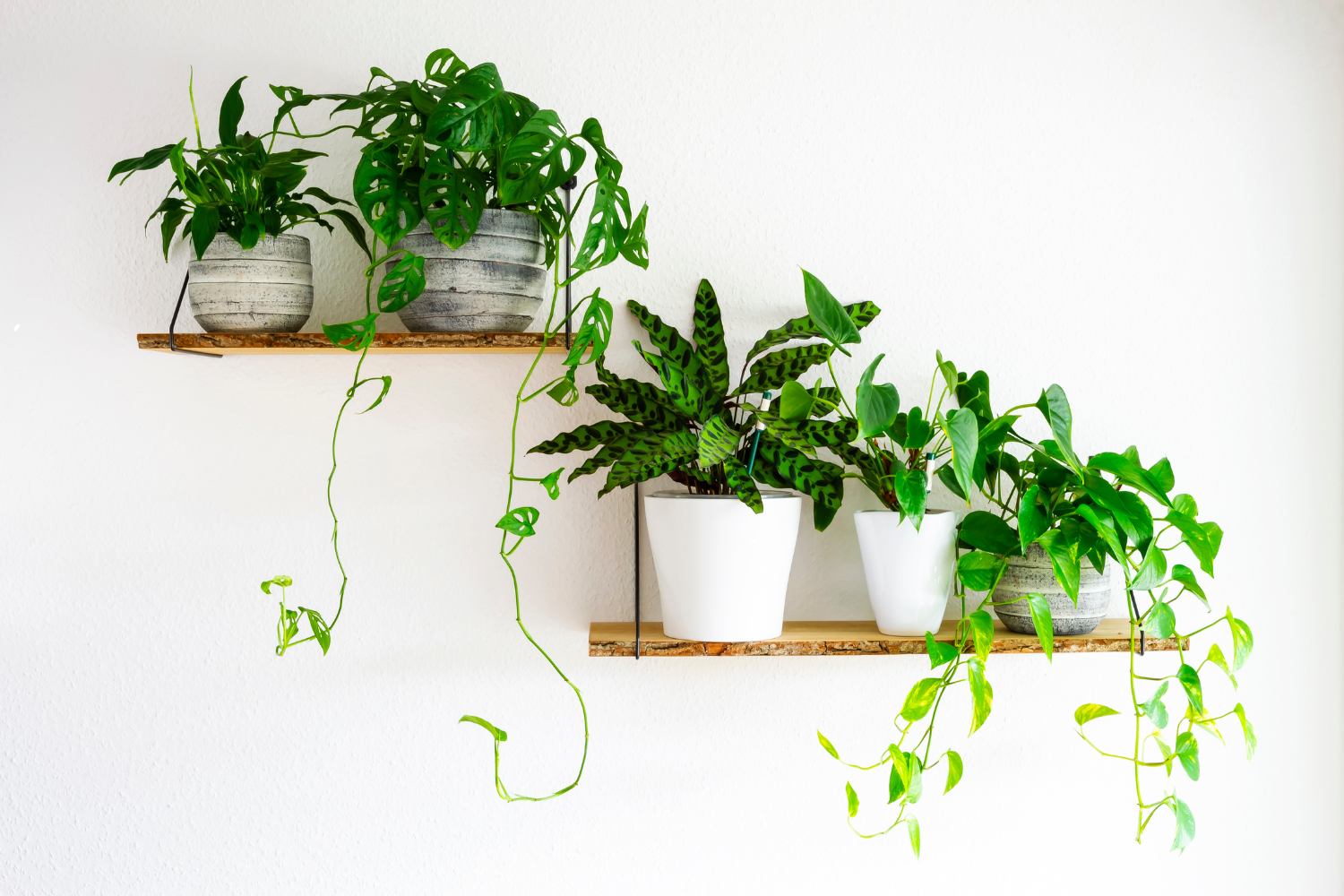
Did you get carried away in the plant section of Ikea? Have you been admiring all the beautiful plants on Instagram and Pinterest? But do you always end up killing them within a week? Don't worry, you're not alone. Caring for houseplants can be challenging, especially if you are new to gardening. But with some basic knowledge and a little bit of effort, anyone can become a successful plant parent.
Why you shouldn't give up.
House plants not only add beauty to your home but also have several benefits. They purify the air by removing harmful toxins and produce oxygen, making your indoor environment healthier to breathe in. They also reduce stress levels, boost mood and productivity, and create a sense of calmness in your living space.
Whether you’re a seasoned plant parent or a beginner, this guide will help you understand how to care for a variety of popular house plants. Just like a real baby, house plants have basic needs that, if met, will ensure their growth and survival. Unlike a real baby, you don't have to worry about the accidental ingestion of lithium batteries, the middle school years, or saving for college tuition.
See? It's already getting easier!
Succulents
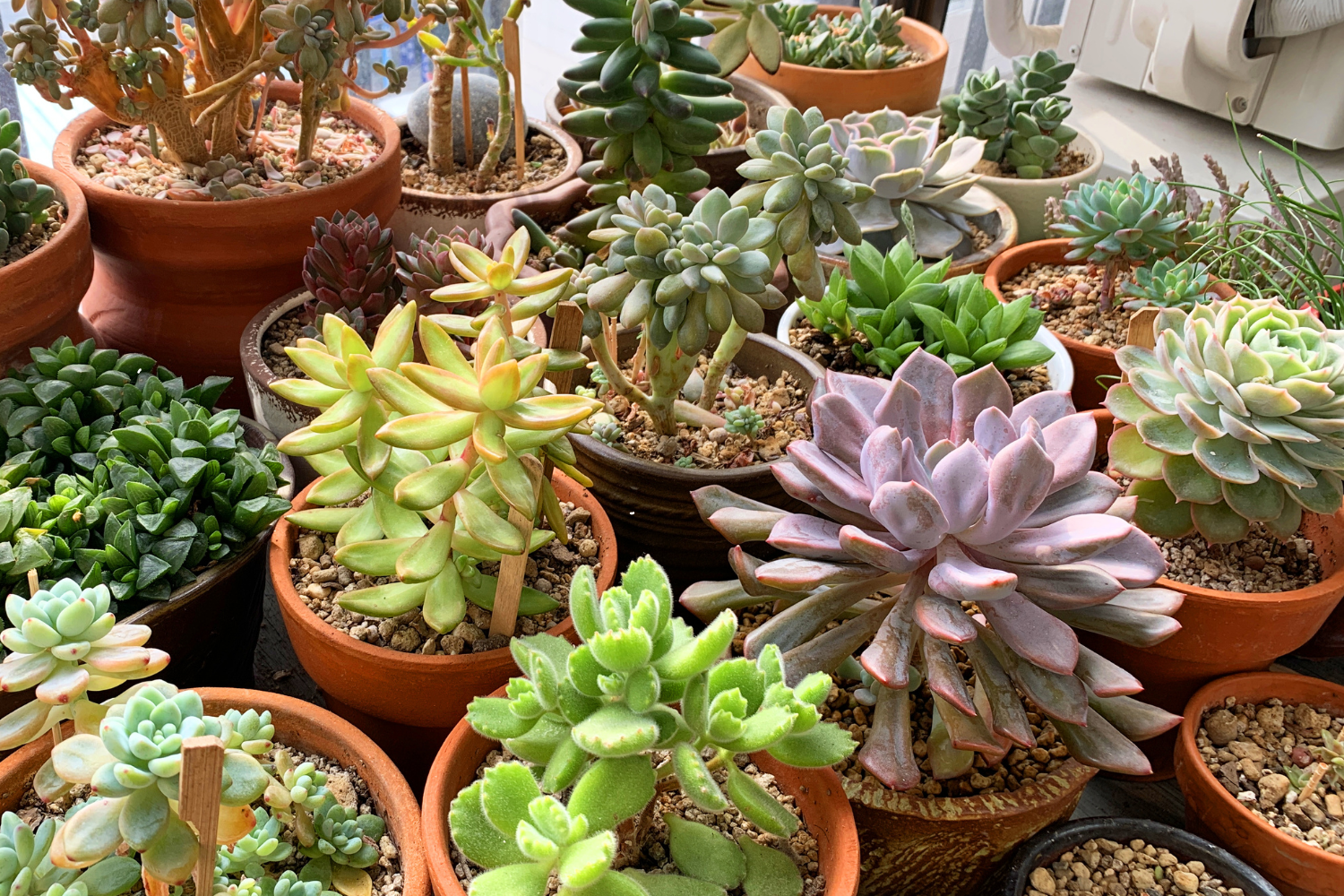
Succulents are a beloved category of houseplants known for their thick, fleshy leaves and stems, which store water, making them incredibly resilient in arid environments. These charming plants come in a wide range of shapes, sizes, and colours, offering endless aesthetic possibilities for your home. Popular varieties include Echeveria, Aloe Vera, and Sedum.
Succulent Care Tips
Watering: Water sparingly, once a week in summer and even less during winter.
Sunlight: Provide bright, indirect sunlight.
Fertilizer: Use a balanced fertilizer every 4-6 weeks during the growing season.
Repotting: Repot if roots are coming through the drainage holes or the plant has outgrown its pot, typically every 1-2 years.
Soil: Use a well-draining potting mix, consider adding perlite for extra drainage.
Ferns
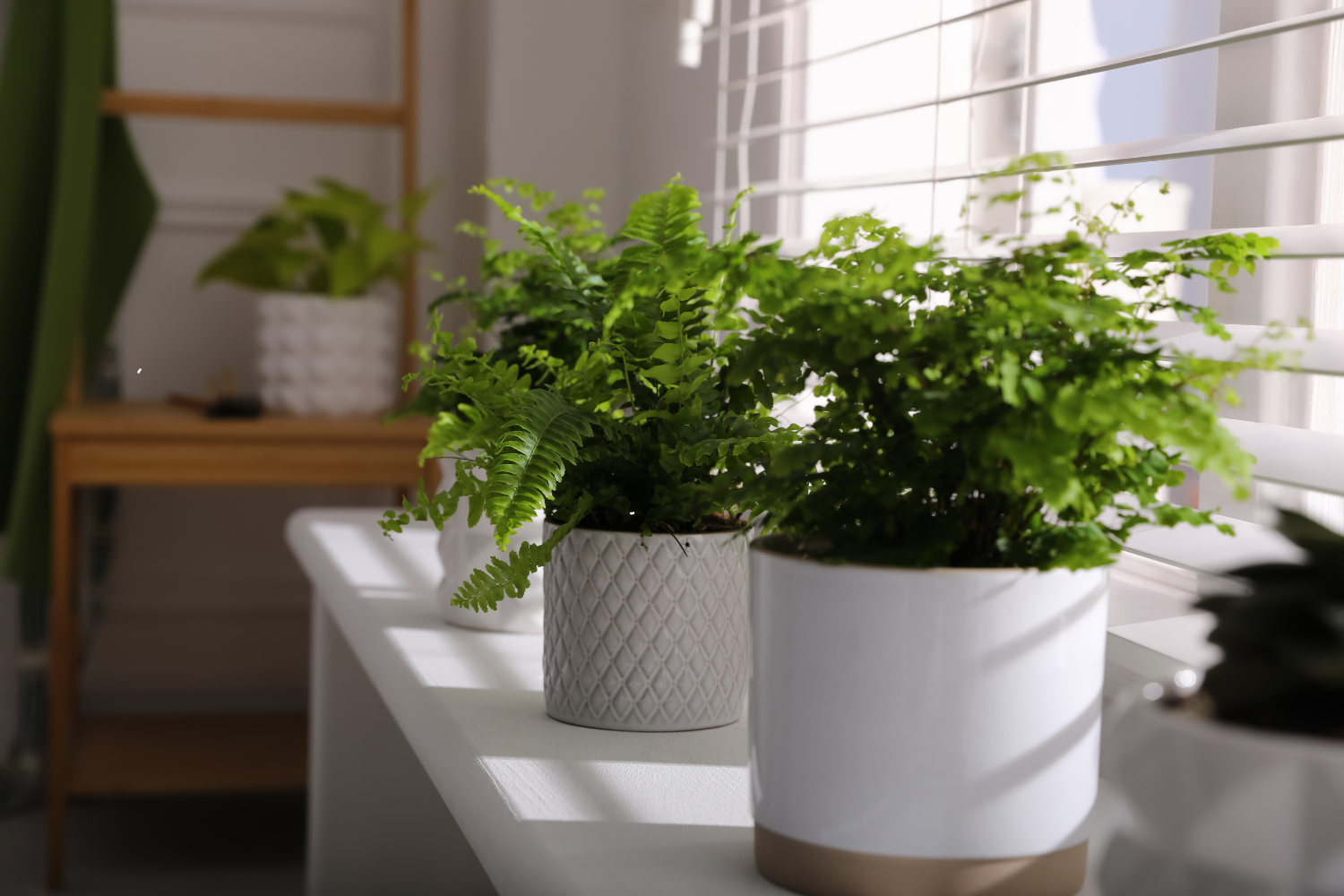
Ferns are lush, green plants known for their delicate, feathery fronds that can bring a vibrant touch to any indoor space. Common varieties include Boston ferns, maidenhair ferns, and rabbit's foot ferns. Caring for ferns requires a bit more attention compared to other house plants, but the result is worth it.
Fern Care Tips
Watering: Keep soil moist but not waterlogged.
Humidity: Provide high humidity by misting or placing a humidifier nearby.
Sunlight: Place in indirect sunlight.
Fertilizer: Use a balanced fertilizer every 4-6 weeks during the growing season.
Repotting: Repot if roots are coming through the drainage holes or the plant has outgrown its pot, typically every 1-2 years.
Soil: Use a well-draining potting mix, consider adding perlite for extra drainage.
Peace Lilies
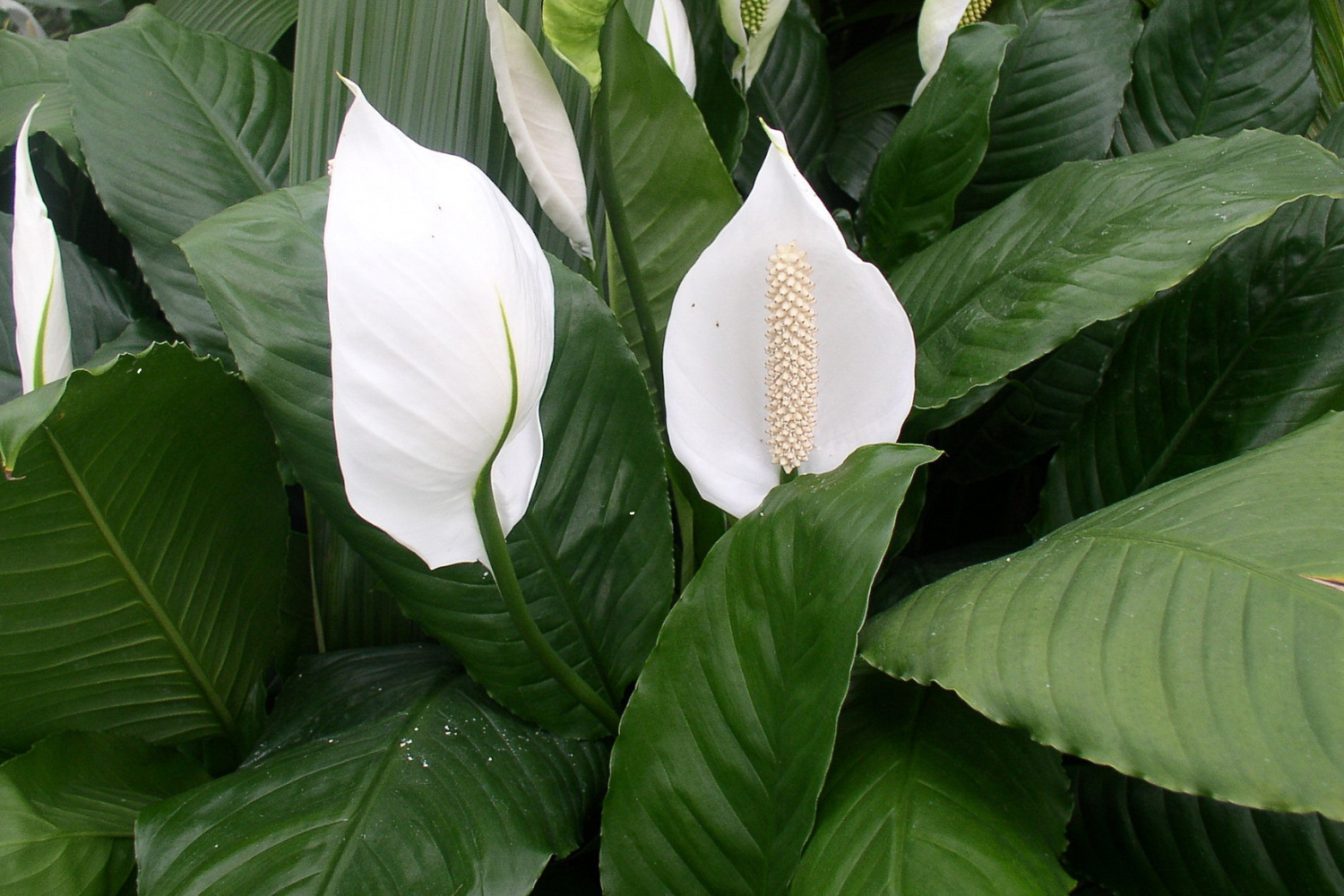
Peace Lilies (spathiphyllum) are popular houseplants known for their elegant, glossy leaves and striking white flowers. They thrive in low light conditions and require minimal care, making them an excellent choice for beginners.
Peace Lily Care Tips
Watering: Water when the soil is dry to the touch.
Humidity: Mist occasionally for added humidity.
Sunlight: Avoid direct sunlight; place in indirect light.
Fertilizer: Use a balanced fertilizer every 4-6 weeks during the growing season.
Repotting: Repot if roots are coming through the drainage holes or the plant has outgrown its pot, typically every 1-2 years.
Soil: Use a well-draining potting mix, consider adding perlite for extra drainage.
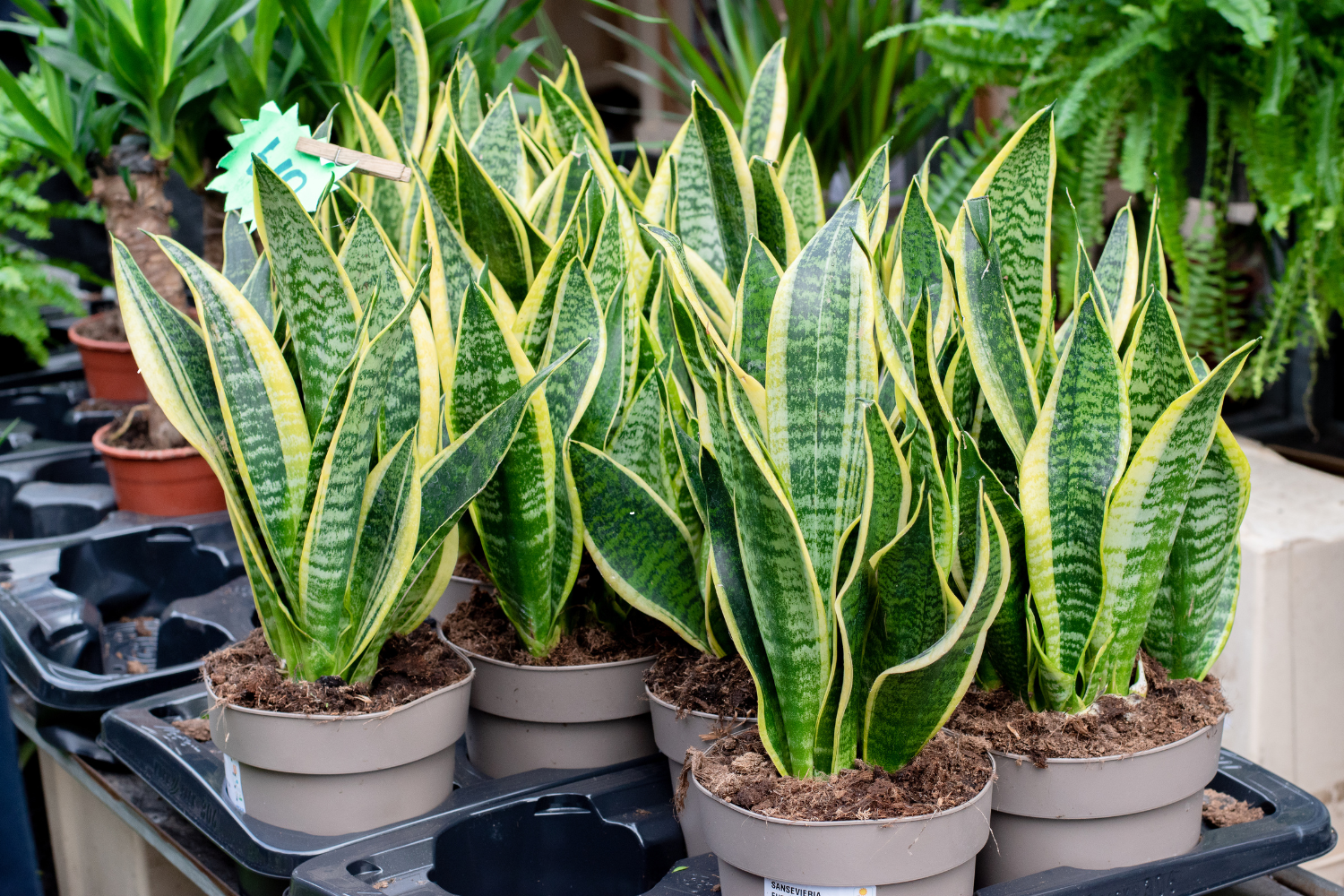
Sansevieria (Snake Plant)
The snake plant, also known as Sansevieria or mother-in-law's tongue, is a resilient houseplant renowned for its striking, sword-shaped leaves that can grow upright and reach impressive heights.
Snake Plant Care Tips
Watering: Water sparingly, every 2-6 weeks.
Sunlight: Thrives in low light to bright, indirect light.
Fertilizer: Use a balanced fertilizer every 4-6 weeks during the growing season.
Repotting: Repot if roots are coming through the drainage holes or the plant has outgrown its pot, typically every 1-2 years.
Soil: Use a well-draining potting mix, consider adding perlite for extra drainage.
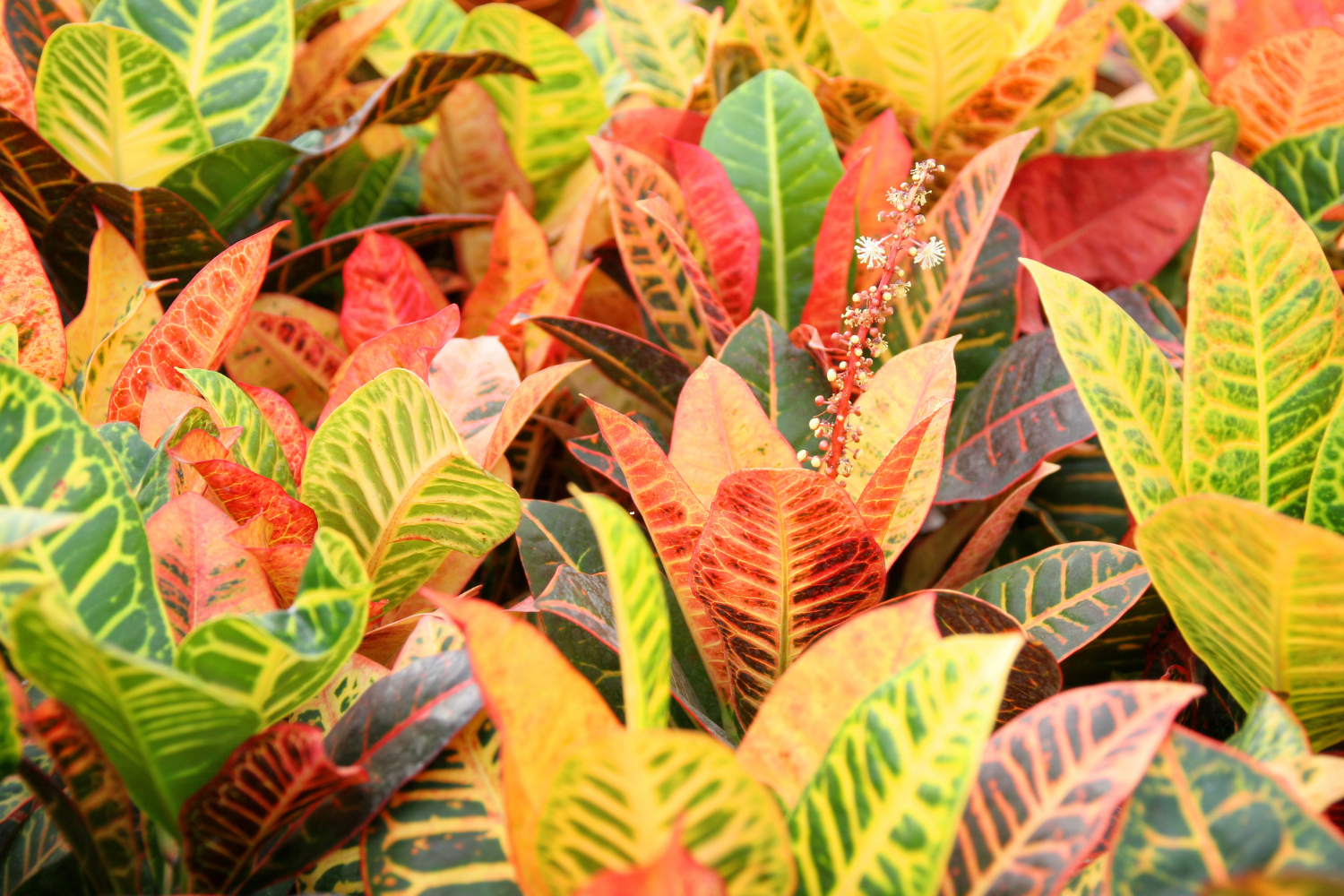
Croton
Croton plants, known for their vibrant, multi-coloured foliage, are a stunning addition to any indoor garden. These tropical plants display a variety of leaf shapes and sizes, often sporting hues of yellow, orange, red, and green.
Croton Care Tips
Watering: Keep soil consistently moist but not waterlogged.
Sunlight: Provide bright, indirect light.
Fertilizer: Use a balanced fertilizer every 4-6 weeks during the growing season.
Repotting: Repot if roots are coming through the drainage holes or the plant has outgrown its pot, typically every 1-2 years.
Soil: Use a well-draining potting mix, consider adding perlite for extra drainage.
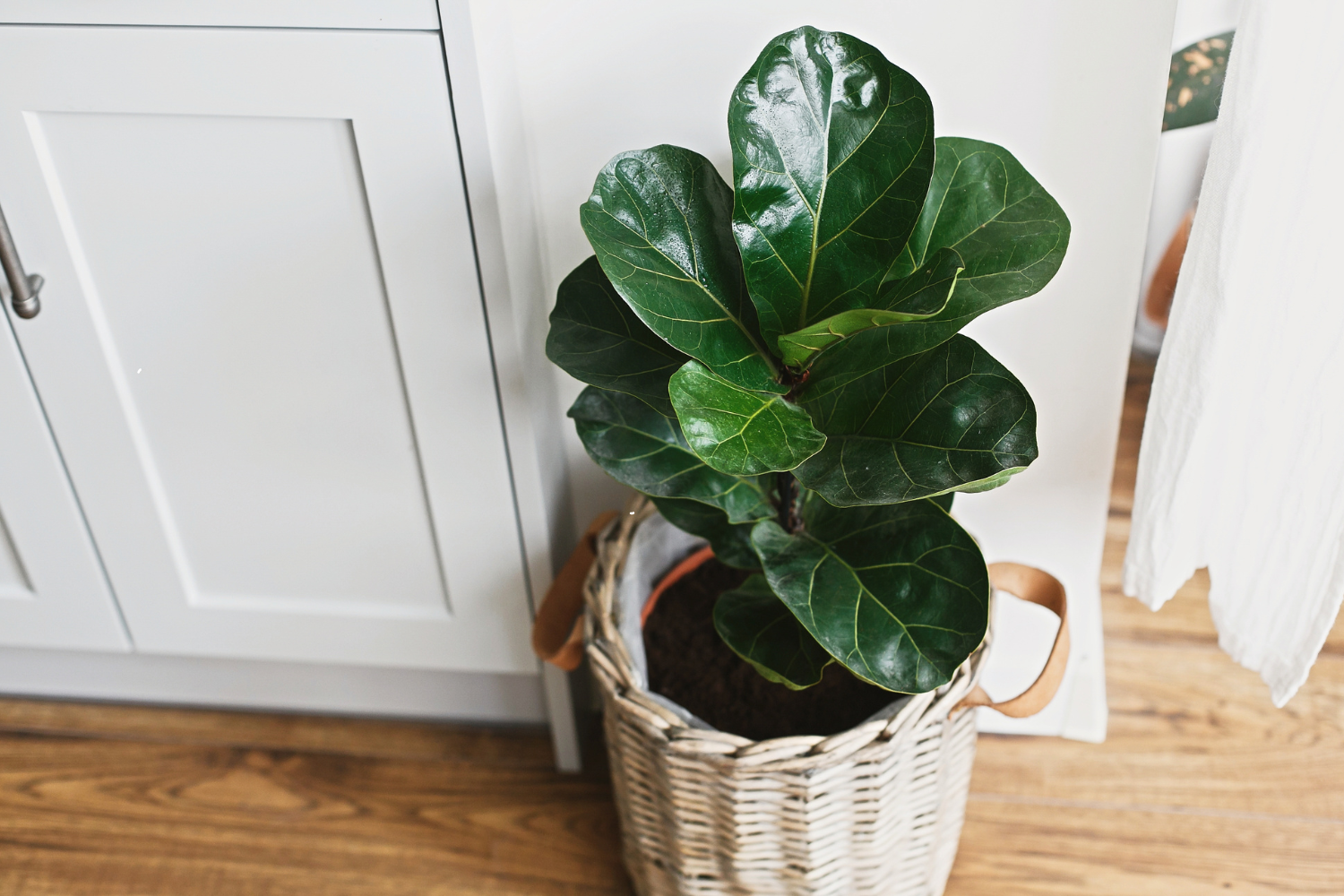
Fiddle Leaf Fig
Fiddle Leaf Figs (ficus lyrata) are one of the most sought-after houseplants, known for their large, glossy leaves that can reach up to eighteen inches in length. These tropical plants originated in Western Africa and thrive in sunny spaces.
Fiddle Leaf Fig Care Tips
Watering: Water when the top inch of soil is dry.
Sunlight: Place in bright, indirect light.
Fertilizer: Use a balanced fertilizer every 4-6 weeks during the growing season.
Repotting: Repot if roots are coming through the drainage holes or the plant has outgrown its pot, typically every 1-2 years.
Soil: Use a well-draining potting mix, consider adding perlite for extra drainage.
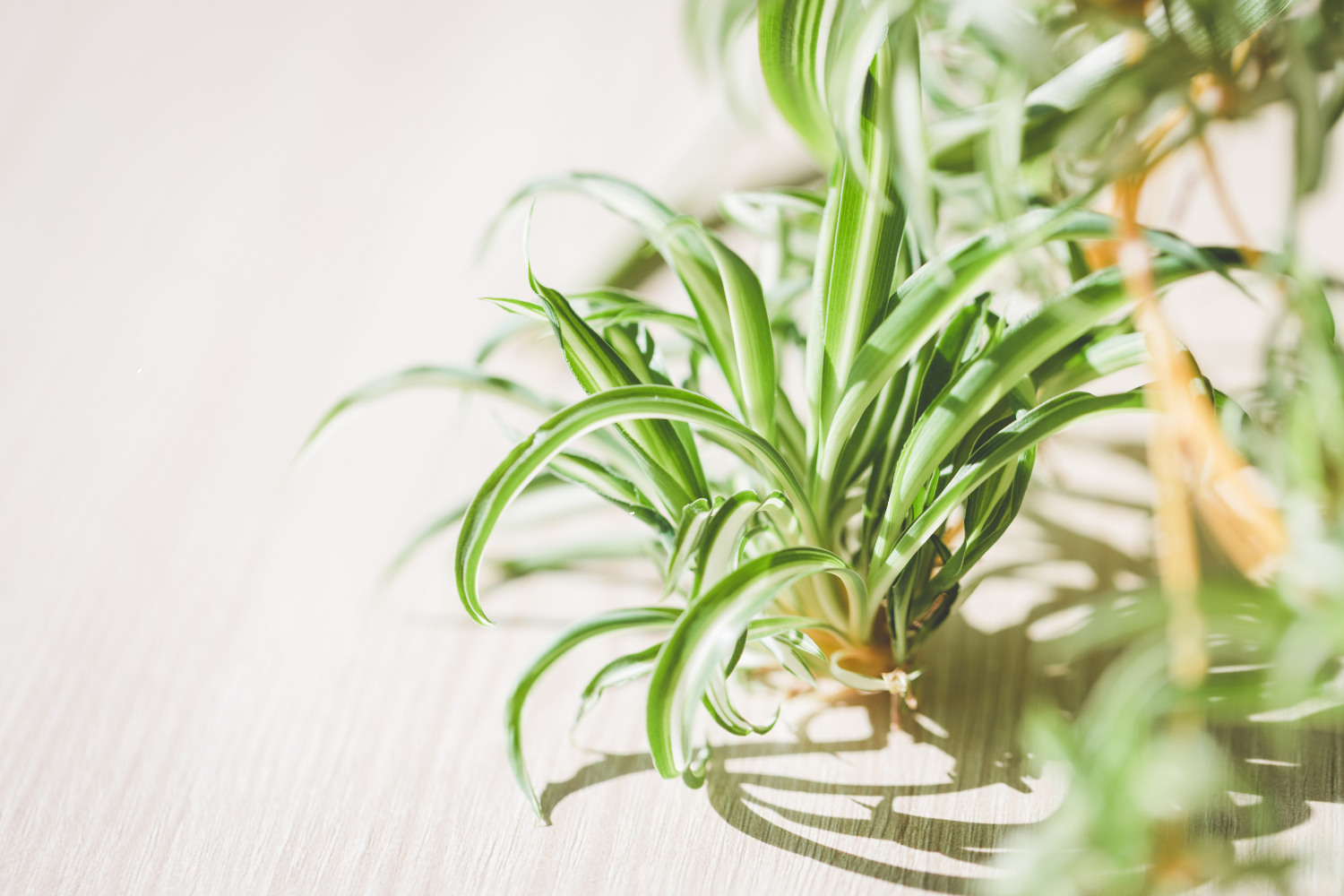
Spider Plant
The spider plant (chlorophytum comosum) is a resilient and easy-to-care-for houseplant, making it an excellent choice for beginners. Known for its arching green leaves adorned with striking white stripes, this plant can thrive in a variety of indoor conditions.
Spider Plant Care Tips
Watering: Keep soil evenly moist.
Sunlight: Provide bright, indirect sunlight.
Fertilizer: Use a balanced fertilizer every 4-6 weeks during the growing season.
Repotting: Repot if roots are coming through the drainage holes or the plant has outgrown its pot, typically every 1-2 years.
Soil: Use a well-draining potting mix, consider adding perlite for extra drainage.
Preventing Bug Infestations and Diseases
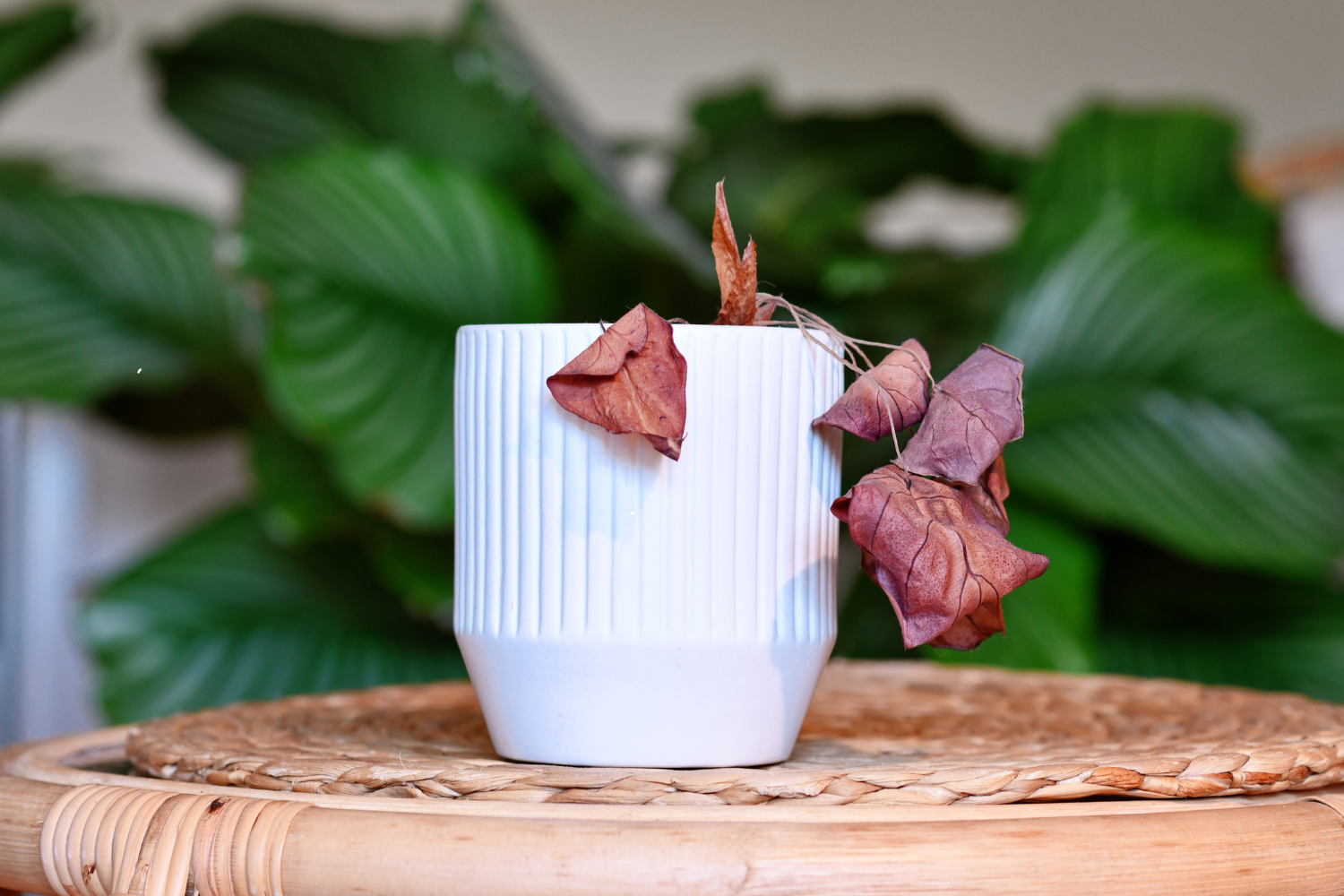
To keep houseplants healthy and reduce the risk of bug infestations and diseases, it’s essential to implement preventive measures. Start by regularly inspecting your plants for any signs of pests, such as webbing or discolored leaves, and promptly remove any affected foliage. Maintain proper air circulation around your plants and avoid overcrowding, as stagnant air can promote the growth of fungus and mold. Additionally, make sure you water plants appropriately, as overwatering can lead to root rot and attract pests like fungus gnats. Using insecticidal soap or neem oil as a preventive spray can also help deter pests without harming your plants. Finally, keep your growing environment clean by promptly cleaning any fallen leaves or debris, which can harbor diseases.
Conclusion
Caring for houseplants can be a rewarding experience that enhances your living space and overall well-being. By following these care tips and addressing common issues, you’ll have a thriving indoor garden in no time.