
Beetle Battle
Dealing with Japanese Beetles in Your Garden
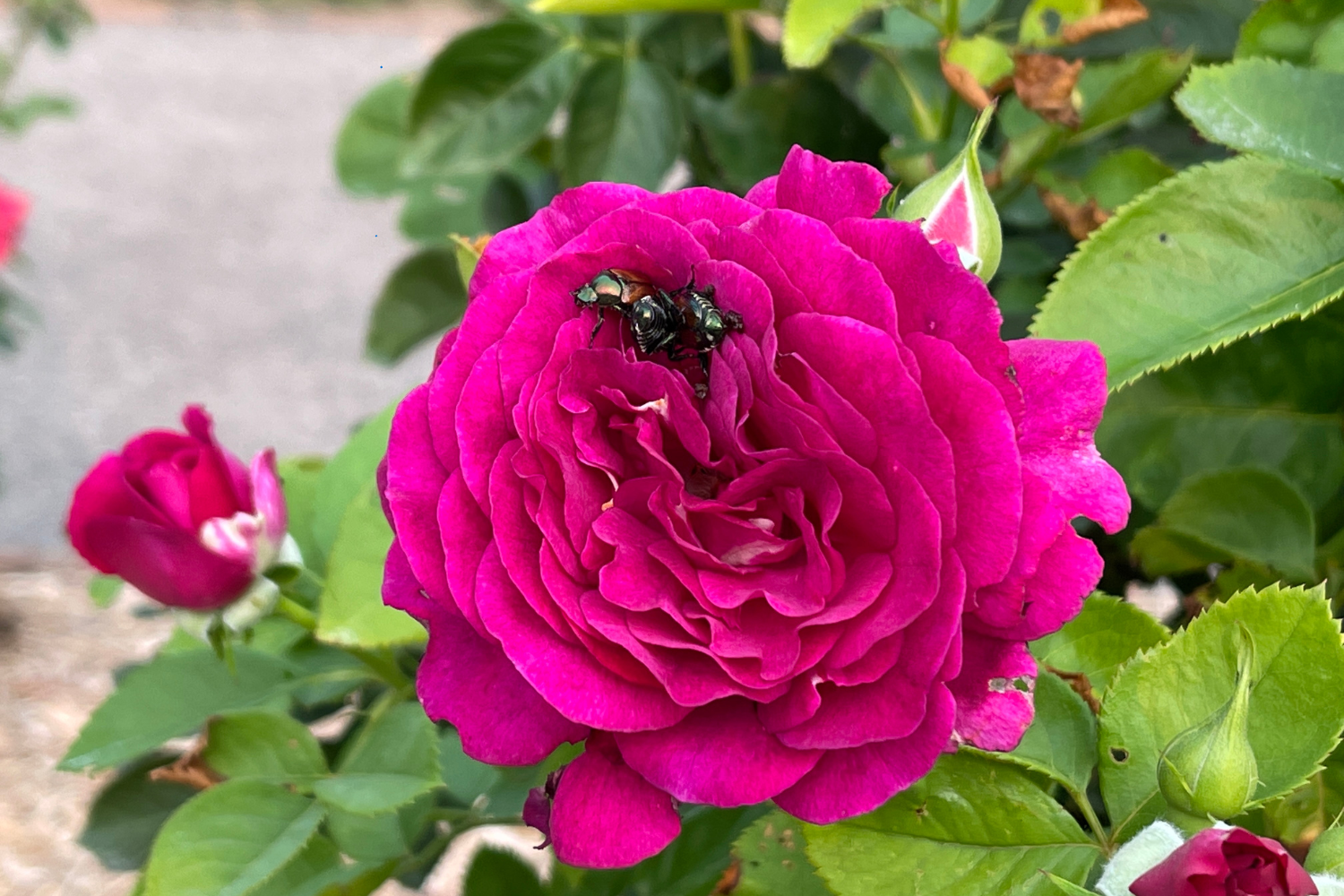
If you're a gardener, you've likely encountered Japanese beetles wreaking havoc in your garden. These shiny, metallic pests might look beautiful, but their voracious appetite can quickly decimate your plants. Here's how to effectively manage Japanese beetles and protect your garden.
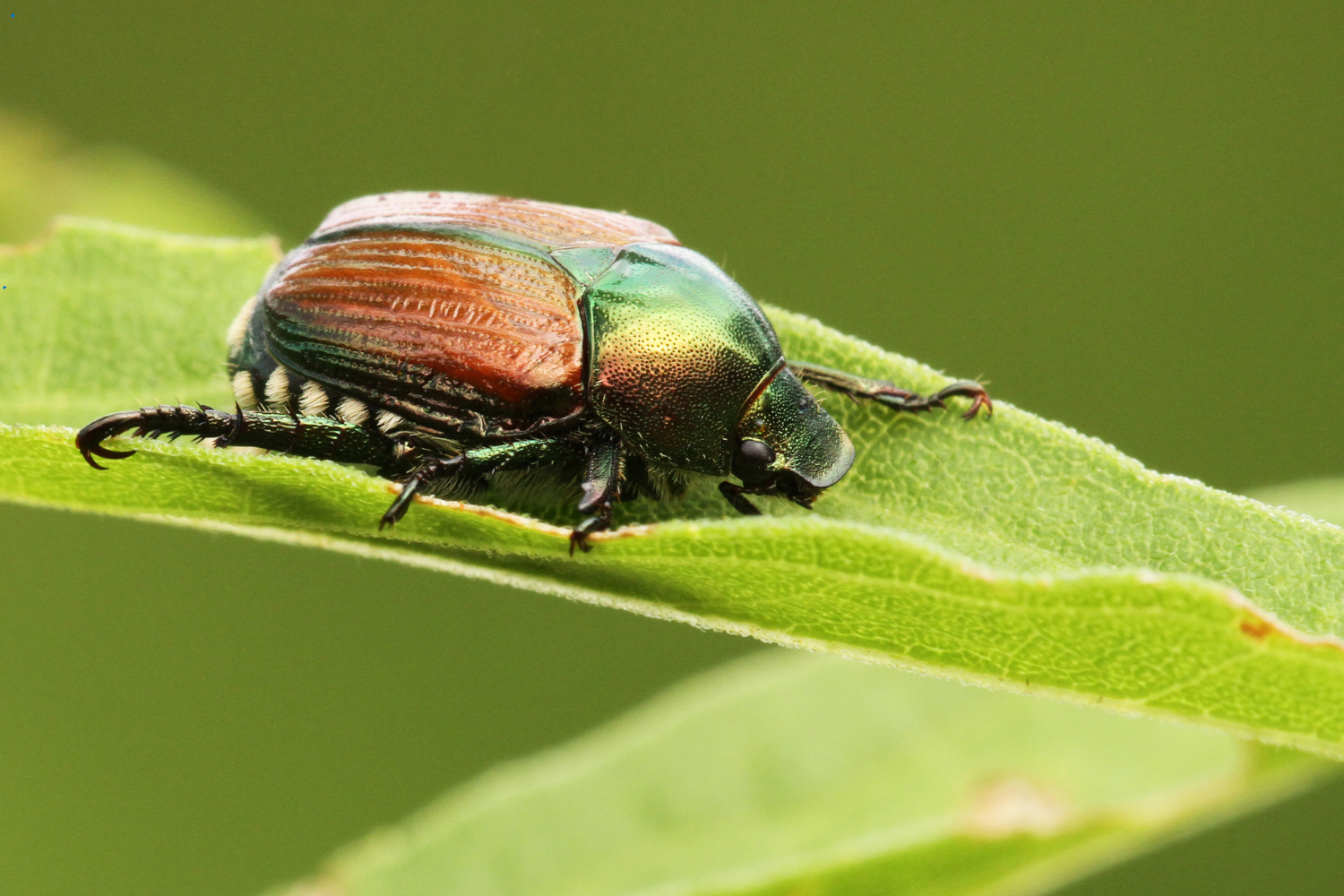
How did they get here?
Japanese beetles first arrived in the United States in the early 20th century, specifically in 1916. They were accidentally introduced through imported iris bulbs from Japan. Without natural predators to keep their population in check, they quickly proliferated and spread throughout the eastern and midwestern regions of the country. The beetles thrive in temperate climates and can often be found in well-maintained gardens, meadows, and even urban areas. Understanding their origin helps in devising effective strategies to manage and control their spread in our gardens today.
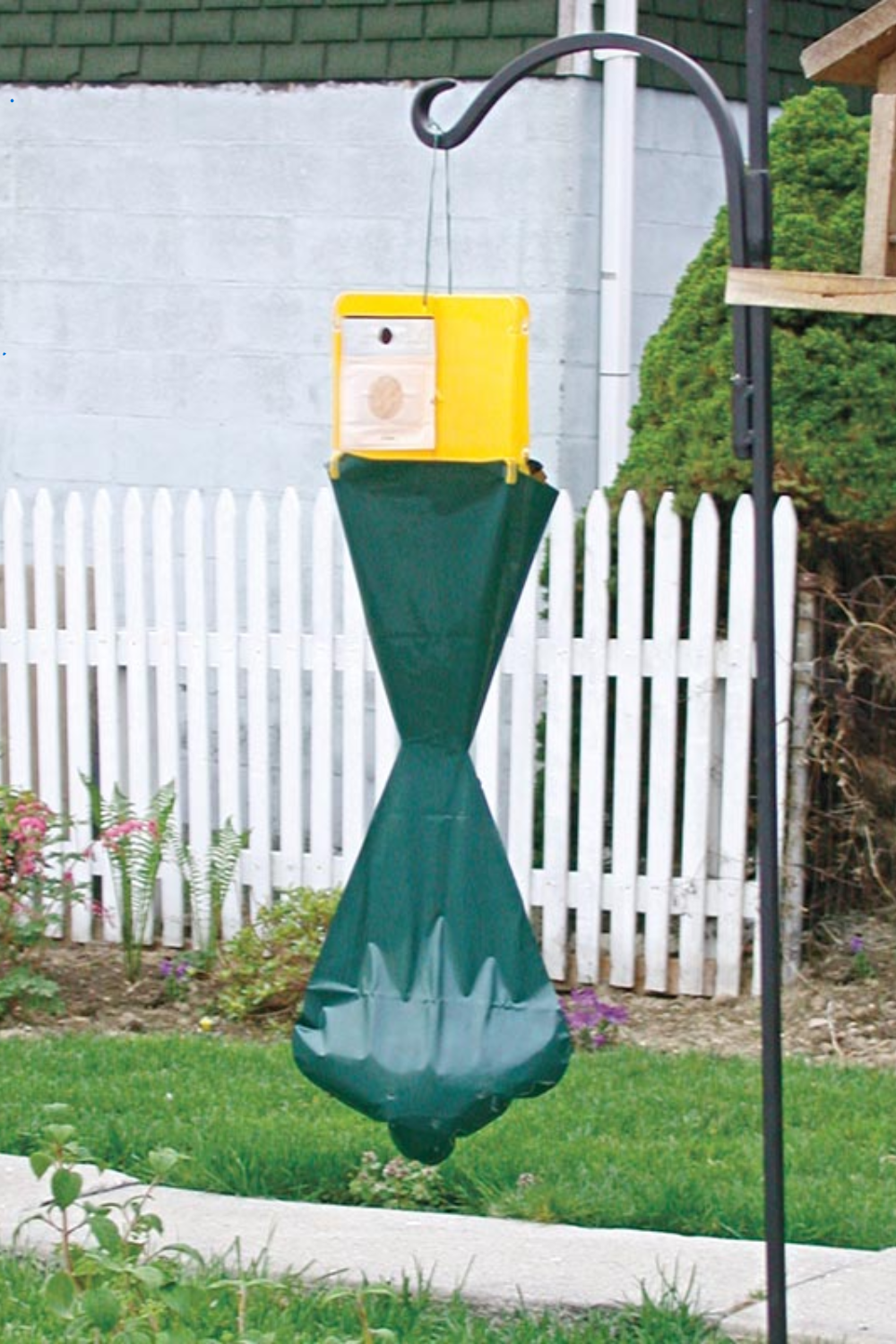
Why Traps Are Not the Solution
How Traps Work
Japanese beetle traps contain a lure that attracts beetles using a combination of floral scents and pheromones. These scents are specifically designed to mimic the beetles' natural attractions, making the traps highly effective. Once the beetles detect these enticing aromas, they fly towards the trap, where they become ensnared. Trapped inside, the beetles are unable to escape and eventually die, helping to reduce the beetle population in the affected area.
The Problem with Traps
While this sounds like an effective solution, it often does more harm than good. Traps can attract beetles from a wide area, drawing even more pests to your garden. This influx of beetles not only exacerbates the problem but can also lead to higher levels of damage to your plants, resulting in stunted growth and reduced yields. Instead, it's best to focus on preventative measures and natural solutions in order to protect your garden more sustainably and effectively.
Short-Term Solutions
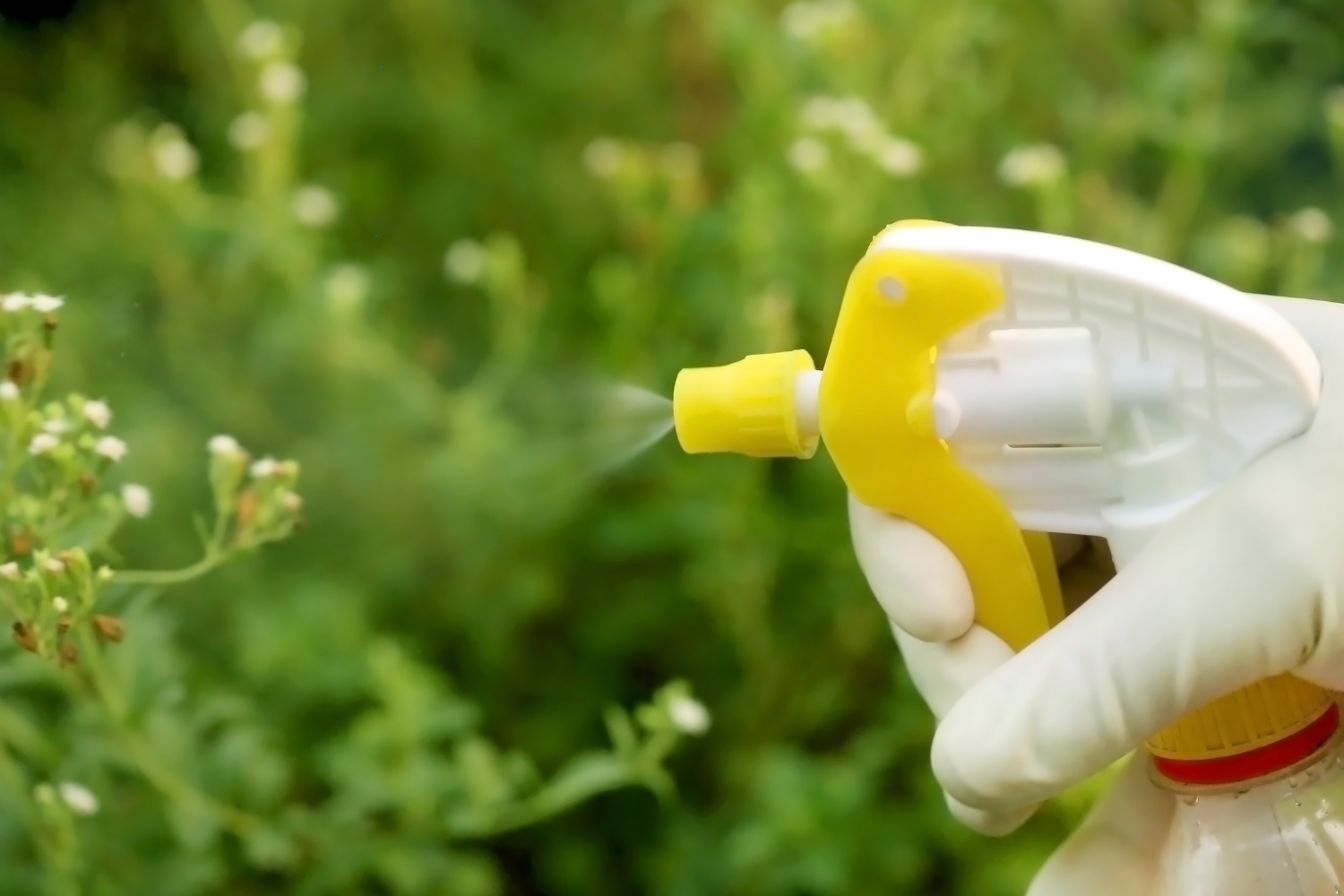
Sprays
Using insecticidal sprays can be an effective way to control Japanese beetles in the short term. These sprays work by targeting the beetles directly, killing them on contact. When applying sprays, focus on the early afternoon when beetles are most active to maximize effectiveness. Be sure to follow the instructions on the label to avoid harming beneficial insects and plants.
Handpicking
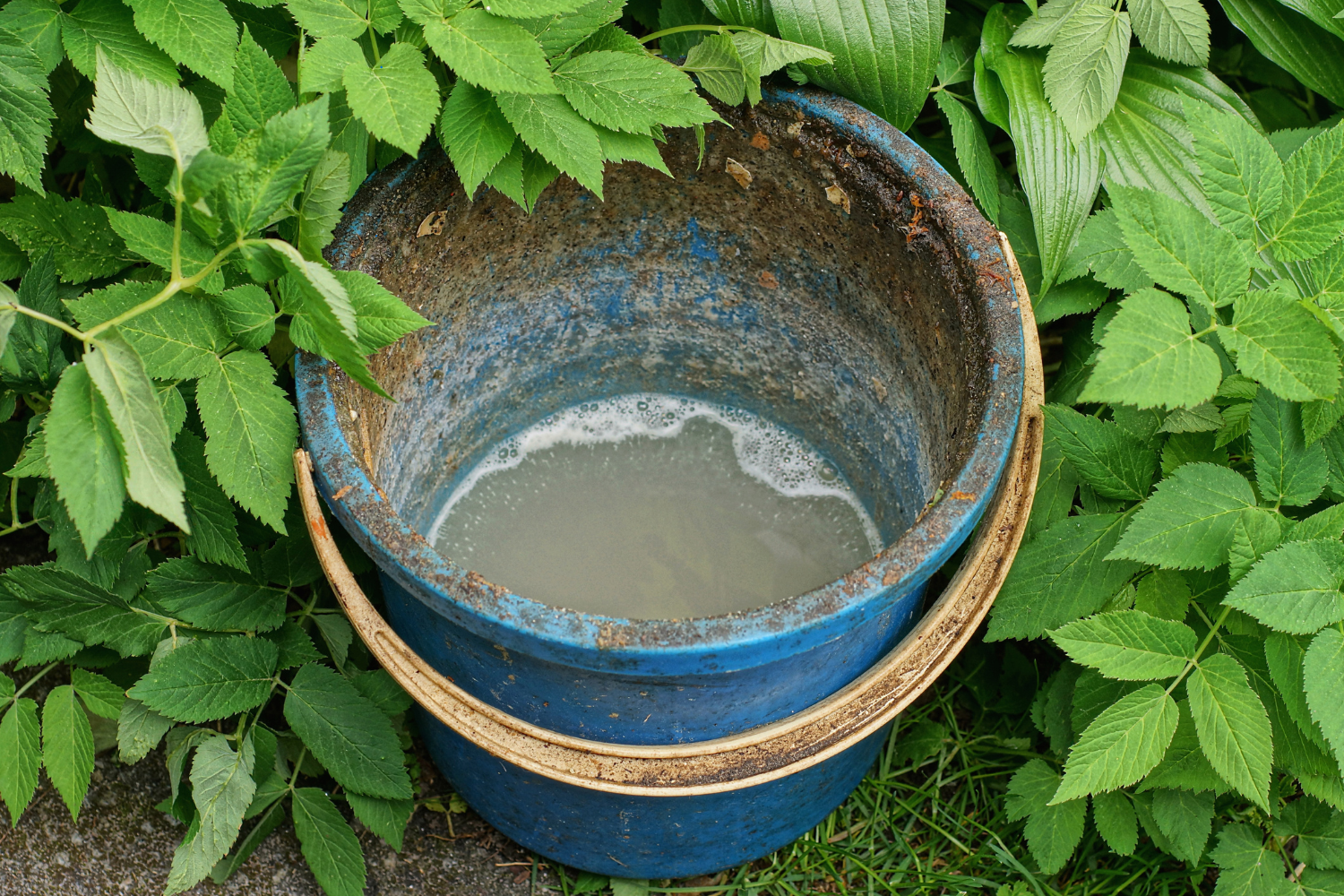
Another method is to physically remove the beetles. This involves knocking them into a bucket of soapy water where they'll drown. This can be time-consuming but is highly effective for small infestations. Handpicking is best done in the early morning or late evening when the beetles are less active and easier to catch. It's a labor-intensive process, but it allows you to avoid using chemicals and can be quite satisfying when dealing with a manageable number of pests.
Long Term Solutions
Avoiding Their Favorite Plants
By recognizing which plants are more susceptible to Japanese beetles, you can better plan your garden and take preventive measures to minimize the impact of these pests. Japanese beetles are known to feast on a variety of plants, with some of their favorites being roses, rose of Sharon, members of the cherry family, grapes, and linden trees. Planting these away from your main garden area, or excluding them altogether, will discourage beetles from persisting in your yard.
Grub Control
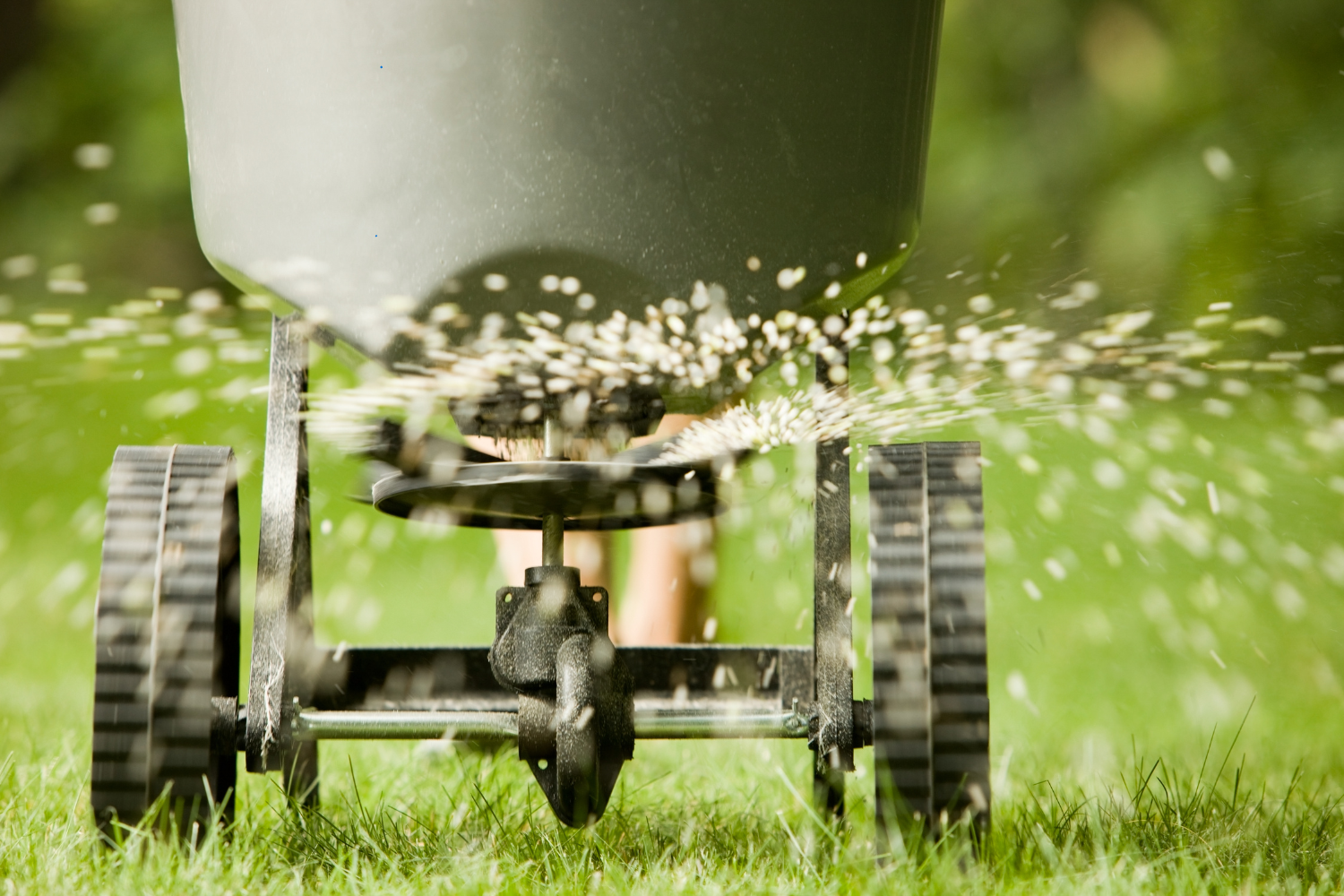
The most effective long-term solution is treating your lawn with grub control products. Mature Japanese beetles lay their eggs in the soil. These eggs hatch into grubs, which are small, white larvae that feed voraciously on grass roots. Over time, this root damage can lead to patches of dead grass and a weakened lawn. After feeding, the grubs then pupate and eventually emerge as adult beetles, ready to continue the cycle. By targeting these pests during the grub stage with specific grub control treatments, you can disrupt this cycle and significantly reduce the beetle population over time, leading to a healthier and more resilient lawn.
Conclusion
When dealing with Japanese beetles—or any garden pest—there's rarely a single solution that will completely solve the problem. A combined approach, including both short-term and long-term strategies, is most effective. Remember, persistence is key. With the right tactics, you can protect your garden and enjoy the fruits of your labor.
If you have any tips or experiences dealing with Japanese beetles, feel free to share them in the comments below! Happy gardening!