
Why Fall Planting Beats Spring
The Season Everyone Overlooks for Garden Projects
If you've been gardening in Western New York for more than a year, you know the spring planting drill. The first weekend temperatures hit 60 degrees, garden centers are mobbed with people loading up carts with flowers and perennials. Everyone's excited, ready to get their gardens going after the long winter. Then two weeks later, a late frost hits. We've seen freezing temperatures as late as Memorial Day around here. The plants usually survive, but all those flowers you were so excited about? Gone. We jump the gun every single year.
I've watched this play out countless times with clients, and I've come to a conclusion: we're planting in the wrong season. Let me make the case for fall.
Fall quietly offers everything spring promised but rarely delivers. Stable temperatures, beautiful weather, consistent rainfall, and garden centers running serious sales on healthy plants. Yet most gardeners are putting their tools away for the season instead of taking advantage of the best planting conditions of the year.
Here's what I've learned after years of designing gardens in this region: national gardening advice doesn't account for our specific challenges. Spring might be the traditional planting season for most of the country, but our weather doesn't cooperate. We should be doing our major planting in fall when conditions actually work in our favor.
The Practical Advantages
Less Watering Required
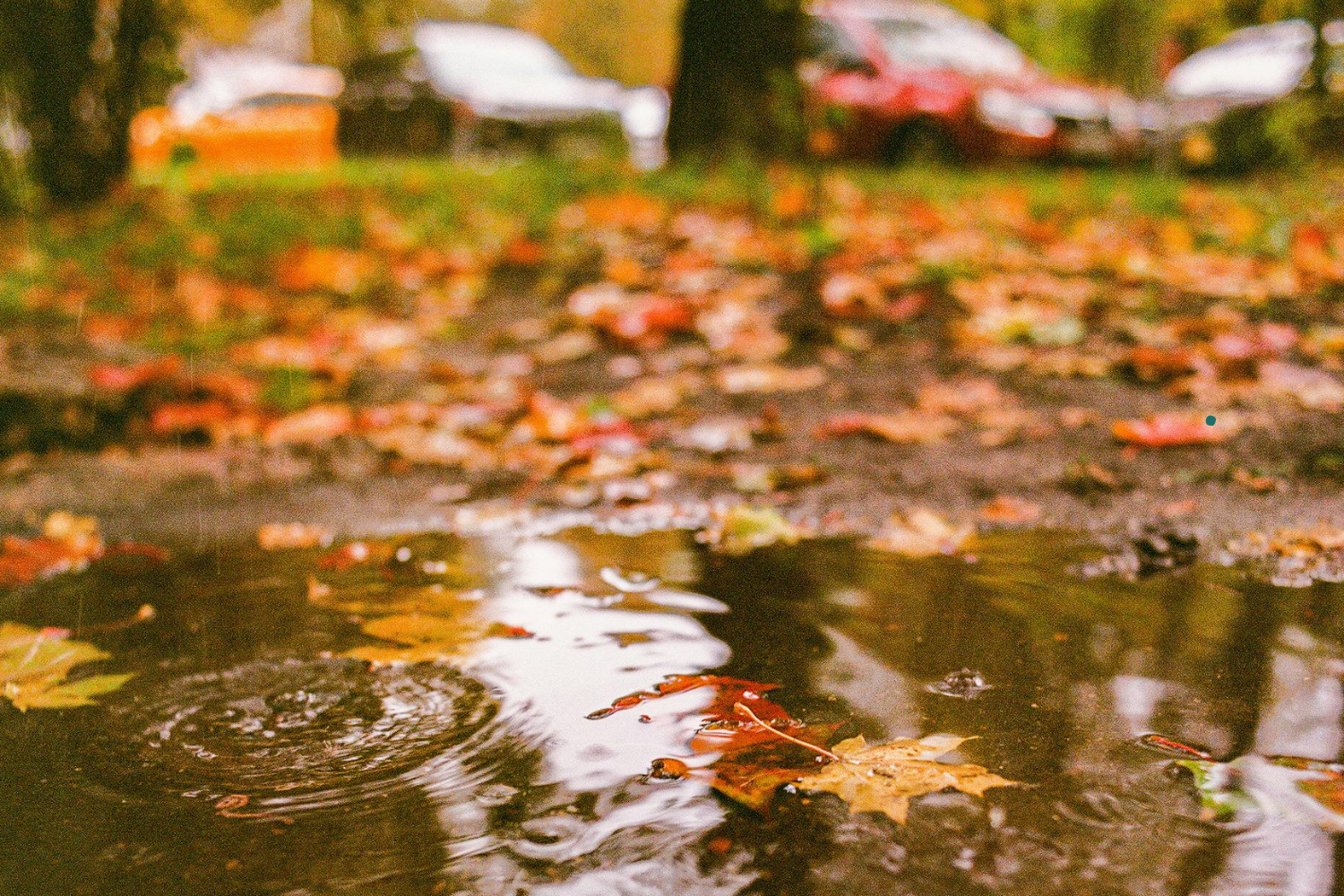
Plant in May and you're signing up for a summer of daily watering. Plant in September and nature does most of the work for you. Fall brings cooler temperatures, shorter days, and more consistent rainfall. New plants need moisture to establish roots, and fall weather delivers it naturally.
You'll still need to water new plantings, but you're looking at once or twice a week instead of daily. That alone makes fall planting worth considering if you have a busy schedule or travel frequently.
Better Root Establishment
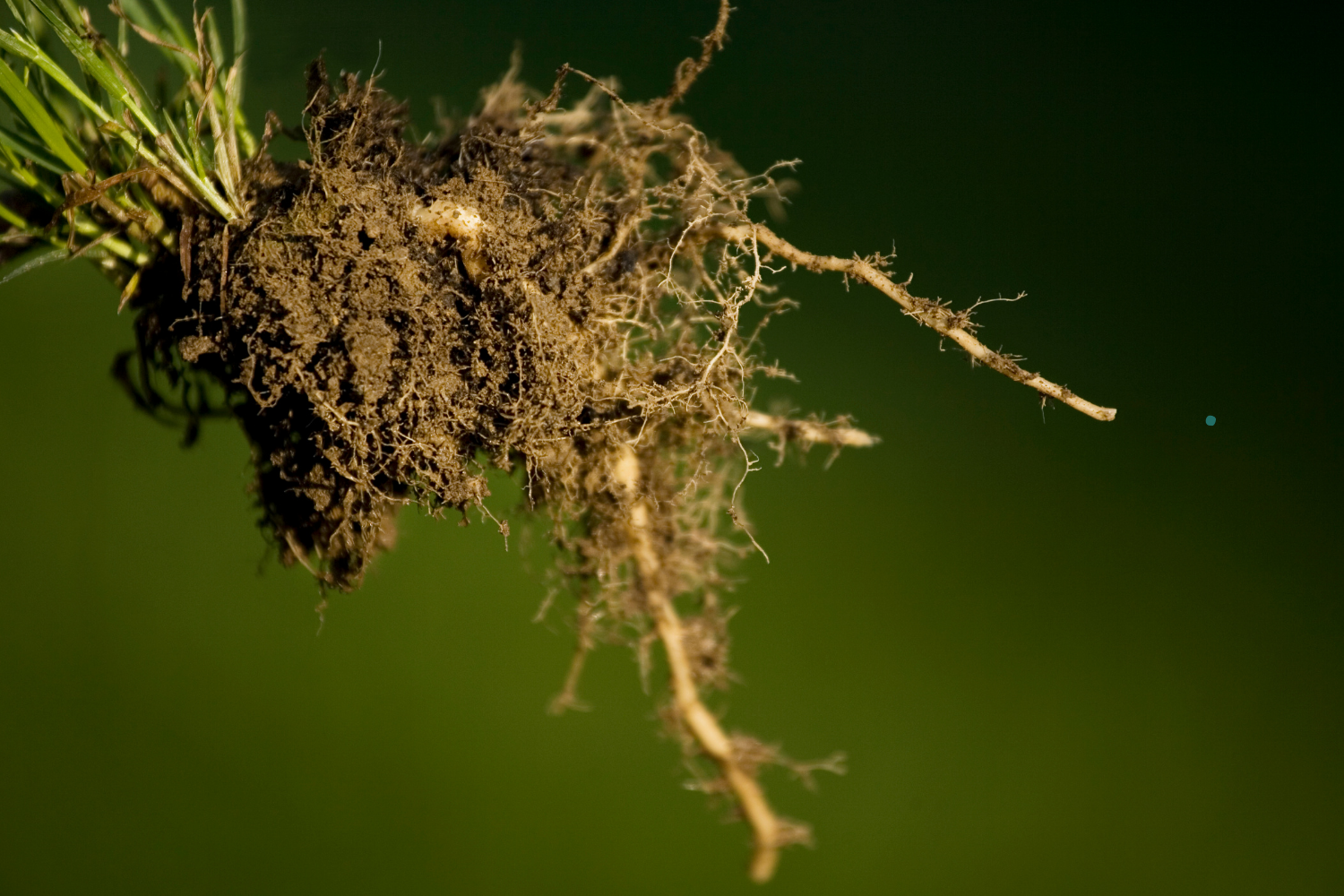
This is the real advantage most people don't understand. When you plant in fall, the soil is still warm from summer but the air is cool. Plants stop putting energy into flowers and foliage and focus entirely on root growth. Those roots have weeks—sometimes months—to establish before the ground freezes.
Come spring, while everyone else is planting and waiting for their new plants to settle in, your fall-planted specimens are already established with strong root systems. They take off growing immediately when warm weather arrives, often looking a full season ahead of spring-planted versions of the same plant.
No Heat Stress
Summer heat can be brutal on newly planted material. Even with diligent watering, plants can struggle when they're trying to establish roots while dealing with 85-degree days and intense sun. Fall planting eliminates this problem entirely. Cool temperatures mean less stress on plants and higher success rates overall.
The Economic Advantages
Garden Center Sales
By September, garden centers are clearing inventory to make room for fall merchandise and holiday items. This is when you find healthy, full-sized plants at 30 to 50% off because they need to move them out. These aren't sad, leftover plants. They're the same stock that was full price in May, just waiting for smart shoppers.
I've found perfectly good perennials, shrubs, and even small trees deeply discounted simply because it's late in the season. The plants don't know they're on sale. They'll establish just as well as the ones people paid double for in spring.
More Time for Research and Planning
Spring planting happens in a rush. Garden centers are crowded, popular varieties sell out fast, and you're making decisions on the fly. Fall gives you time to think through your choices, do proper research, and make informed decisions about what goes where.
You can take photos of your garden in summer to see exactly where you need more color or coverage. You can measure spaces accurately. You can order specific varieties if your local garden center doesn't have them. Fall planting is strategic planting.
Better Plant Selection
Contrary to what you might expect, many garden centers actually bring in fresh stock for fall. Mums and asters aren't the only things available. You'll find plenty of perennials, ornamental grasses, and shrubs that are perfect for fall planting. Some plants, like peonies and certain bulbs, are actually only available for planting in fall.
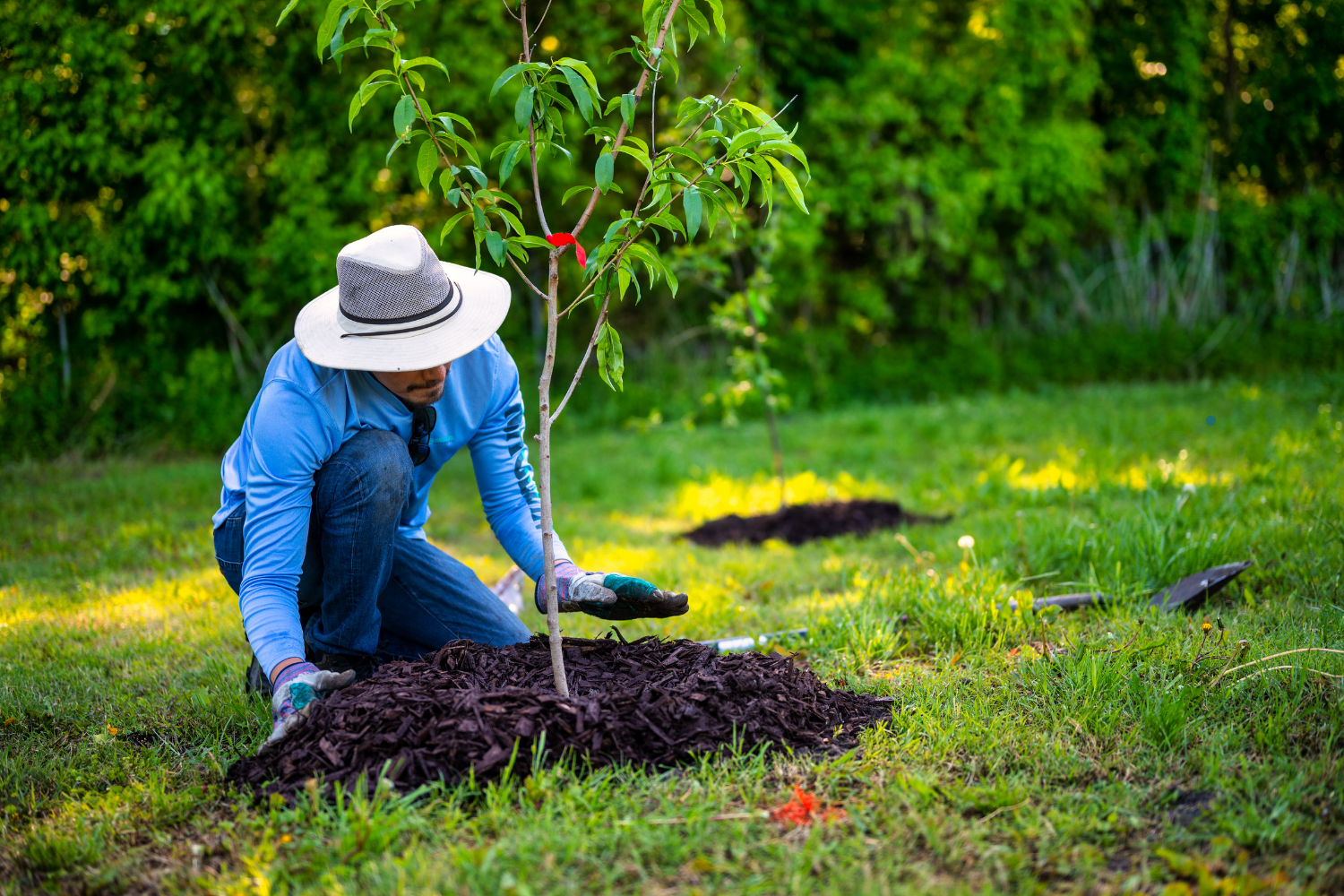
Can I Plant Anything in Fall?
Almost. Most hardy perennials, shrubs, and trees adapt well to fall planting. The main exceptions are plants with fleshy roots like magnolias and dogwoods, which prefer spring planting. Anything borderline for your hardiness zone should also wait until spring when it has a full season to establish before facing winter.
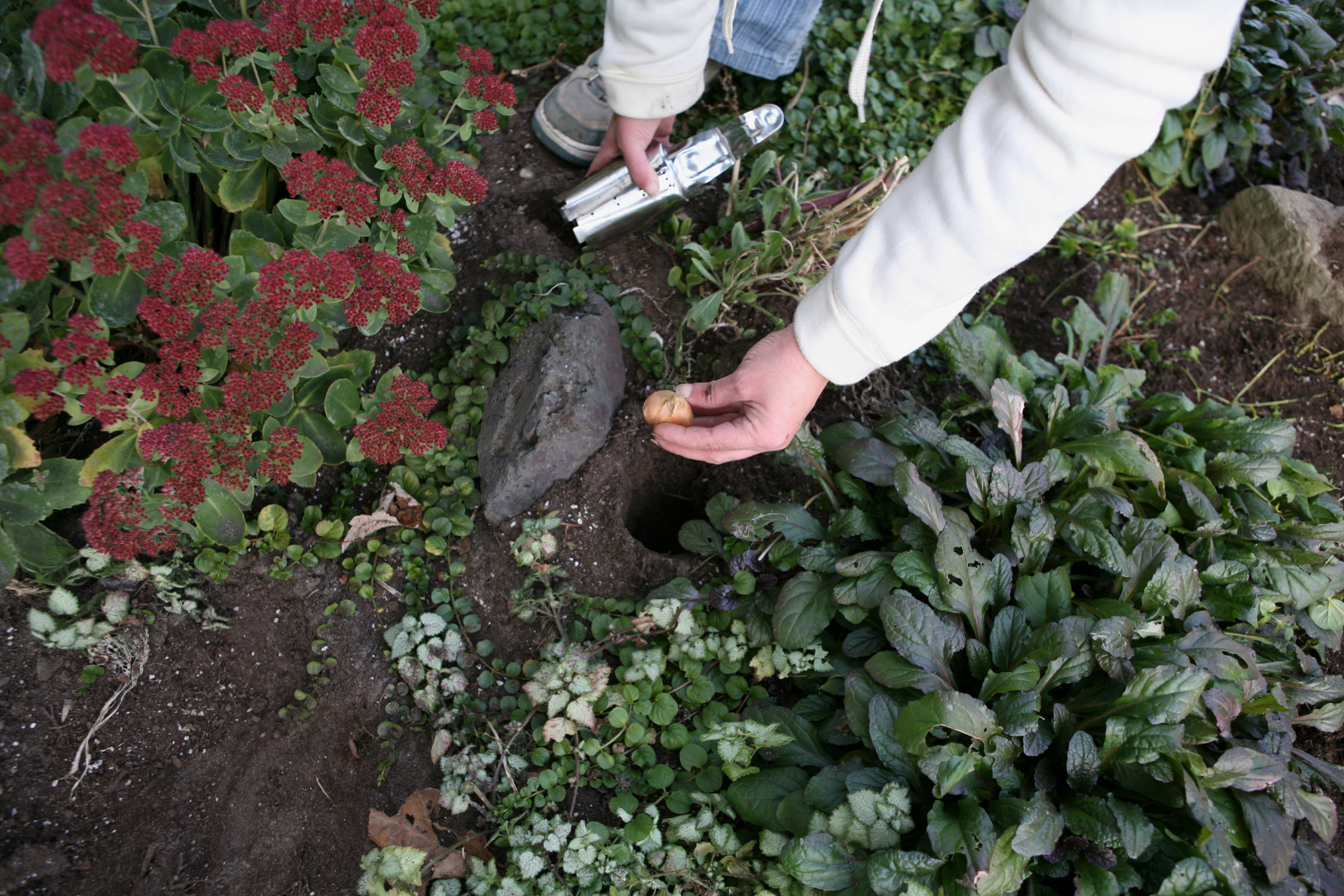
Fall is also the right time to plant spring-blooming bulbs. Tulips, daffodils, hyacinths, and crocuses all need to go in the ground in fall before the first hard frost. They require that cold period to bloom properly in spring.
If you're unsure about a specific plant, check the tag or ask at the garden center. Most plants you'll find for sale in September and October are fair game for fall planting.
Timing in Our Area
In Western New York, you want to get plants in the ground by mid-October to give them at least six weeks before the ground freezes. September is ideal, and early October still works well. If you're planting later in October, stick with very hardy varieties and mulch well.
The key is giving plants enough time to establish some roots before winter. They don't need to be fully established—just enough to anchor themselves and be ready to grow when spring arrives.
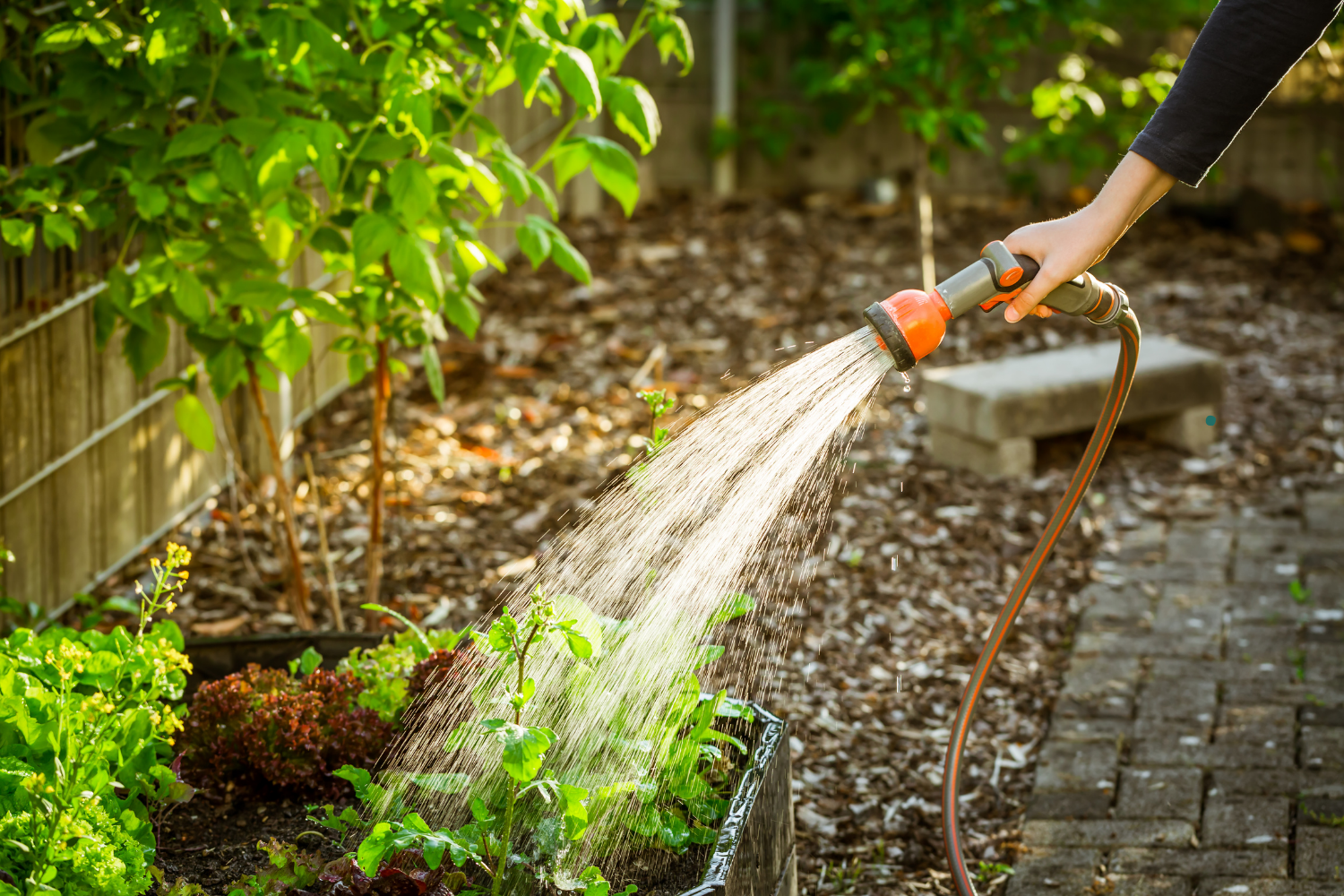
What Fall Planting Requires
Initial Watering: Water deeply at planting and continue watering weekly (or twice weekly during dry spells) until the ground freezes. This is still far less work than summer watering schedules.
Mulch: Apply 2 to 3 inches of mulch around new plantings after the ground freezes. This prevents the freeze-thaw cycles that can heave plants out of the ground.
Patience: Your new plants won't look like much this year. They're working underground. Next spring is when you'll see the payoff.
The Bottom Line
Take advantage of what our region does well. Do your planting in September and October when the weather cooperates, the sales are good, and you won't be watering twice a day. While everyone else is sadly waving goodbye to their gardens, you can be out there with a cart full of discounted plants and the smug satisfaction of knowing your garden will be ahead of the game next spring. When your neighbors will ask how your plants look so established, just smile and tell them you planted in fall.
Shop Our Print & Plant Designs