

Powdery Mildew 101
What’s with White Powder Taking Over Your Garden?
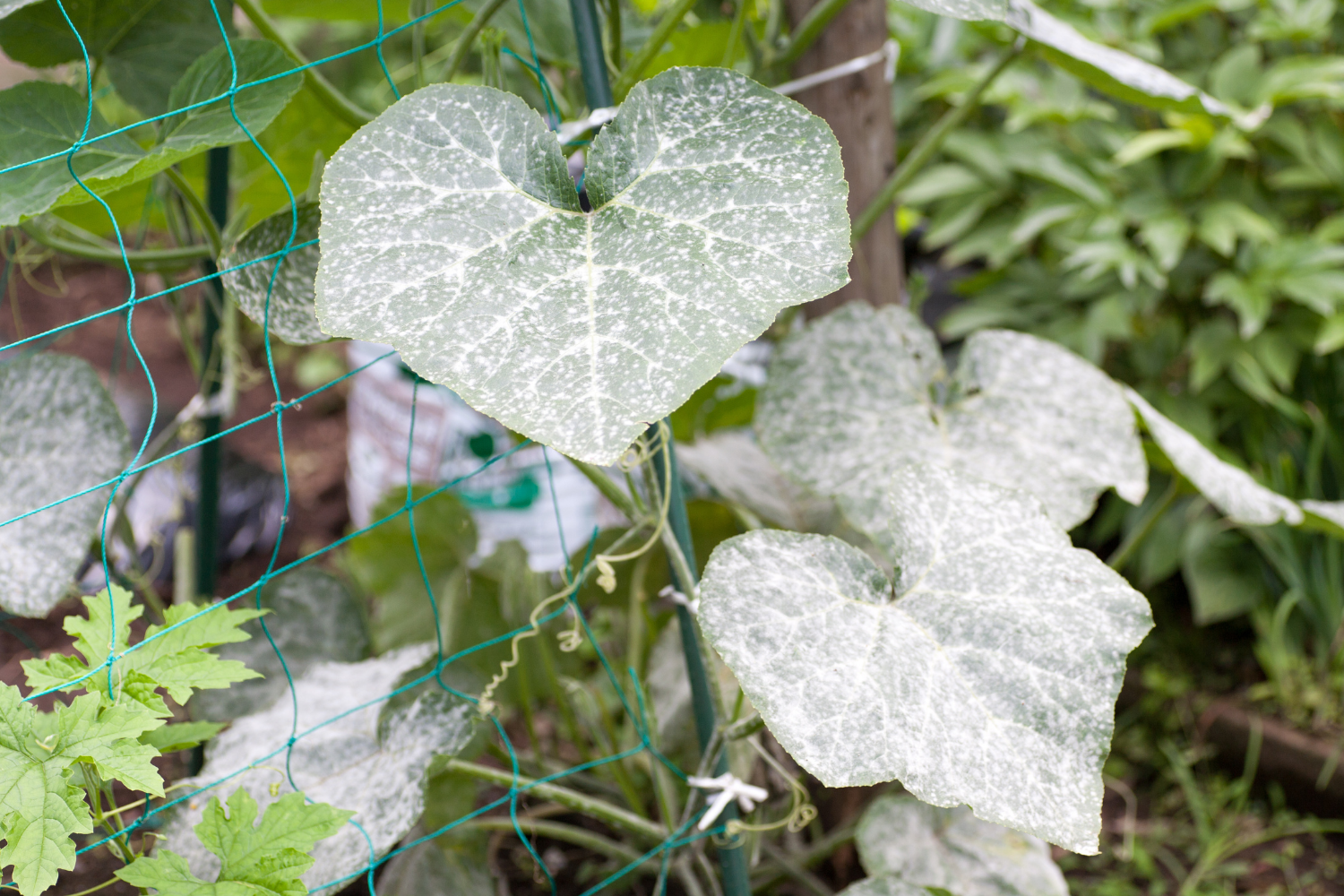
If your plants look like someone dusted them with a light coating of flour, you're dealing with powdery mildew. It's one of the most common and recognizable plant diseases, and it’s especially prevalent in the mid to late summer. While it's rarely fatal to plants, it’s unsightly and weaken them over time.
Here's what you need to know about this fungal disease—and why prevention beats treatment every time.
What Powdery Mildew Actually Is
Powdery mildew is caused by a group of related fungi in the Erysiphaceae family that create white to grayish, talcum-powder-like growth on plant surfaces. Unlike most fungal diseases, powdery mildew fungi don't need moisture on the leaf from rain or dew to infect—some require high humidity but others can germinate even when humidity is low.
The fungi produce mycelium (fungal threads) that grow only on the surface of the plant and never invade the tissues themselves. They feed by sending haustoria, or root-like structures, into the epidermal (top) cells of the plant. This is why infected plants often look dusty rather than rotted.
Causes
Powdery mildew fungi thrive with cool, humid nights that stimulate spore production and warm (70 to 80°F) days that allow for spore spread. This is why you often see it develop in late summer and fall when day-night temperature swings are greatest.
The disease is most severe in warm, dry climates and prefers high humidity at night and low humidity during the day. During warm dry days, powdery mildew spores may be blown to new hosts, and the high humidity at night is favorable for spore germination.
Several factors make plants more susceptible:
Succulent new growth: Succulent tissue is more susceptible to infection, which is why late summer applications of nitrogen fertilizer should be avoided once the disease is present.
Poor air circulation: Dense plantings and areas with limited airflow create ideal conditions
Stress: Plants weakened by drought, poor nutrition, or other factors are more vulnerable
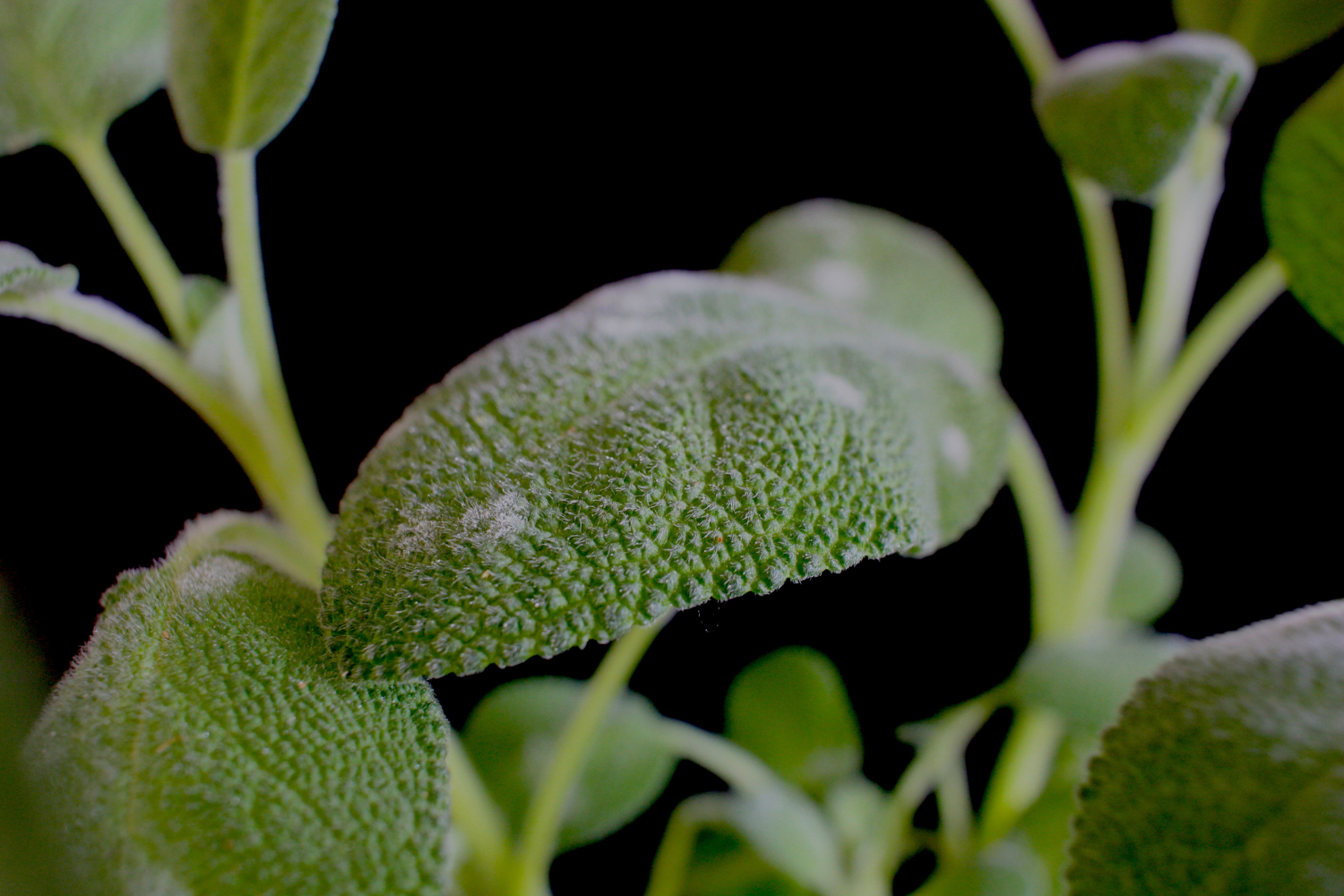
Frequent Targets
Here’s a list of common plants in our area that are prone to the disease.
Bee balm
Garden phlox
Peonies
Roses
Lilac
Ninebark
Zinnia
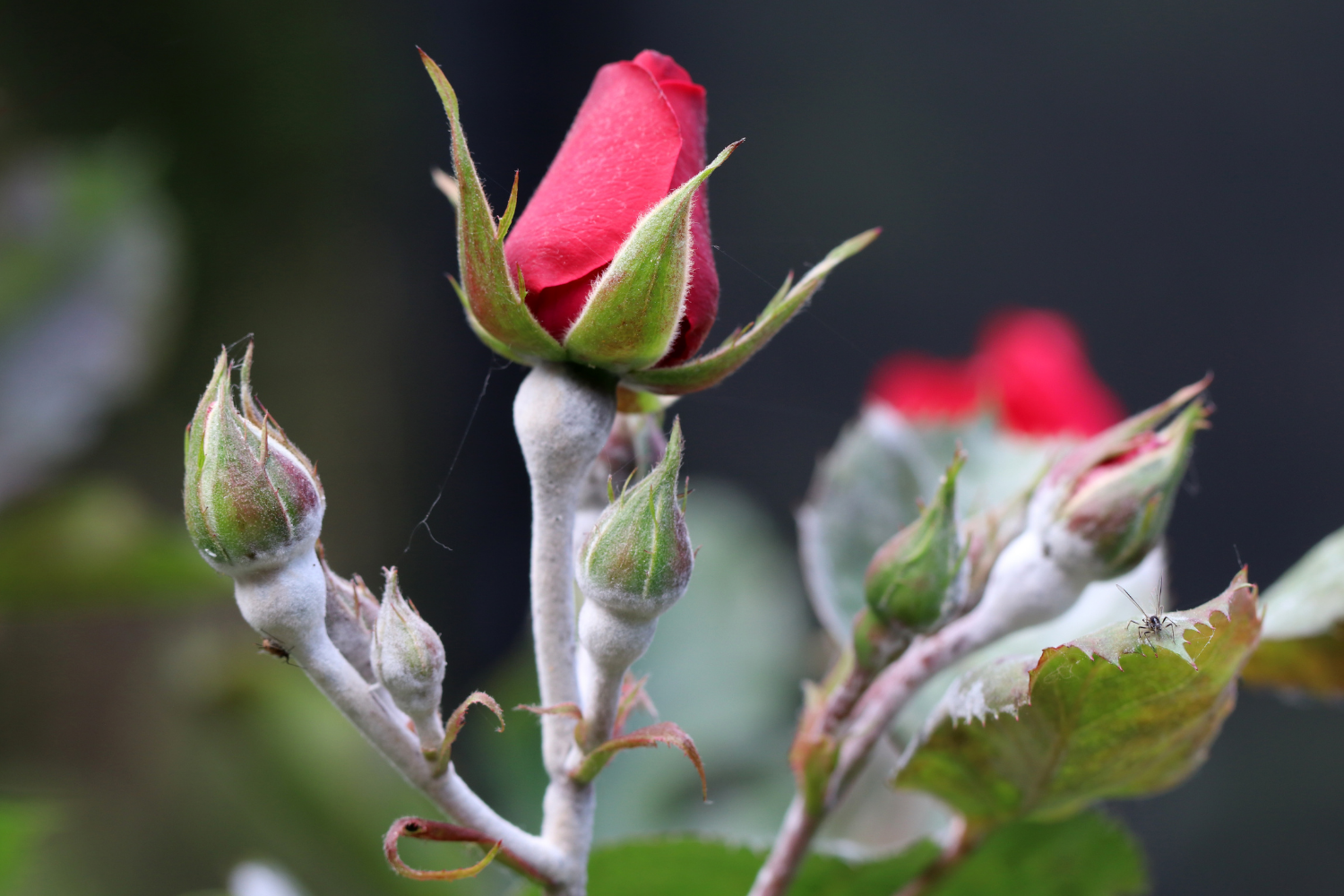
Treatment Options (And Their Limitations)
Unfortunately, fungicides will not cure or remove existing powdery mildew infections. They can only prevent new infections and slow the spread of existing ones. For your existing plants, remove infected plant material immediately and improve air circulation around plants by spacing them properly or pruning to thin dense foliage.
Why Soil Amendments Don’t Work
Unlike some plant diseases that are related to soil conditions, powdery mildew develops on plant surfaces and isn't caused by soil-borne pathogens. The fungi overwinter on plant debris as cleistothecia or mycelium, and in spring, these structures produce spores that are dispersed to susceptible host tissue by wind, splashing raindrops, or insects.
This means that improving drainage, adjusting soil pH, or adding organic matter—while good for overall plant health—won't prevent or cure powdery mildew. The disease originates from airborne spores, not soil conditions.
Choose Resistant Plants
Instead of fighting powdery mildew year after year, it’s better to choose plants that aren't susceptible to it in the first place. When selecting plants, choose disease-resistant cultivars.
If you’re starting from seed, look for powdery mildew resistant varieties in catalogs, on seed packages and on plant labels. This information is usually clearly marked when available.
When to Accept Some Powdery Mildew
If you can stand it, tolerate low levels of powdery mildew that don't reduce plant growth or flowering. Powdery mildew on most deciduous trees does little damage and does not require fungicides.
The key is understanding that some cosmetic damage may be acceptable, especially late in the season when plants are naturally declining anyway. The disease may cause plants to look less attractive but doesn't cause significant damage in most cases.
Designing Around The Problem
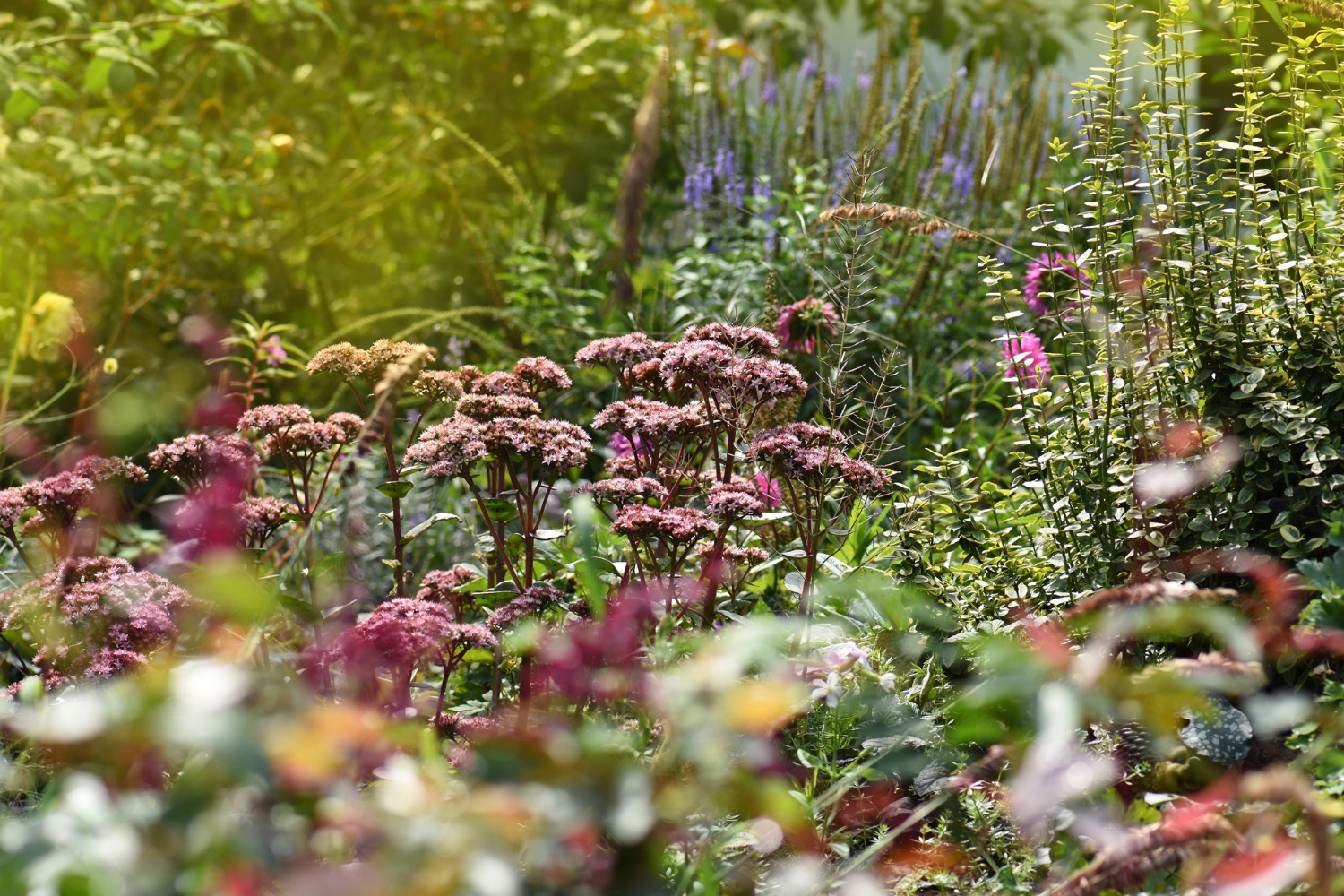
Since powdery mildew is common in our area, I avoid using mildew-prone plants in prominent garden spots where the white patches will be highly visible. Instead, position these plants in the back rows of beds and borders, behind late-season bloomers that look their best in August and September. This way, when powdery mildew appears, your eye is naturally drawn to the healthy plants in front rather than the affected foliage behind them. It's a simple design trick that lets you grow plants you love without having them become the focal point when they're at their worst.
The Bottom Line
Powdery mildew is frustrating because it's so visible and seems to spread quickly, but it's rarely a death sentence for plants. Your energy is better spent choosing resistant varieties and creating good growing conditions than trying to cure infections after they develop. Sometimes the best garden solution is simply choosing plants that want to thrive in your conditions rather than fighting the same battles every season.
