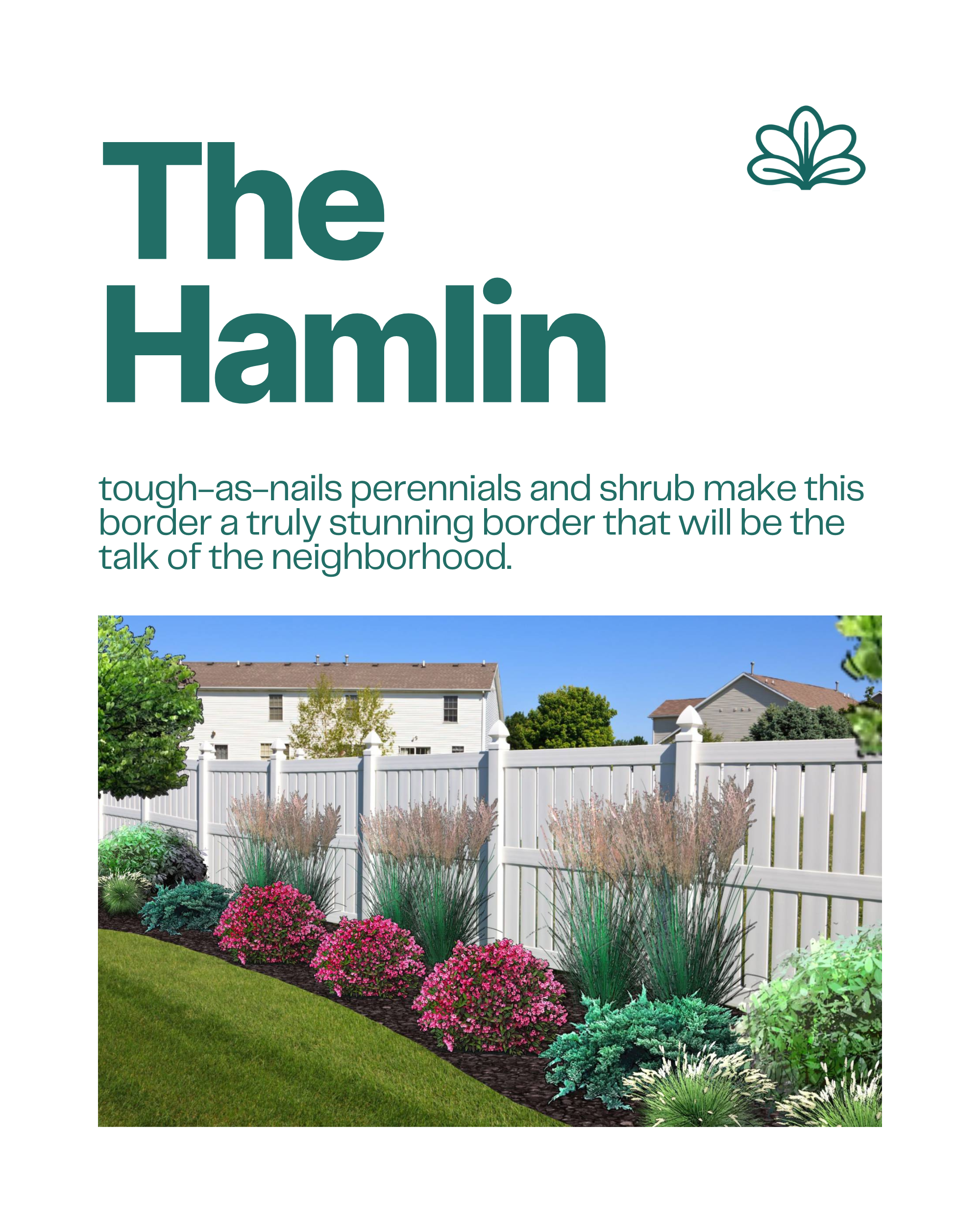

Wind Tolerant Plants
Buffalo is known for its unpredictable weather patterns, including strong winds that can wreak havoc on gardens and landscapes. To ensure the longevity and beauty of your outdoor space, it's essential to choose plants that can withstand these challenging conditions.
In this comprehensive guide, we'll explore a curated list of wind-resistant plants specifically suited for our area. Whether you're a home gardener or a landscape designer, these plant selections will help you create resilient and stunning gardens. Let's get started!

Tree Selections
Trees are the backbone of any landscape, providing shade, structure, and visual interest.
Red Maple (Acer rubrum): Known for its vibrant fall foliage, the Red Maple is a hardy fast growing tree that thrives in various soil conditions.
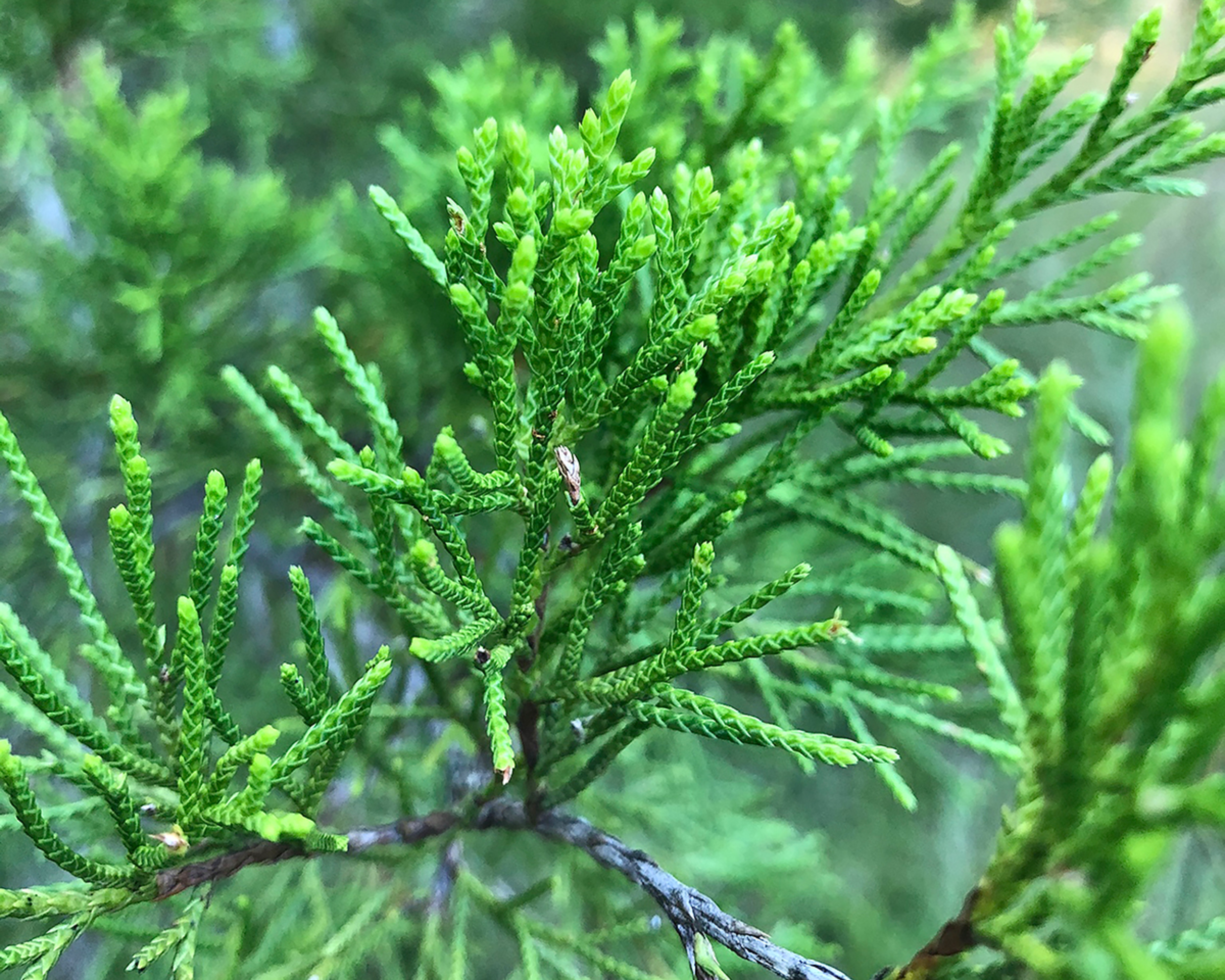
Eastern Red Cedar (Juniperus virginiana): This evergreen tree provides year-round interest with its dense foliage and attractive berries.
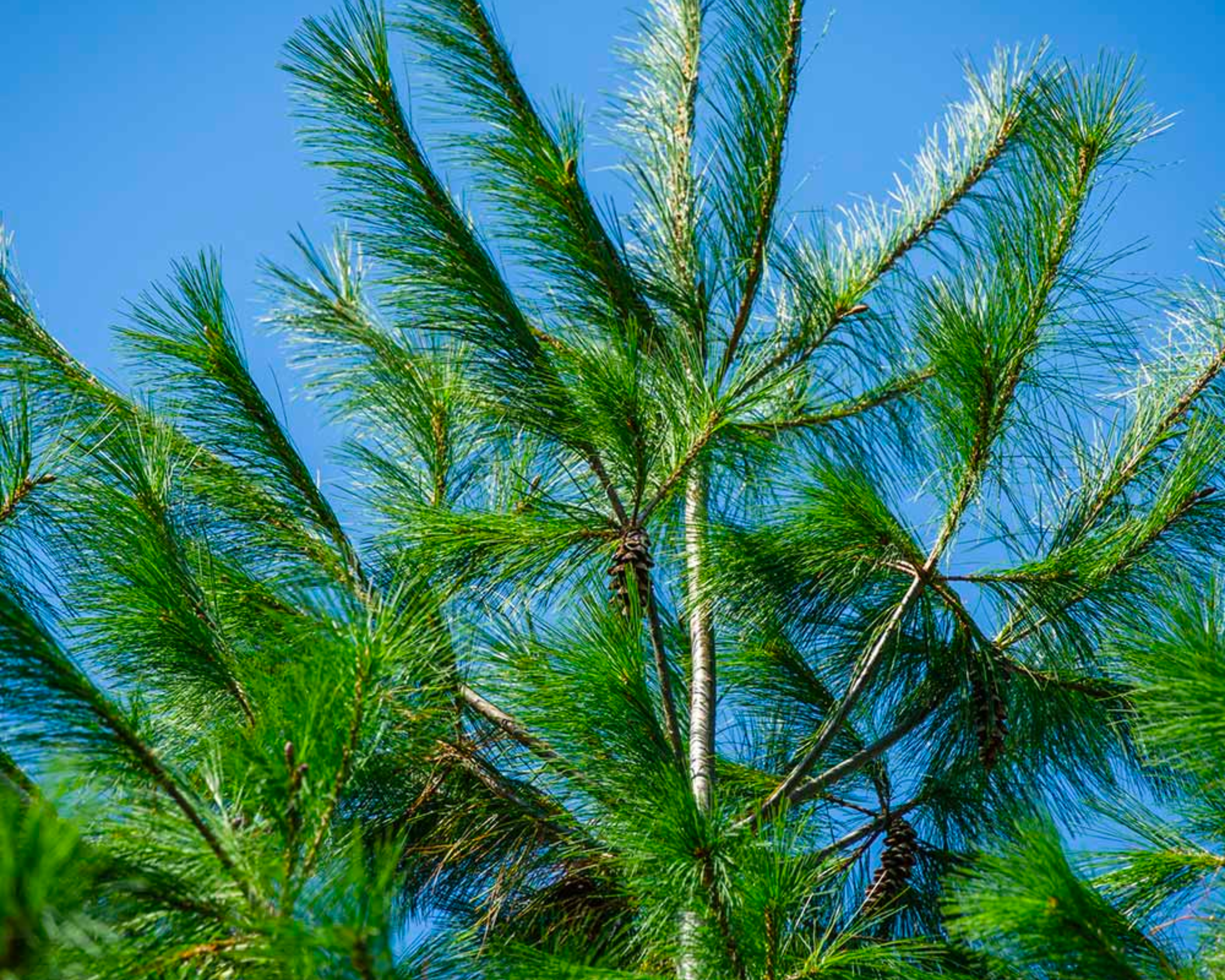
White Pine (Pinus strobus): With its graceful branches and soft needles, the White Pine is an excellent choice for wind protection and privacy.
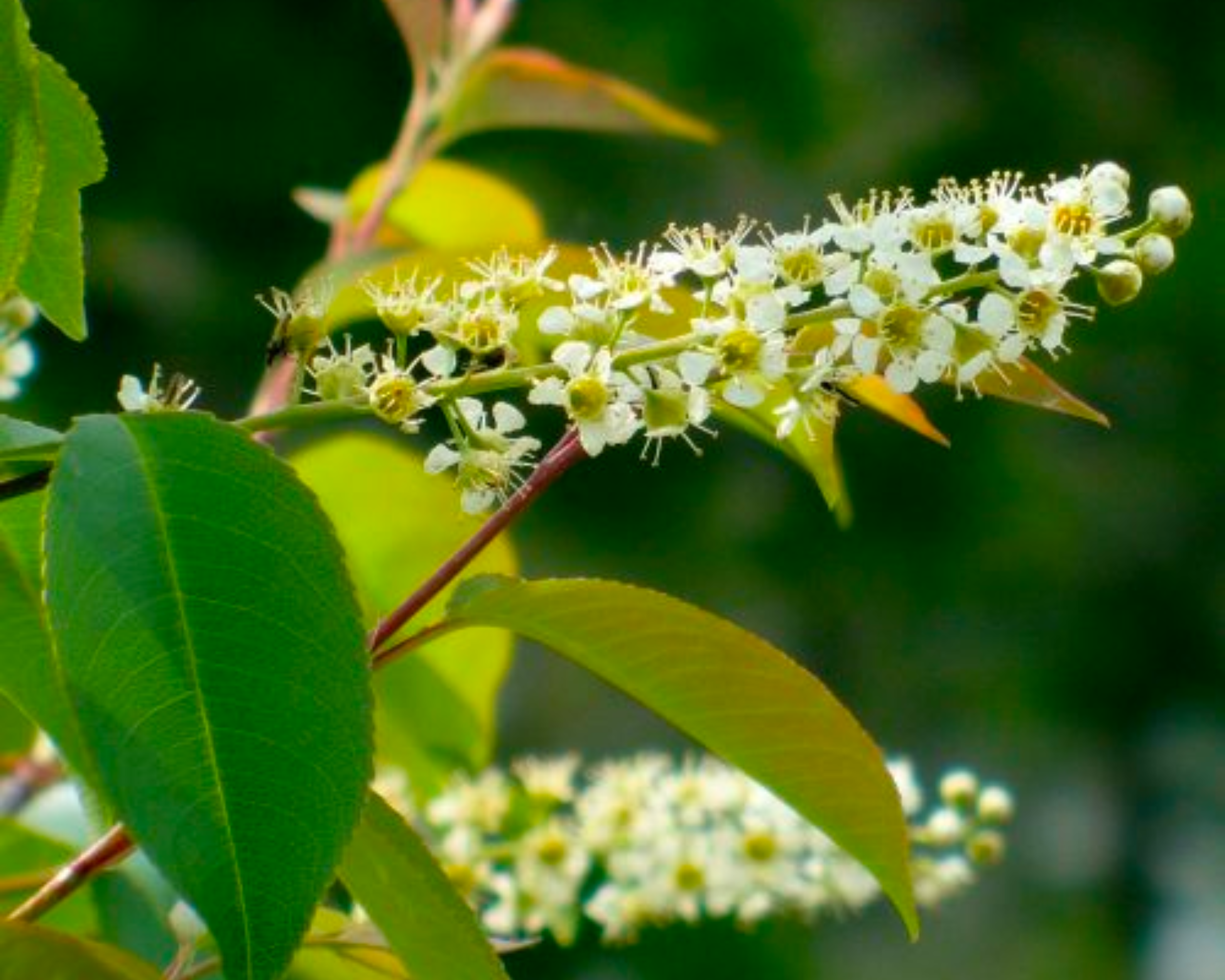
Black Cherry (Prunus serotina): A native to the eastern United States, the Black Cherry tree is wind-resistant and produces small, fragrant flowers in spring, followed by dark cherries in summer.
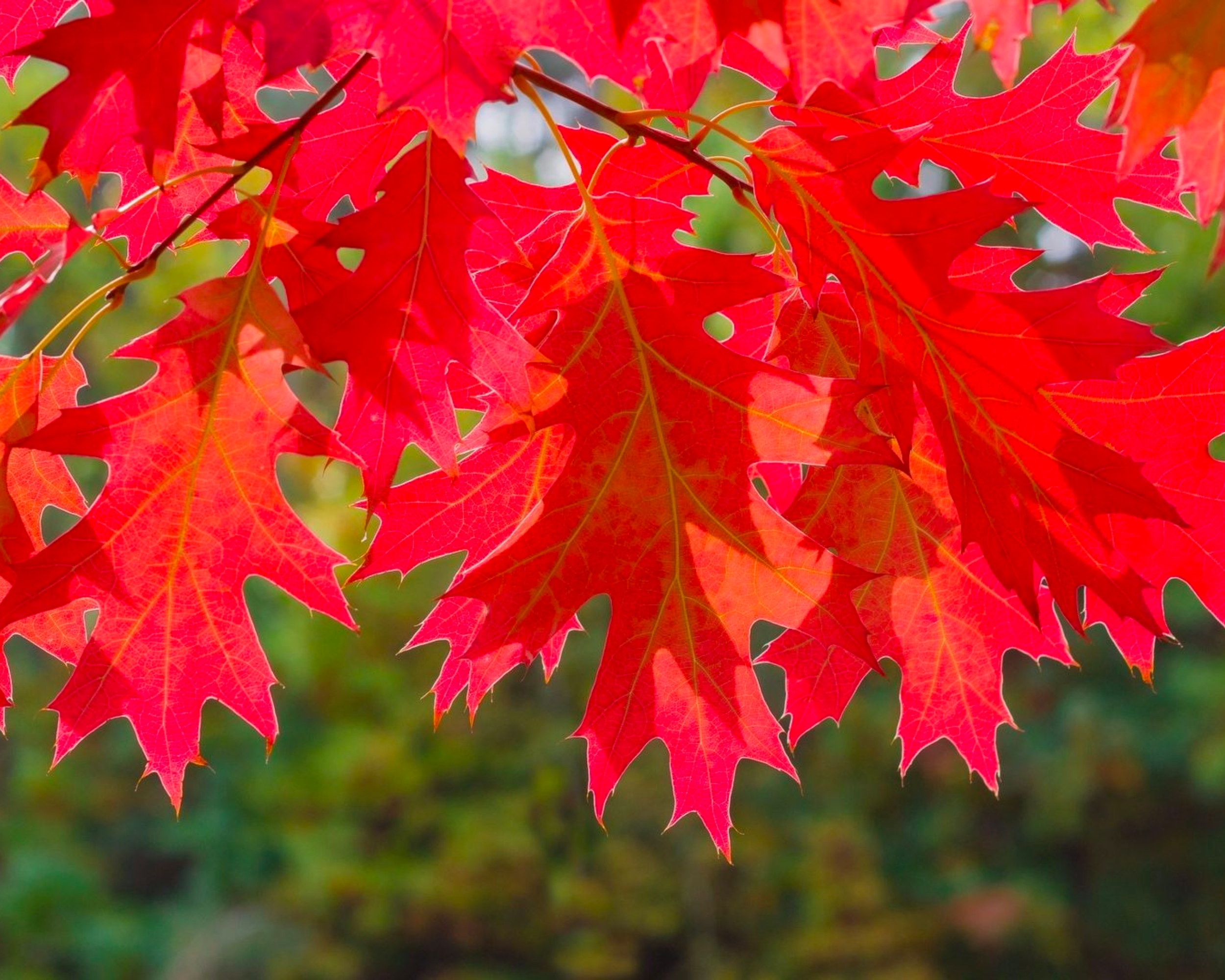
Northern Red Oak (Quercus rubra): Valued for its longevity, the Northern Red Oak is a wind-resistant tree with a wide spreading crown, offering an excellent shade.
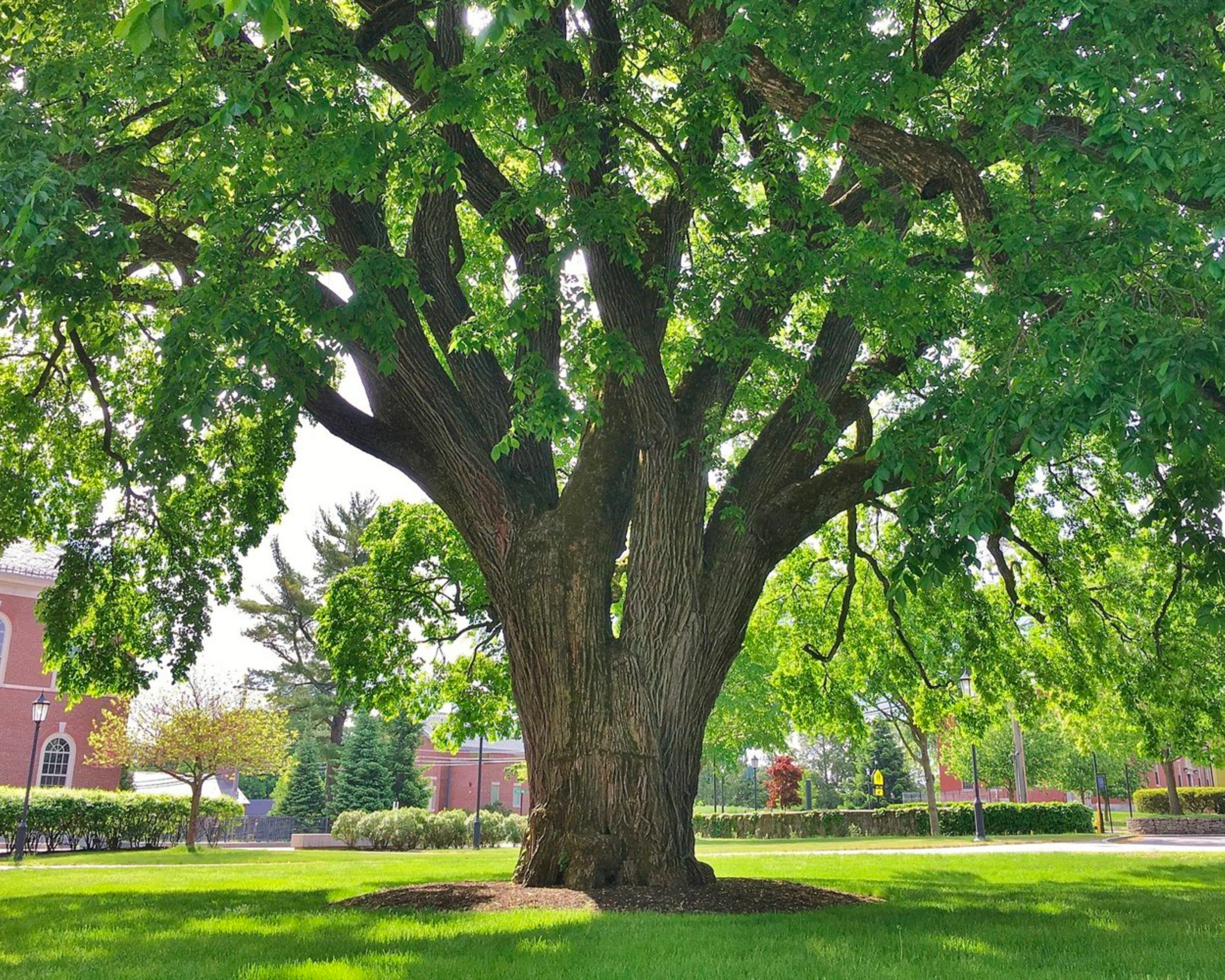
American Elm (Ulmus americana): Disease resistant varieties of this tree are excellent windbreakers and provide a large canopy of shade.
Flowering Perennials
Adding vibrant flowering plants to your garden can bring life and color to any landscape.
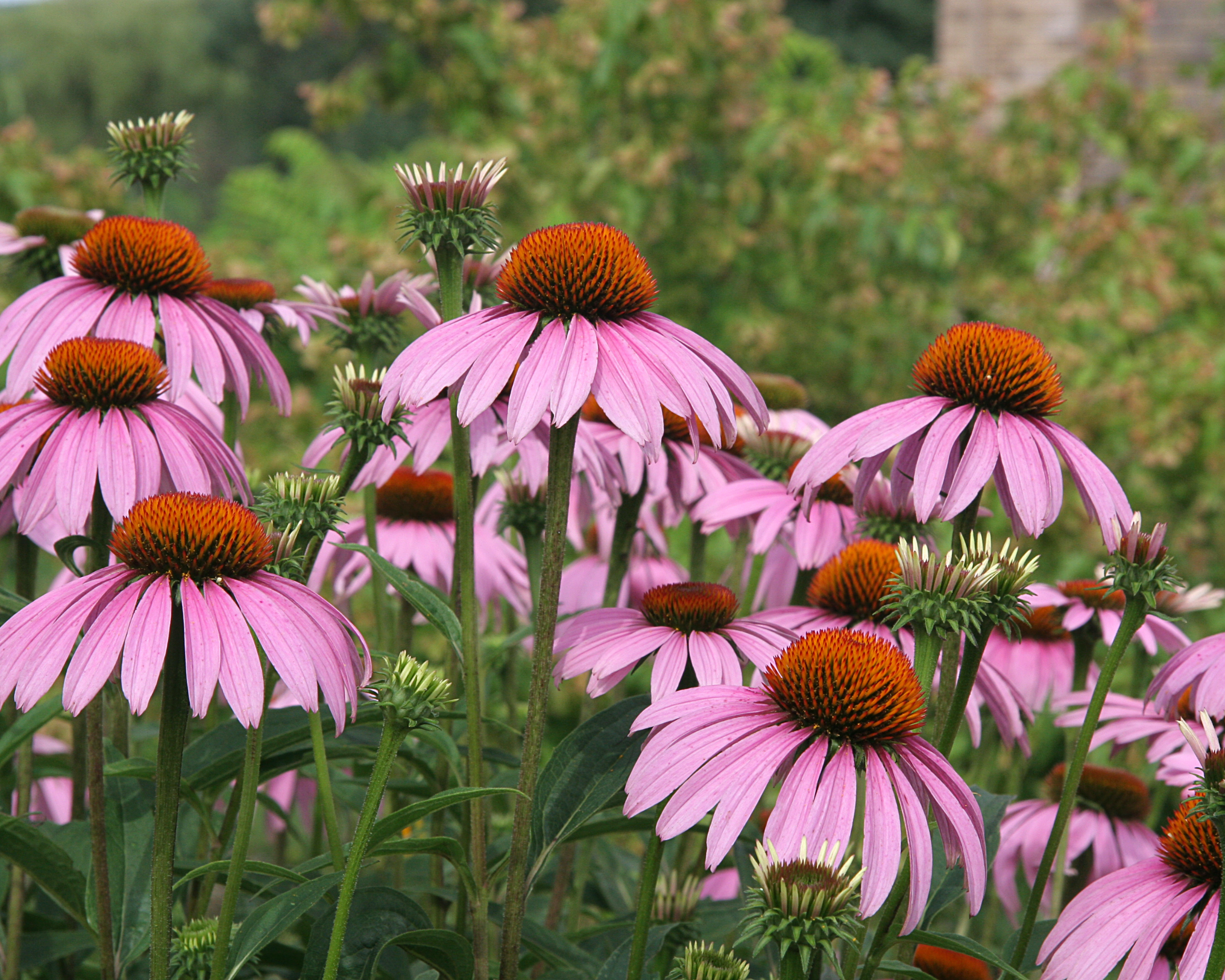
Coneflower (Echinacea purpurea): This perennial flower boasts a long blooming season, attracting pollinators and adding a pop of color to your garden.
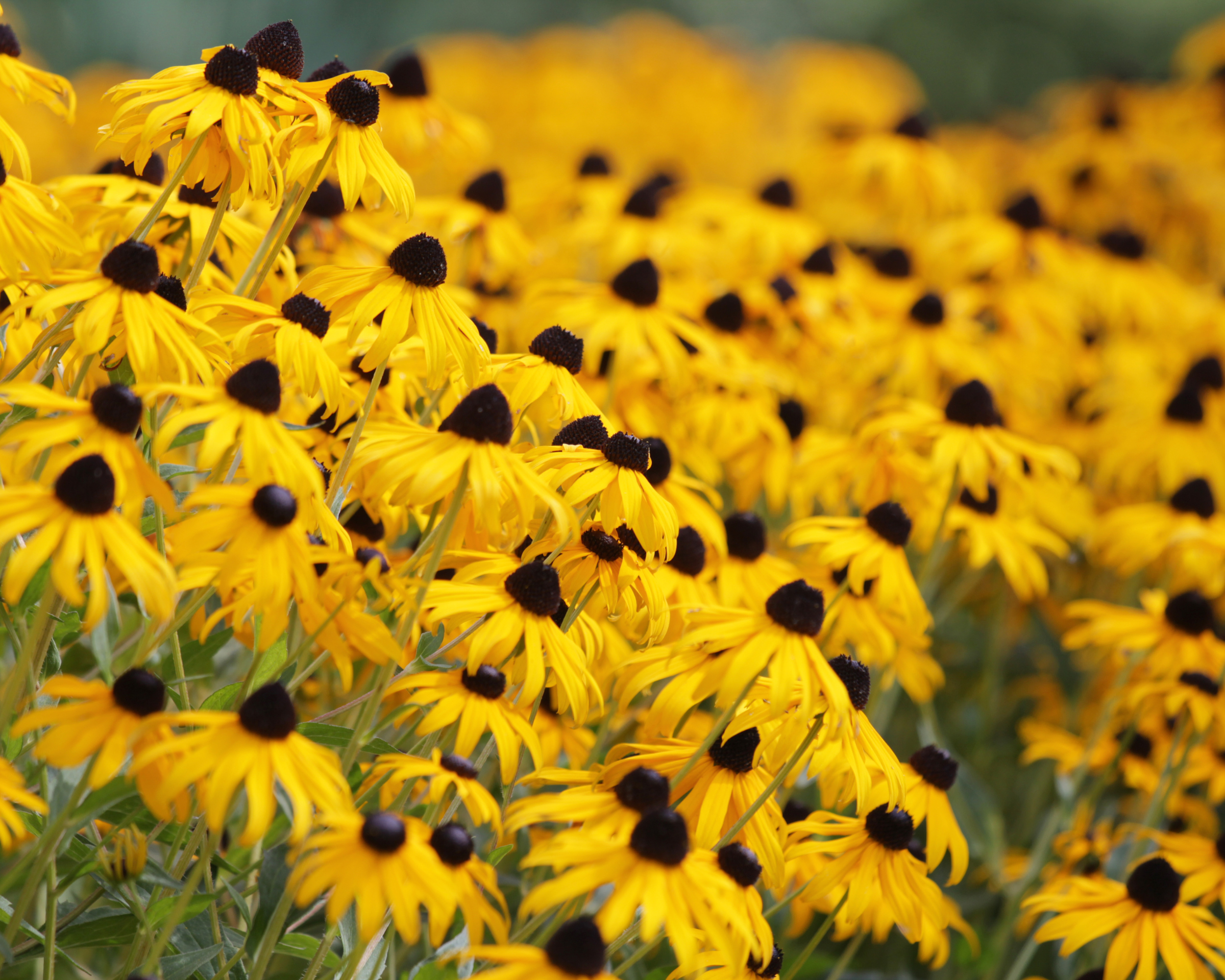
Black-eyed Susan (Rudbeckia hirta): With its bright yellow petals and dark center, the Black-eyed Susan is a hardy flower that thrives in many growing conditions.
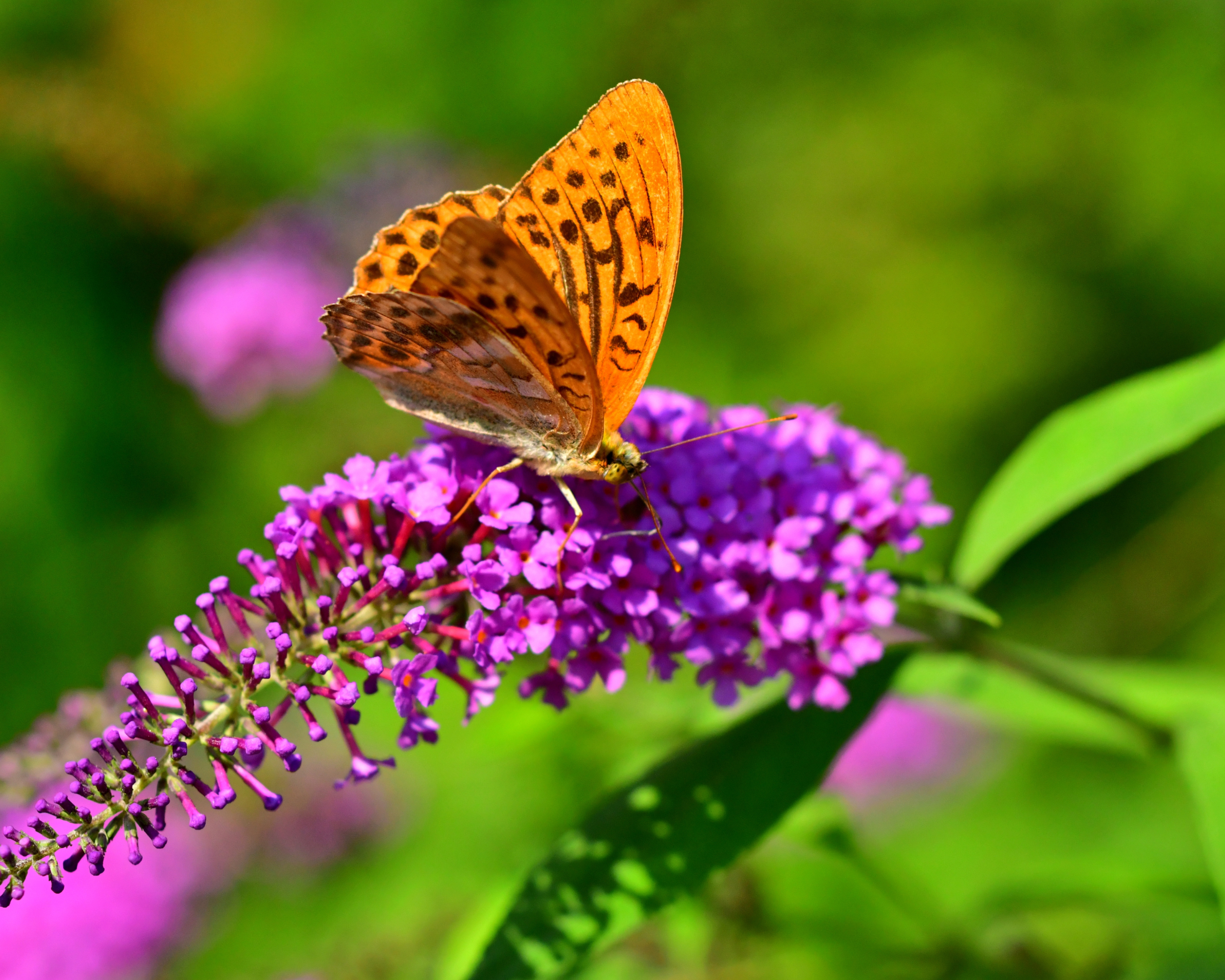
Butterfly Bush (Buddleja davidii): Known for its attractive blooms and ability to attract butterflies, the Butterfly Bush is also surprisingly resistant to wind damage. Be sure to choose a sterile variety; new seedlings will pop up all over your yard if you don’t!
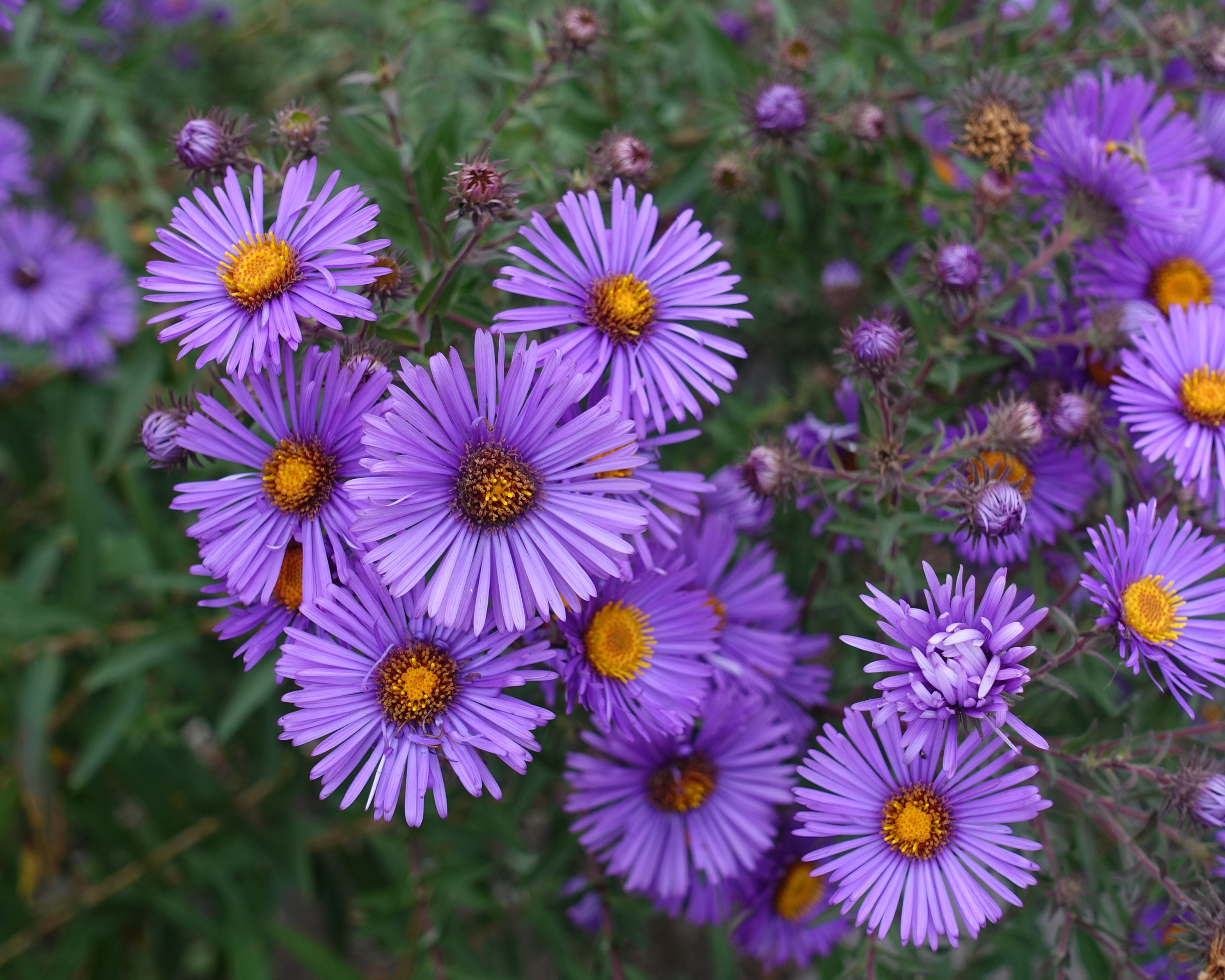
New England Aster (Symphyotrichum novae-angliae): This native plant blooms in late summer, providing a burst of purple in the garden when many other plants have finished flowering.
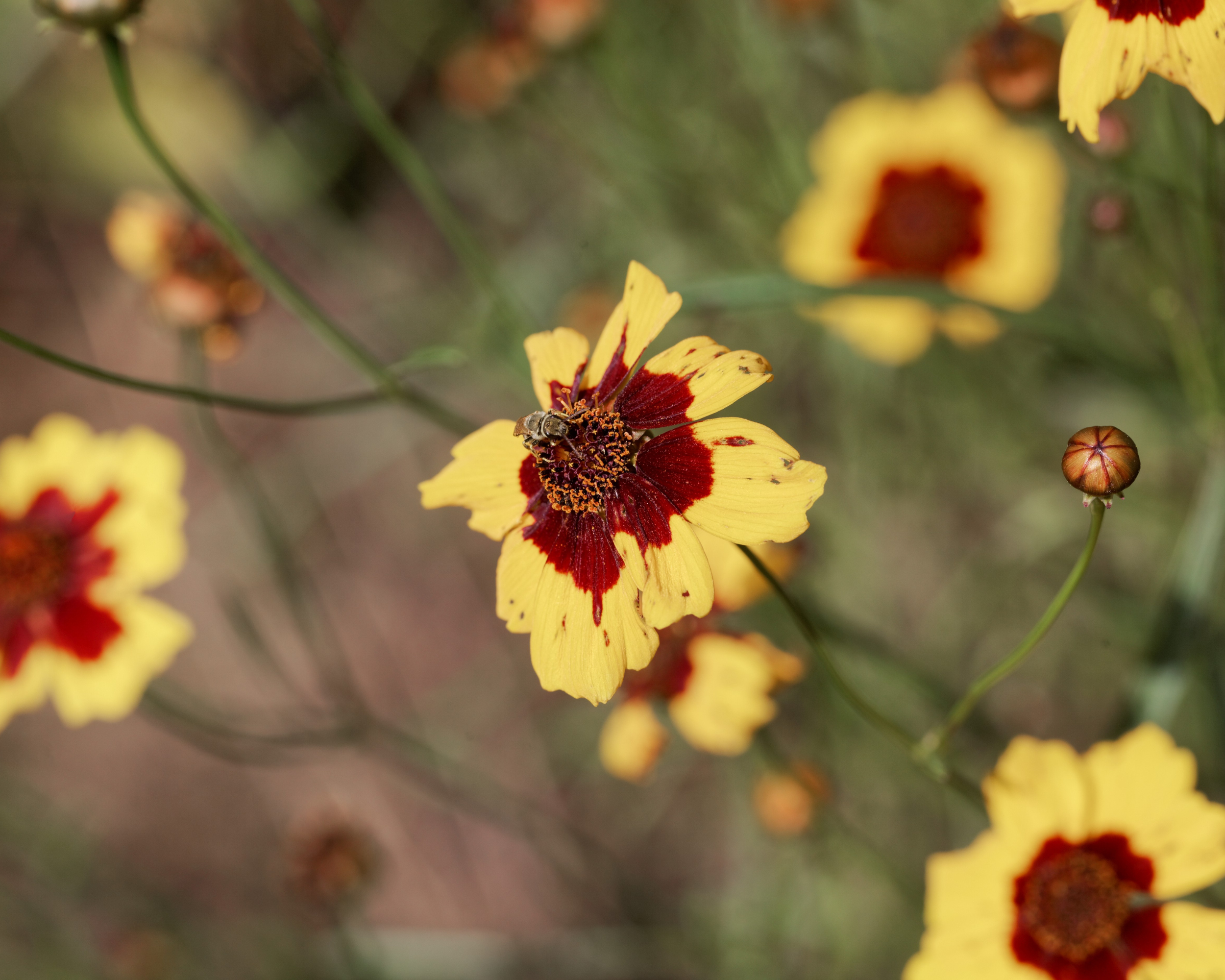
Coreopsis (Coreopsis spp.): These cheerful flowers come in a variety of colors and are known for their long blooming period. They also attract butterflies and bees to your garden.
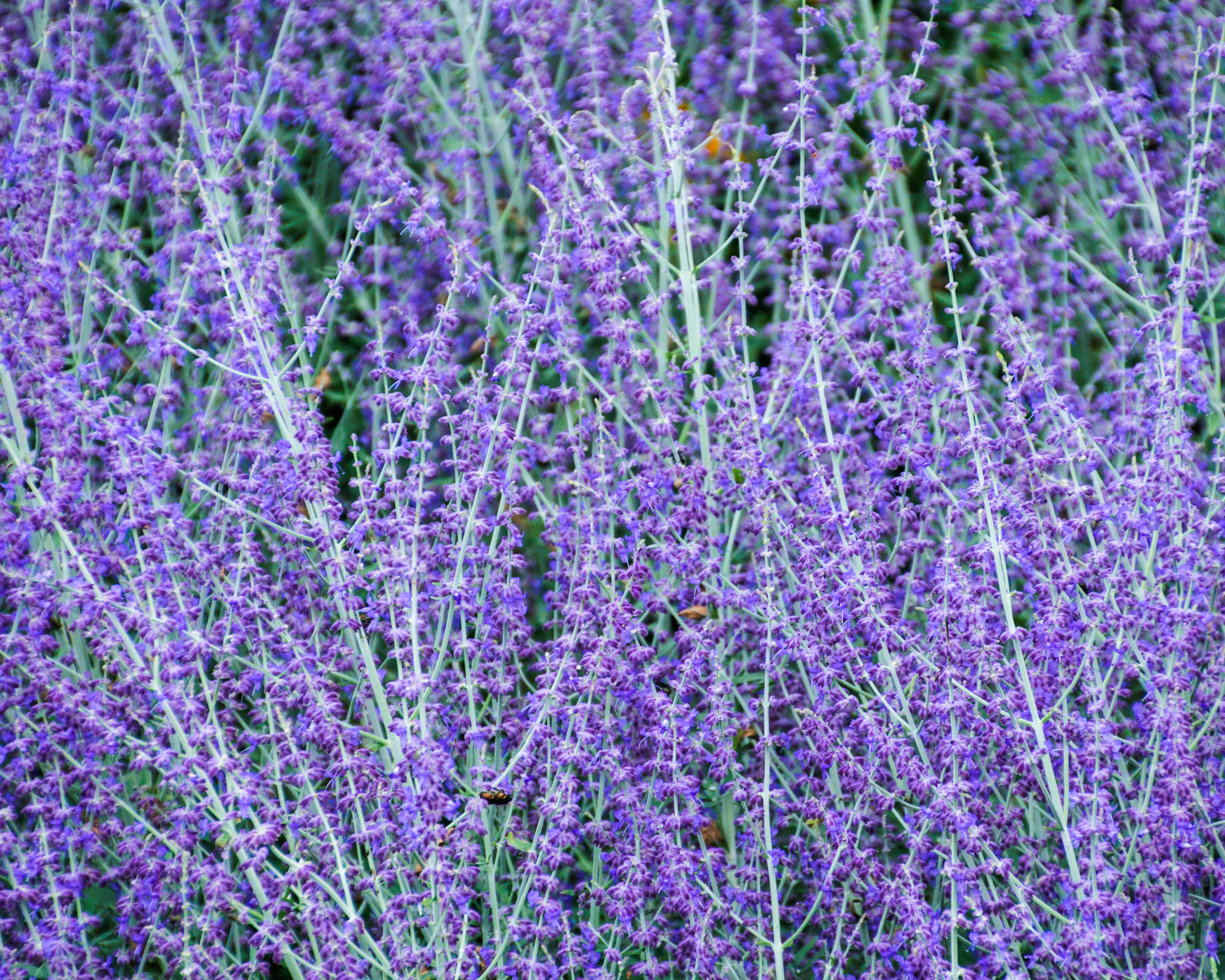
Russian Sage (Perovskia atriplicifolia): This hardy plant is known for its silvery foliage and lavender-like flowers. Russian Sage is drought-tolerant and wind-resistant, making it an excellent choice for challenging garden conditions.
Shrubs and Bushes
Shrubs and bushes play a vital role in providing structure and visual interest to your landscape. Here are some wind-resistant options:
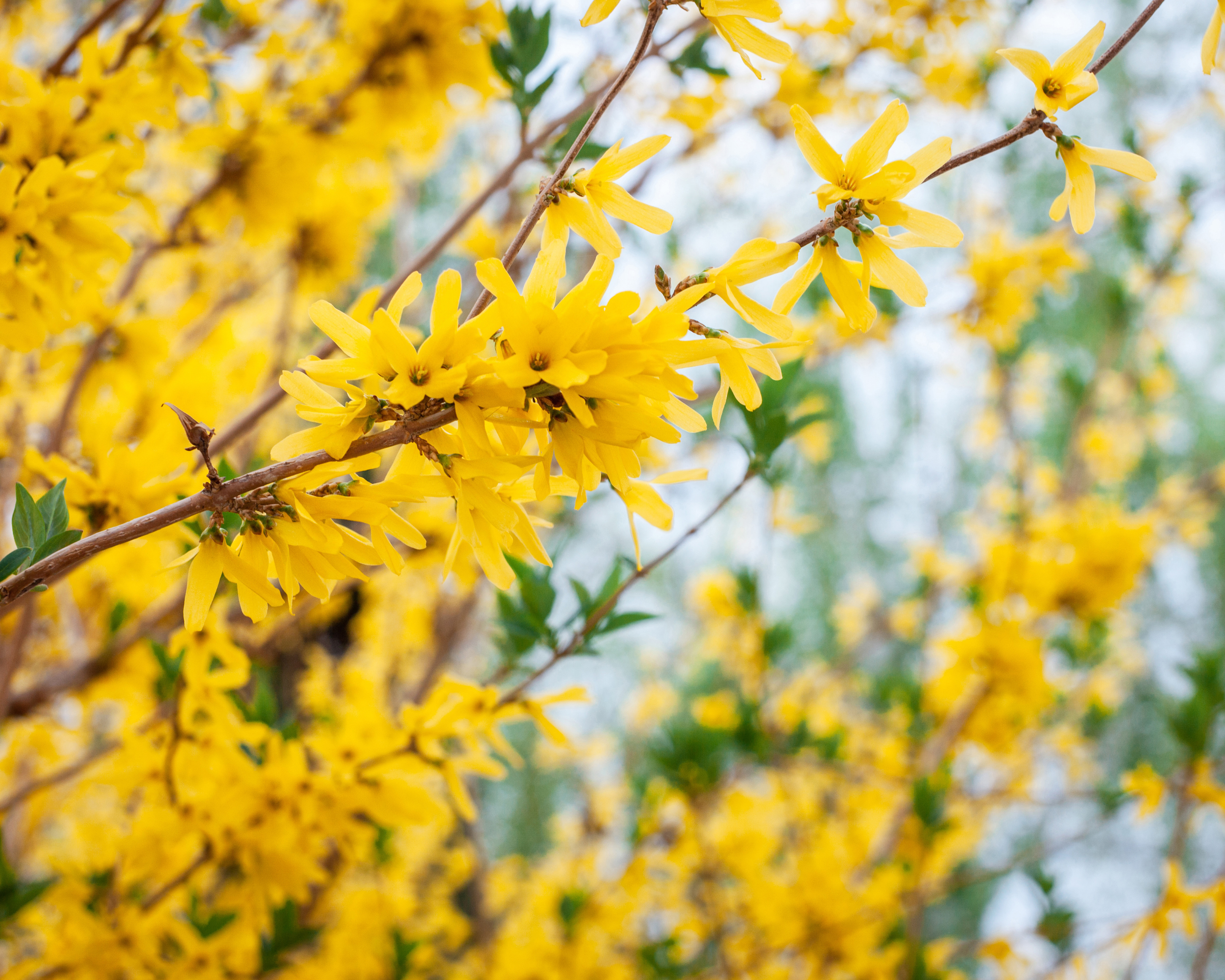
Forsythia (Forsythia spp.): This early-blooming shrub showcases bright yellow flowers, adding a burst of color to your garden even in windy conditions.
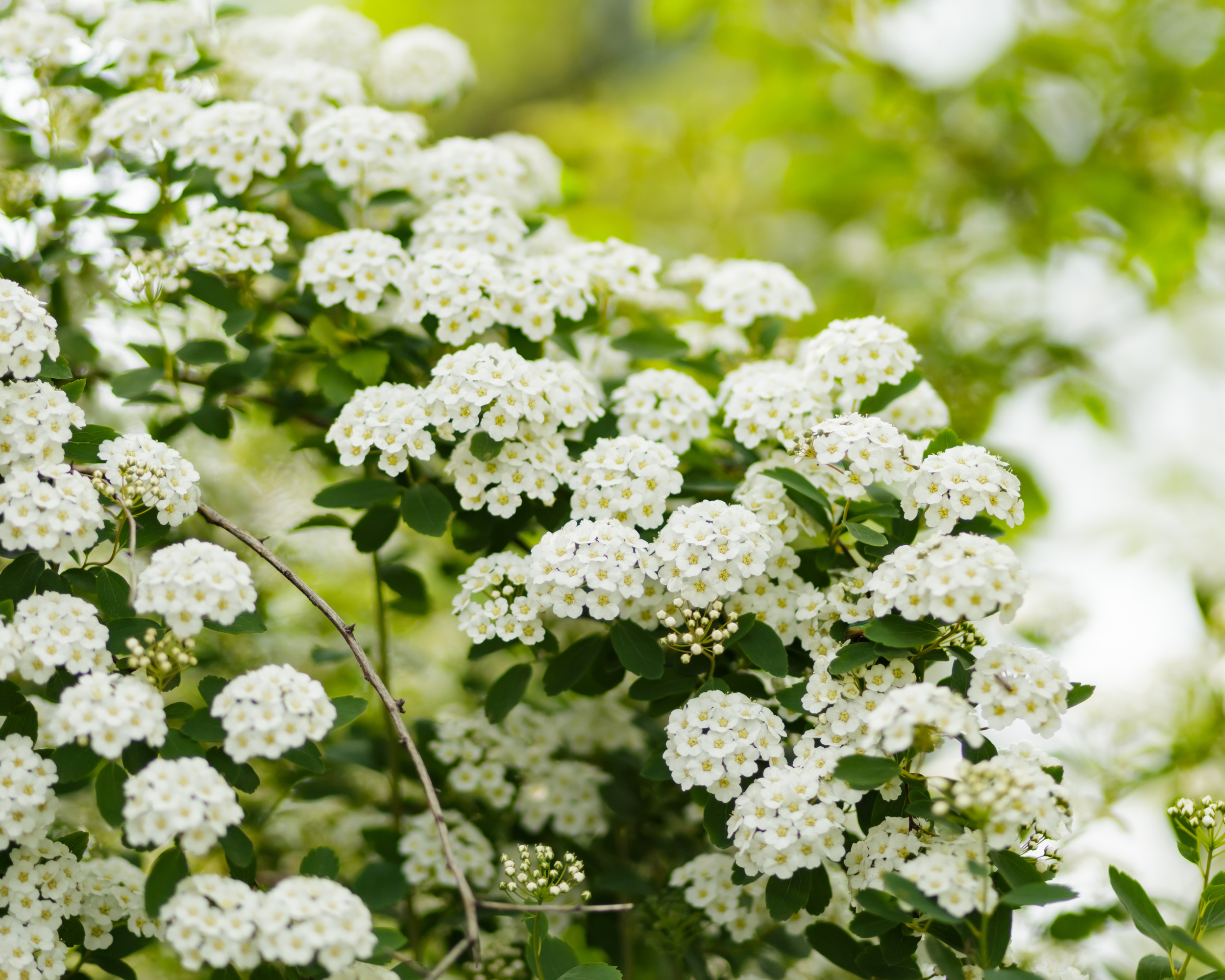
Spirea (Spiraea spp.): With its clusters of delicate flowers, Spirea is a versatile and wind-resistant shrub that comes in various colors, including pink, white, and red.
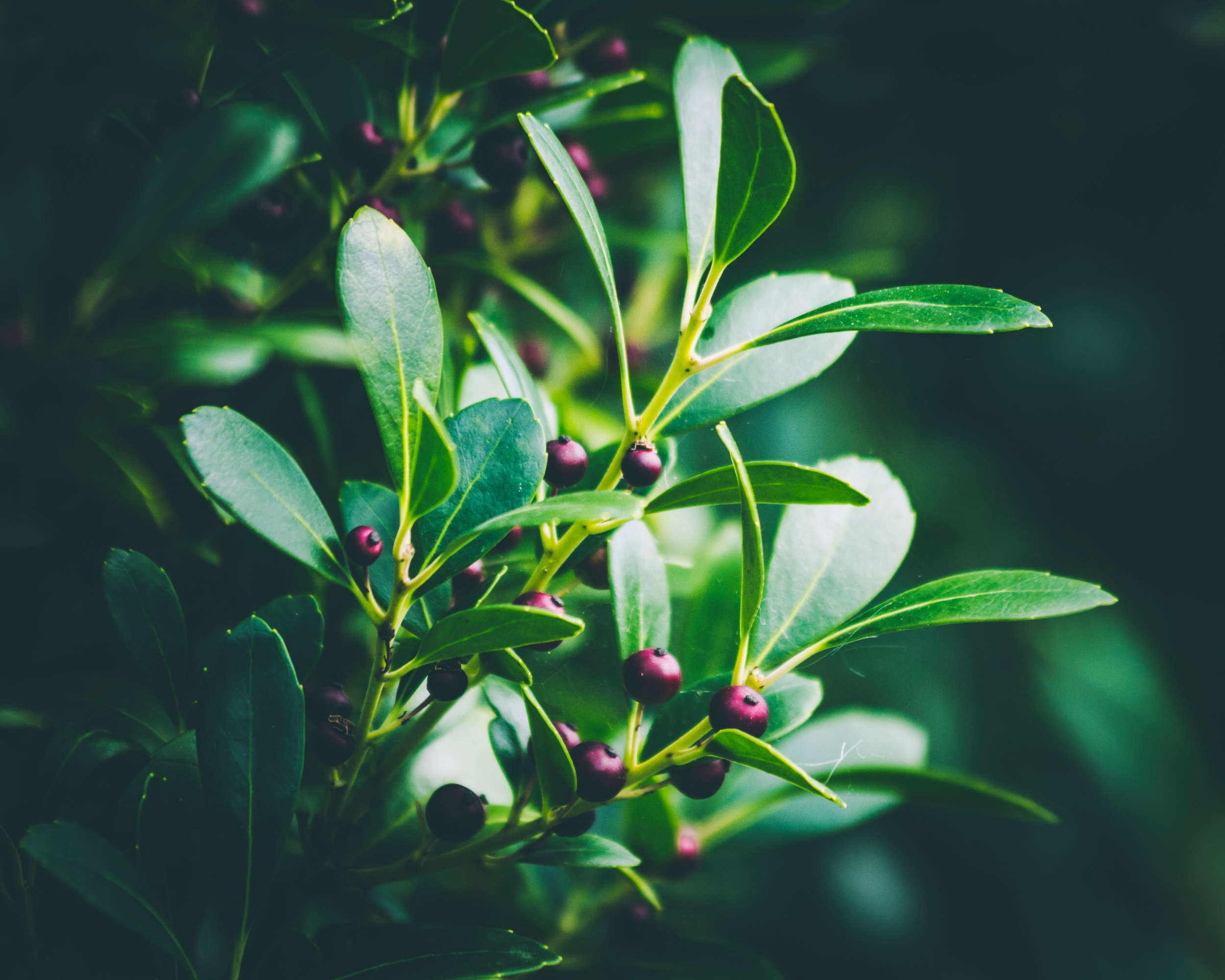
Inkberry (Ilex glabra): This evergreen shrub features dark green foliage and produces small black berries. It is highly adaptable to different soil types.
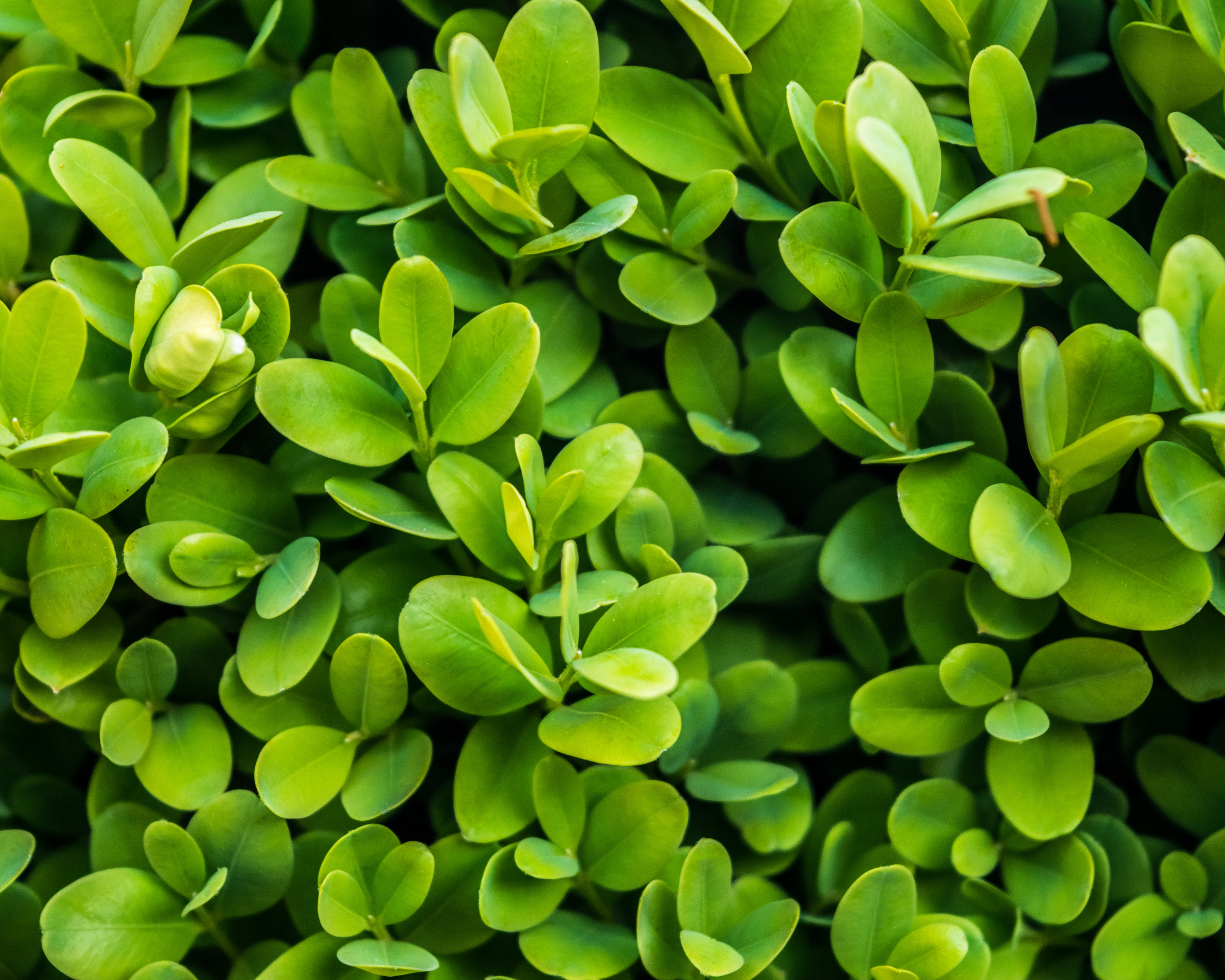
Boxwood (Buxus sempervirens): This classic evergreen shrub is known for its rich green leaves and dense growth, which make it perfect for hedges or standalone specimens.
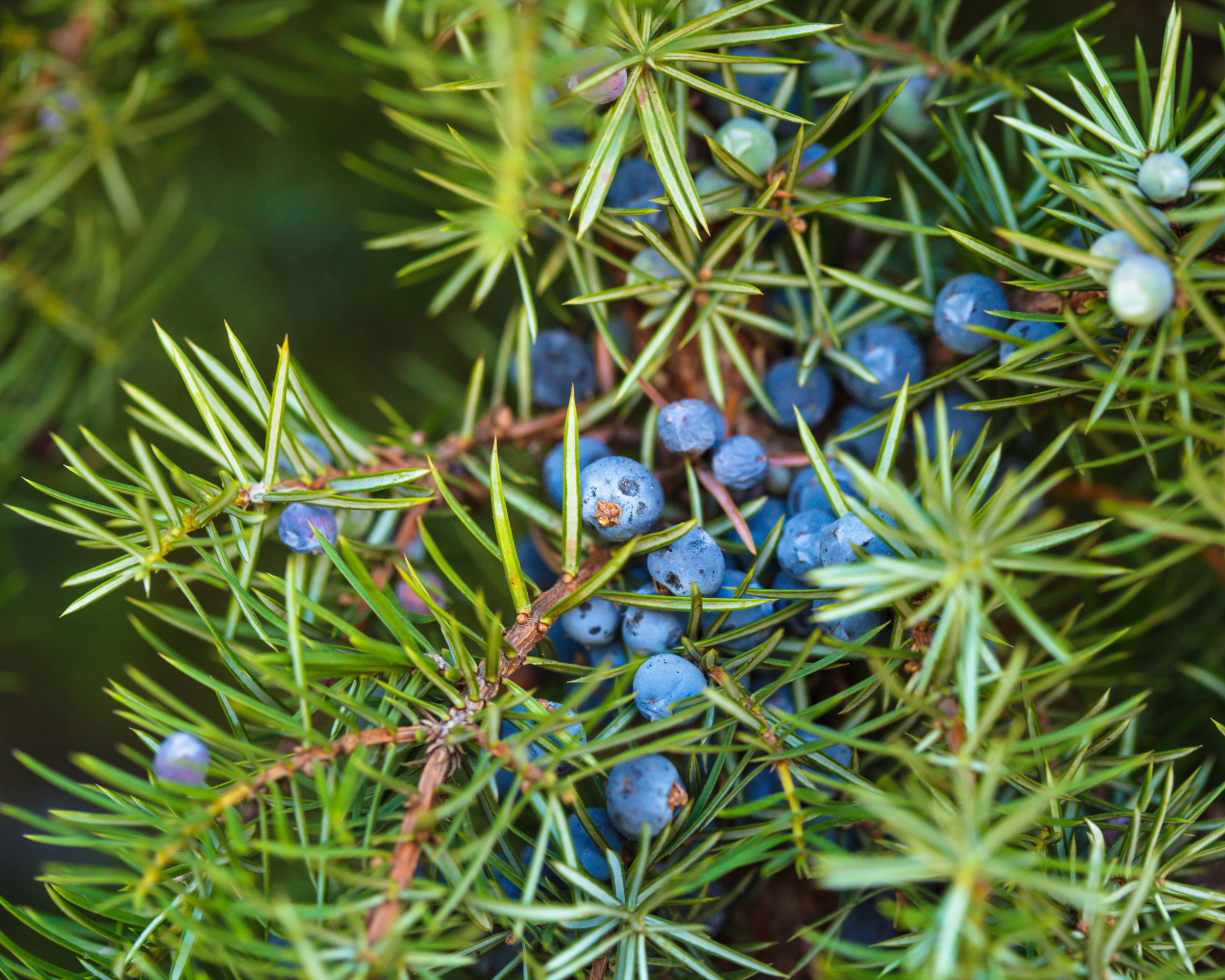
Juniper (Juniperus spp.): Junipers are a diverse group of shrubs known for their hardiness and durability. They come in a variety of shapes and sizes, from low ground covers to tall trees, and their distinctive blue-green foliage provides year-round interest.
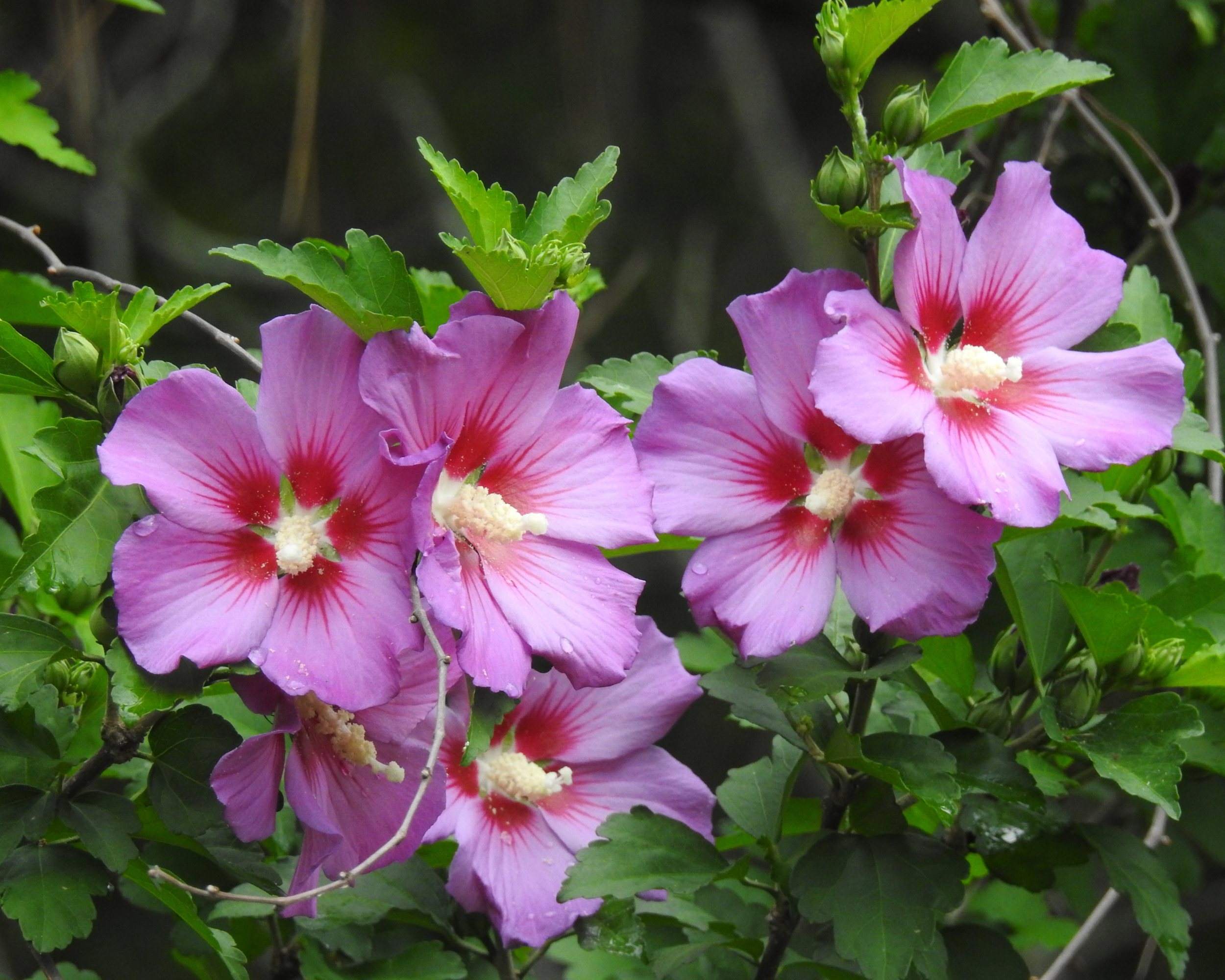
Rose of Sharon (Hibiscus syriacus): This durable shrub blooms in late summer, producing a profusion of large, colorful flowers in shades of white, pink, and purple. It is a great choice for adding late-season color to your garden.
Grasses and Groundcovers
Grasses and groundcovers not only provide erosion control but also add texture and movement to your garden.
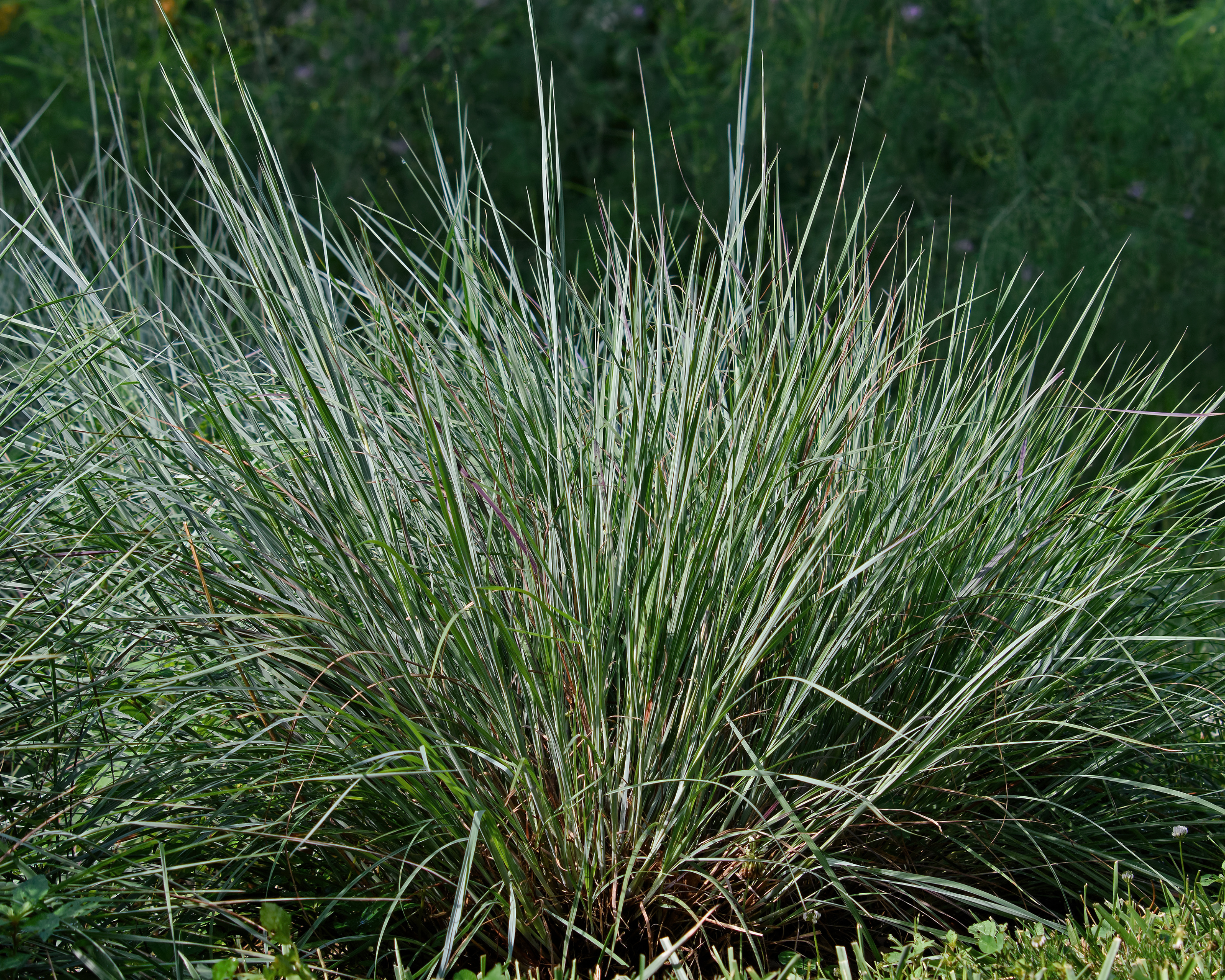
Little Bluestem (Schizachyrium scoparium): This native ornamental grass features blue-green foliage that turns bronze in the fall, adding visual interest and tolerance to windy conditions.
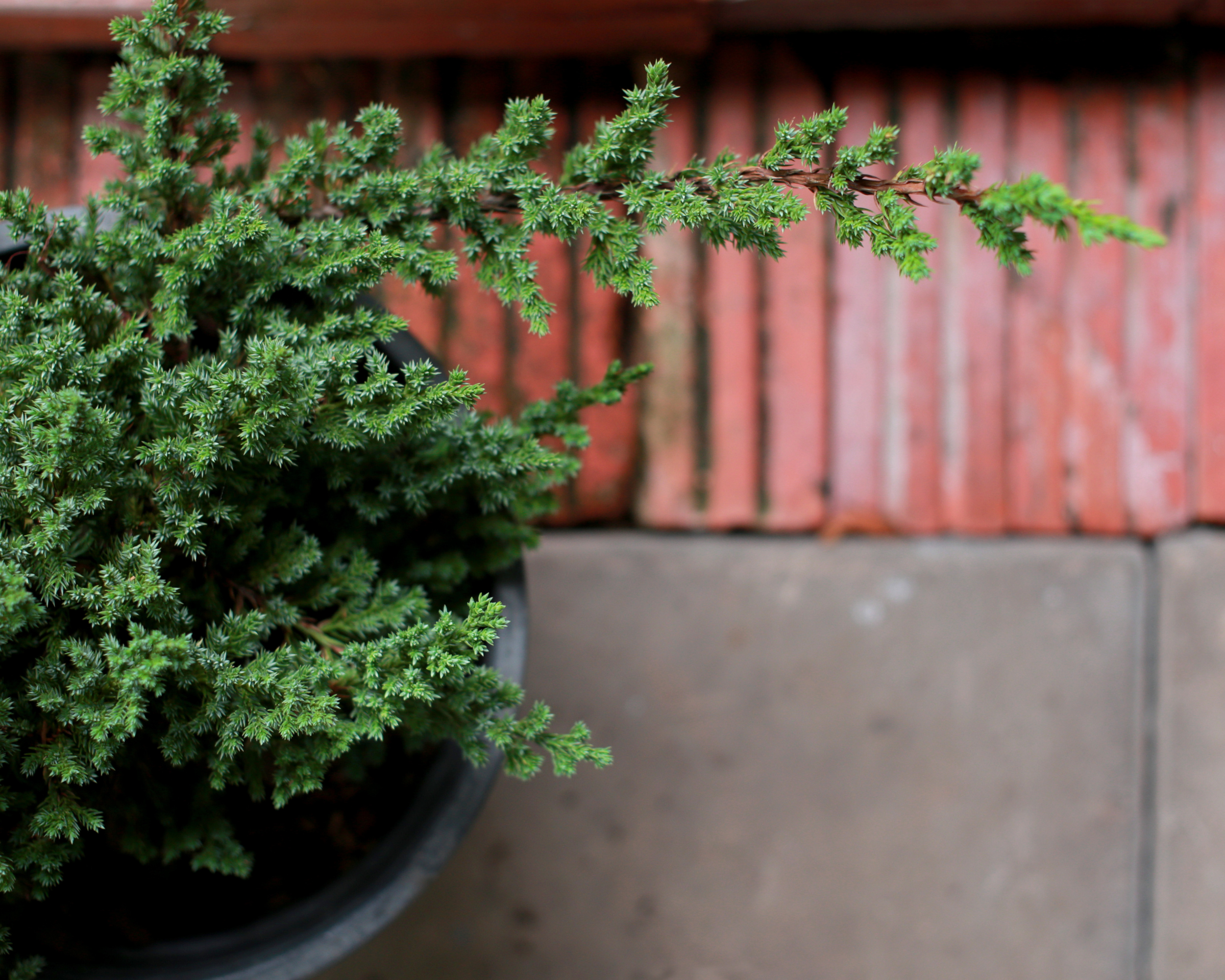
Creeping Juniper (Juniperus horizontalis): With its low spreading habit, Creeping Juniper acts as a groundcover that not only controls erosion but also provides a wind-resistant barrier.
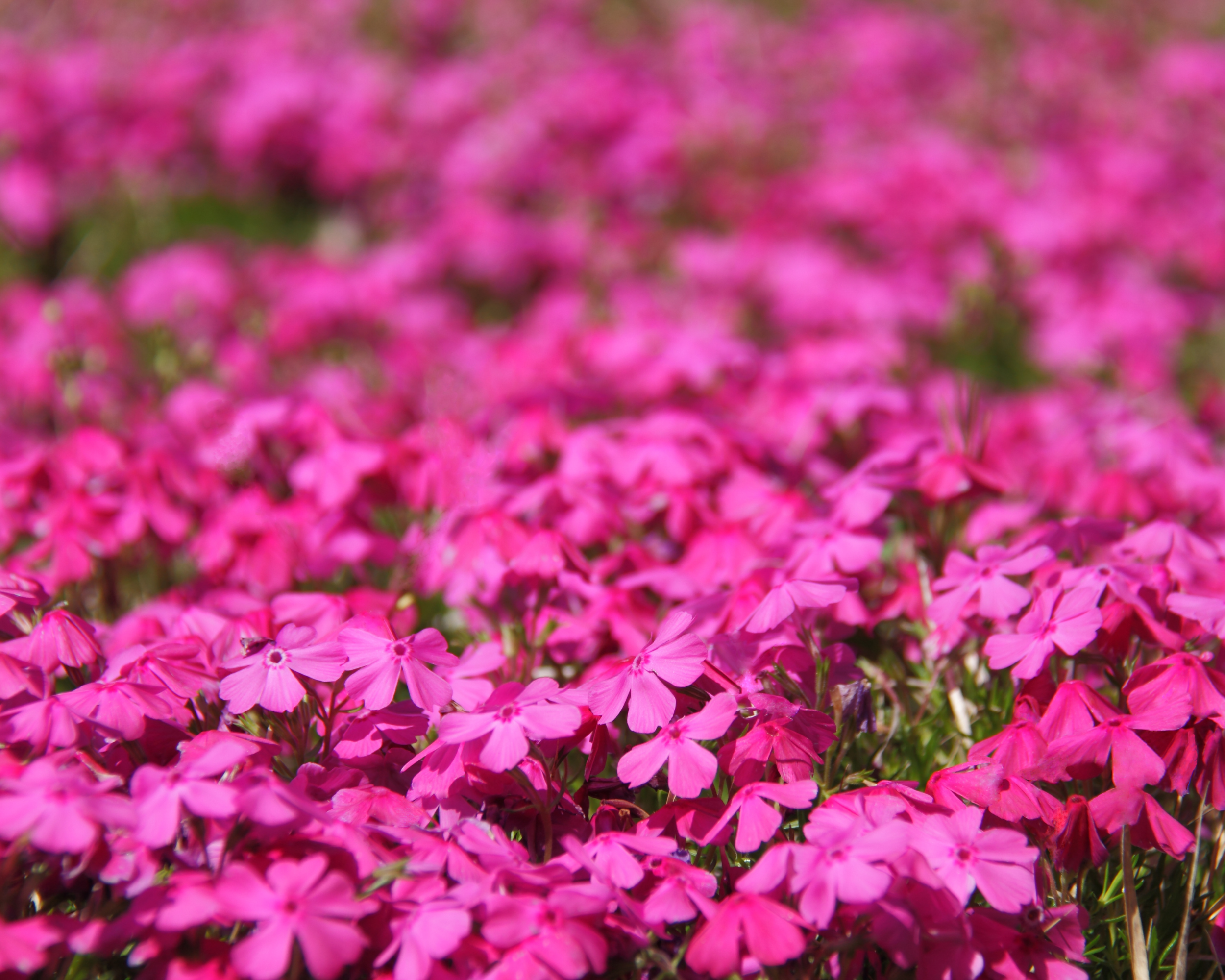
Creeping Phlox (Phlox stolonifera): This low-growing perennial groundcover with star-shaped pink flowers creates a carpet-like effect.
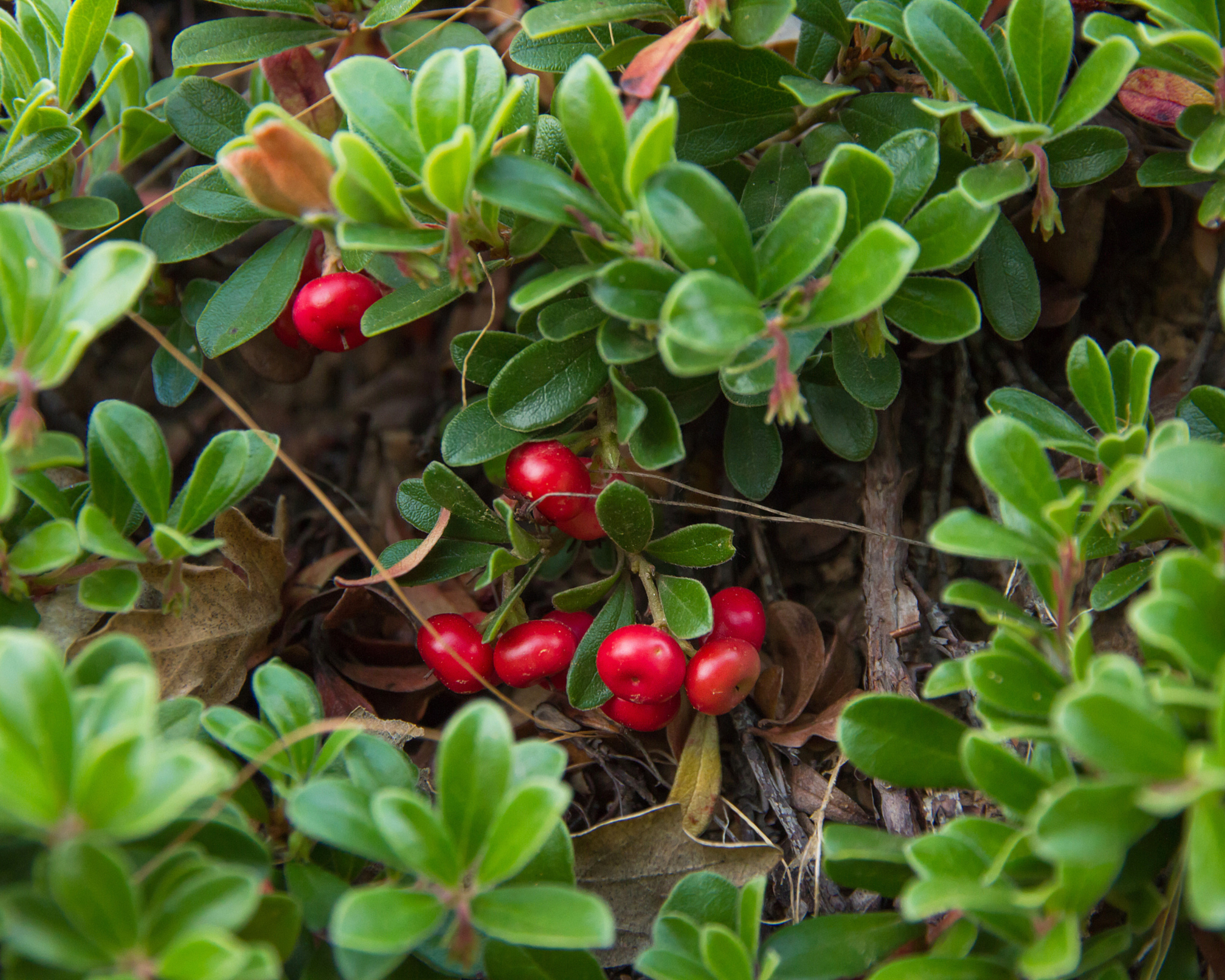
Bearberry (Arctostaphylos uva-ursi): Bearberry is a tough evergreen groundcover that's known to withstand windy conditions. Its glossy leaves and red berries provide year-round interest, while its dense matting habit provides excellent erosion control.
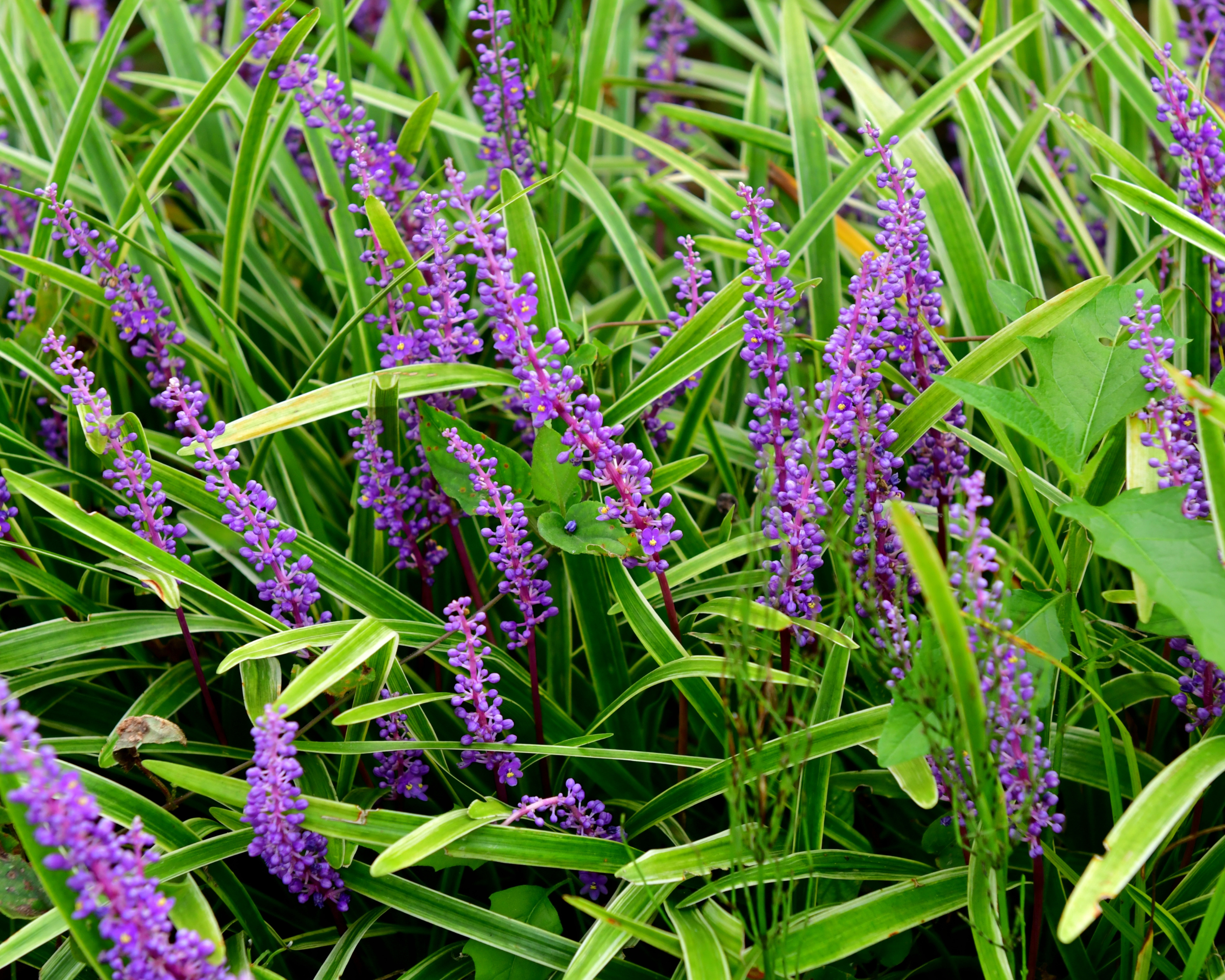
Lilyturf (Liriope spicata): This hardy perennial is not just wind-resistant, but also capable of withstanding a variety of challenging conditions, from drought to poor soil. Its attractive, grass-like foliage and purple flowers make it an appealing choice for any garden.
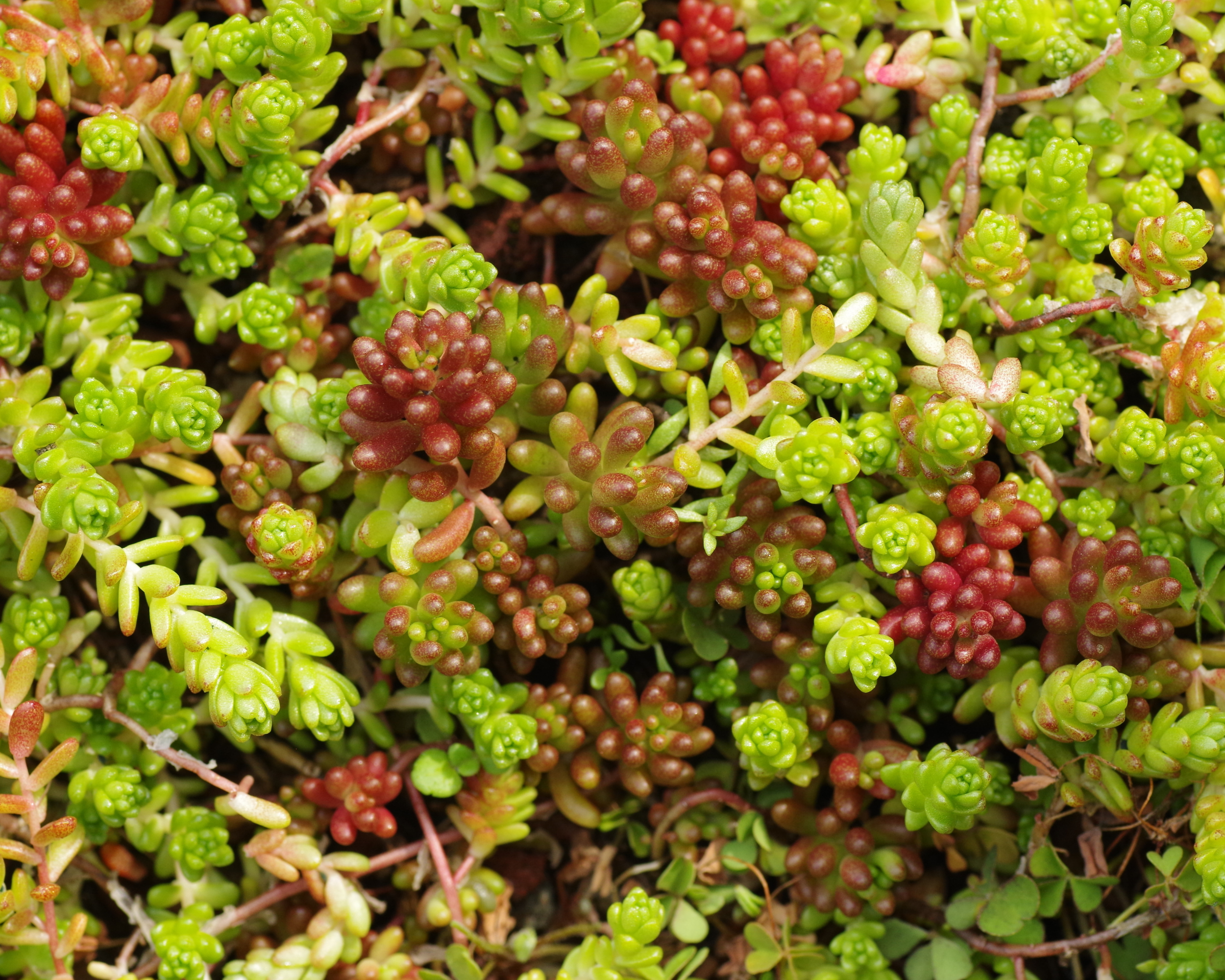
Stonecrop (Sedum spp.): These low-maintenance perennials are a popular choice in rock gardens. With varieties available in a wide range of colors, sizes, and forms, they are an excellent choice for any resistant garden.
Conclusion
Incorporating wind-resistant plants in your garden if your property is vulnerable to strng winds. By selecting trees, flowering plants, shrubs, and grasses that can withstand gusty winds, you can ensure a resilient and stunning landscape. Remember to consider the unique requirements and characteristics of each plant, including bloom time, color, and care instructions. With these wind-resistant options, you can create a thriving garden that can withstand the challenges of our changing climate.