
Birdwatching Paradise: Creating the Ultimate Bird Garden
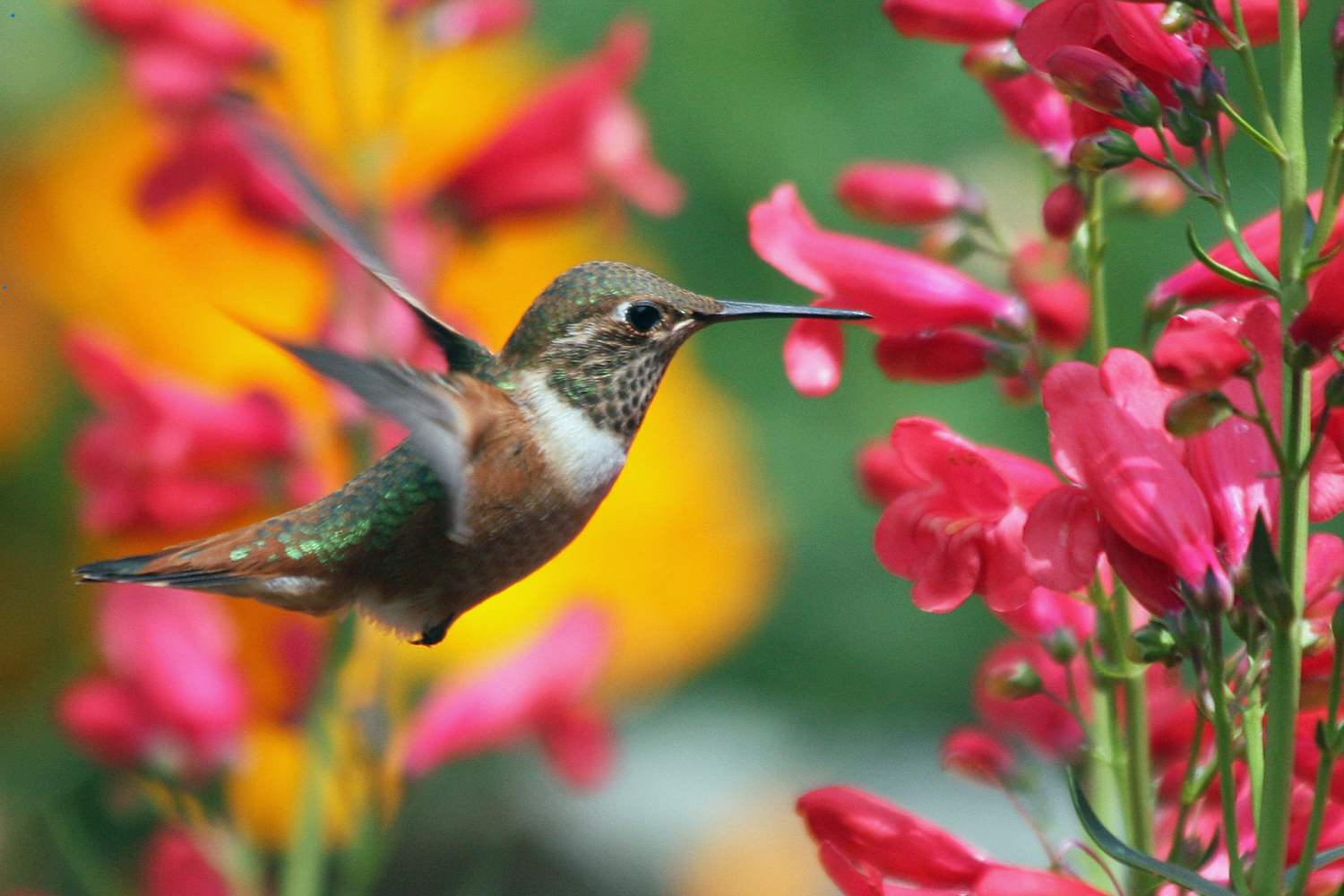
Are you passionate about birdwatching and want to bring the beauty and melody of songbirds and the elegance of hummingbirds to your backyard? Creating a bird-friendly garden is the perfect way to enjoy the sights and sounds of these magnificent creatures right from your home. Here’s how to transform your outdoor space into a haven for birds.
Key Tips for Attracting Birds to Your Garden
Choose Native Plants
Selecting a variety of native plants that produce berries, seeds, and nectar is essential for attracting different types of birds. Native plants are adapted to your local climate and soil conditions, making them a vital food source for birds. These plants not only provide nutrition but also offer shelter and nesting materials. Consider incorporating a mix of trees, shrubs, and flowering plants that bloom at different times of the year to ensure a continuous food supply.
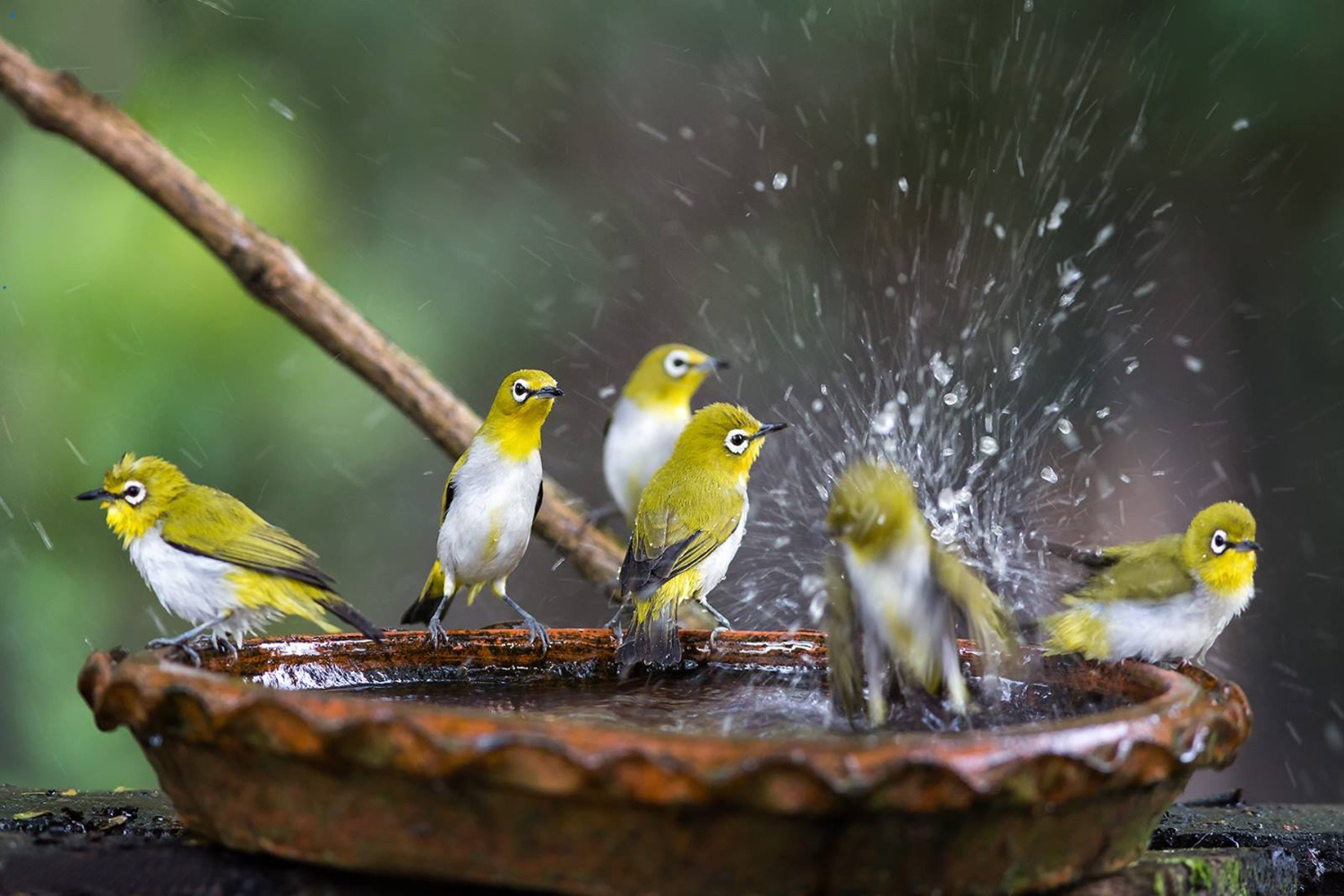
2. Provide Fresh Water
Birds need fresh water for drinking and bathing. A shallow birdbath or fountain can fulfill this need. Ensure the water source is placed in a safe, elevated location to protect the birds from predators. Clean the water regularly to prevent algae growth and the spread of diseases. In colder climates, consider a heated birdbath to provide a consistent water source during winter.
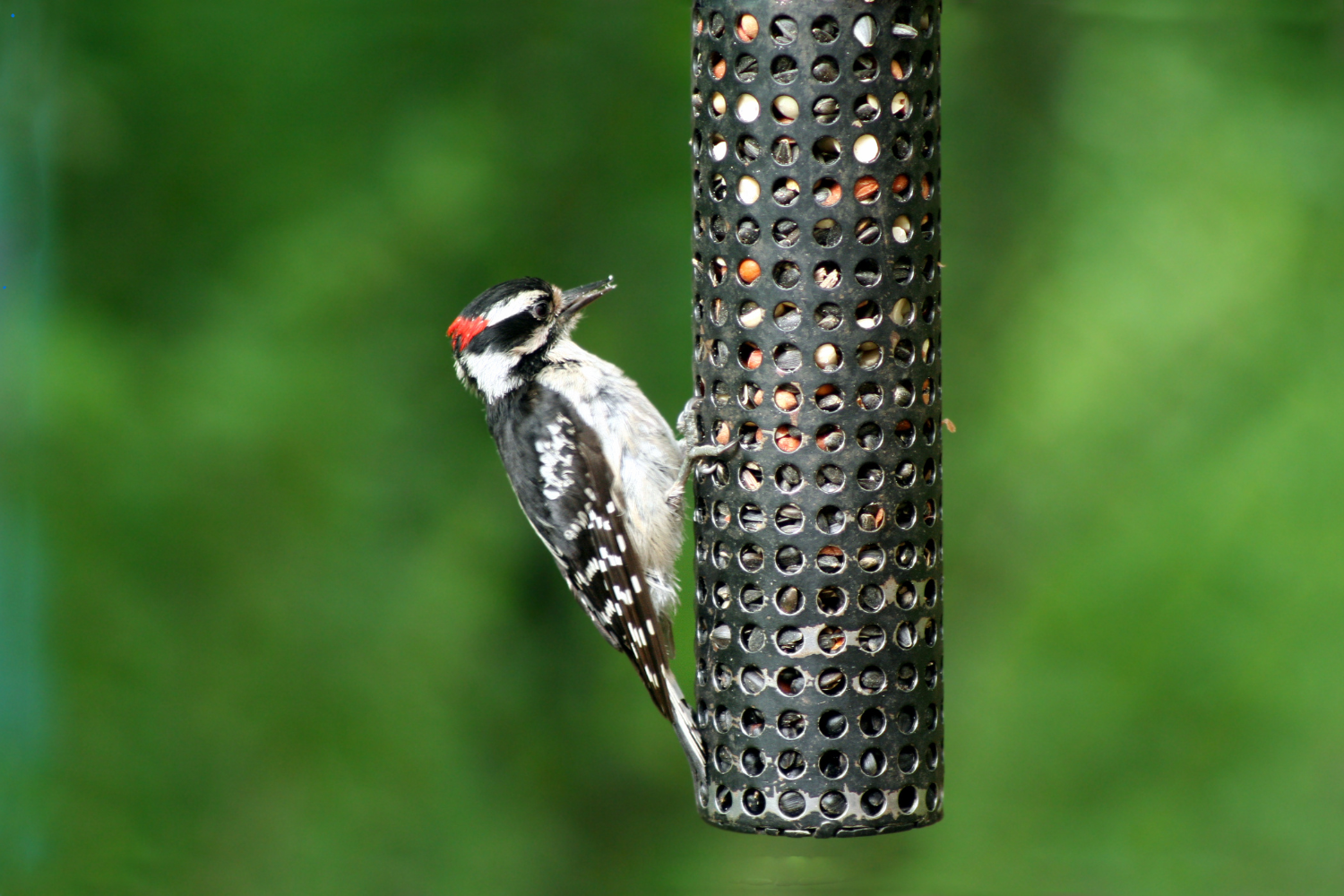
3. Install Bird Feeders
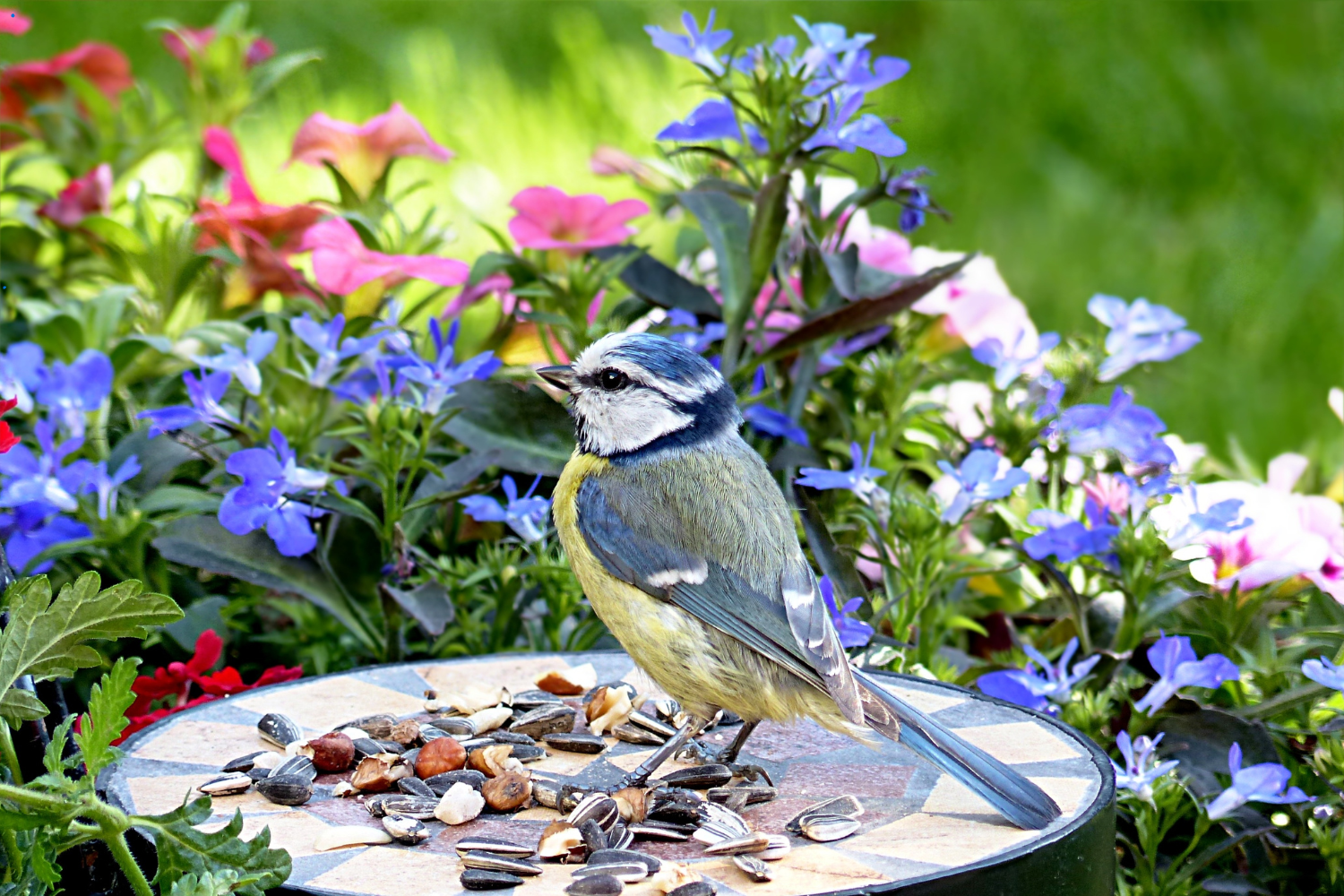
Different birds have different dietary preferences. For songbirds, consider feeders with sunflower seeds, which are a favorite among many species. Hummingbirds are attracted to nectar feeders filled with a sugar-water solution. Suet feeders can attract woodpeckers, while platform feeders are great for ground-feeding birds. Make sure to place feeders in safe, accessible locations, away from windows and potential hazards. Refill the feeders regularly and clean them to prevent mold and disease.
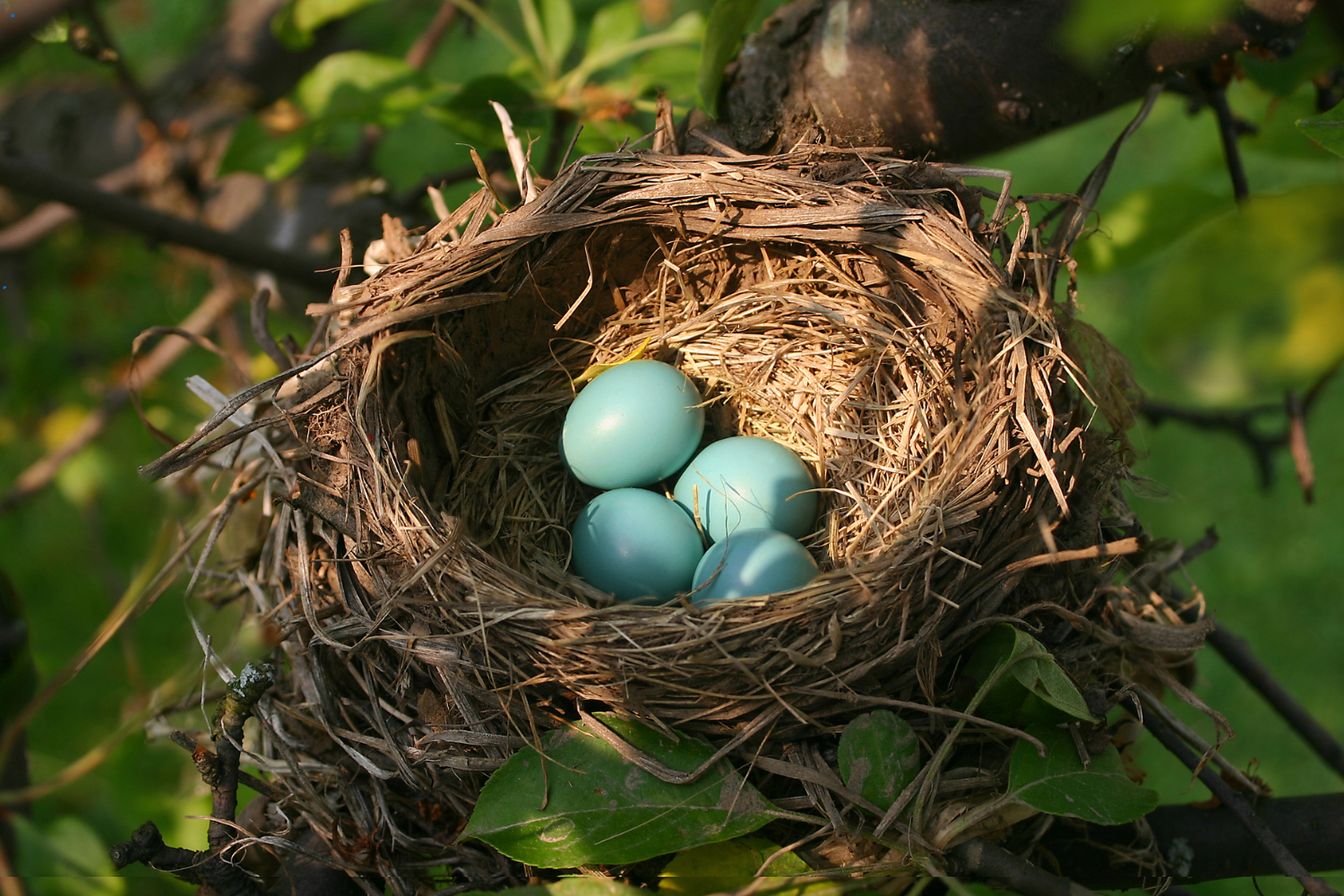
4. Create Shelter and Nesting Areas
Birds require shelter and nesting spots to feel safe and raise their young. Use a mix of trees, shrubs, and birdhouses placed at varying heights to create an inviting environment. Dense shrubbery can provide cover from predators, while tall trees offer perching and nesting sites. Birdhouses should have appropriate entrance hole sizes for the species you hope to attract and should be cleaned out after each breeding season.
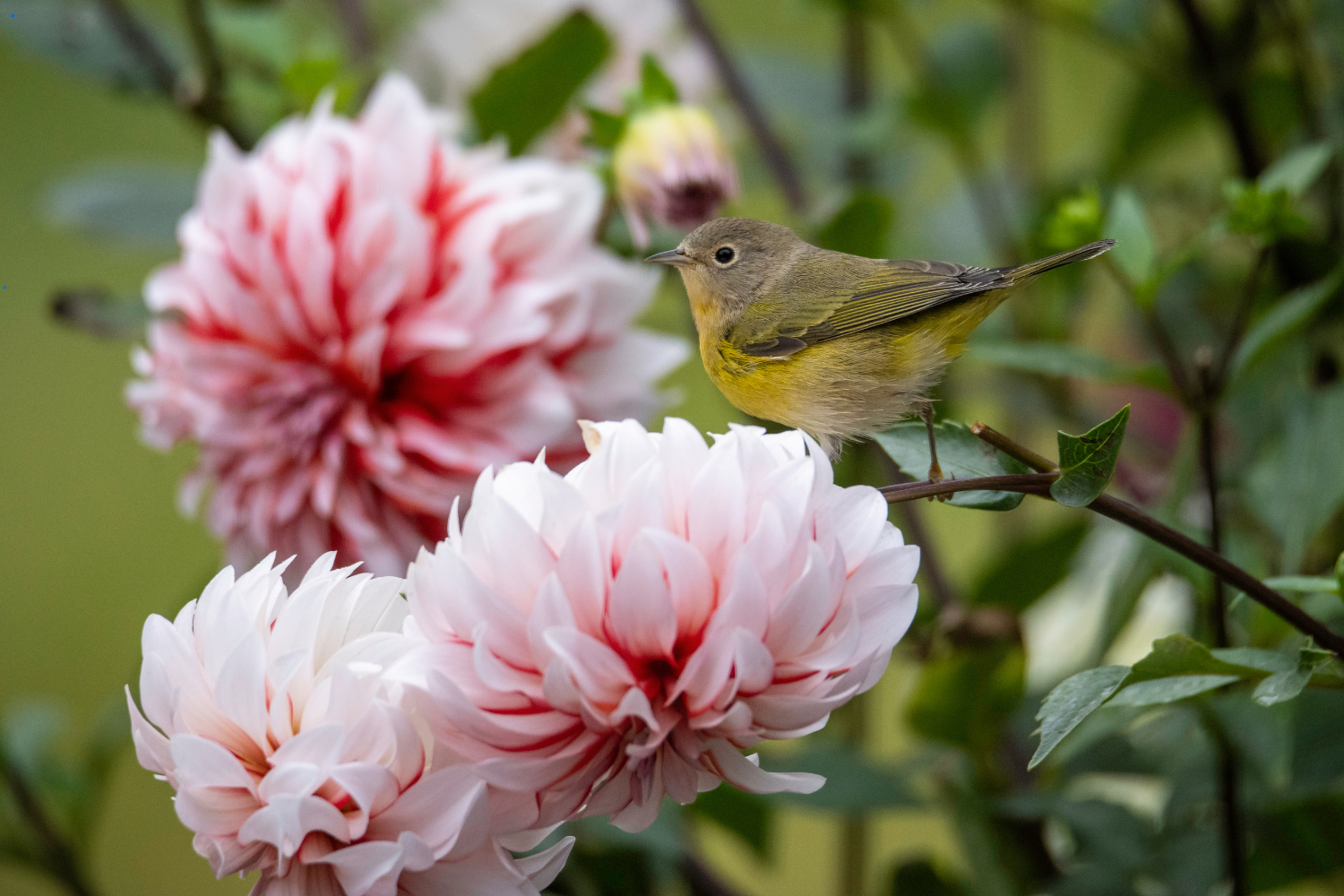
5. Minimize Pesticide Use
Pesticides can harm birds and their food sources. By reducing or eliminating pesticide use, you create a healthier environment for birds and encourage a natural balance of insects, which are crucial for many bird species. Opt for organic gardening practices and natural pest control methods, such as introducing beneficial insects like ladybugs and bees. Composting and mulching can also help maintain soil health and reduce the need for chemical treatments.
What to plant if you want to attract…
Songbirds
Serviceberry (Amelanchier): Birds are attracted to its berries, which are rich in nutrients and provide a crucial food source during the growing season. Additionally, the dense foliage offers excellent nesting sites and protection from predators.
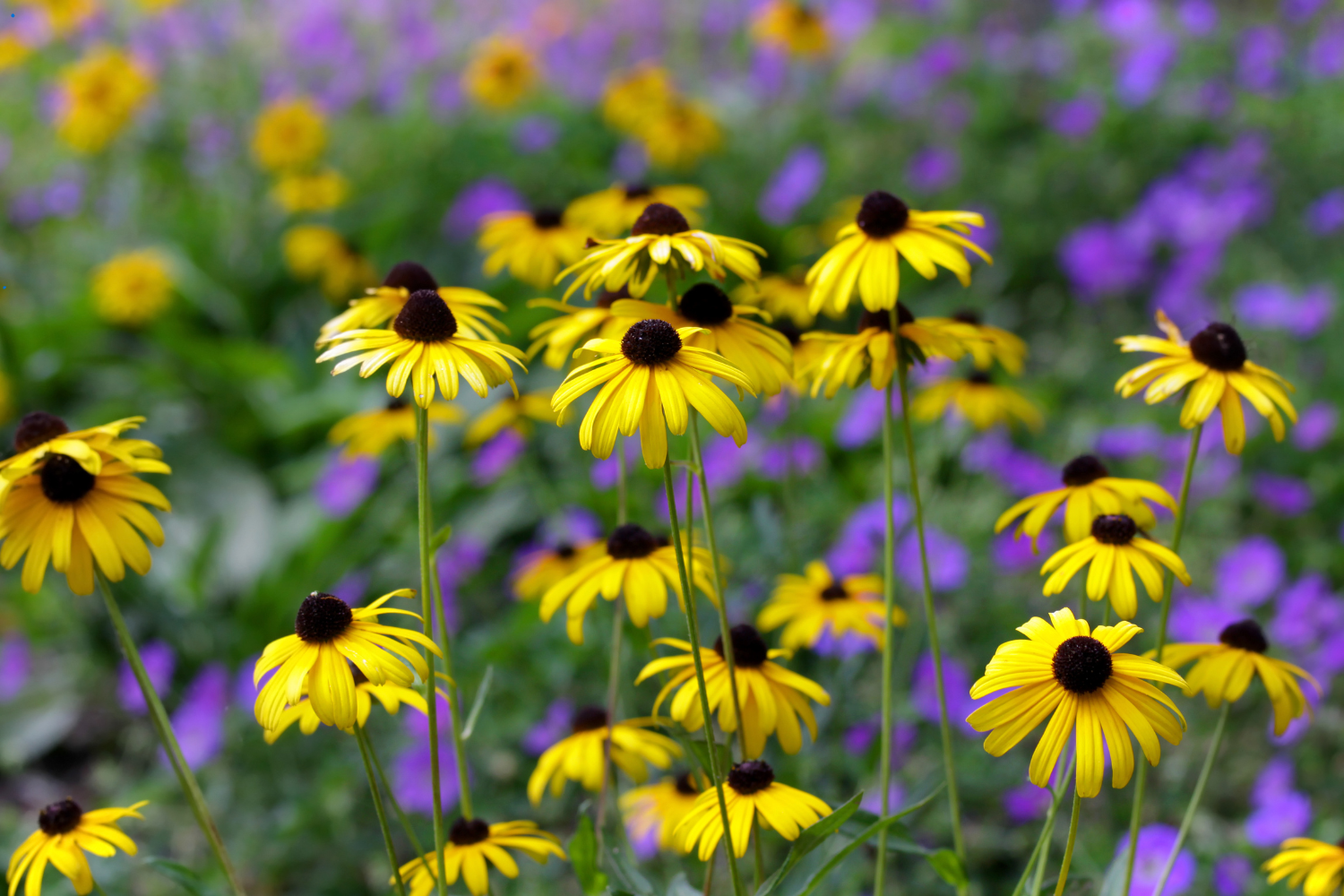
Black-eyed Susan (Rudbeckia hirta) - Seeds attract goldfinches and other songbirds. Leave seed heads up over the winter for birds to snack on!
Coneflower (Echinacea purpurea) - Provides seeds that are a favorite for finches and sparrows.
Holly (Ilex spp.) - Offers berries that birds feast on during winter months. Check out “Winterberry” varieties for impressive winter yields.
Purple Sage (Salvia officinalis) - Attracts both nectar-feeding birds and insects that in turn attract insectivorous birds.
Cardinal Flower (Lobelia cardinalis) - The vibrant red flowers are very attractive to hummingbirds. This is also one of the few red plants that does well in shade!
Virginia Creeper (Parthenocissus quinquefolia) - This vine produces berries that are enjoyed by birds, especially in the fall and winter.
By incorporating these plants into your garden, you can create a diverse habitat that supports various bird species throughout the year.
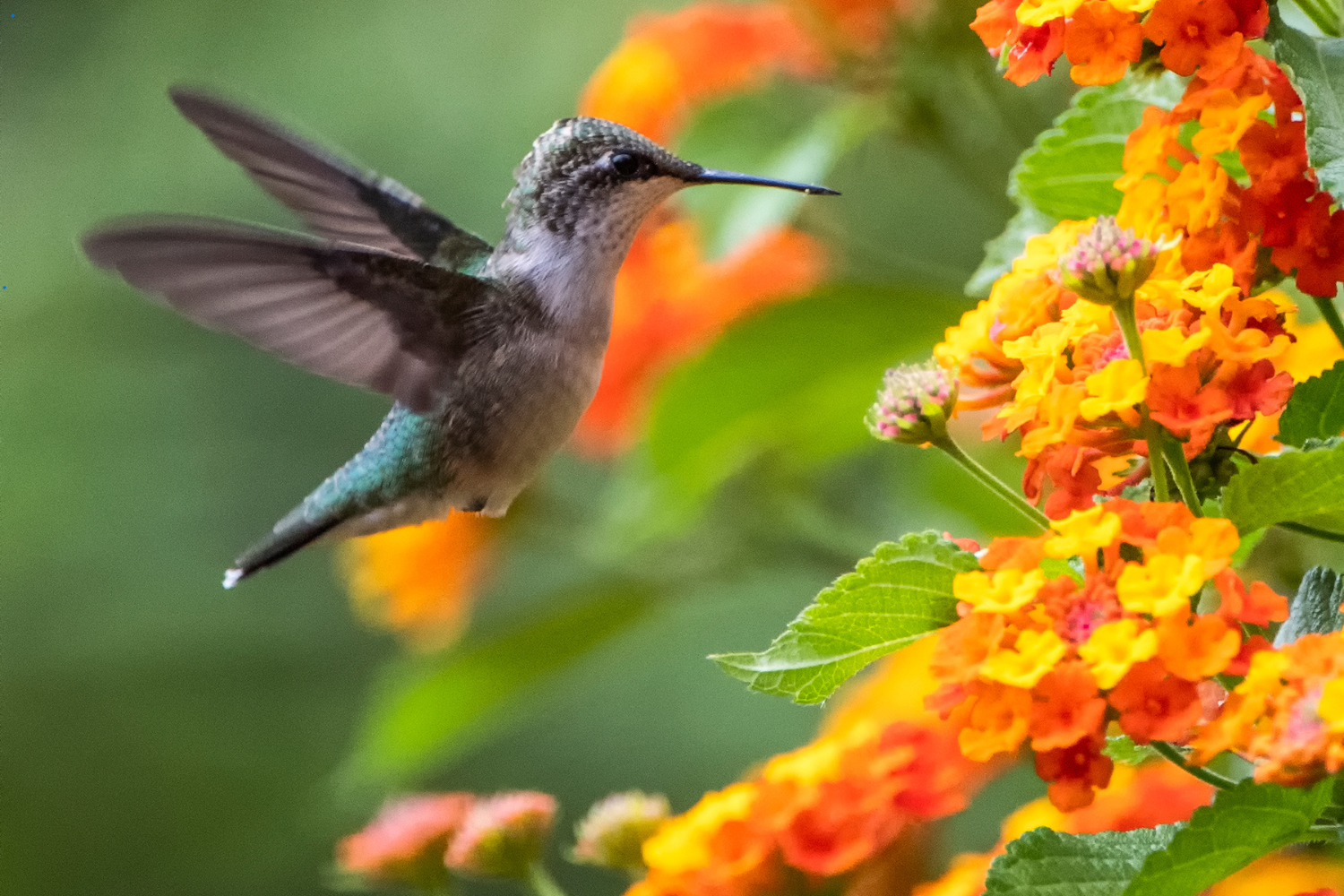
Hummingbirds
Bee Balm (Monarda didyma) - Bright, tubular flowers filled with nectar. Make sure you choose a native cultivar- some hybrid varieties are sterile!
Salvia (Salvia spp.) - Long blooming periods with nectar-rich flowers. Deadhead for a second bloom later in the summer.
Coral Honeysuckle (Lonicera sempervirens) – Vigorous climber with tubular blooms loved by hummingbirds. It comes in beautiful shades of orange and red.
Agastache (Agastache spp.) – Aromatic plants with flower spikes containing nectar favored by hummingbirds.
Crocosmia (Crocosmia spp.) – Bright orange and red tubular flowers that are hummingbird magnets. This plant needs some protection during our harsh winters so be sure to cover the base with a layer of mulch in the fall.
Butterfly Bush (Buddleja spp.) – Provides clusters of flowers that attract both hummingbirds and butterflies. For those limited on space, check out the “Pugster” series for smaller-sized shrubs.
Petunia (Petunia spp.) – This annual comes in a wide variety of colors and shapes, with many suitable for hummingbird visits.
Zinnia (Zinnia spp.) – Long-lasting annuals that are easy for hummingbirds to access, especially single-flowered varieties. These are very easy to start from seed!
Hibiscus (Hibiscus spp.) – Large, vibrant flowers filled with nectar, enticing to hummingbirds. This is a great shrub for sites with poor drainage.
Conclusion
Creating a bird watching paradise in your garden is a rewarding endeavor that brings nature up close. By following these tips and incorporating the recommended plants, you'll attract a delightful array of songbirds and hummingbirds to your backyard.
Ready to get started? Book a consultation with one of our expert garden planners today, and let's design your perfect bird garden together!