

Conducting a Summer Yard Audit
Early summer is the perfect time to take a closer look at your yard and ensure everything is in tip-top shape. Whether you're an experienced home gardener or a plant enthusiast, conducting a summer yard audit can help you understand what’s thriving, what’s struggling, and what needs attention before fall arrives. Here's a comprehensive step-by-step guide to performing a thorough summer audit of your yard.

Walk Through Your Gardens
Start your audit with a casual walk-through of your gardens. This will help you assess plant health and growth. Take note of:
Thriving Plants: Identify which plants are flourishing in the summer conditions. Look for vibrant colors, lush foliage, and strong growth. These indicators show that plants are receiving adequate sunlight, water, and nutrients.
Struggling Plants: Similarly, pinpoint any plants that are not doing well. Are they wilting, yellowing, or showing signs of stunted growth? These symptoms may be a result of insufficient water, poor soil quality, or pest infestations. Make a list of these plants for further investigation and potential remedial actions.
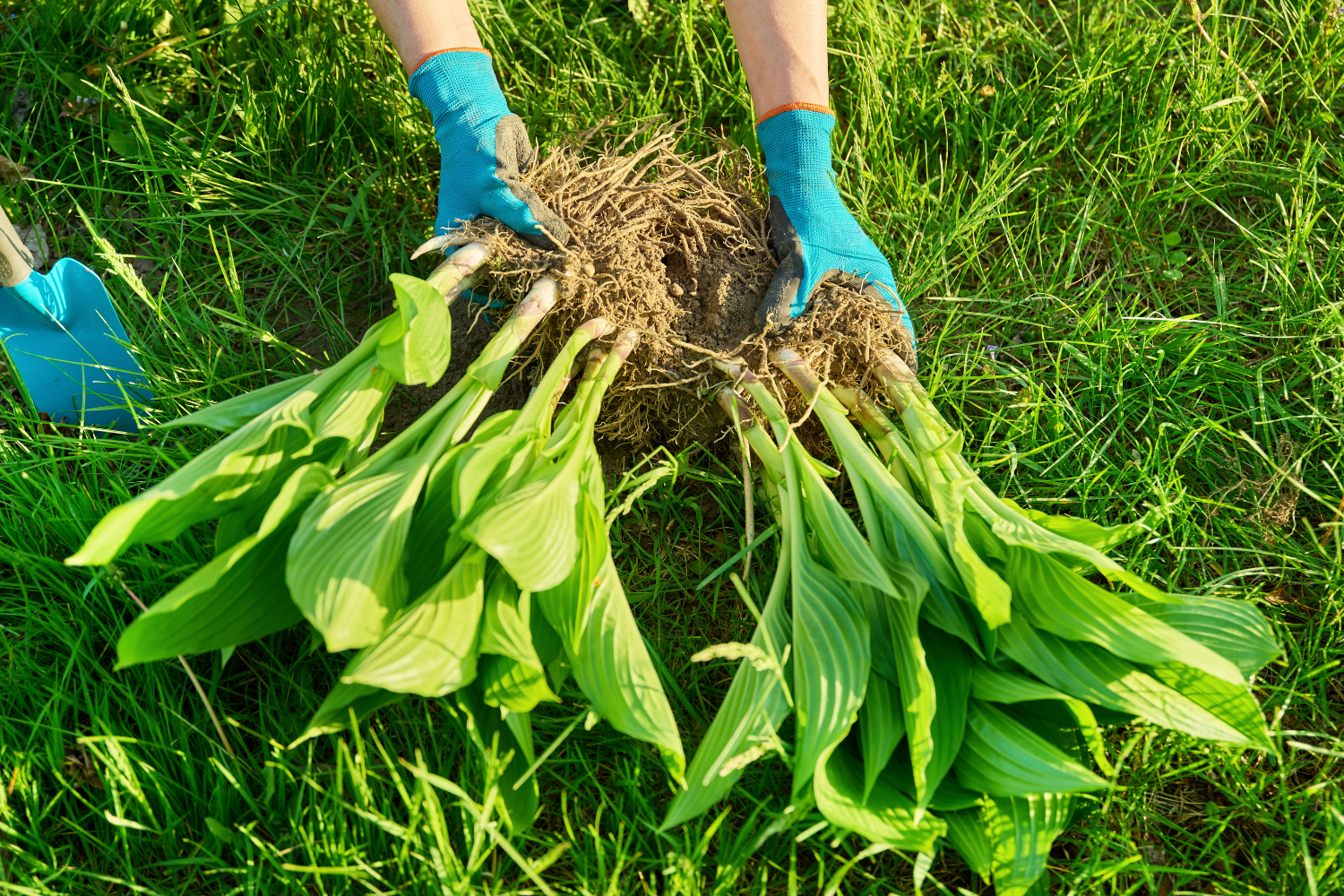
Division Needs: Some plants may need dividing in the fall. Division helps rejuvenate plants, promotes healthier growth, and prevents overcrowding. Mark these plants now so you can plan ahead; division is best done before the ground freezes.
Creating Balance
Many people rush to the nurseries at the first sign of warm weather and buy all the plants they see in bloom. While it's tempting to fill your garden with beautiful spring flowers, this can result in a spring-heavy garden, lacking much pizazz in the summer and fall months. To ensure your garden remains vibrant and colorful throughout the seasons, it's important to plan your plant purchases accordingly. Consider the bloom times of different plants and aim for a diverse selection that will provide continuous color. Now is a good time to walk through your yard and see if you fell for the trap. If you see a sea of green once the initial blooms fade, it's time to add some mid and late-blooming summer perennials to create balance. By doing so, you can enjoy a garden that bursts with life and color from early spring to late autumn, delighting both you and your visitors year-round.

Prune Spring Blooming Shrubs
Spring blooming shrubs can become overgrown if not pruned regularly. Summer is a good time to assess these plants and schedule pruning:
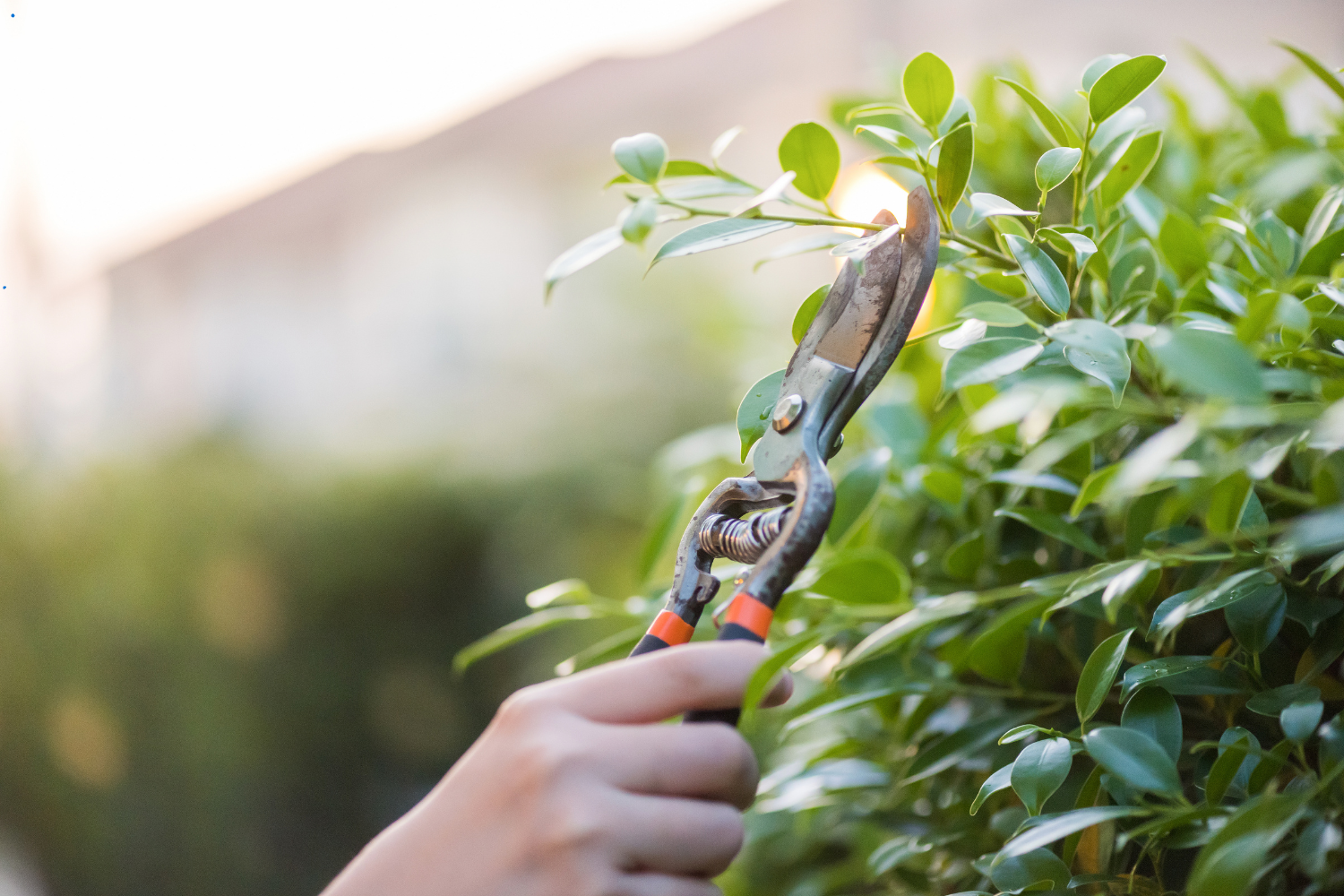
Examine Growth: Look at the size and shape of your spring blooming shrubs. If they appear too dense or have irregular growth, they likely need pruning. Pruning helps improve air circulation, reduces disease risk, and promotes more vigorous blooming.
Mark Your Calendar: Plan to prune these shrubs in late summer or early fall. Pruning at the right time ensures healthy growth and beautiful blooms next spring. Use proper pruning techniques to avoid damaging the plants and to encourage desired shapes and sizes.
Monitor for Pests and Diseases
Keep an eye out for any signs of pests or diseases in your garden:
Check Leaves and Stems: Look for holes, discoloration, or unusual spots on leaves and stems. These could be signs of pests or diseases such as aphids, spider mites, or fungal infections. Regularly inspecting plants allows for early detection and treatment.
Take Action: If you notice any issues, take steps to treat or prevent further damage. This may involve using natural remedies, insecticidal soaps, or contacting a local garden expert for advice. Proper identification of pests and diseases ensures effective management strategies.
Evaluate Watering Effectiveness
Proper watering is crucial for plant health, especially during hot summer months:
Check Soil Moisture: Assess whether the soil around your plants is adequately moist. Dry, crusty soil indicates a need for more water, while overly soggy soil could lead to root rot. Consider using a soil moisture meter for accurate measurements.
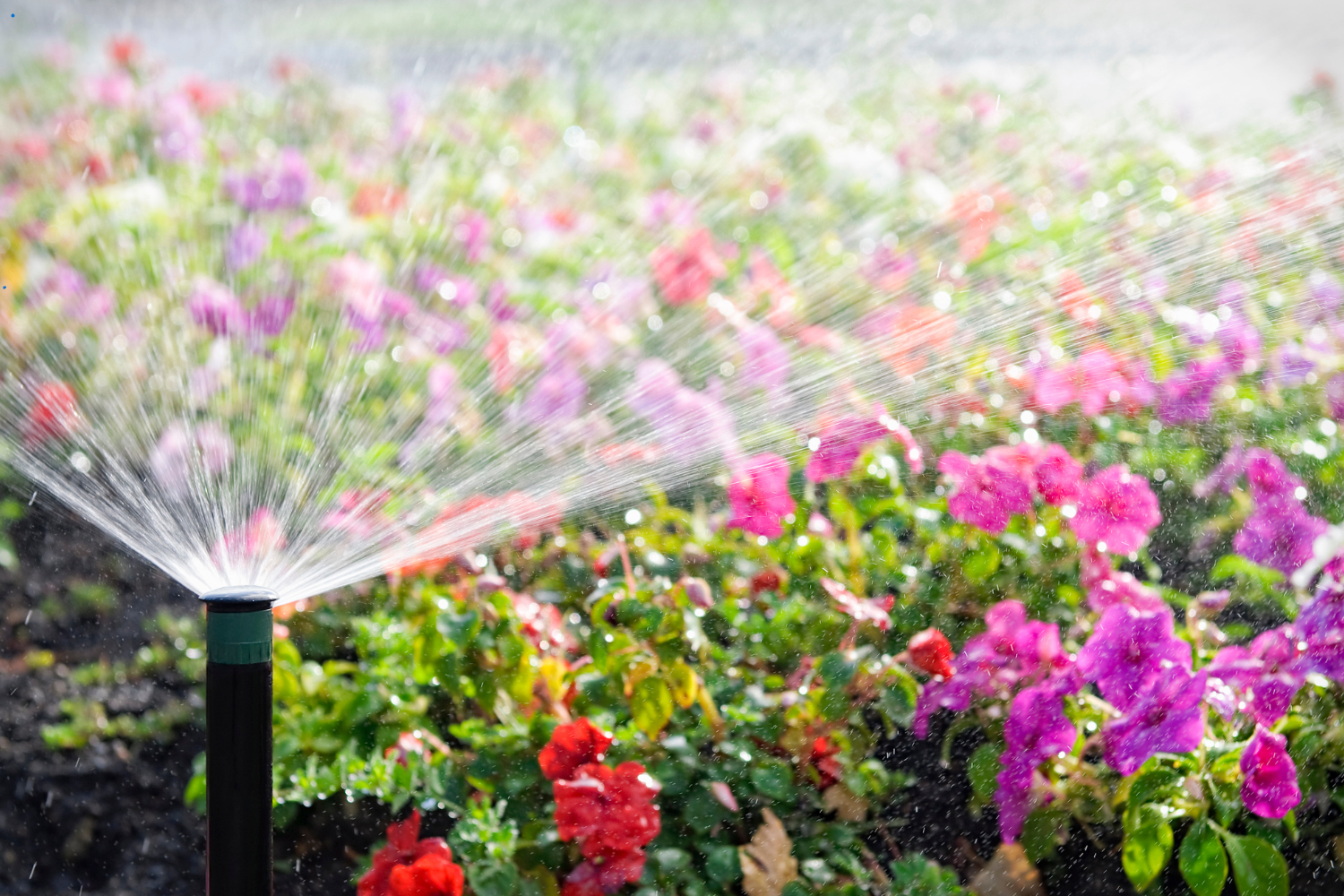
Adjust Watering Schedule: Ensure all plants receive enough water. Adjust your watering schedule or methods as needed to maintain consistent moisture levels. Consider using drip irrigation or soaker hoses to deliver water directly to the roots, minimizing evaporation and runoff.
Conclusion
Conducting a summer yard audit provides valuable insights into the health and needs of your garden. By following these steps, you can ensure your plants thrive throughout the season and into the fall. Don’t forget to keep detailed notes to help with future planning and maintenance.
Ready to take your gardening skills to the next level? Join our community of home gardeners and plant enthusiasts for more tips and advice! Share your summer audit results with us in the comments below.
Happy gardening!