
Making the Most of Your Garden Walk
It's garden walk season! This is a great time to get out and explore your local gardens, whether they are public or private. Garden walks offer the opportunity to see a variety of beautiful plants and flowers, as well as get inspiration for your own garden. In this guide, we'll share tips and tricks for making the most out of your garden walk experience.
Getting Ready for Your Garden Walk
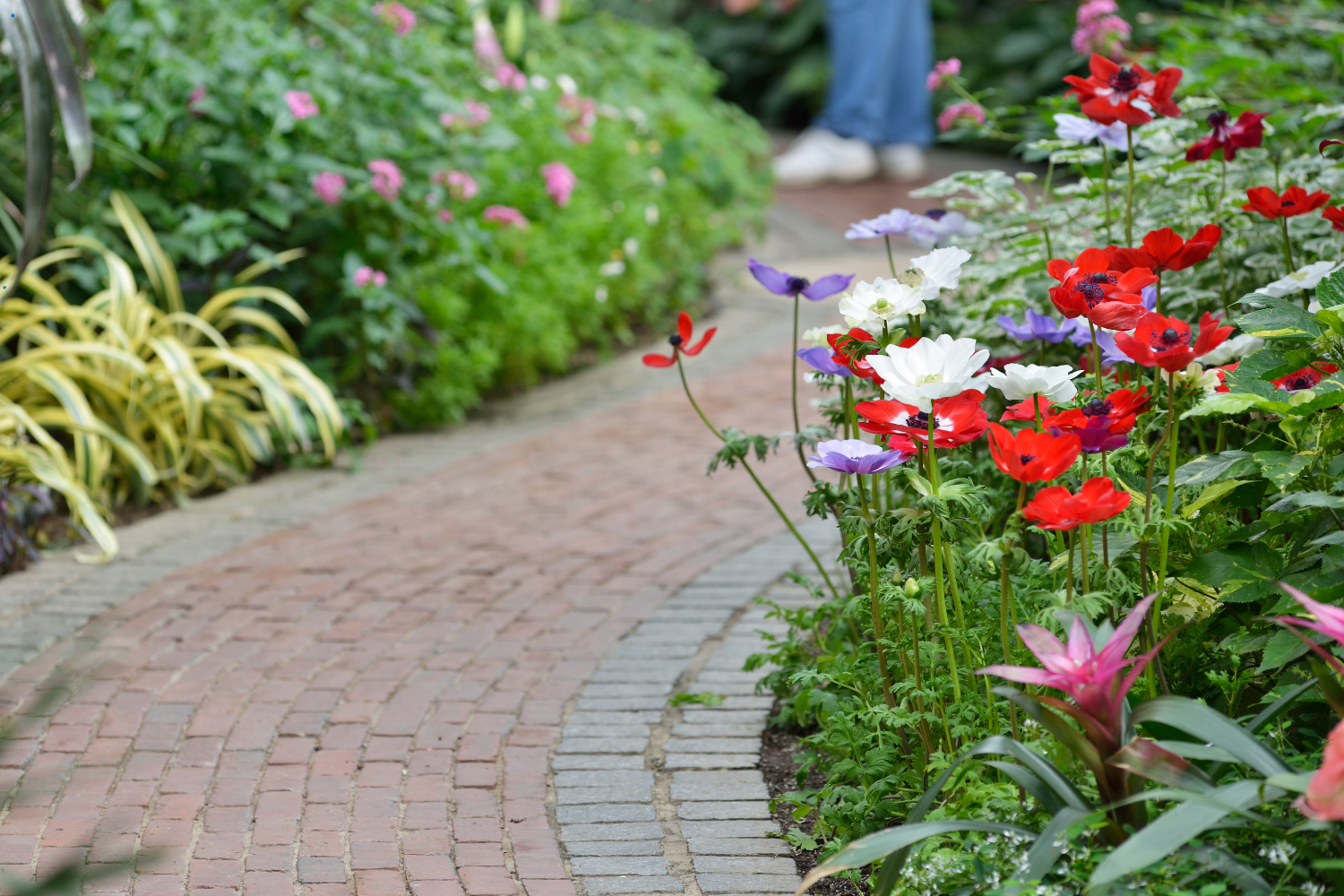
Preparation is key to making the most out of your garden visit. Here are some tips to help you get ready:
Comfortable Sneakers: Ensure you are wearing shoes suitable for walking. Opt for footwear that is supportive and suitable for various terrains.
Camera and Notebook: Capture visuals and take notes of inspiring plants and designs. This can help you remember specific details and ideas to implement in your own garden.
Sunscreen: Protect your skin from the sun, especially during a summer visit. Don't forget to wear a hat and sunglasses for added protection.
Water Bottle: Stay hydrated during your walk, especially in warm weather.
Map or Guidebook: If the garden provides maps or guidebooks, take one with you to help navigate and ensure you don't miss any key areas.

Design and Layout: Explore Different Garden Areas
Take time to wander through various sections of the garden, from meticulously manicured formal gardens to wilder, more naturalistic areas. Notice the thought and intention behind each design:
Formal Gardens: Look for symmetry, precise paths, and carefully shaped plantings. These gardens often feature geometric patterns and structured layouts that create a sense of order and elegance.
Naturalistic Gardens: Observe the flowing lines, mixed plant groups, and how they mimic natural ecosystems. These areas may include native plants, wildflowers, and grasses that give a more organic and less controlled appearance.
Themed Gardens: Many gardens feature areas that are themed based on plants, regions, or historical periods. Examples include Japanese gardens, medicinal herb gardens, or Victorian-era gardens. Pay attention to how these themes influence plant selection, layout, and decorative elements.
Plant Diversity: Highlighting Plant Species
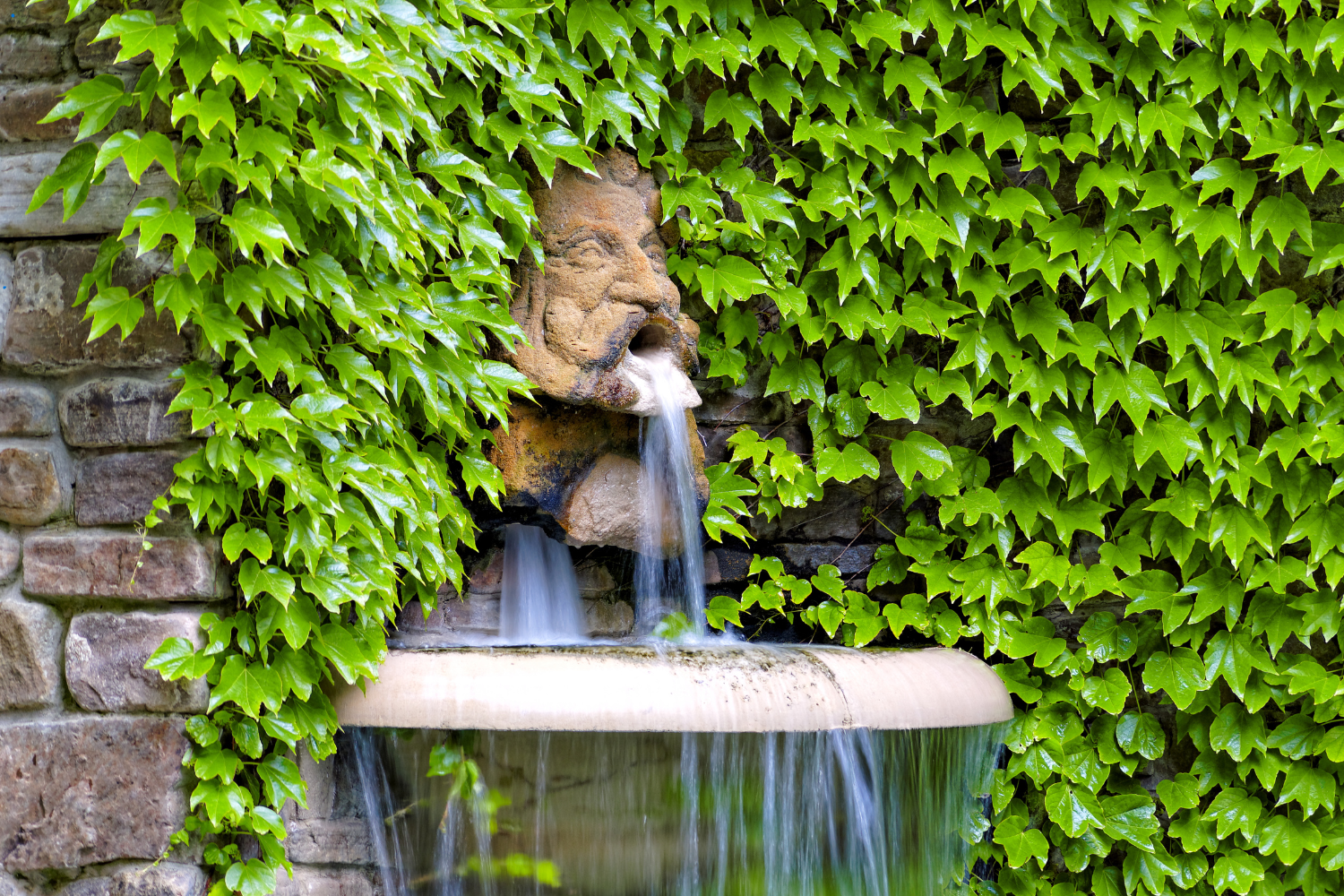
A garden walk is a wonderful opportunity to learn about a wide range of plant species:
Trees and Shrubs: Note their placement and how they frame the garden. Consider their size, shape, and how they create structure and form within the space.
Perennials and Annuals: Observe their color, texture, and how they contribute to the overall aesthetic. Pay attention to how they are grouped and layered to create visual interest.
Seasonal Highlights: Given that you’ll be visiting in mid-summer, focus on plant species thriving in this season, but also take note of any spring and fall-blooming plants for future visits or planning. This can help you plan for year-round interest in your own garden.
Taking photos and jotting down names can help you remember plants that caught your eye, which you might want to incorporate into your garden.
Notable Features: Unique Garden Elements
Keep an eye out for unique features that add character and interest to the garden:
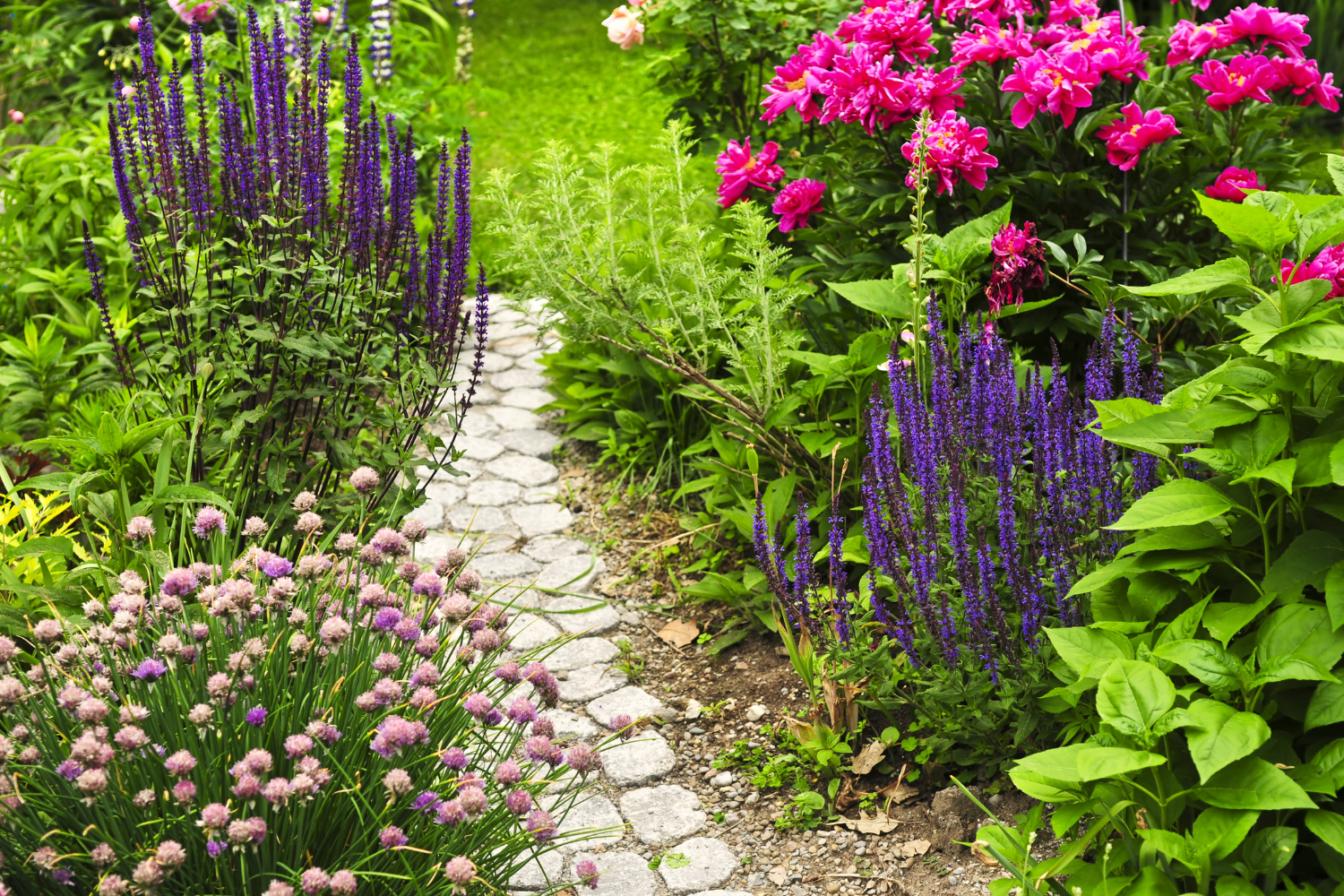
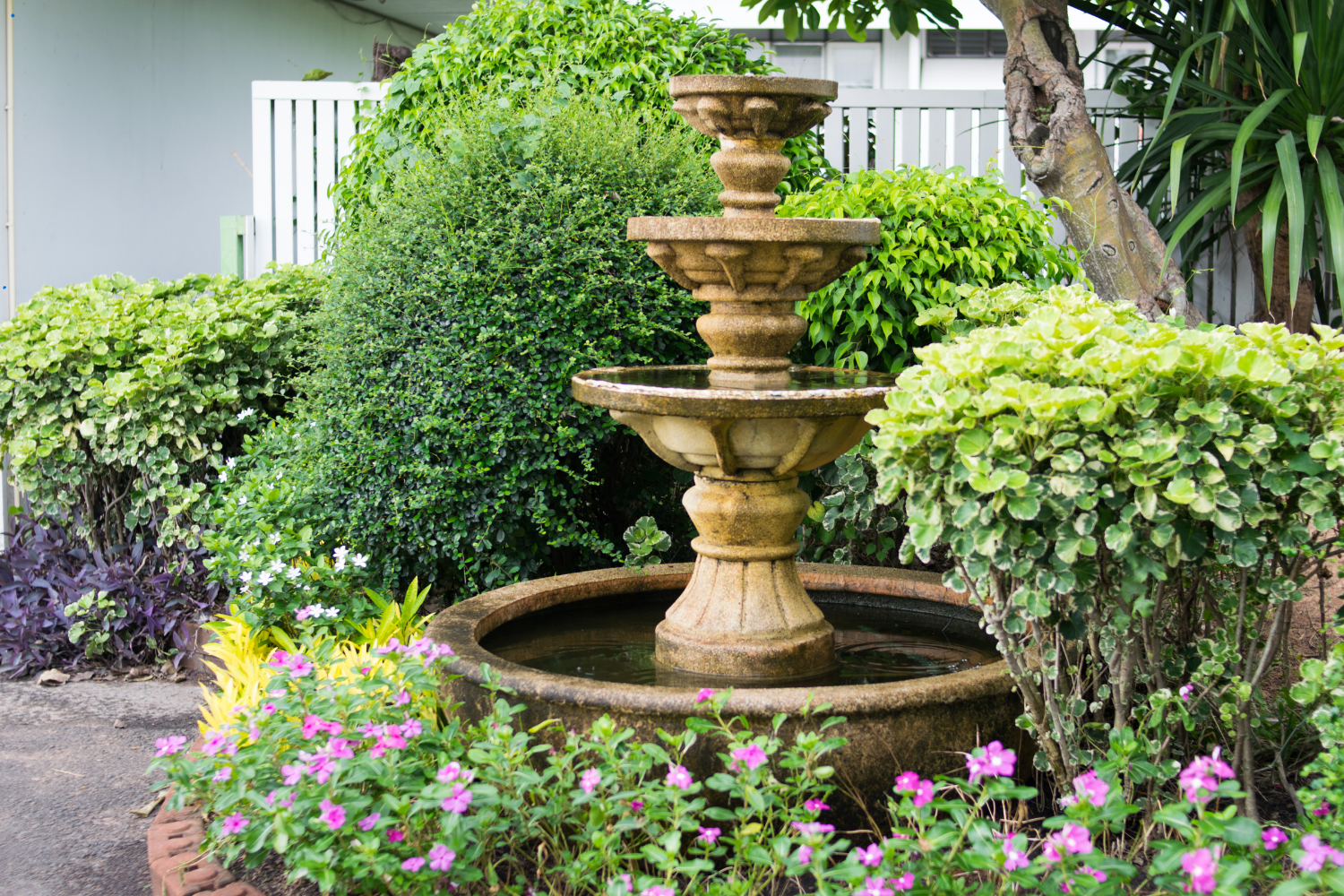
Water Features: Ponds, fountains, and streams add soothing sounds and attract wildlife. The movement of water can also create a dynamic focal point.
Sculptures: Artistic elements that serve as focal points. These can range from classical statues to modern art, adding a personal touch to the garden.
Architectural Elements: Gazebos, pergolas, and garden furniture that enhance the space. These structures can provide shade, support climbing plants, and create inviting areas for relaxation.
These features can inspire creative additions to your own garden, adding depth and personal touches.
Observing Similar Conditions
Pay special attention to gardens with conditions similar to your own, especially if you have tricky growing situations like shady areas or soil with poor drainage. Take the time to observe what plants thrive in these environments and how they are arranged. Notice the variety of plants, their colors, heights, and how they complement each other. This close examination can give you practical ideas for overcoming your own gardening challenges.
Conclusion
A garden walk is a great opportunity for learning and inspiration. By focusing on design elements, plant diversity, and unique features, you can gain valuable insights and ideas. Prepare well, stay observant, and enjoy the beauty and tranquility of the garden, making your visit both enjoyable and educational.
Happy garden walking!