

Ellen Biddle Shipman: Life and Legacy
“There are no shortcuts to any place worth going” …an adage that perfectly and profoundly encapsulates the trailblazing life journey of Ellen Biddle Shipman (1869-1950), an icon in American landscape design
Ellen Biddle Shipman was one of America’s first female landscape designers. Pioneer of the American Gardening movement, her unique garden style made her a favorite of the affluent business moguls of the late 19th century. Thrust into a male-dominated industry, she emerged as a prominent figure with her distinctive garden designs that highlighted femininity, romance, and elegance.
Beginnings
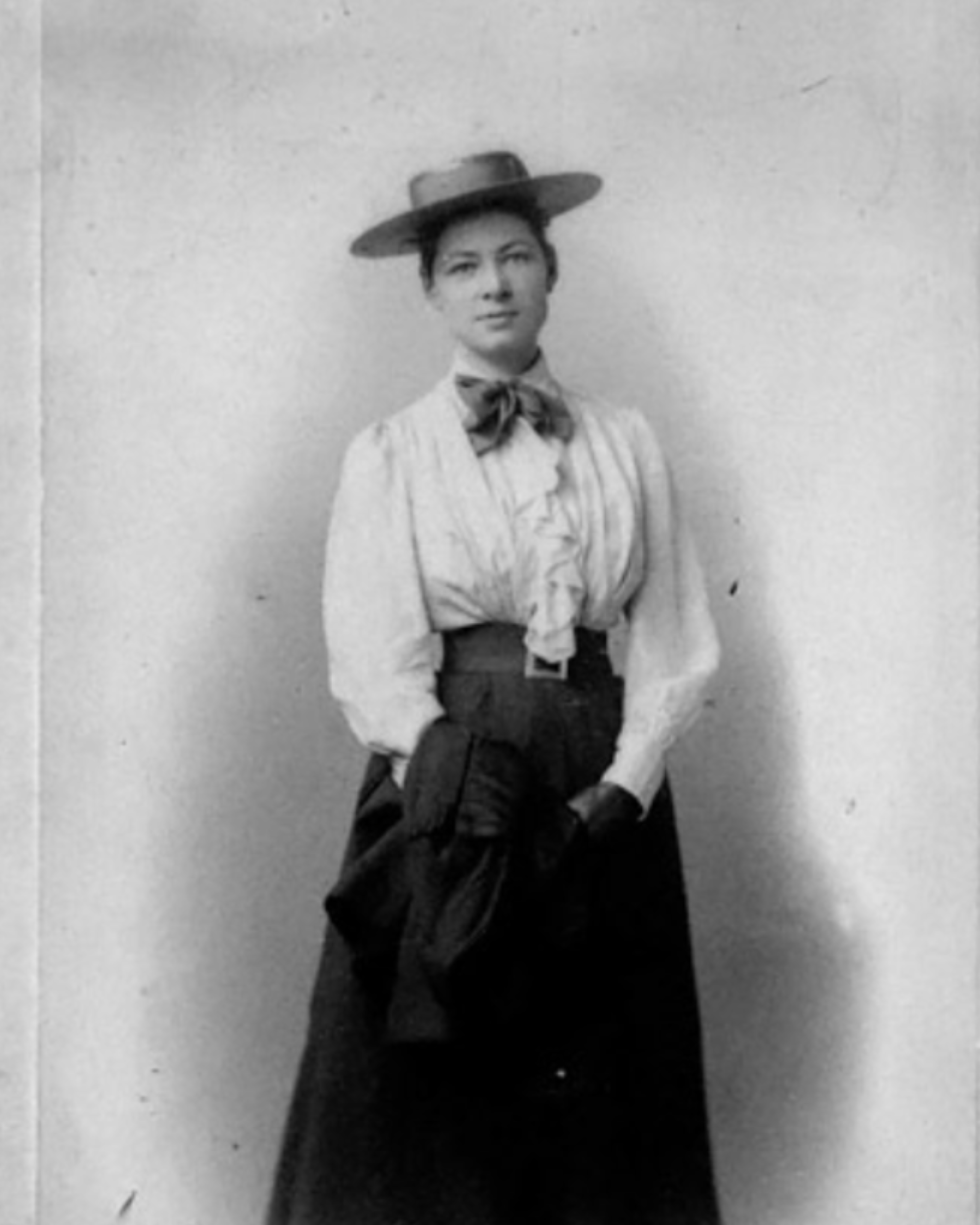
Photo Credit: The New York Times, Nancy Angell Streeter
Shipman's early life was defined by privilege and opportunity. Coming from a notable East Coast family, she developed a deep appreciation for nature during her formative years. Her parents instilled this love through frequent family outings and trips to the countryside. Yet, it was her tumultuous personal life that would truly set her on the path to distinction. At just nineteen, Shipman made headlines with her divorce from her first husband, a rare and bold move for a woman at the end of the 19th century. This pivotal moment marked the beginning of her journey towards independence and self-discovery.
Breaking Barriers
Shipman's passion for landscape design first manifested in her own garden, which she designed and maintained herself. Her natural talent was quickly recognized by friends and neighbors, who began seeking her expertise for their own gardens. Now that she was faced with the need to support herself and her children, so she had to find a way to monetize her talents.
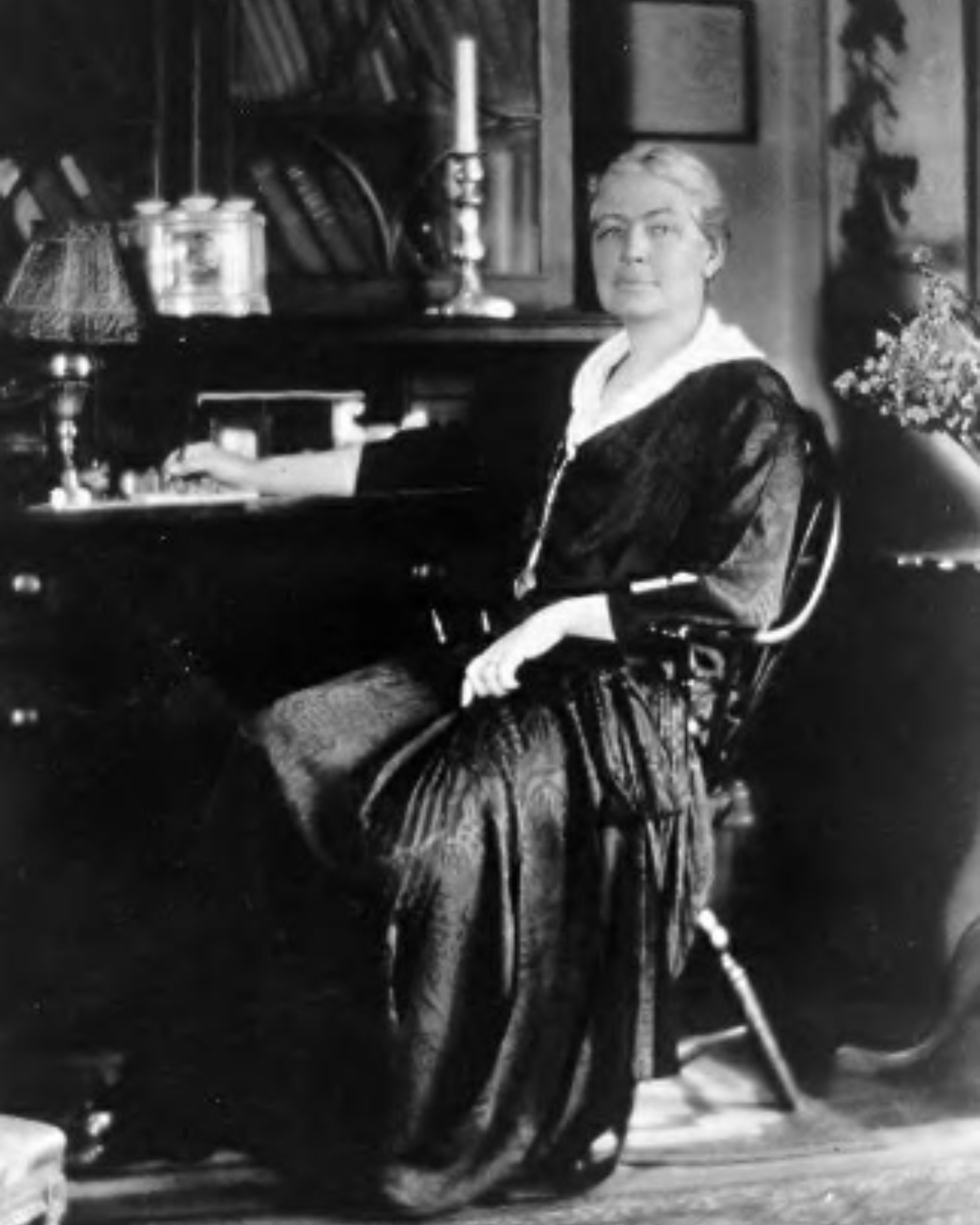
Photo Credit: Long Vue Historical Gardens, New Orleans LA
Garden design was one of the few jobs women could hold during that time period, typically in a support role at a landscape architect’s firm. Landscape architects were almost exclusively male, and were in charge of creating and designing layouts for wealthy clients. Bed locations, water features, outbuildings, and large-scale blueprints were created by the architect, while the specific plantings in each bed were handled by the garden designers.
This relationship was mirrored in the marital dynamics of clients’ as well- the husband would work with the landscape architect to determine the overall design, while the garden designers worked with the wife when it came to plant selection.
Shipman’s talent and her ability to connect with the clients created friction within the male-dominated industry. While she wasn’t trained as an landscape architect, her breadth of knowledge on the subject documented in her drawings proved she stood toe-to-toe with her male counterparts. It was only after reconnecting with her distant cousin, the renowned architect Charles A. Platt, that Shipman found not only a kindred spirit but also a mentor.
Platt believed in her talent, encouraging her to pursue landscape design through their mutual collaborations. Together, they worked on notable projects such as the gardens at the William Gibbons Residence in Princeton, New Jersey, which received widespread acclaim. This successful partnership laid the foundation for Shipman's rise to prominence.
The turning point in her career came with the establishment of her own landscape design practice in 1914, at the age of 45. Shipman's ventures into solo practice were groundbreaking. As one of the first women to establish her own professional landscape design firm, Shipman defied societal norms to create breathtaking natural compositions. Her designs, characterized by a blend of formality and informality, created outdoor spaces that were not only visually stunning but also deeply imbued with her client's personal vision.
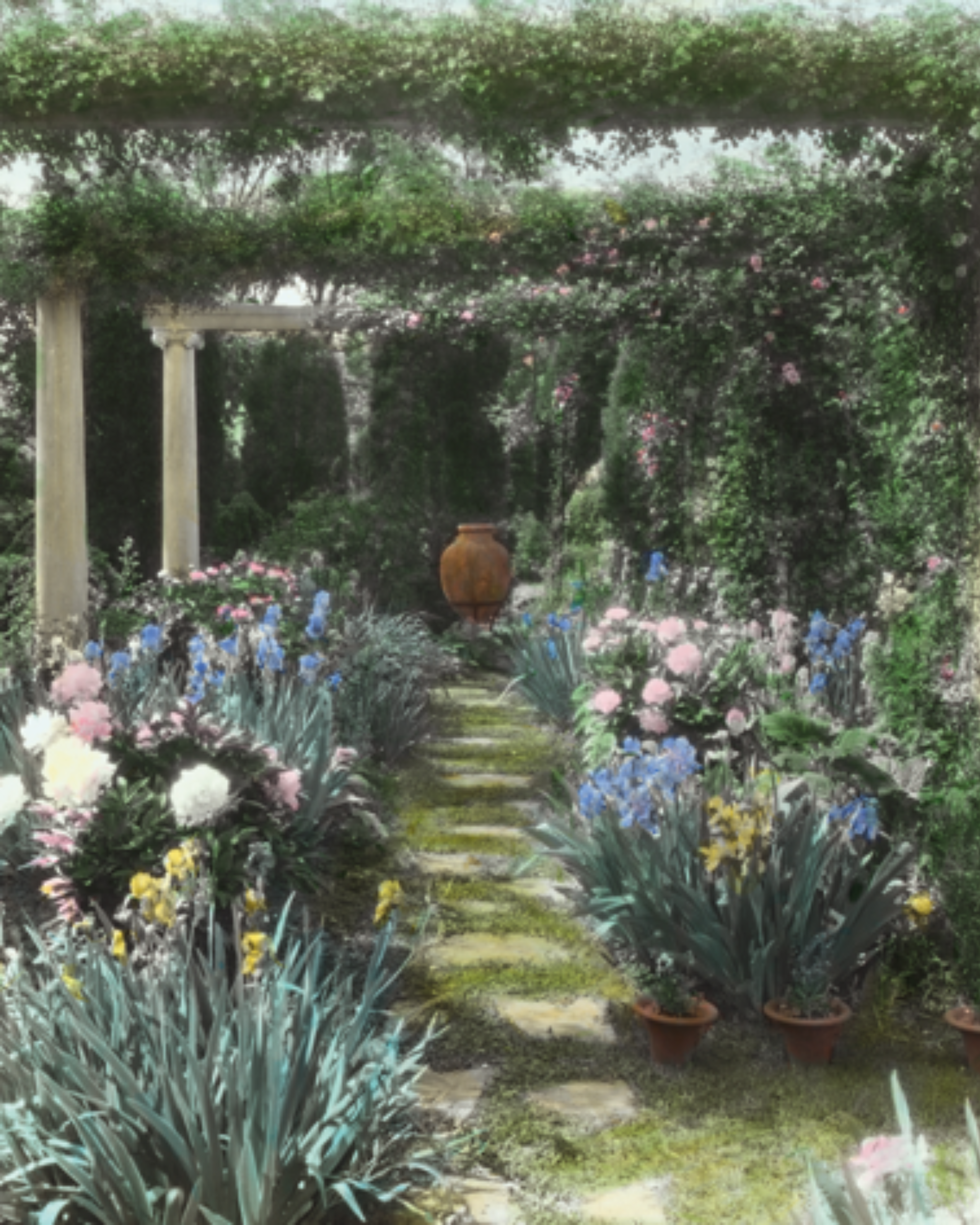
Photo: Fredericksburg, VA
Design Style
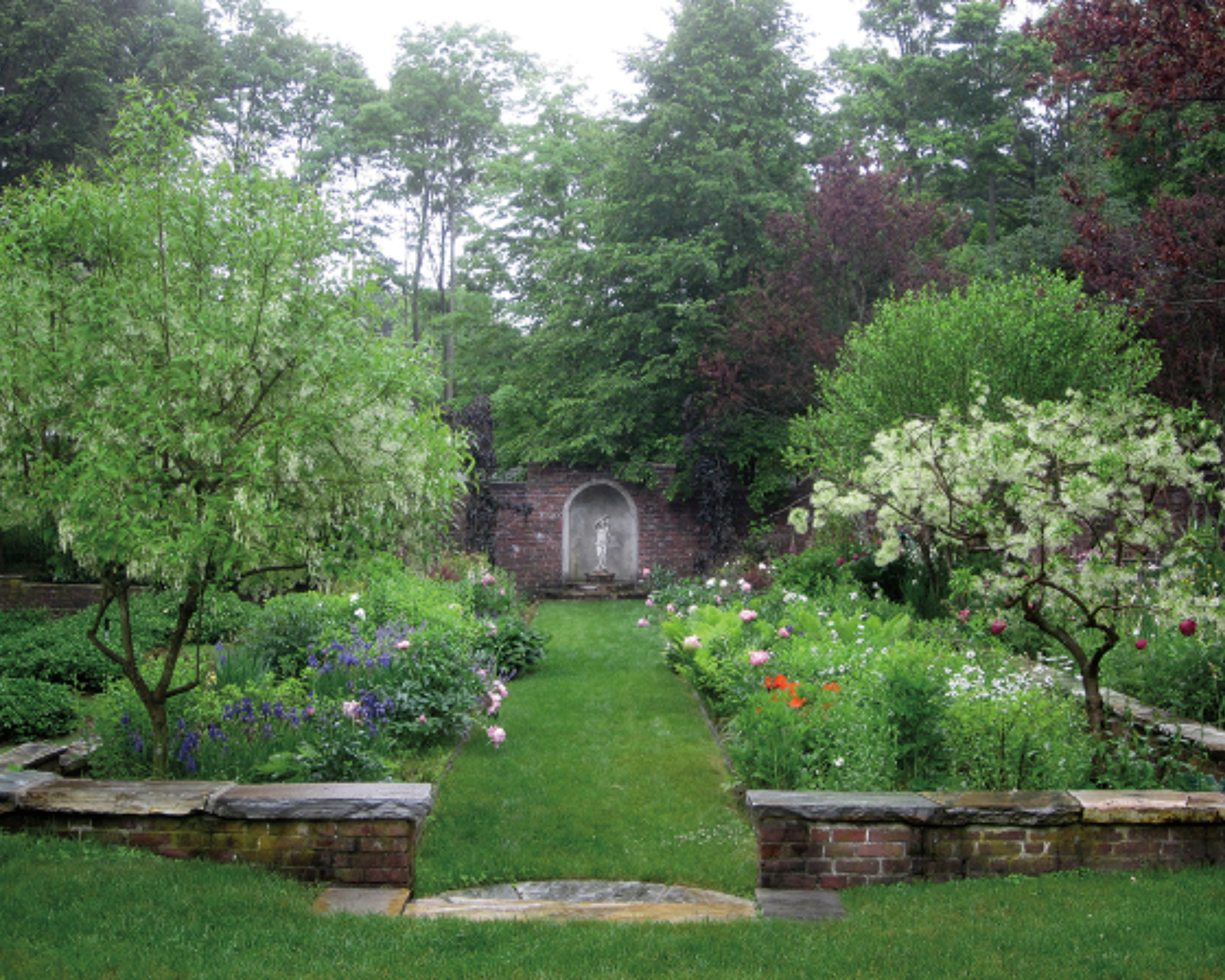
What set Shipman apart was her ability to blend Colonial Revival and Arts & Crafts movement elements into her designs, leading to what is now celebrated as the “American” garden style.
Her creation of secluded, lush formal gardens found harmony in the linear beds, straight pathways, and mass annual plantings (characteristic of the Colonial Revival style) while her emphasis on dense plantings, garden rooms, and native species paid homage to the Arts & Crafts movement.
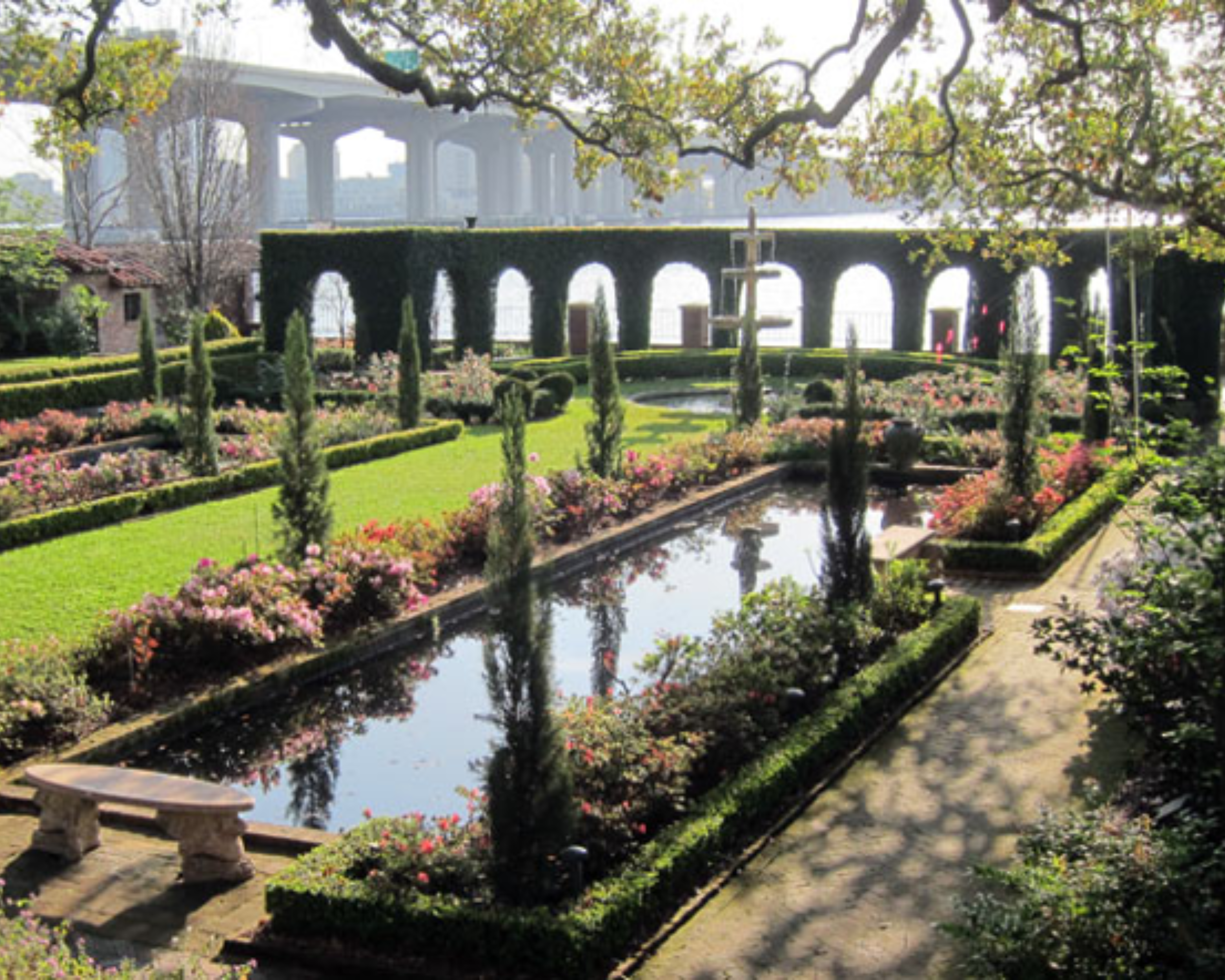
Shipman’s designs didn’t just stop at plants. She incorporated intricate architectural details into her gardens, including loggias, dovecotes, symmetrical beds, and stunning fountains and pools.
At the core of Shipman's design philosophy was the belief that gardens should be an extension of the home, providing a sanctuary for solace and contemplation. Shipman once said, “The real heart of the garden is the nature that surrounds it.” She believed that a successful garden should not only be aesthetically pleasing, but also reflect the beauty and harmony found in nature. Shipman’s designs were not just about aesthetics. Every element, from the color palettes she chose to the low hedgerows that bordered her beds, was designed with the backdrop scenery in mind. Her designs were exquisite, yet practical and in harmony with the natural world.
Famous Clientele
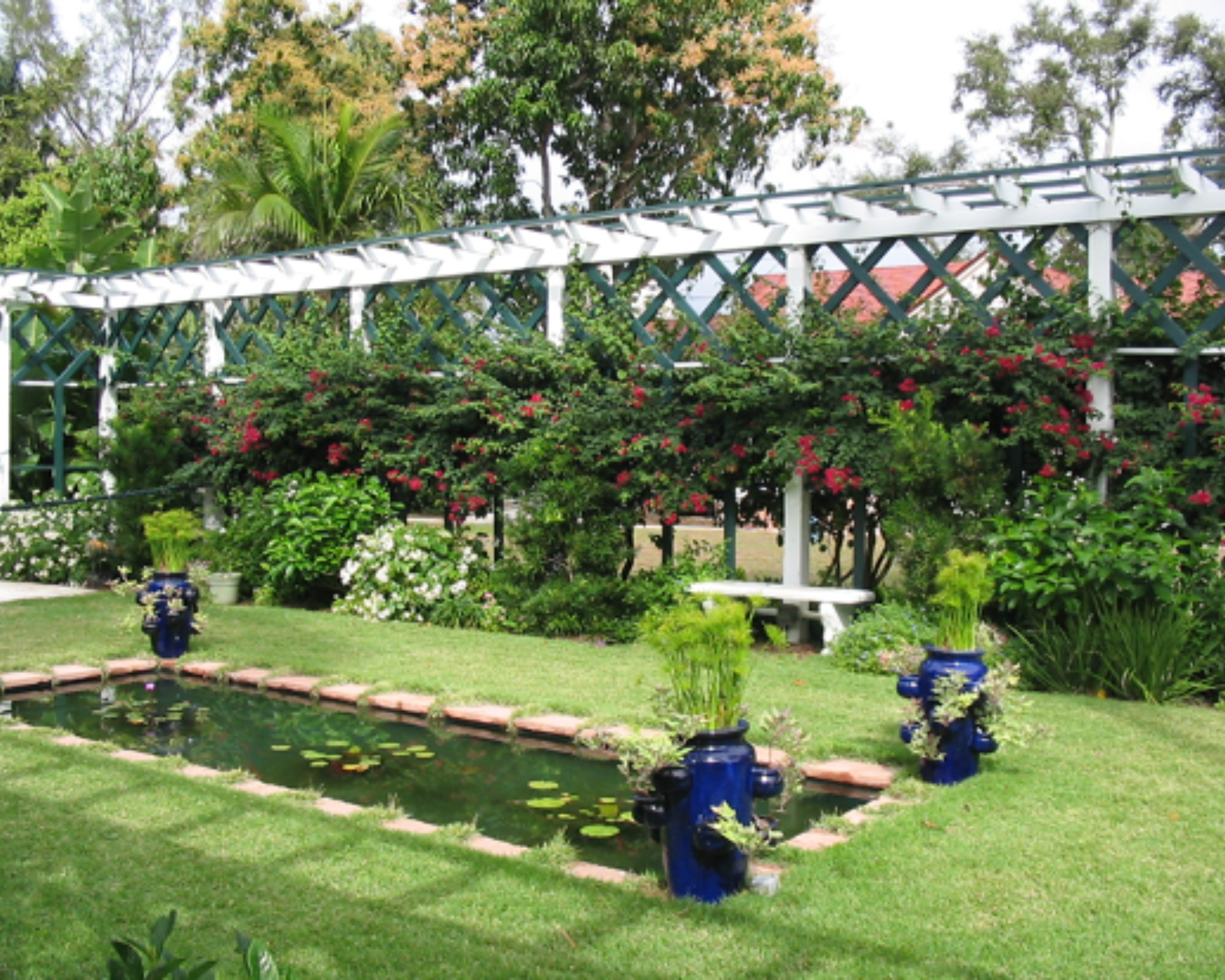
The “Moonlight Garden” at Thomas Edison Winter Estates in Fort Myers, Florida
This unique design style attracted a host of famous clientele over the years. Shipman was the preferred landscape architect for the infamous Ford, Edison, Astor, and Du Pont families. She also worked on the gardens of renowned estates such as Long Hill and Blithewold.
Her work was not limited to private residences, however. Notable public works include the West Point and Duke University.
Impact in WNY
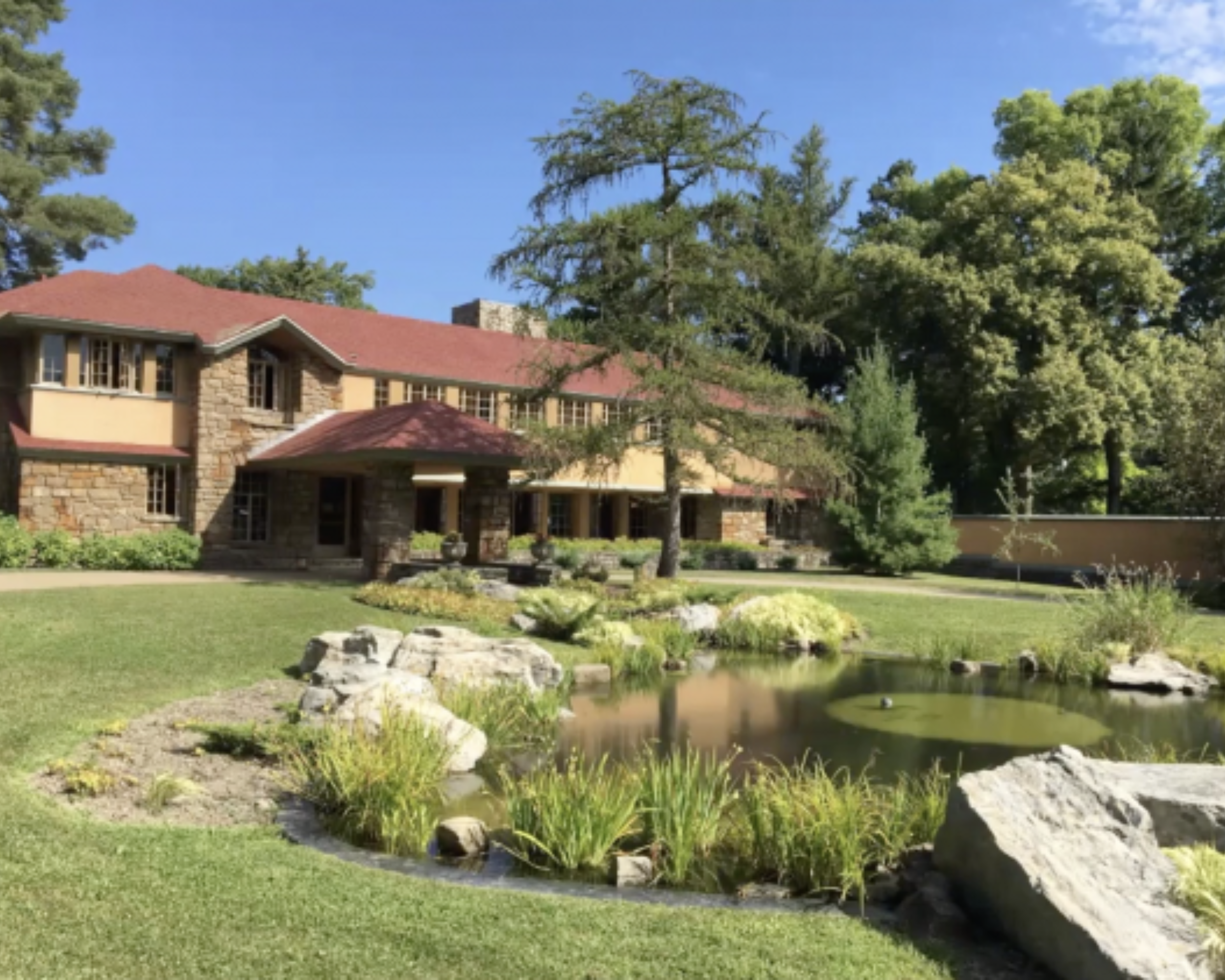
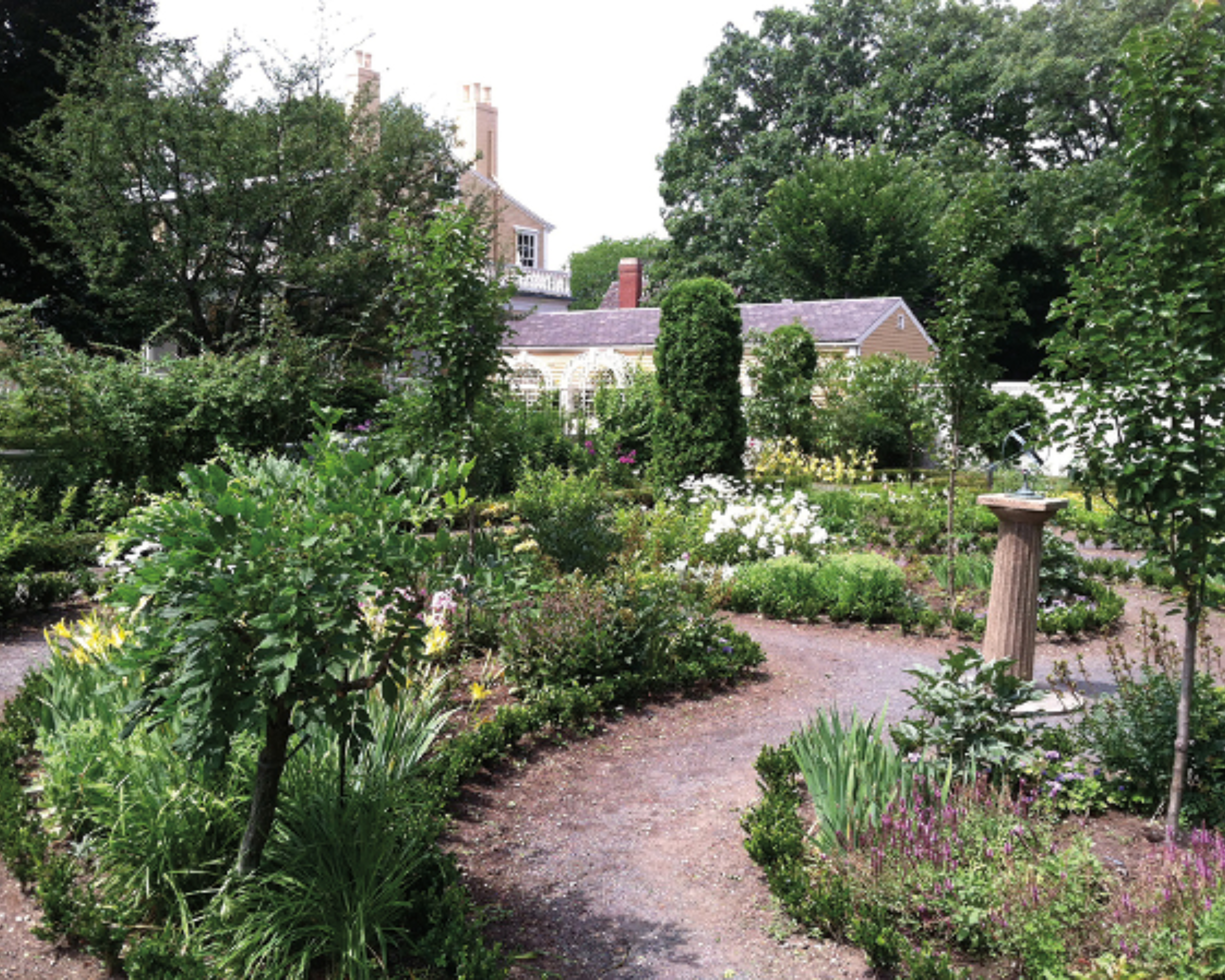
Photo: experiencegraycliff.org
Shipman’s ability to tailor her designs to the needs and preferences of her clients marked her out as an exemplary professional. A testament to this is the garden she designed for the residences of the Knox family. Their summer residence (located in East Aurora) has a small garden planted “in the style of” Shipman’s gardens. While small, it is worth exploring.
A larger example of her work exists in the breathtaking landscape at Graycliff, the summer home of Darwin Martin designed by Frank Lloyd Wright. A recent restoration was completed in 2019, bringing the gardens back to life and showcasing Shipman’s original vision.
Winds of Change
The era of magnificent gardens came to a close as a result of the Great Depression and WWII. Wealthy elite could no longer afford to keep the staff required to maintain such sprawling and ornate gardens. A few of Shipman’s loyal affluent clientele kept her afloat, but she ultimately ended up closing her firm in 1946. This was largely a result of the emerging post-war trend in landscaping; people traded in perennial beds and orchards for lawns, barbeques, and pools. The focus shifted from formality and grandeur to convenience and leisure.
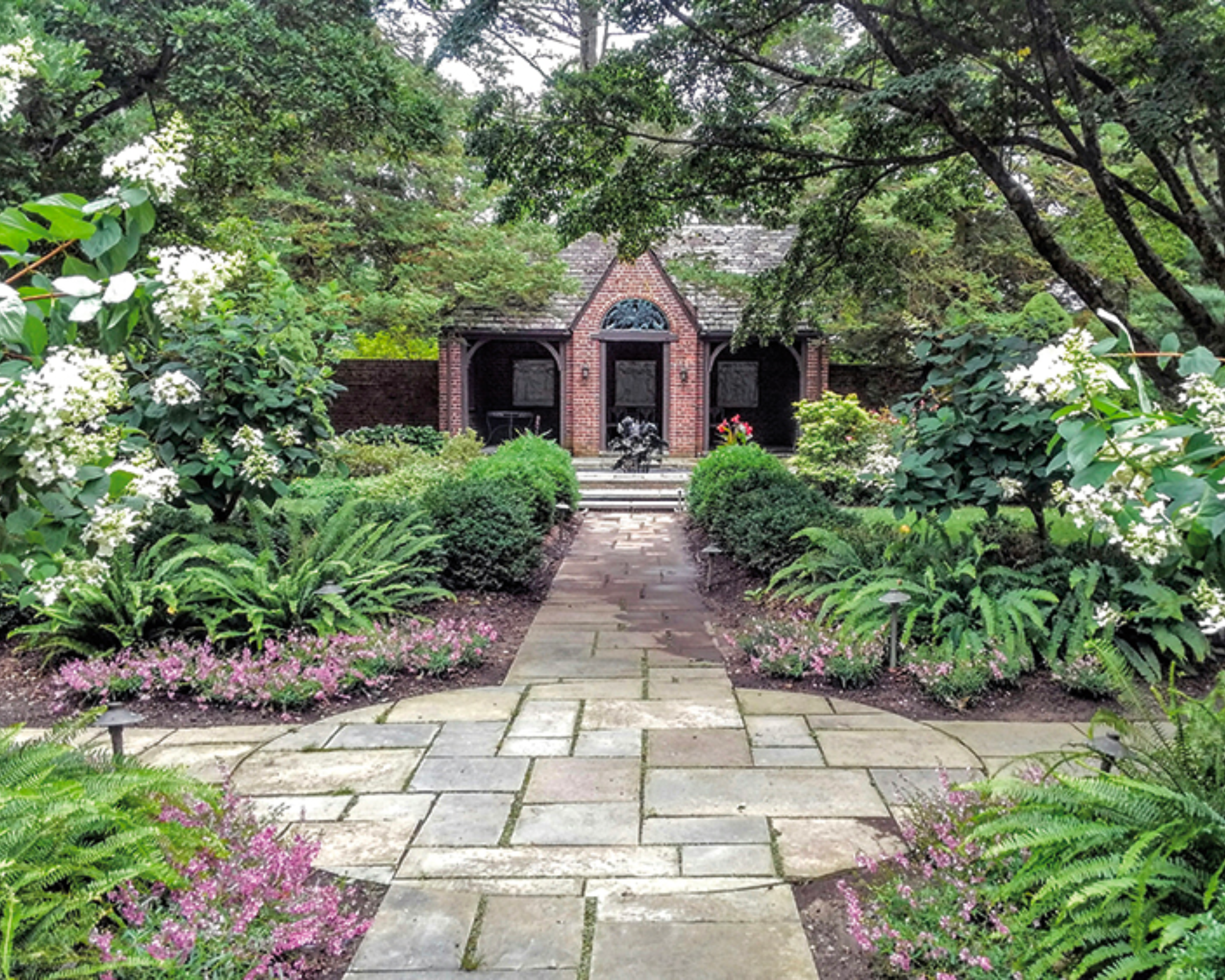
Photograph by Leslie Bottaro
Legacy
In recent years there has been a resurgence of interest in Shipman’s work and the romantic gardens she was known for. Many modern landscape architects have drawn inspiration from her designs, incorporating elements such as meandering pathways, water features, and naturalistic plantings. Shipman’s gardens are seen as a peaceful retreat from the chaos of everyday life.
A few of her gardens have been restored across the country. One notable example is the Dumbarton Oaks Estate in Washington D.C., which features a geometrically designed garden with a central lawn, sunken pool, and fountain. Another well-known restoration is the Longue Vue House and Gardens in New Orleans, where Shipman worked closely with the owners to create a series of outdoor rooms filled with vibrant colors and unique plant combinations.
Shipman’s legacy lives on not only through her restored gardens but also through her influence on future generations of landscape architects. Her vision and passion for creating beautiful outdoor spaces continue to inspire and shape the way we design gardens today.
Final Thoughts
By the end of her career, Shipman had designed more than 600 gardens across the United States and played a significant role in the American Garden movement. Her legacy continues to inspire the next generation of landscape designers as she left a lasting legacy as a pioneering woman and visionary designer.