

Pruning, Planting, and Prepping: Your Early Spring Garden Guide
Spring is in the air! With the promise of warm weather approaching, it's time to prepare your yard for the upcoming season. This post is all about spring cleanup: getting your plants ready and setting the stage for a garden that will shine throughout the season.
Cleaning Up Your Garden
Early spring is the golden opportunity to clear away the remnants of winter and make way for the new growth.
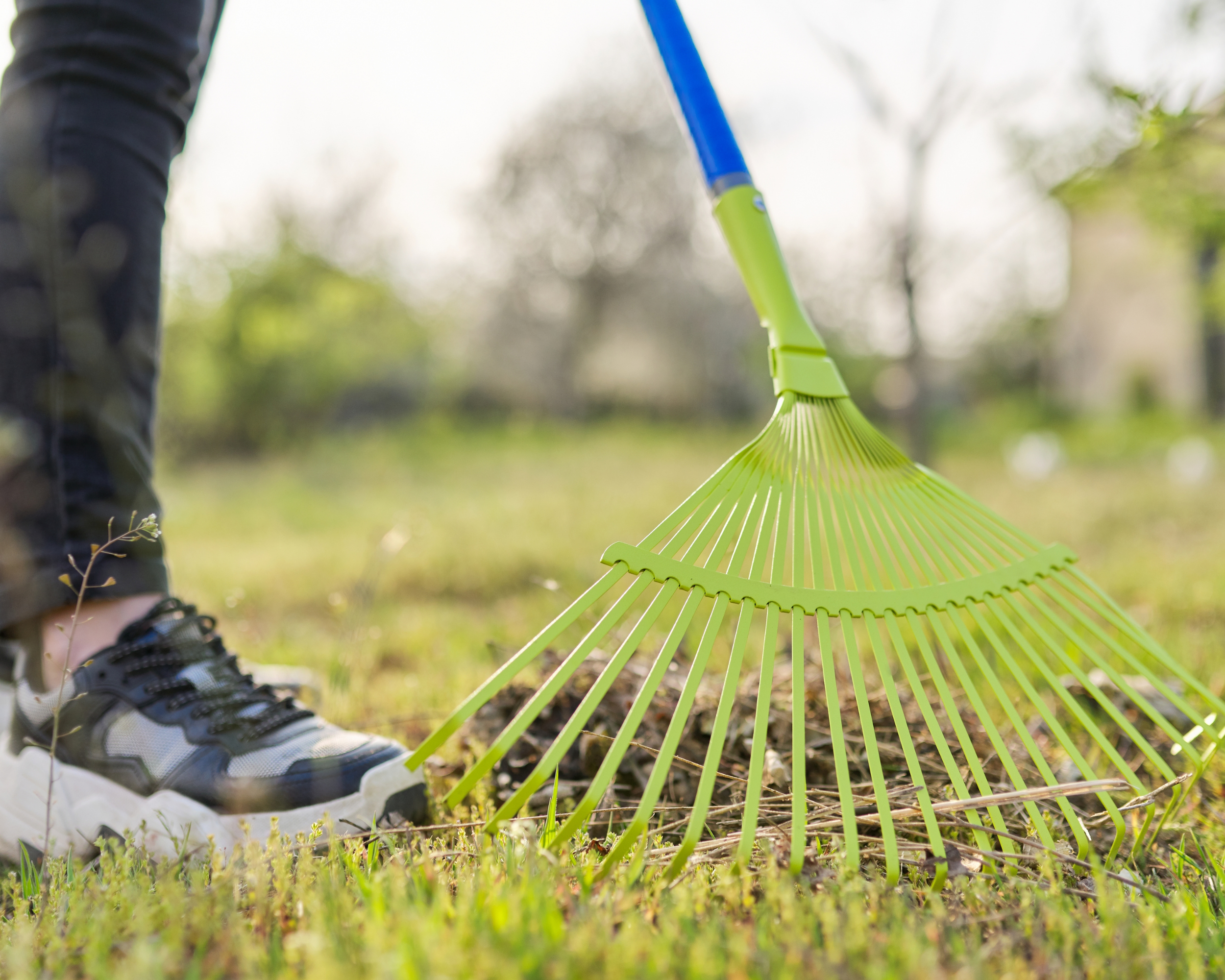
Begin by gently raking over flower beds and around shrubs to remove the debris. Avoid heavy-handed cleaning, which can upend potential hibernation shelters for beneficial insects. If you've been already taking composting seriously, this organic collection now forms a great addition to your compost pile, providing the perfect mix for rich, fertile soil.
Equally important is the inspection and clearing of pathways and garden edges. Any plants encroaching on walkways should be carefully trimmed, not only for aesthetics but to also ensure easy access for weeding and maintenance throughout the season. Sprucing up your garden sets the stage for a neat canvas that allows new growth to take the spotlight.
Trimming Broken Branches
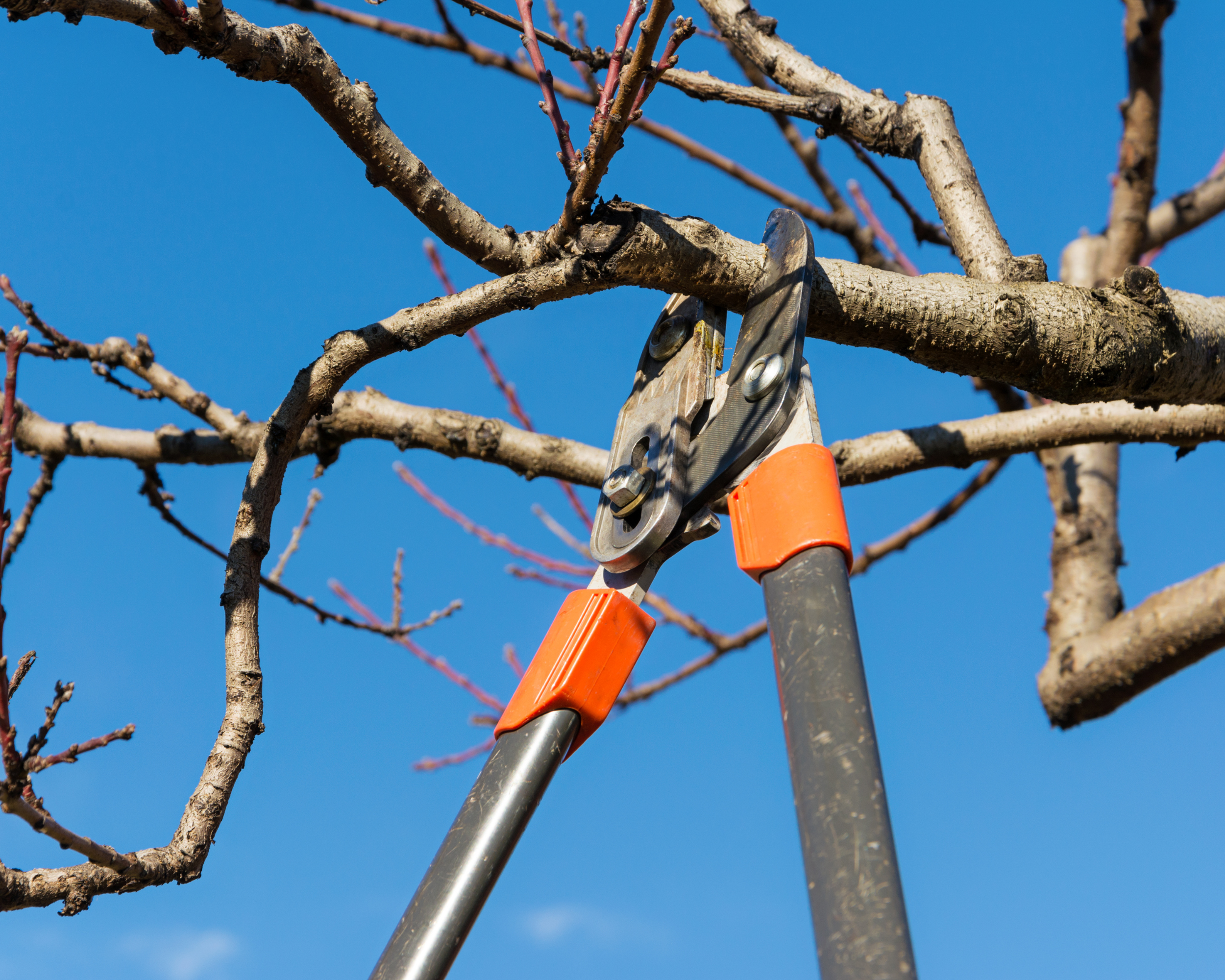
Take advantage of the lack of leaf-cover to identify and remove broken or damaged tree limbs and shrub branches. Pruning at this time is not just about tidying up; it's about safeguarding the health of your plants and setting the pace for vigorous new growth.
When pruning, use clean, sharp tools to make precise cuts and minimize the risk of infection. Start by removing any dead branches, which are most easily identified by their brittle texture and lack of buds. Next, take note of any crossing or inward-growing branches that could potentially cause damage or inhibit growth and prune these back as well.
A particular focus should be on trees and shrubs that bloom on the current season's growth, as the early pruning will encourage more plentiful harvests. However, be cautious not to clip away buds that may have survived the winter. It's a delicate dance that balances cleanup and cautious planning for the months ahead.

Cutting back Grasses
Ornamental grasses, which add texture and movement to the garden, benefit from a good haircut in the spring. This is necessary to remove the browned portions which protect the plant's roots over the winter. With a fresh slice, your grasses will be poised to sprout new, vibrant plumes come summer.
Timing is key – cut back your grasses just before the new green shoots begin to emerge. This may mean monitoring them closely and waiting for the right moment. Use this opportunity to divide any large clumps, an action that rejuvenates the plants and provides you with new specimens to transplant or share.
Liriope and other similar ground covers should be trimmed in a similar fashion, with their last season's growth coming off in preparation for a lush new carpet. Be sure not to cut too close to the crown, which could harm the plant. Pruning grasses not only beautifies your garden but also spurs on growth for the season.
Relocating Plants
Spring offers a fantastic opportunity to assess the layout of your garden and make adjustments. Plants that may have outgrown their designated space or those that could benefit from a change in location should be on your radar.
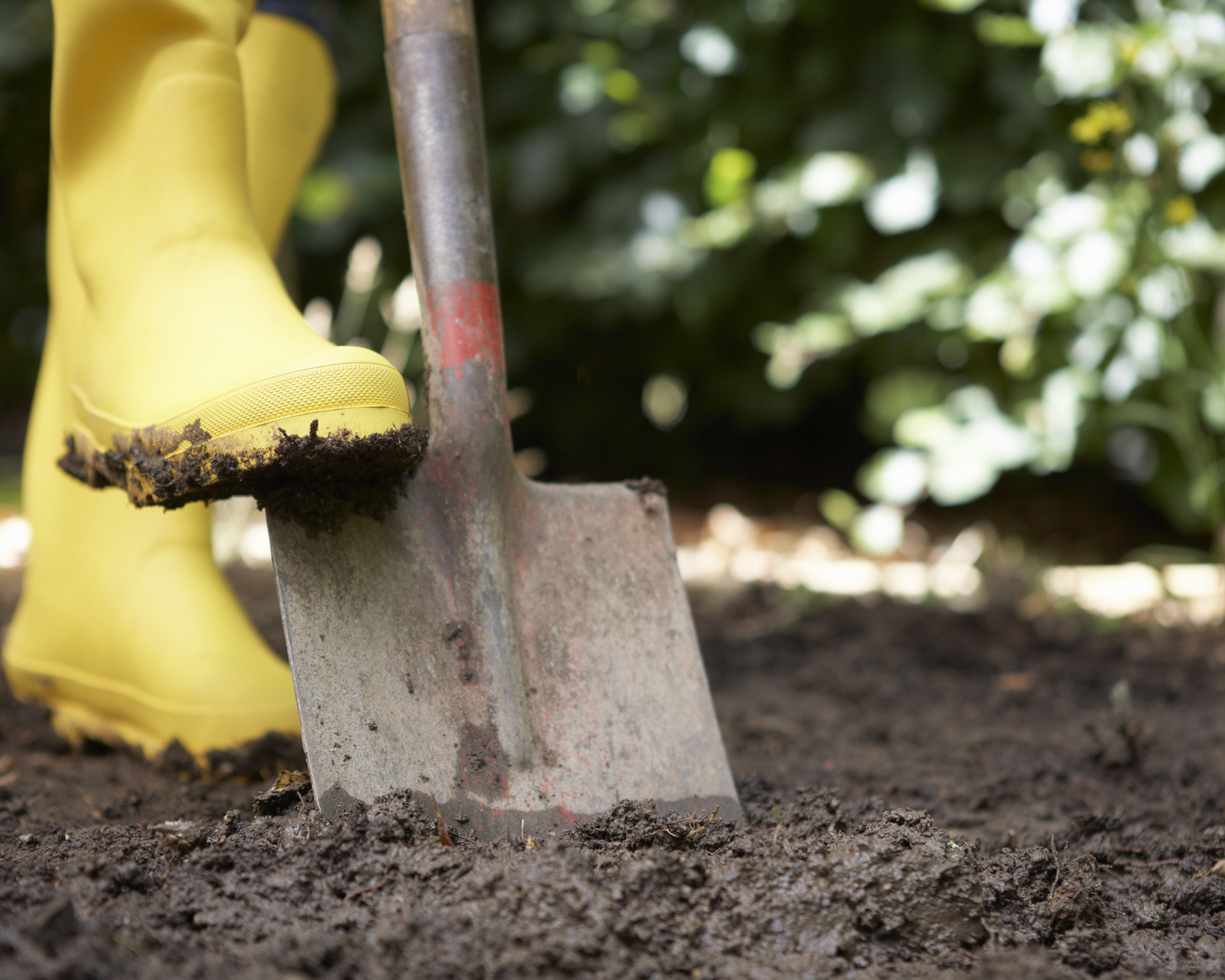
Transplanting is best done early in the season while plants are still dormant or just beginning to show signs of life. This minimizes stress on the plant and gives it the best chance for successful establishment in a new spot. Water the plant well a day or two before the move, and prepare the new hole before taking it out of the ground, to reduce the time its roots are exposed.
When choosing a new location, consider the plant's sunlight, soil, and water requirements, and ensure it will have enough space to grow without crowding or competition from neighboring plants. Remember, a garden is an ever-evolving ecosystem, and being flexible with your layout can lead to better overall plant health and garden aesthetics.
Looking for Signs of Life
Not all plants make it through the winter unscathed. Some may appear to be lifeless, and it's tempting to give up on them. This is where a keen eye is essential.
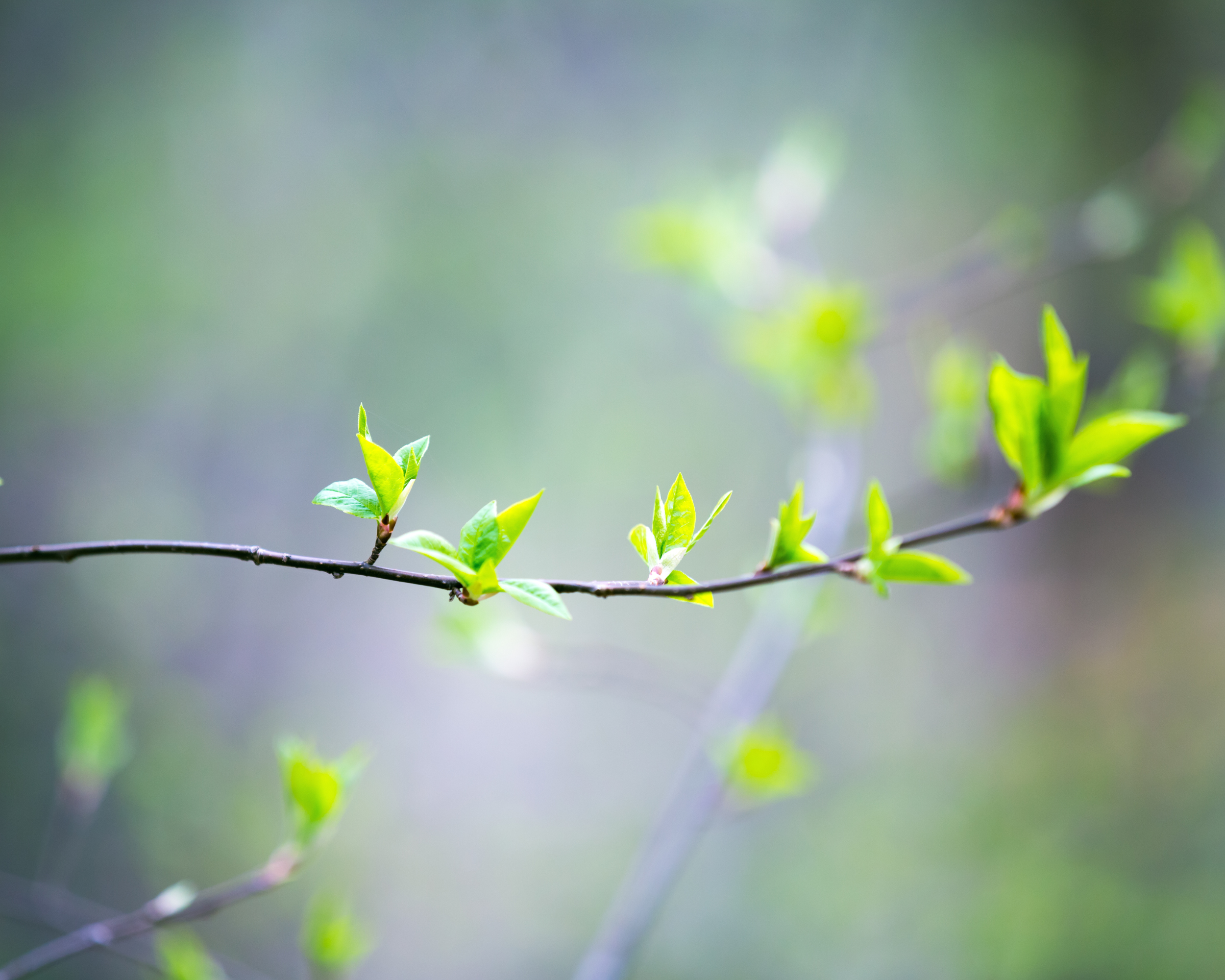
Perennials may be showing the tips of new growth starting mid-March through April. Delicately remove any mulch or protective coverings that were placed over them for the winter. Be patient before jumping to any conclusions – sometimes, plants can surprise you with their resilience and stage a comeback even after serious winter damage. Other varieties like Rose of Sharon and coreopsis are late bloomers, and appear dead when everything else is in full vigor.
Identifying which plants have made it and which have not will inform your pruning and planting decisions. It's a bit of a detective job but one that can be incredibly gratifying as you witness watch the garden begin to wake up.

Planning Ahead
With a cleared and tidied garden and a good handle on what's thriving, what's not, it's time to look at your garden with an eye for design. Maybe you noticed a particularly bare patch that could benefit from a focal point, or perhaps an area where a new group of plants could usher in a surprising burst of color.
Use this observation time to sketch out a rough plan of your garden layout, taking into account plant height, spread, and bloom times. Such planning can prevent impulse buys later in the season and ensure that your plant choices are intentional and complementary. By having a well-thought-out design, you'll be ready to make informed purchasing decisions when the garden centers burst with spring offerings.
This preparatory work sets the foundation for a garden that not only looks beautiful but also functions as a balanced and interconnected space.
Conclusion
Early spring feels like a grand opening for gardening enthusiasts. Through activities like pruning, cleaning, planning, and transplanting, you play a vital role in nurturing your garden's development and being part of its cycle. This guide provides you with the expertise to cultivate a thriving and delightful garden. Embrace the joy of spring gardening and see how a little hard work can pay off in the months to come. Happy gardening!