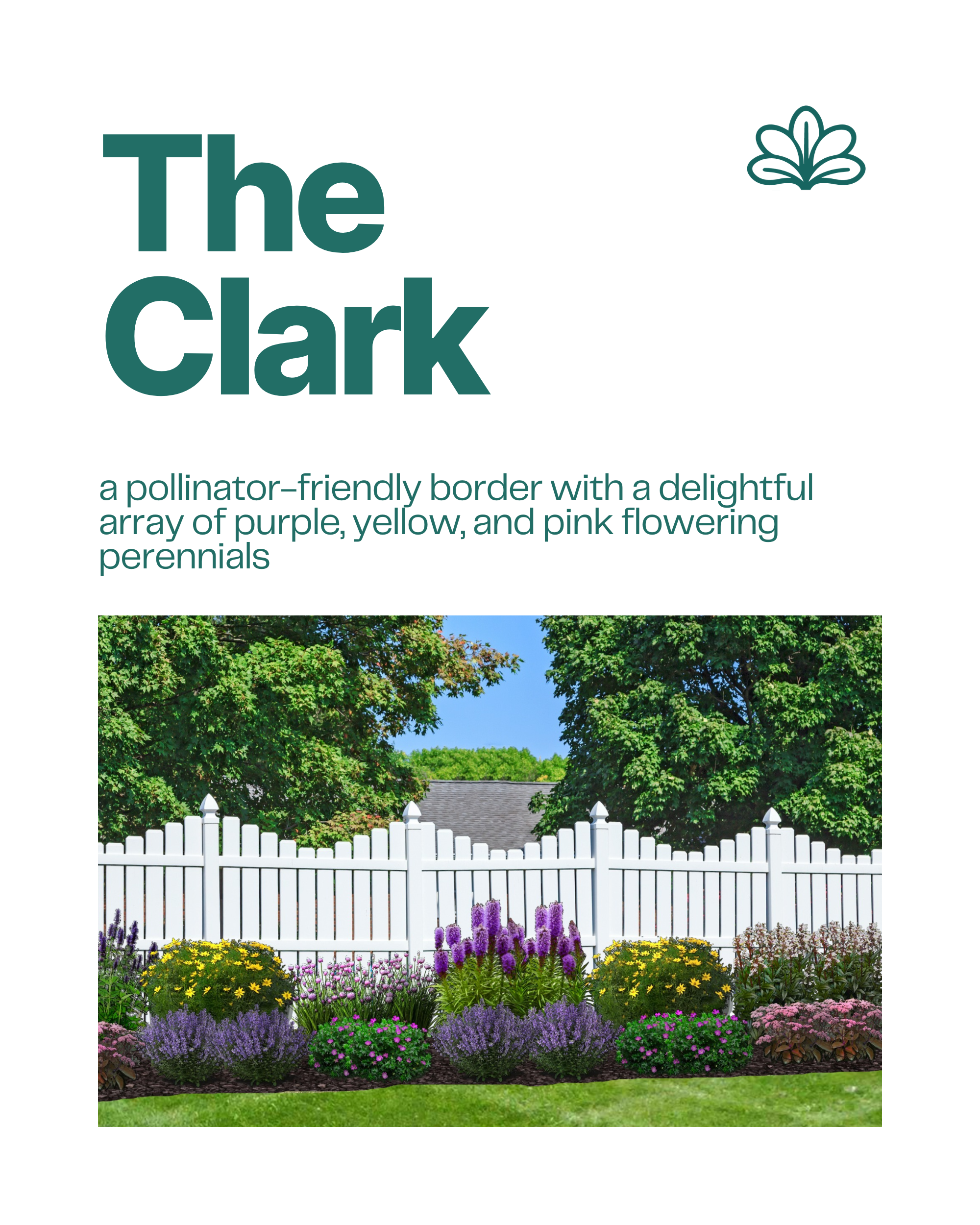

Heat-Proof Your Garden
Plants That Thrive in Summer Heat
While most of your garden is wilting in the July heat, wouldn't it be nice to have plants that actually get better when the temperature climbs? These heat-loving, drought-tolerant plants don't just survive summer—they thrive in it.
If you're tired of babying plants through hot weather or dealing with crispy, frazzled gardens, it's time to work with the heat instead of against it. Here are drought-friendly varieties that will survive droughts that punctuate our summer.
Perennials That Love the Heat
Russian Sage (Perovskia): This silvery-leafed perennial produces clouds of purple-blue flowers all summer long. It actually prefers poor, dry soil and gets fuller and more floriferous as temperatures rise. The aromatic foliage smells wonderful when brushed against. Varieties vary greatly in size, so be sure to pick one that doesn’t get too big.
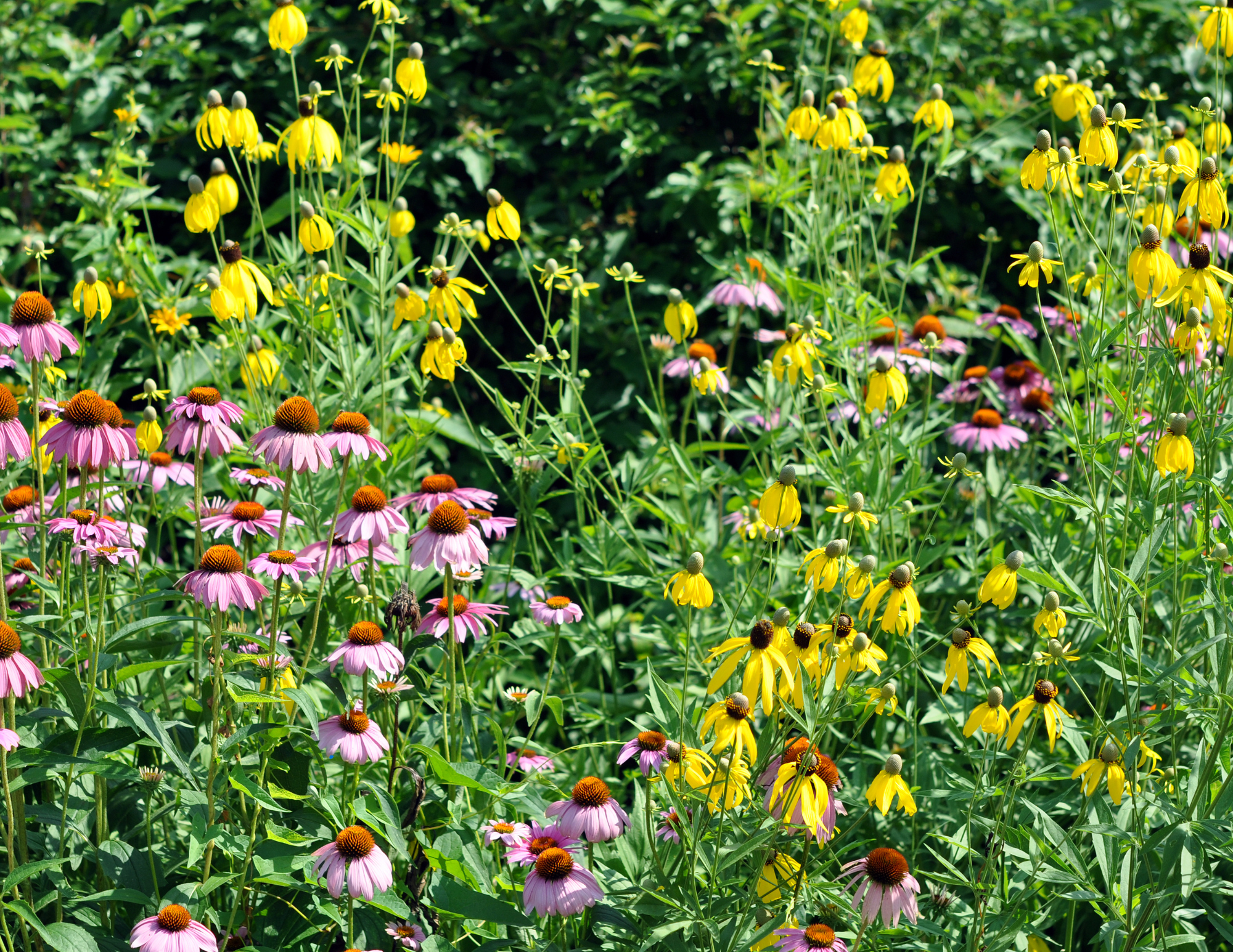
Black-Eyed Susan (Rudbeckia): Once established, this plant can handle serious drought and keeps blooming through the hottest weather. The bright yellow flowers provide cheerful color when everything else looks tired. Another benefit? You can probably get some for free—this one's a spreader, so you can likely find a neighbor who will be more than happy to dig some up for you.
Purple Coneflower (Echinacea): Not only heat and drought tolerant, but the flowers actually intensify in color during hot, dry periods. Plus, goldfinches love the seed heads in fall. There are dozens of cultivars that come in all shapes and sizes, but they tend to peder out after a year or two. Stick with the traditional echinacea purpurea for longevity.
Sedum (Stonecrop varieties): These succulent perennials store water in their thick leaves, making them nearly indestructible in heat. You have a choice between mounding varieties and ground covers, so make sure you pick the right-sized plant for your garden. 'Autumn Joy' and 'Autumn Fire' are particularly reliable, but there are tons of fun cultivars to explore.
Catmint (Nepeta): This mounding perennial produces waves of purple-blue flowers from late spring to mid-summer with minimal water. Some varieites are lilac in color, while others are a deeper blue/purple color. All are winners! Cut it back mid-summer for a fresh flush of blooms.
Coreopsis: An absolute must-have in your garden. There aren't many plants that flower for three months straight, but this is one of them. Traditional varieties produce daisy-like flowers in the yellow and orange family that appear continuously from early summer through fall. Extremely drought tolerant, it actually flourishes more prolifically in hot, dry conditions. FYI: the "threadleaf" varieties tend to spread.
Yarrow (Achillea): Feathery foliage and flat-topped flower clusters in various colors. Extremely drought tolerant once established, and the flowers are excellent for cutting. My one objection is that the flower color tends to fade in the hot sun, but new growth produces fresh rounds of bold color.
Ornamental Grasses: Grasses are about as drought-proof as it gets. Many varieties like fountain grass, feather reed grass, and little bluestem are exceptionally drought tolerant. They add movement and texture to the garden while requiring minimal water once established. They’re also deer-proof!
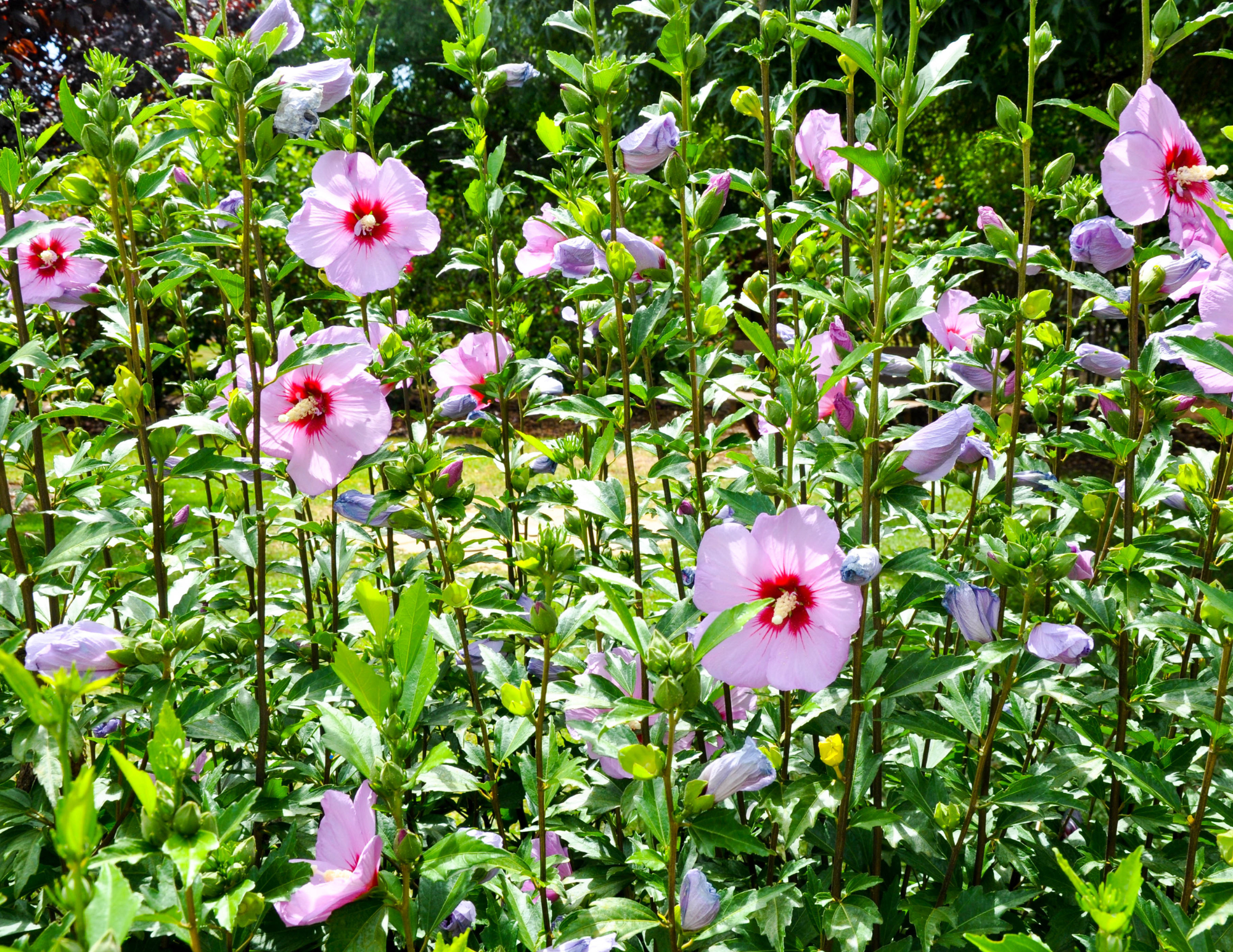
Shrubs Built for Summer Heat
Potentilla: Small yellow, white, or pink flowers bloom continuously all summer. This compact shrub actually prefers lean, dry soil and full sun. You may want to cut it back by 1/3 at the end of the season to keep it from getting too leggy.
Summersweet (Clethra): This native shrub features fragrant white flower spikes in mid to late summer when most shrubs are done blooming. Handles both heat and some drought once established.
Barberry: Available in various foliage colors from to deep red. Extremely drought tolerant and the thorns make it deer-proof too. Have a neighbor you don’t like? Plant it along the property line to keep them out. If you go this route, be sure to choose sterile varieties to prevent spreading.
Ninebark: Native shrub with attractive bark, spring flowers, and dark red foliage. Once established, it can handle drought and poor soil conditions. It is susceptible to powdery mildew, so plant it where good air circulation will help prevent the problem, or in background areas where any leaf blemishes won't be as noticeable.rs in late summer when most shrubs are done blooming. Thrives in heat and humidity.
Smokebush (Cotinus): Grown for its dramatic purple foliage and wispy flower plumes that look like smoke, this is a unexpected choice for dried arrangements. Drought tolerant and striking as a specimen plant, these can get pretty big, so make sure you plant it in an area with plenty of space.
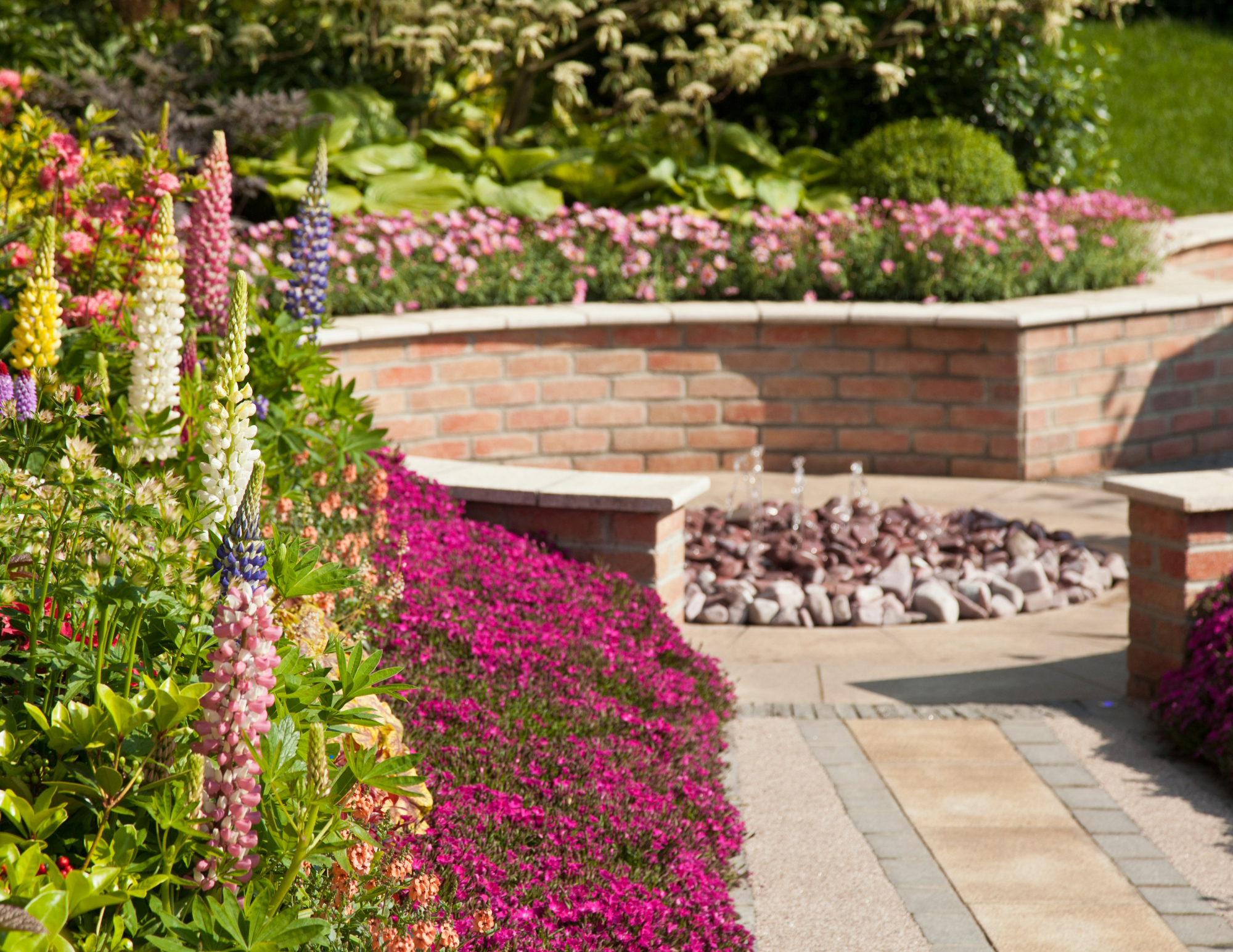
Perfect for Problem Areas
These plants are especially valuable for those challenging spots that get extra hot:
Next to driveways and sidewalks: Pavement radiates heat and reflects it back onto nearby plants. Regular garden plants often struggle or even burn in these conditions, but heat-loving plants actually appreciate the extra warmth.
South-facing foundation beds: These areas can be brutal in summer, with heat reflecting off both the pavement and the house. Instead of fighting these conditions, choose plants that welcome them.
Parking strips and boulevard plantings: These narrow strips between sidewalks and streets get hit with heat from multiple directions. Drought-tolerant plants are essential here since they're often forgotten during watering.
Sunny slopes: These areas drain quickly and can get very hot. Traditional garden plants often struggle, but heat-lovers will thrive with minimal care.
What Makes These Plants Different
Heat-loving plants have developed specific strategies to handle hot, dry conditions:
Silver or gray foliage: Reflects heat and light, keeping the plant cooler. Plants like Russian sage and yarrow use this strategy.
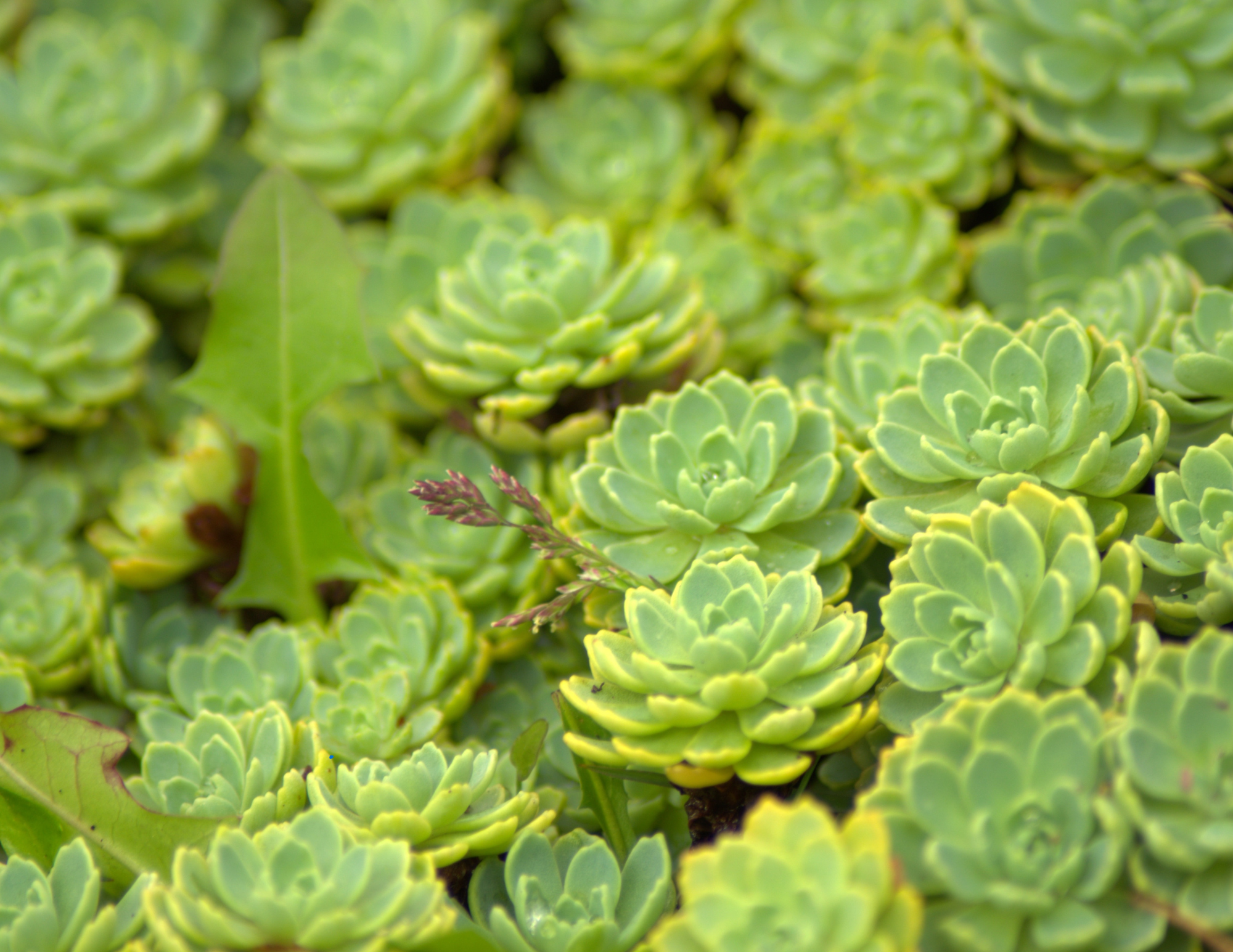
Thick, waxy leaves: Store water and reduce moisture loss. Sedums are perfect examples of this adaptation.
Deep root systems: Reach water sources that shallow-rooted plants can't access. Once established, these plants become very self-sufficient.
Native heritage: Many heat-tolerant plants are native to prairies, Mediterranean climates, or other naturally dry areas. They're genetically programmed to handle heat and drought.
Make the Switch
You don't have to redesign your entire garden at once. Start by replacing plants that consistently struggle in your hottest, driest spots. Over time, you can gradually add more heat-tolerant options to reduce your garden's overall water needs and maintenance requirements.
The key is working with your conditions instead of against them. Those challenging hot spots in your yard aren't problems to solve—they're opportunities to showcase plants that truly love summer heat.
Shop Our Landscape Designs