

The July Garden Slump
How to Refresh Your Tired Summer Garden

It's mid-July, and that garden you were so proud of in May is looking a little... rough around the edges. Your tulips are long gone, leaving behind dying foliage that looks like botanical roadkill. The hostas have mysterious holes that definitely weren't there last week. And don't even get started on whatever happened to that gorgeous container arrangement that was the star of your spring photos.
If you're standing in your yard wondering where your picture-perfect garden went, you're not alone. July is when gardens show their true colors—and sometimes those colors are brown, crispy, and definitely not Pinterest-worthy.
Here's why your garden looks tired, and more importantly, what you can do about it without starting from scratch.
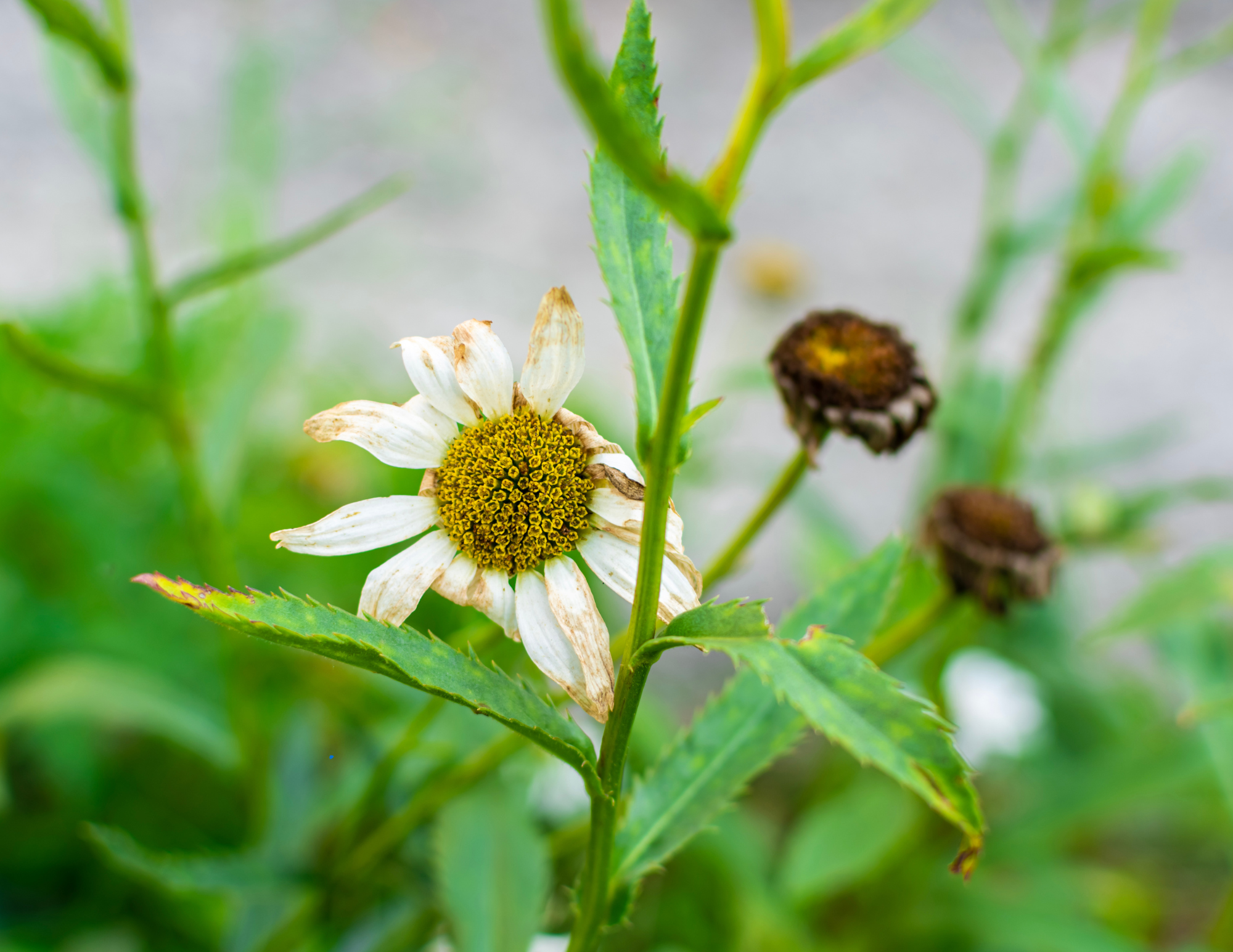
Fading Spring Plants
Dying Spring Bulbs: Those gorgeous tulips that made your garden the envy of the neighborhood? They're done. Not just done blooming—they're actively dying back, and their yellowing leaves look terrible. But here's the thing: you need to let them finish their death scene. Those ugly leaves are feeding the bulb for next year's show.
The Quick Fix: Plant summer annuals or perennials around (not on top of) the dying bulb foliage. Coleus, impatiens, or even some late-planted marigolds can hide the carnage while the tulips do their thing underground. By late July, you can clean up the dead foliage and pretend this awkward phase never happened.
Scraggly Spring Perennials: Spring-blooming perennials like lungwort and bleeding heart are either going dormant or looking seriously scraggly. This is normal—they're not dead, just taking a summer vacation.
The Quick Fix: Embrace the empty space or fill it with shade-tolerant annuals. These areas will come back to life in fall, so don't panic and replant the whole bed.
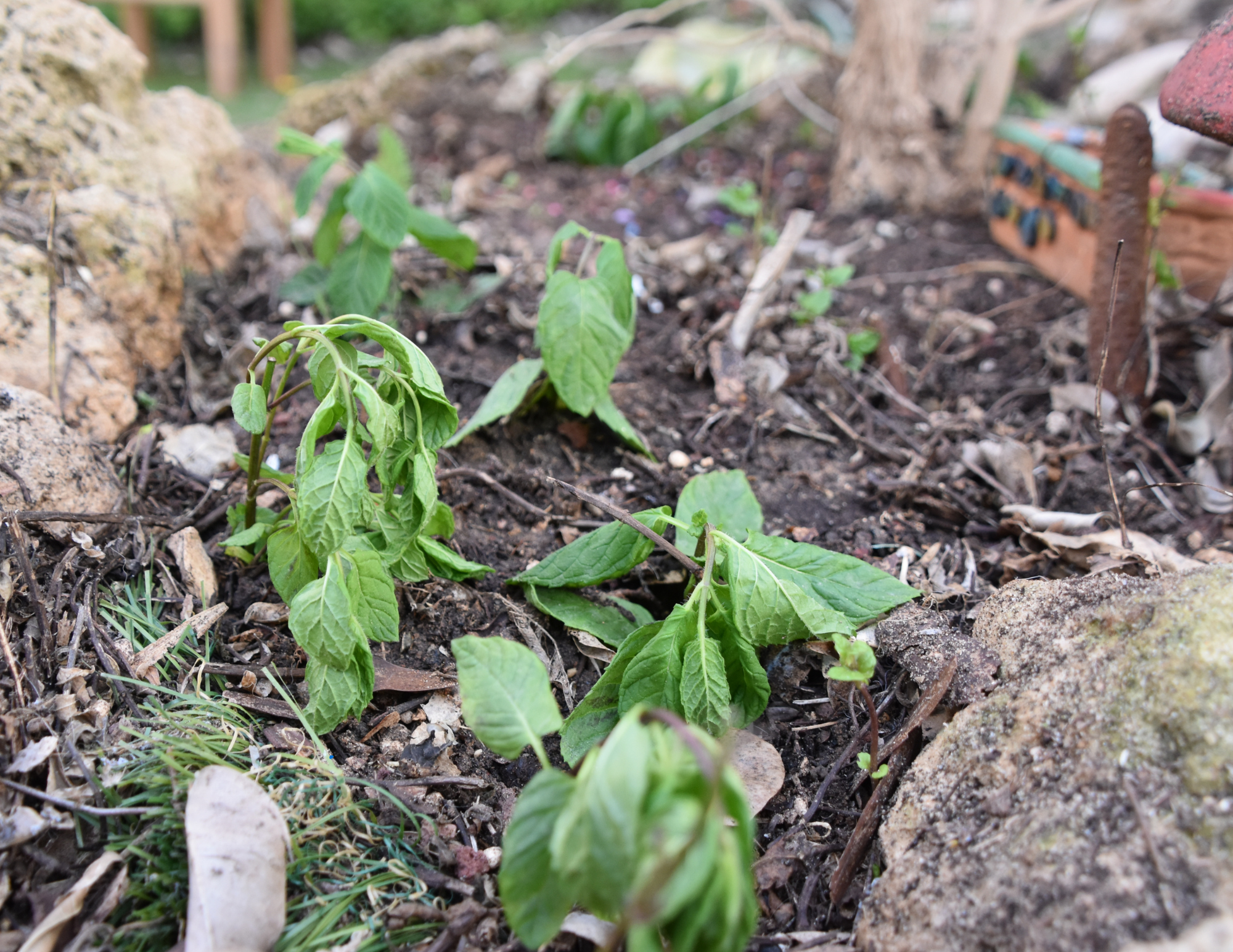
Heat Stress Problems
Plants Wilting in Heat: Just like people, plants get cranky when it's hot. That beautiful lettuce from spring has probably bolted (gone to seed) and tastes like bitter disappointment. Cool-season annuals are sulking or outright giving up.
The Reality Check: This isn't your fault. Cool-season plants are designed to check out when temperatures consistently hit the 80s. Fighting this is like trying to convince someone to wear a wool sweater in August.
The Quick Fix: Replace struggling cool-season plants with heat-lovers for now, but keep an eye out for fall annuals that will arrive at garden centers in late July and August. Zinnias, marigolds, celosia, and pentas actually prefer the weather that's making your pansies miserable. Come late summer, you can swap some of these out for fall favorites like mums, asters, and ornamental kale that will carry you through autumn.
Inconsistent Watering: Even plants that should handle heat are looking stressed because July watering is tricky. Too little and they crisp up. Too much and you get root rot or fungal issues.
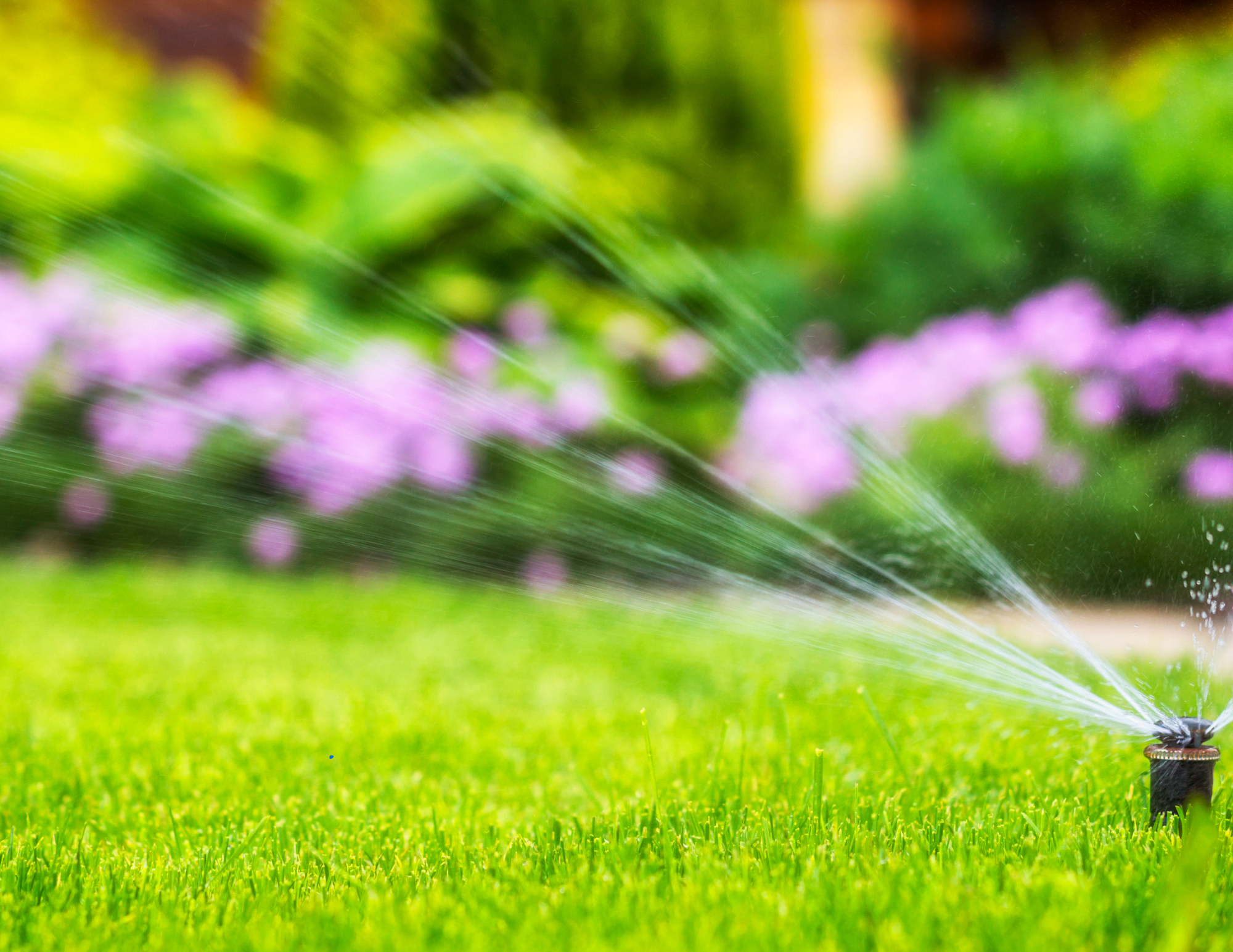
The Quick Fix: Water deeply but less frequently. Most established plants prefer one good soaking over daily sprinkles. Water early morning to give plants time to dry before evening (fungal diseases love wet plants in humid weather).
Maintenance Backlog
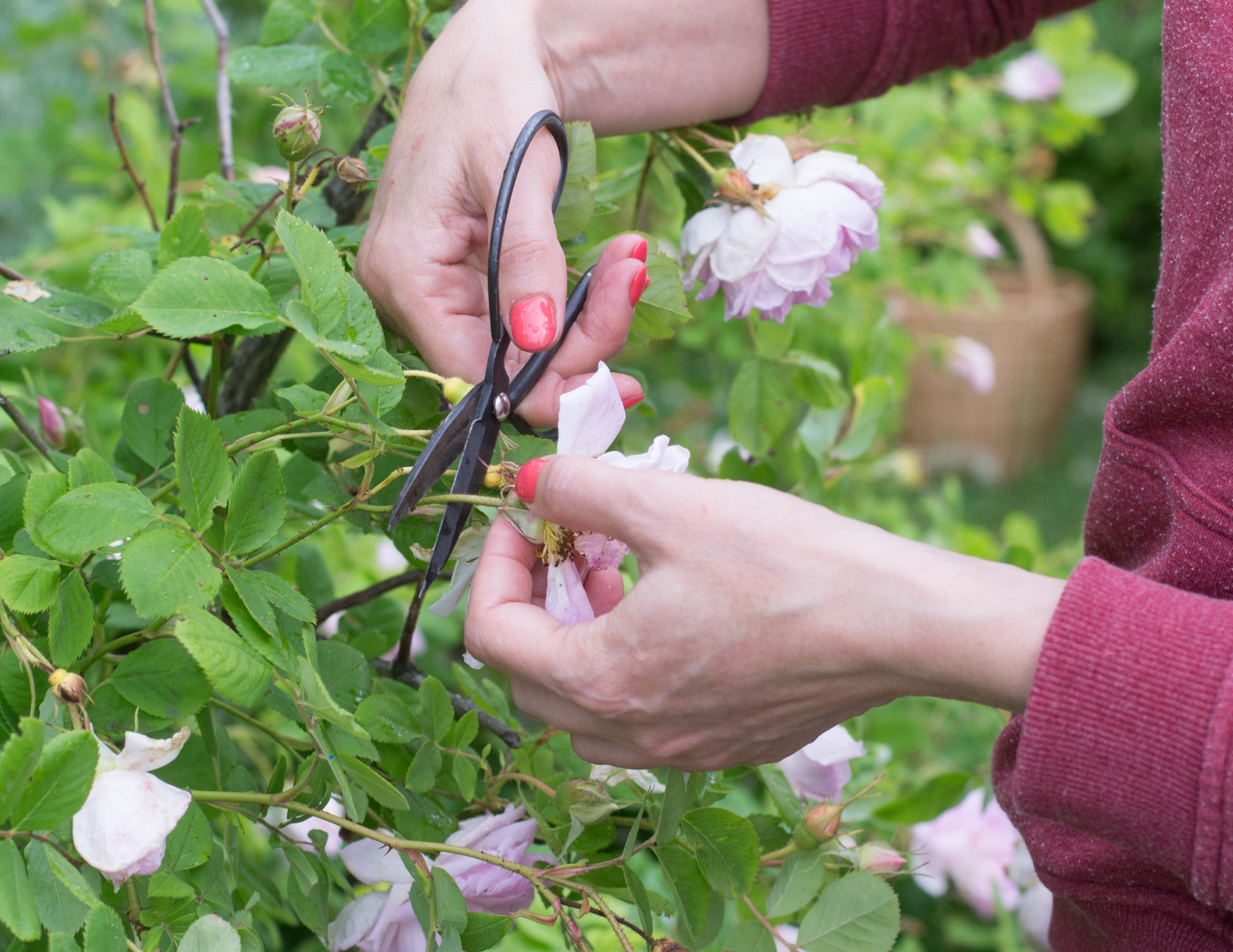
Too Many Spent Flowers: Those beautiful spring flowers have turned into a seed-production factory. Spent blooms everywhere, and your plants are putting all their energy into making seeds instead of more flowers.
The Quick Fix: Get out there with scissors and start deadheading. It's tedious, but it's the difference between plants that keep blooming and plants that call it quits for the season. Make it easier on yourself—bring a small bucket and some good music. For some perennials that are getting leggy or flopping over, this might also be the time for a more dramatic cut-back (1/3 to 1/2 of the plant).
Summer Pest Problems: July is when every garden pest decides to throw a block party in your beds. Slugs, Japanese beetles, spider mites—they're all living their best life at your plants' expense.
The Quick Fix: Don't try to wage war on every bug. Focus on the ones causing real damage. Hand-pick Japanese beetles in the cool morning hours (yes, it's gross, but it works). For slugs, beer traps are weirdly effective. For aphids, try insecticidal soap or simply rub them off with your fingers—they're surprisingly easy to squish.
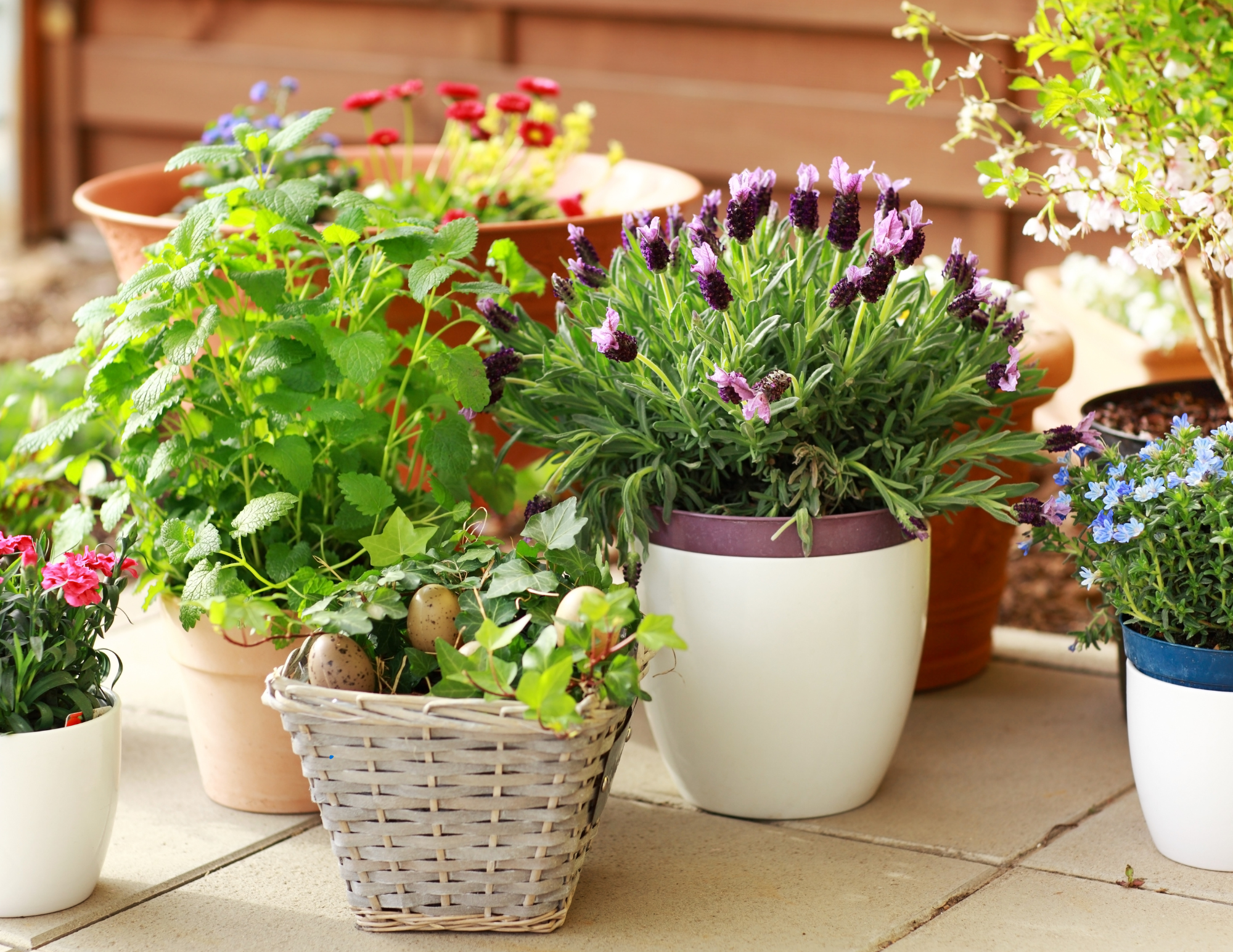
Container Problems
Overcrowded Containers: Those beautiful mixed containers that looked perfect in May are now a jungle of competing plants. Someone's taking over, someone's getting strangled, and the whole thing looks like a plant wrestling match.
The Quick Fix: It's okay to thin things out. Remove the weakest or most aggressive plants and give the survivors room to breathe. Better to have a half-full pot of healthy plants than a packed pot of struggling ones.
High-Maintenance Container Watering: Container plants in July need daily attention. Miss one hot day of watering and they can go from healthy to wilted fast.
The Smart Solution: Group containers together to make watering more efficient, or consider moving them to a spot that gets some afternoon shade. For lots of containers, consider investing in self-watering containers—they can cut watering back to once or twice per month.
Quick Wins for Instant Improvement
Sometimes you don't need a complete garden makeover—just a few strategic moves to make everything look intentional instead of neglected:
Strategic Plant Removal: Cut back anything that's clearly given up. Dead plants make the whole garden look worse than it is. It's like cleaning up a messy room—removing the obvious problems makes everything else look better.
The Power of Mulch: If you haven't mulched yet this year, adding it now is like makeup for gardens. It hides a multitude of sins and makes everything look more polished. Plus, it helps retain moisture during hot spells. If you already mulched in spring, you probably don't need to add more—just fluff up what's there.
Selective Shopping: Hit the garden center clearance section for heat-loving annuals. A few strategically placed new plants can fill gaps and add instant color.
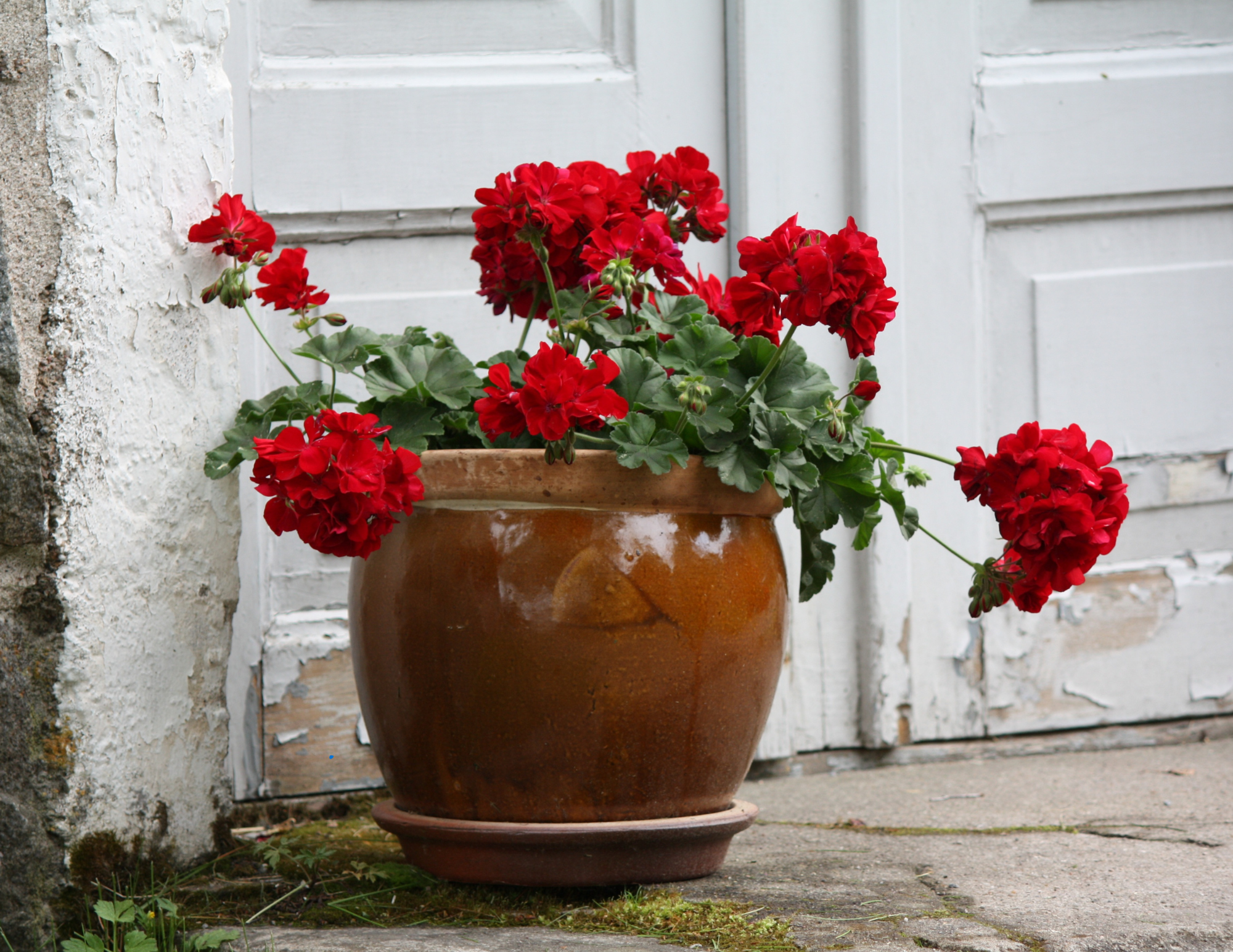
Container Staging: Use pots of colorful annuals to draw attention away from problem areas. Place them near entrances or in prominent spots where they'll create visual impact.
Working with July, Not Against It
The truth is, July gardens are supposed to look different from May gardens. This isn't a failure—it's a natural transition. Gardens that try to maintain spring perfection through summer heat usually end up looking worse than gardens that embrace seasonal changes.
Instead of fighting the summer slump, work with it. Use this time to evaluate what's working and what isn't. Those plants that are still looking good in July heat? Remember those for next year. The ones that threw in the towel? Maybe they belong in a different spot or shouldn't be invited back.
July is also prime time for planning your fall garden refresh. Garden centers will start getting their fall inventory soon, and you'll have a clear idea of which areas need the most help.
The Bottom Line
Your garden isn't broken—it's just being a garden in July. With a few strategic fixes and realistic expectations, you can get through the summer slump and set yourself up for a strong fall showing.
Sometimes the best thing you can do for a tired July garden is give it (and yourself) permission to not be perfect. Save your energy for the improvements that actually matter, and remember that even professional gardens have awkward phases.
The beautiful fall garden you're envisioning? It starts with the realistic summer maintenance you do now.
Shop Our Landscape Designs