
Planting Under Black Walnut Trees
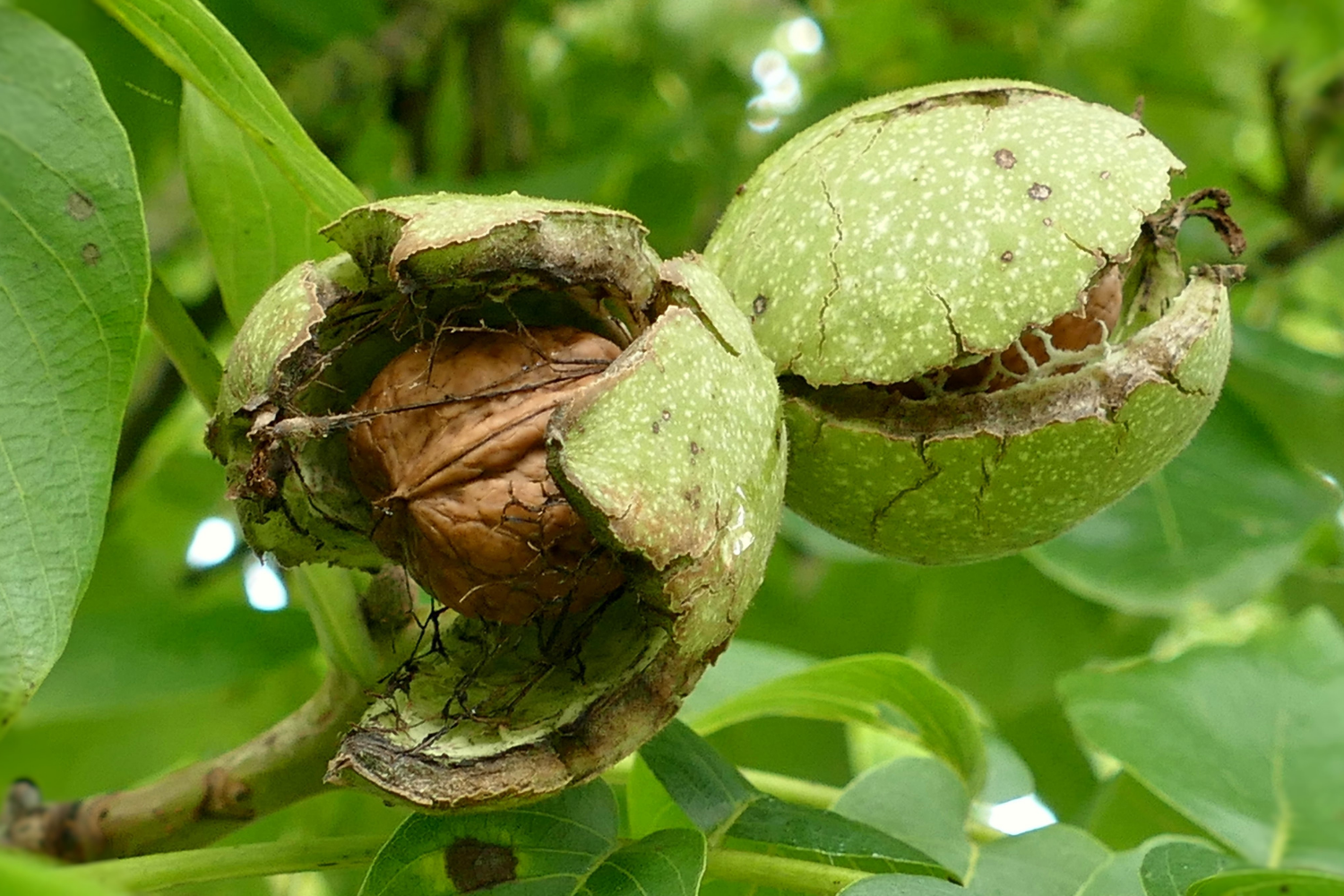
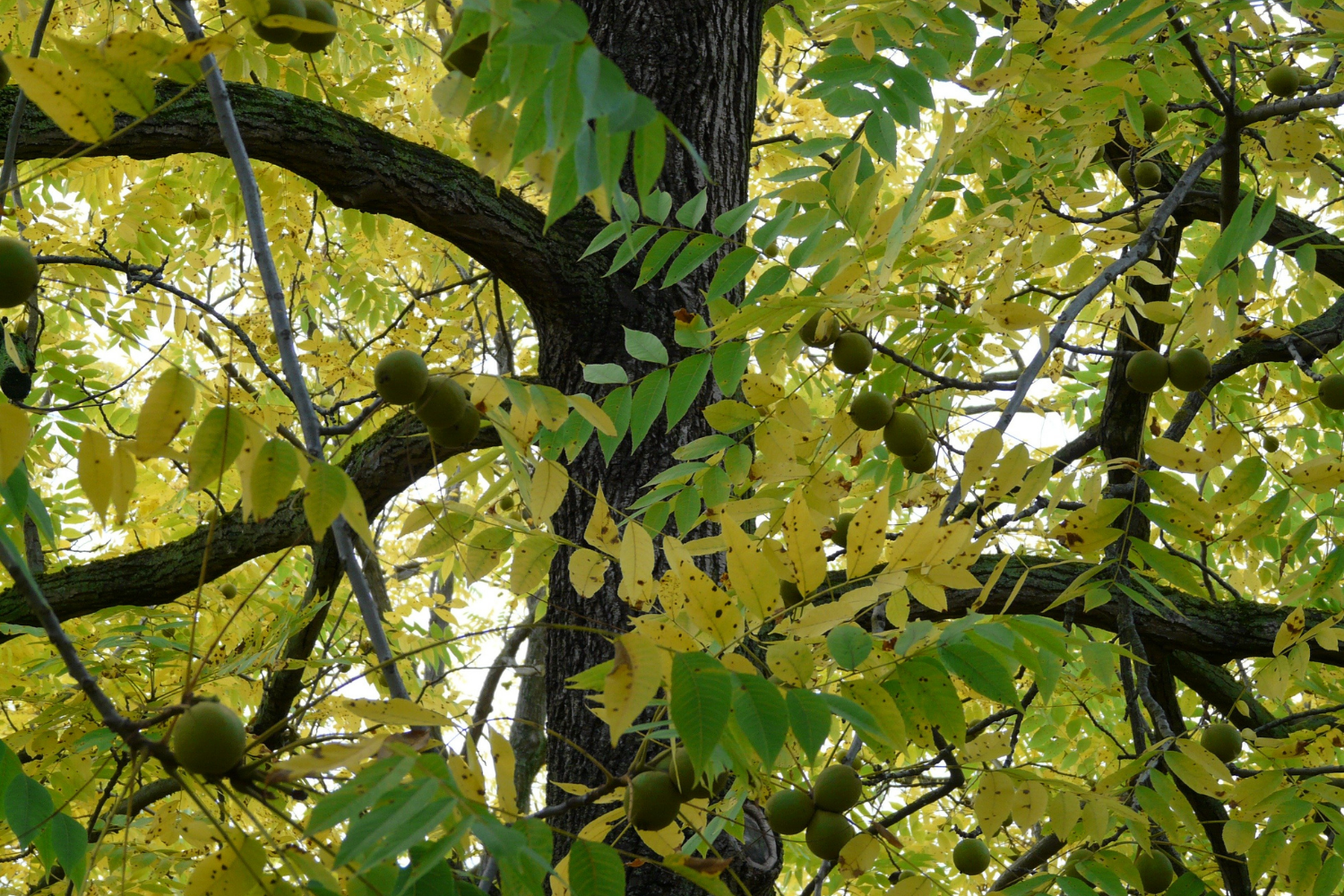
Black walnut trees (Juglans nigra) are magnificent native trees valued for their timber and nuts, but they present a unique challenge for gardeners. These trees produce a natural compound called juglone that can inhibit the growth of many plants. However, with the right knowledge and plant selection, you can create a thriving garden around or even under your black walnut trees.
Understanding Juglone Toxicity
What is Juglone?
Juglone is a chemical compound (specifically 5 hydroxy-1,4-napthoquinone) that black walnut trees produce as a natural defense mechanism. This allelopathic substance helps the tree reduce competition from neighboring plants.
How Juglone Affects Plants
Juglone inhibits plant respiration, depriving sensitive plants of needed energy for cell division as well as water and nutrient uptake. Susceptible plants may show symptoms including:
Yellowing leaves
Wilting (even with adequate moisture)
Stunted growth
General decline
Death (in highly sensitive species)
Where Juglone is Found
The highest concentrations of juglone are found in the tree's buds, nut hulls, and roots, though leaves and stems contain smaller quantities that leach into the soil after they fall. The concentration is typically highest directly under the tree's canopy, but can extend well beyond the drip line.
Range of Toxicity
The toxicity range of black walnuts can extend up to 80 feet from the tree, particularly for highly sensitive plants. Even after removing a walnut tree, juglone can persist in the soil for several years as the roots decompose.
Key Gardening Strategies Around Black Walnuts
1. Understand Your Space
Map out the potential "juglone zone" around your tree. For mature trees, this typically extends to the drip line and beyond. Remember that roots often spread 1.5 times the height of the tree.
2. Build Healthy Soil
Well-drained and aerated soils with a healthy population of microbes can accelerate the decomposition of juglone. Adding organic matter improves soil health and helps beneficial microorganisms break down juglone more quickly.
3. Use Raised Beds When Necessary
Raised beds near trees will help minimize toxicity, but care should be taken to keep leaves, twigs, branches, and nuts out of the bed. Ensure your raised beds are sufficiently tall and have a barrier at the bottom to prevent walnut roots from penetrating.
4. Consider Drought Factors
Black walnut trees have an aggressive root system, making it hard for younger plants to compete for water and nutrients. Plus, the dense leaf cover can prevent rainfall from really saturating the soil beneath the canopy. Regular irrigation is important, especially for newly established plants.
5. Remove Fallen Debris
Keep the area clean of fallen nuts, husks, and leaves from the walnut tree, as these contain high concentrations of juglone that will leach into the soil as they decompose.
Juglone-Tolerant Plants
Fortunately, many plants have evolved to tolerate juglone and can thrive near black walnut trees.
The following lists of plants are derived from Cornell Cooperative Extension and Penn State Extension research. While these plants have demonstrated tolerance to juglone, individual results may vary depending on specific site conditions, plant health, and other environmental factors.
Trees and Shrubs Tolerant of Black Walnut
-
Viburnum species
Forsythia (Forsythia species)
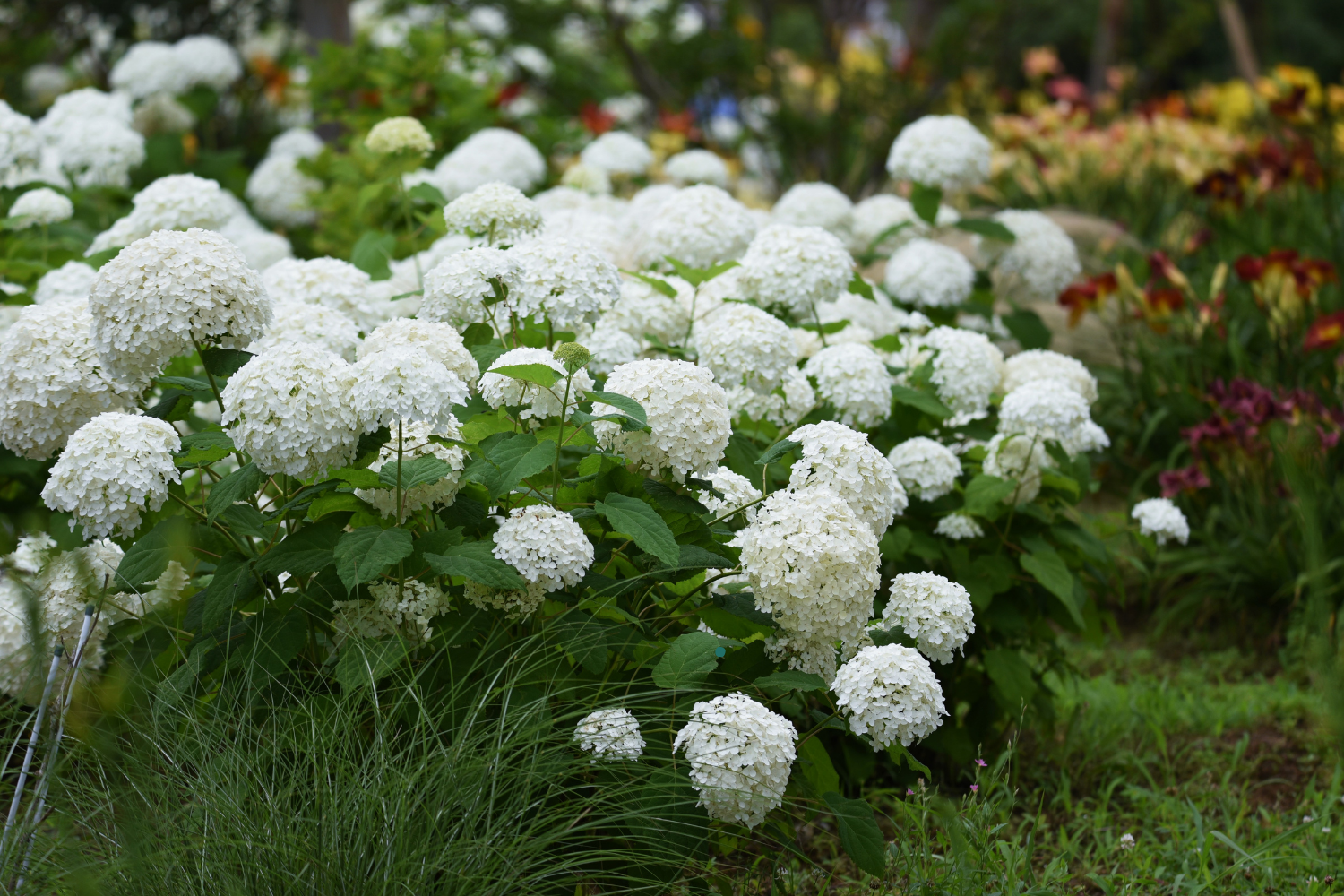
Smooth Hydrangea (not other hydrangea species)
Fothergilla species
Rose of Sharon (Hibiscus syriacus)
Beautybush (Kolkwitzia species)
Elderberry (Sambucus species)
American Holly (Ilex opaca)
Fragrant Sumac (Rhus species)
Spicebush (Lindera species)
Dogwood shrubs (Cornus species)
Black Raspberry (Rubus occidentalis)
St. Johnswort (Hypericum prolificum)
-
Euonymus species
Privet (Ligustrum species)
Barberry (Berberis species)
Juniper (Juniperus species)
Arborvitae (Thuja species)
Canadian Hemlock (Tsuga canadensis)
-
Redbud (Cercis canadensis)
Chokecherry (Prunus virginiana)
Sugar Maple (Acer saccharum)
Red Maple (Acer rubrum)
Oak species (Quercus)
Hackberry (Celtis occidentalis)
Black Locust (Robinia pseudoacacia)
Perennials Tolerant of Black Walnut
-
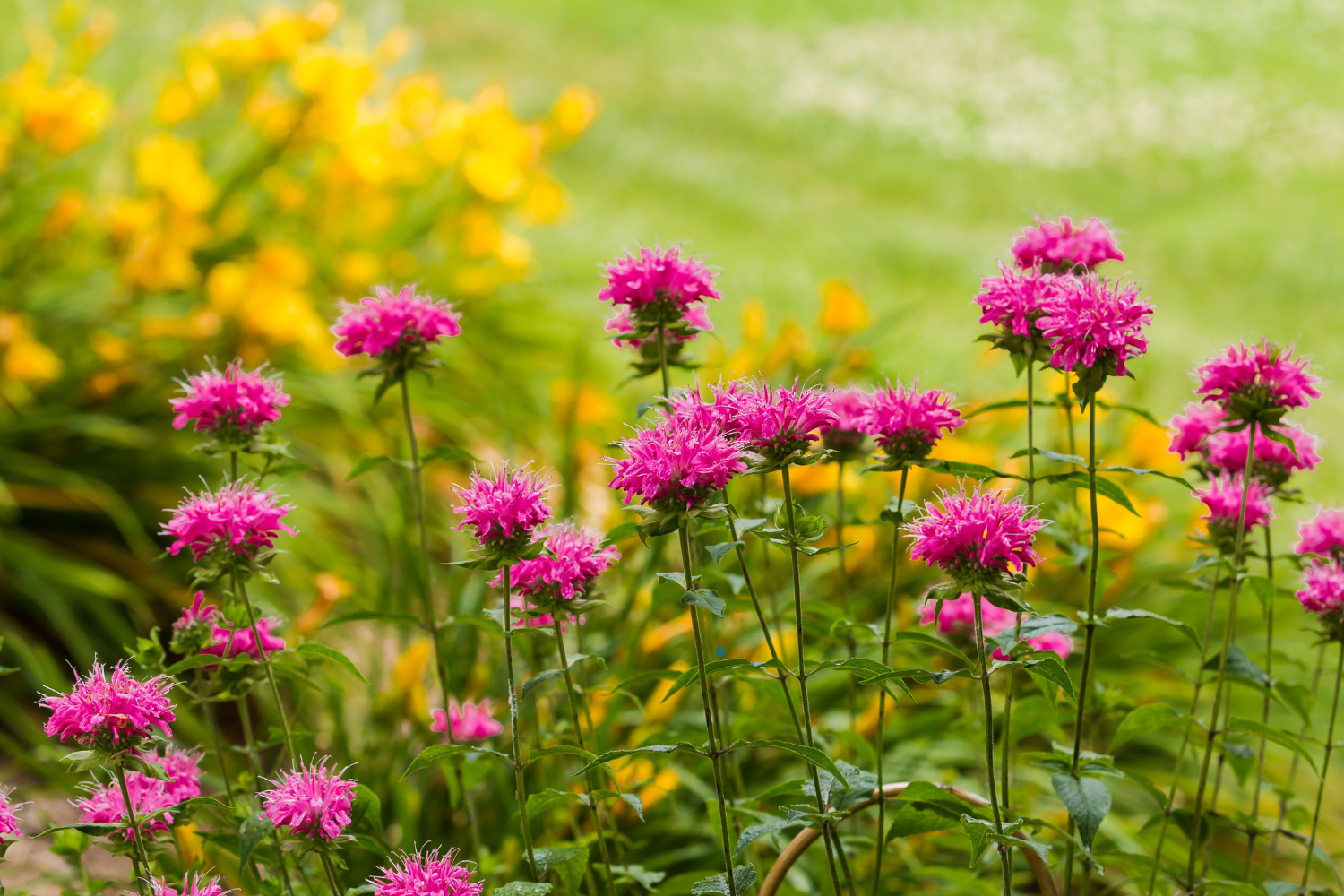
Bee Balm (Monarda)
Black-Eyed Susan (Rudbeckia)
Cranesbill Geranium (Geranium)
Phlox (both Garden/Summer and Creeping varieties)
Purple Coneflower (Echinacea)
Daylilies (Hemerocallis varieties)
Perennial Sunflower (Helianthus Microcephalus)
Sedum varieties
Lamb's Ears (Stachys)
St. John's Wort (Hypericum species)
Yarrow (Achillea)
Bergamot (Monarda fistulosa)
Boneset (Eupatorium perfoliatum)
Spotted Joe-Pye (Eutrochium maculatum)
Harebell (Campanula rotundifolia)
-
Bugleweed (Ajuga)
American Wood Anemone (Anemone quinquefolia)
Jack-in-the-Pulpit (Arisaema)
Wild Ginger (Asarum)
Heart-leaved Aster (Symphyotrichum cordifolium)
Solomon's Seal, including Variegated varieties (Polygonatum)
Bleeding Heart (Dicentra species)
Eastern Woodland Sedge (Carex blanda) and other sedges
Virginia Bluebells
Trout Lily (Erythronium)
Bloodroot
-
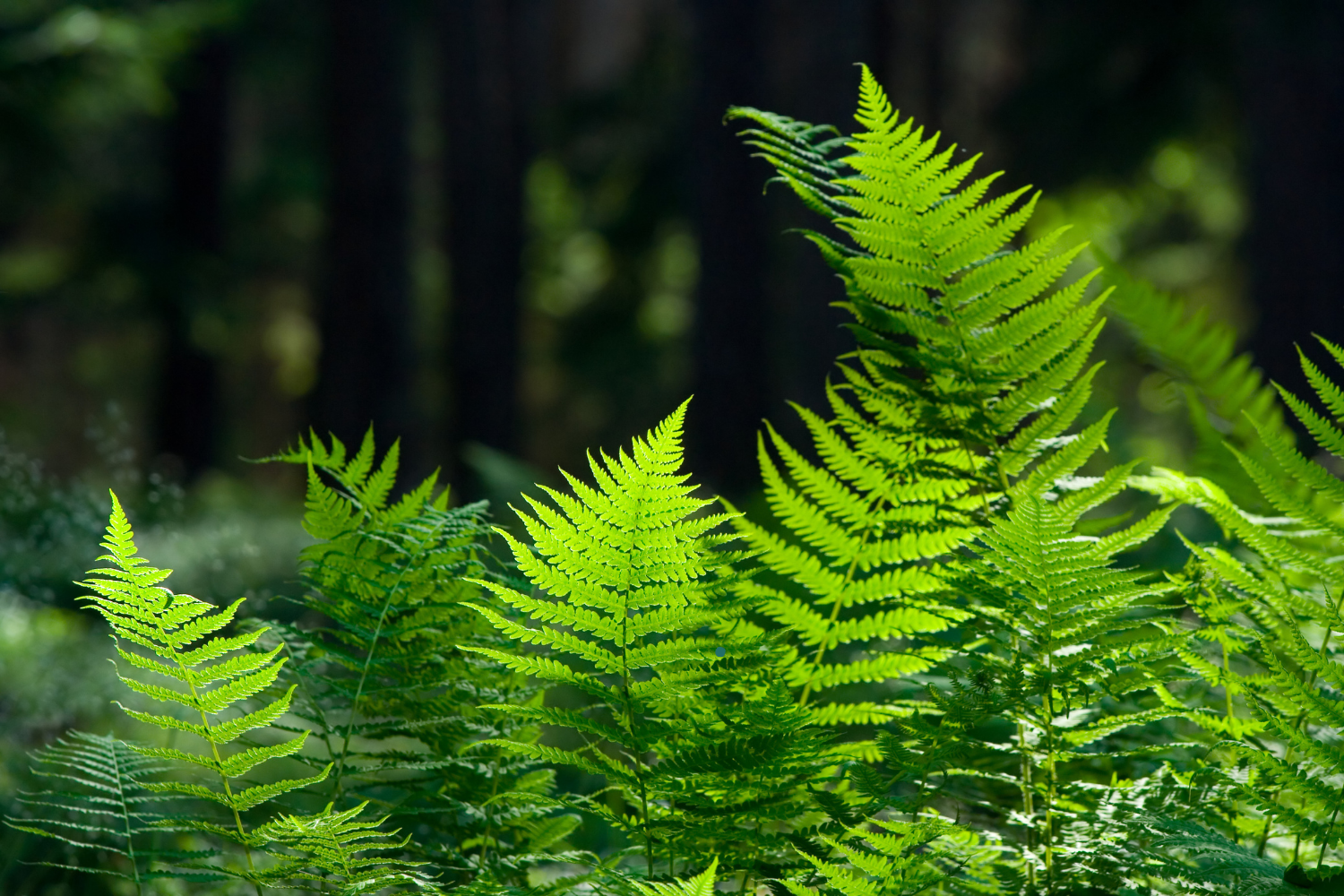
Christmas Fern
Sensitive Fern
Cinnamon Fern
Wood Ferns
Purple Love Grass (Eragrostis spectabilis)
Mexican Feather Grass (Nassella tenuissima)
Feather Reed Grass (Calamagrostis x acutiflora 'Karl Foerster')
Inland Sea Oats (Chasmanthium latifolium)
Kentucky Bluegrass
Plants to Avoid Near Black Walnuts
Based on extensive observations, these plants have demonstrated sensitivity to juglone and should be planted well away from black walnut trees:
-
Peonies
Columbine
Asian lilies
Autumn crocus
Baptisia
Rhubarb
-
Lilacs
Azaleas
Rhododendrons
Yews
Most hydrangeas (except smooth hydrangea)
Blueberry
Red chokeberry
Cotoneaster
Potentilla
-
Pine trees
Birch trees
Magnolias
Linden trees
Mountain laurel
Silver maple
A Note on Research Limitations
It's important to understand that black walnut toxicity due to juglone has not been studied in great depth. Much of what we know is based on observations rather than extensive scientific testing. Cornell Cooperative Extension and Penn State Extension note that plant lists may not be definitive, and individual results can vary based on:
Soil conditions and drainage
Overall plant health
Proximity to the tree
Competing factors like shade and root competition
Seasonal variations in juglone concentration
In some cases, what appears to be juglone toxicity may actually be drought stress from root competition. Regular irrigation can help distinguish between these issues.
Conclusion
Living with black walnut trees doesn't mean giving up on gardening. By understanding juglone toxicity and choosing appropriate plants, you can create beautiful, productive landscapes that coexist harmoniously with these valuable native trees. The key is working with nature rather than against it, selecting plants that have evolved to tolerate juglone's effects, and maintaining healthy soil that can help mitigate toxicity issues.
Whether you're planning an ornamental garden, a productive vegetable plot, or a diverse food forest, there are plenty of juglone-tolerant options that will allow you to garden successfully near your black walnut trees.
Shop Our Landscape Designs