

Taming the Hellstrip
Transform That Tough Space Between Sidewalk and Street
That neglected strip of land between your sidewalk and the street might just be your garden's next big opportunity. Often called a "hell strip" (and for good reason!), this challenging space can become a beautiful addition to your streetscape with the right approach and plant choices.
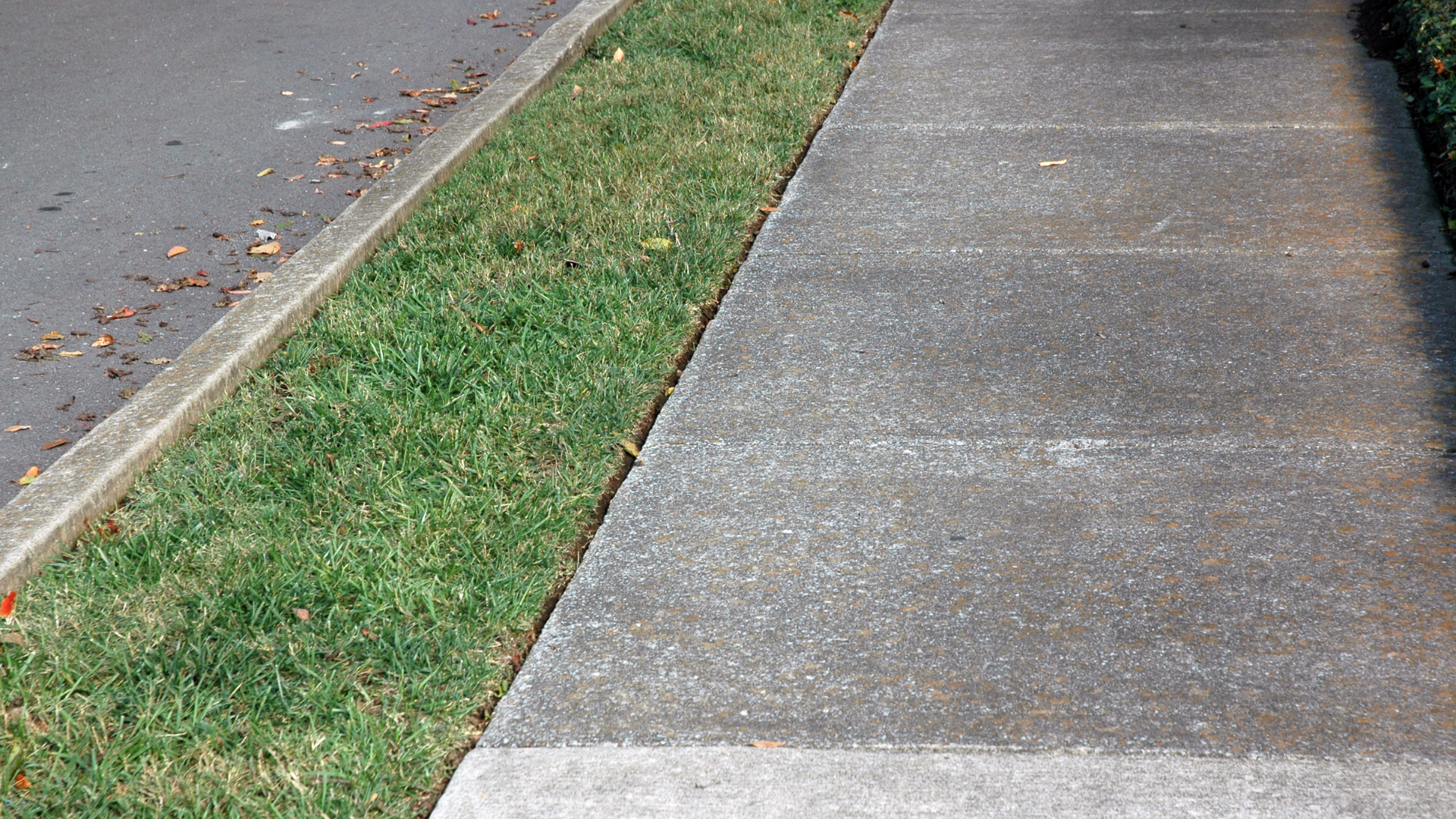
Why Your Hellstrip is Such a Challenge
If you've tried to grow anything in this space before, you know it's not your typical garden bed. Your plants here face a gauntlet of challenges:
Baking summer heat reflected from the street and sidewalk
Salt spray and runoff from winter road treatment
Soil so compacted you might as well be gardening in concrete
Dog "visits" that can burn your plants
Car doors swinging open and feet trampling through
Underground utilities that limit what you can dig
But don't give up! With smart planning and tough-as-nails plants, you can create a garden that not only survives but thrives in these conditions.
Why Bother? The Hidden Benefits
Converting your hell strip into a garden brings benefits that go far beyond curb appeal. While these tough little gardens certainly beautify your streetscape, they also serve as natural sponges for stormwater runoff, create vital corridors for urban wildlife and pollinators, and help cool our cities by breaking up heat-absorbing pavement. These planted strips prevent soil erosion and create more welcoming, walkable neighborhoods. What might seem like a small strip of land can actually contribute to a more resilient and sustainable urban environment.
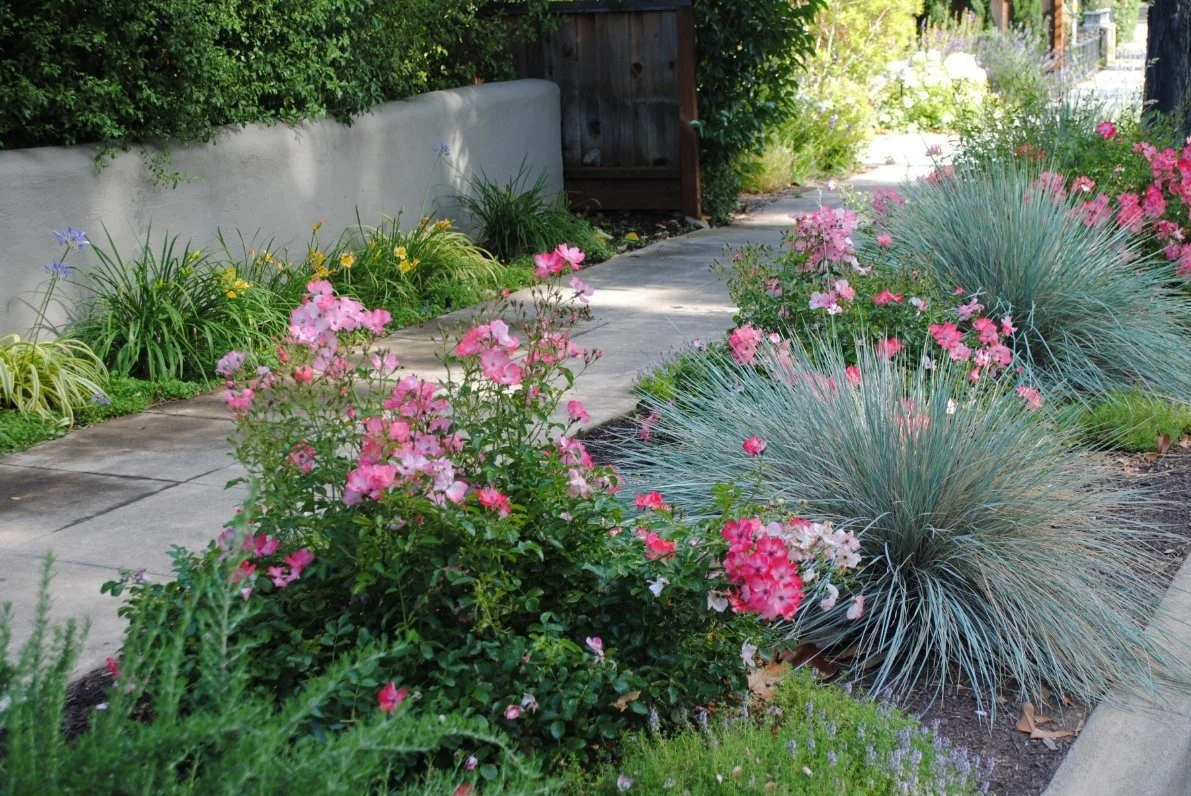
Before You Dig
Before breaking ground on your hellstrip garden, take care of a few important details. Start by checking with your local municipality about any regulations or required permits - many cities have specific rules about what can be planted in these public rights-of-way. Next, and crucially, contact your utility company to mark any underground lines. This free service could save you from a costly and dangerous mistake. Be mindful of your neighbors who park on the street by incorporating stepping stones or clear paths where car doors typically open. Finally, consider your local climate - if you get snow, think about where it will be piled during winter plowing and how that might affect your garden design.
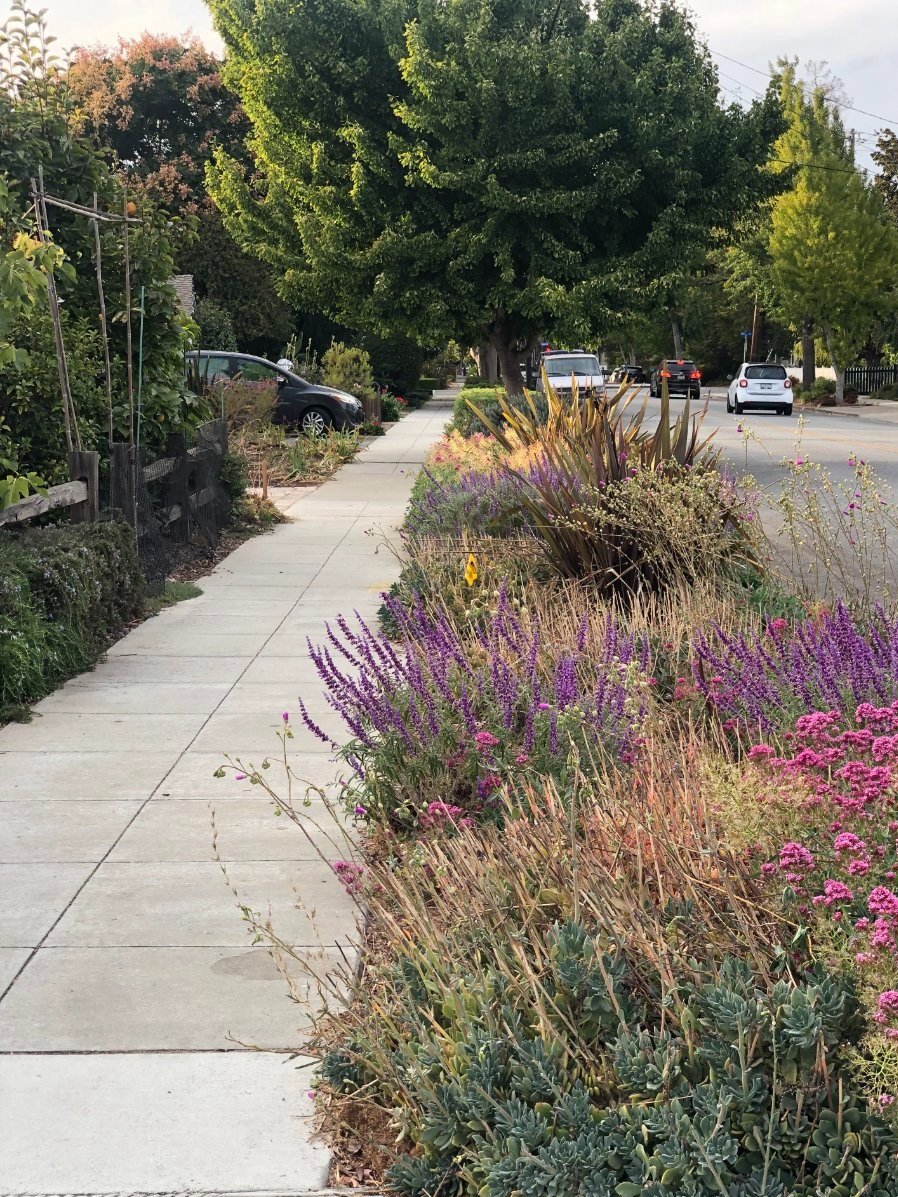
Design Tips for Success
When planning your design, consider these tips:
Keep plants under 36" tall for safety and visibility
Leave occasional stepping stones or paths for people getting out of cars
Plant in groups of 3-7 for visual impact
Stick to about 60% plants and 40% mulched areas
Limit yourself to 7 different types of plants per 100 feet - less is more!
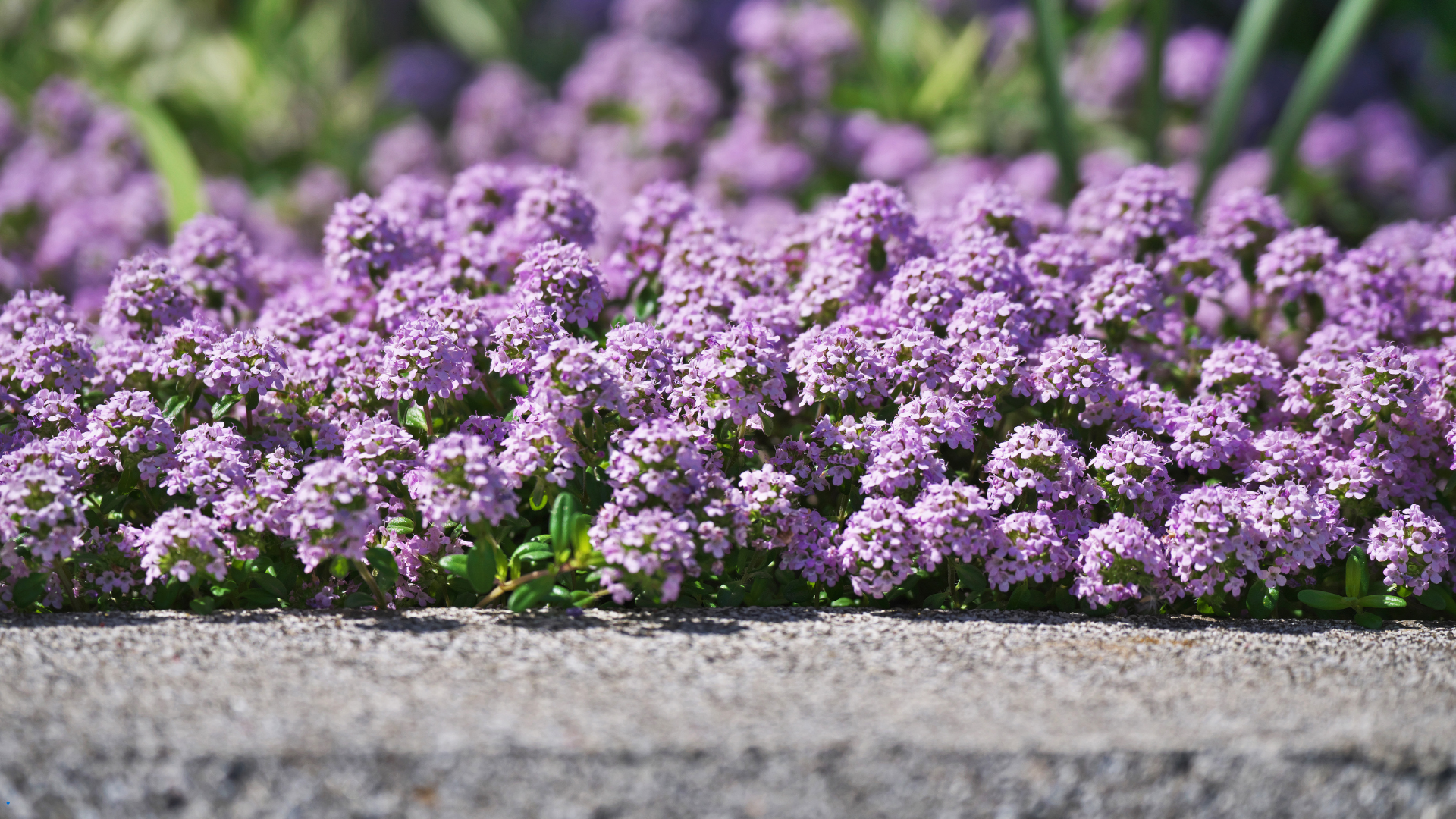
Tough Plants for Tough Places
Here are some tried-and-true performers that can handle hell strip conditions in cold climates (zones 4-6). The key to plant selection is identifying tough, drought tolerant varieties that can handle some foot traffic. Be sure to choose low growing varieties that keep in line with municipal code (less than three feet is a good benchmark!)
-
Achillea millefolium - Yarrow
Allium 'Millennium' - Ornamental Onion
Asclepias tuberosa - Butterfly Weed
Baptisia australis - False Indigo
Echinacea purpurea - Purple Coneflower
Hemerocallis cultivars - Daylily
Nepeta x faassenii - Catmint
Penstemon digitalis - Beardtongue
Rudbeckia fulgida - Black-Eyed Susan
Stachys byzantina - Lamb's Ear
-
Bouteloua gracilis - Blue Grama Grass
Calamagrostis x acutiflora - Feather Reed Grass
Festuca glauca - Blue Fescue
Schizachyrium scoparium - Little Bluestem
Sporobolus heterolepis - Prairie Dropseed
-
Arctostaphylos uva-ursi - Bearberry
Juniperus horizontalis 'Wiltonii' - Blue Rug Juniper
Potentilla fruticosa cultivars - Shrubby Cinquefoil
Rhus aromatica 'Gro-Low' - Fragrant Sumac
Spiraea japonica 'Little Princess' - Spirea
-
Phlox subulata - Creeping Phlox
Carex pensylvanica - Pennsylvania Sedge
Sedum kamtschaticum - Russian Stonecrop
Thymus serpyllum - Creeping Thyme
Galium odoratum - Sweet Woodruff
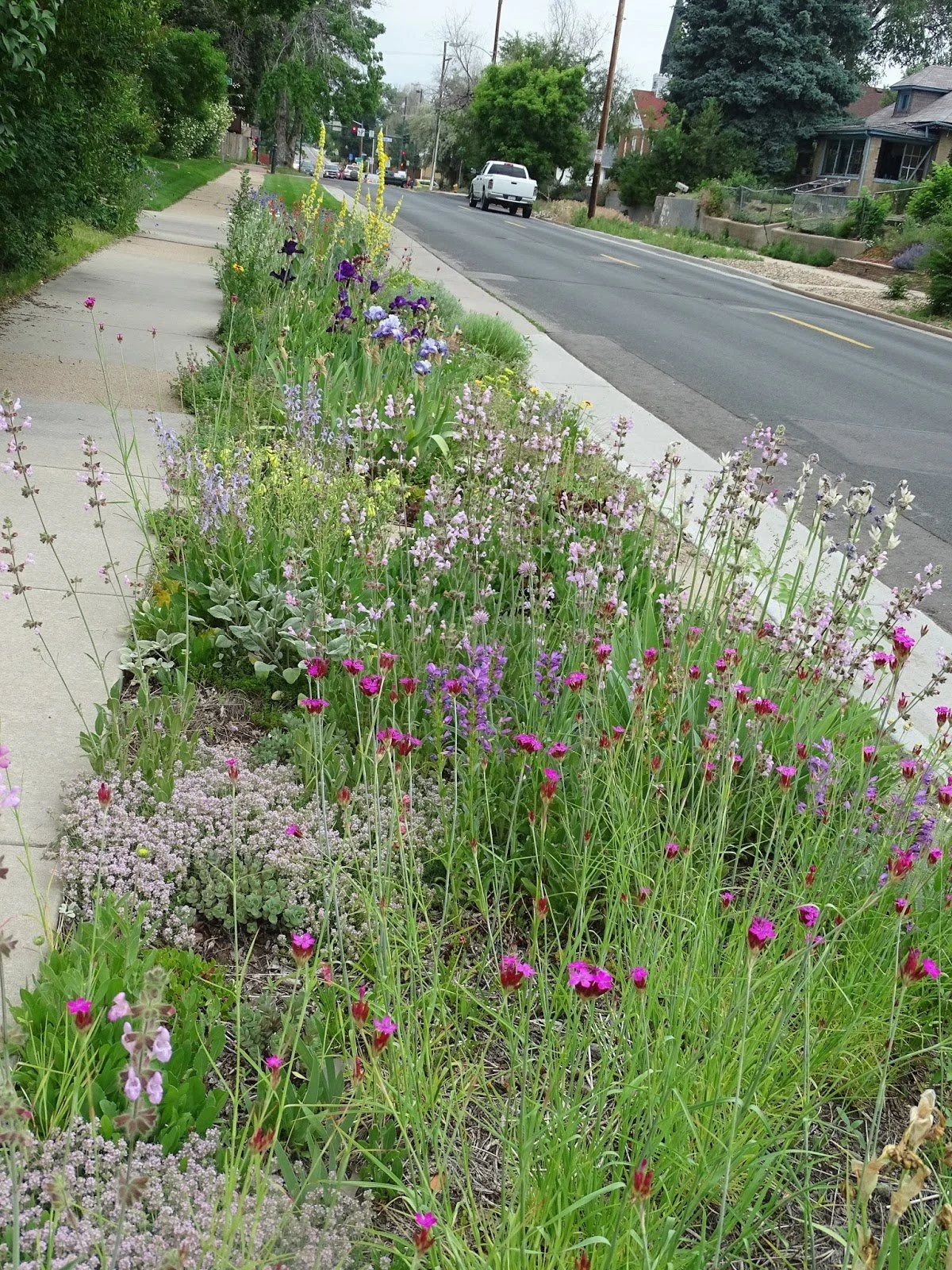
Setting Yourself Up for Success
Remember, even tough plants need some help getting established. Here's what to expect:
Be patient! These gardens typically take 2-3 seasons to fully establish
Water deeply but infrequently during the first season to encourage deep roots
Don't worry if plants look rough after winter - most bounce back once you clear away the salt-damaged foliage
Spring cleanup is your friend - cut back dead foliage and add at least three inches fresh mulch (these heat stricken areas need extra help retaining moisture)
Some plants might not make it, and that's okay - it's how you learn what works in your specific spot.
The Payoff
While hell strip gardening comes with its challenges, the rewards are worth it. You'll turn a barren strip of grass into a vibrant garden that benefits your community, supports local wildlife, and adds curb appeal to your home. Plus, you'll gain valuable gardening experience - after all, if you can garden here, you can garden anywhere!
Remember, every garden is unique, so don't be afraid to experiment and find what works in your specific situation.
