
The Spacing Trap (And How to Escape It)
Why Plant Spacing Feels Like an Impossible Puzzle
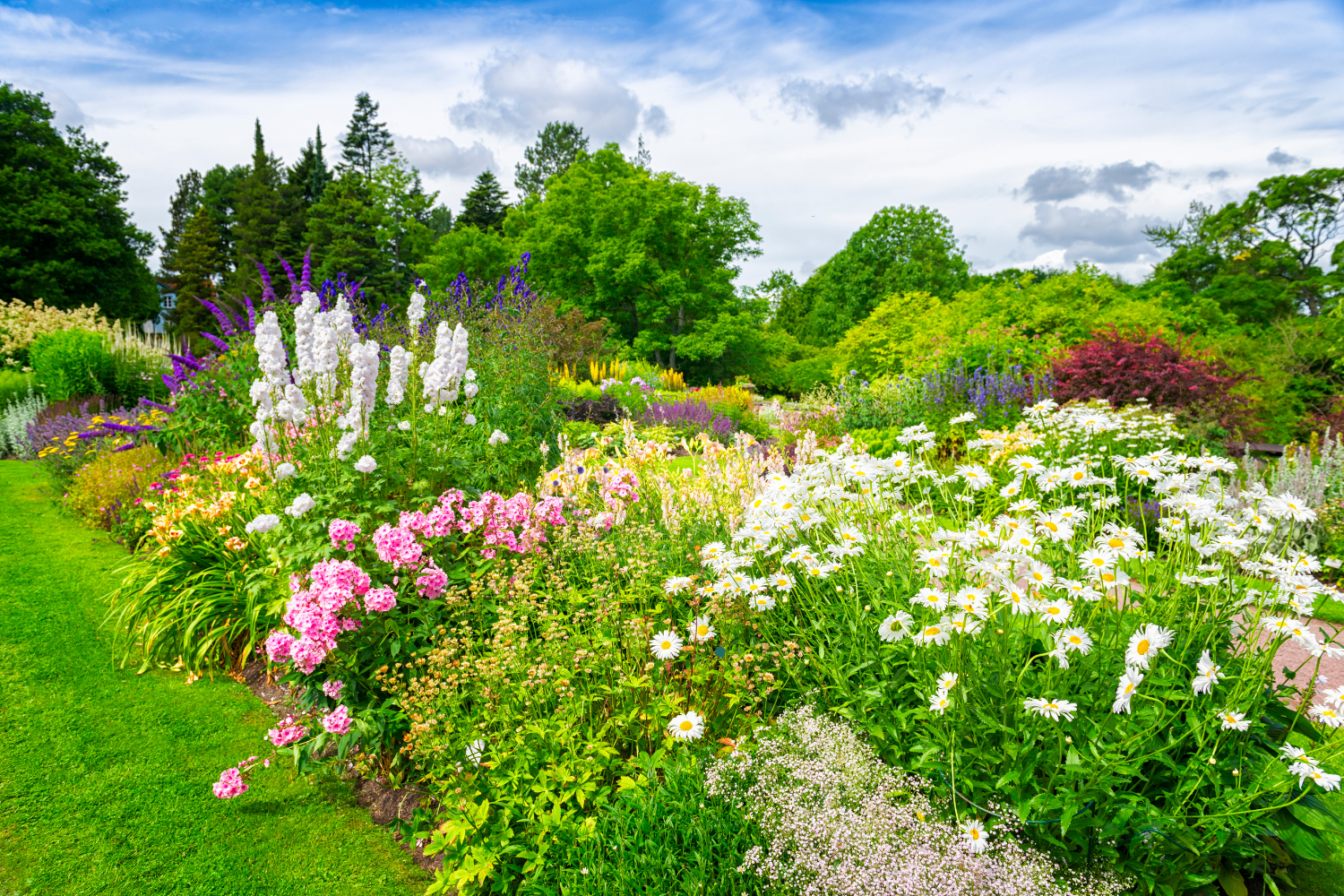
You're standing in the garden center, new plants in hand, trying to figure out the eternal gardening question: How close is too close? Those little plant tags say "space 18-24 inches apart," but your brain is doing some serious mental gymnastics. Plant them far apart and your garden looks like a sad collection of lonely plants floating in a sea of mulch. Plant them close together for instant impact, and in two years you're hacking through a jungle with pruning shears.
Welcome to one of gardening's most frustrating catch-22s. There's no perfect answer, but there are some smart strategies that can help you avoid both the "sparse wasteland" and "botanical traffic jam" extremes.
The Sparse Garden Reality Check
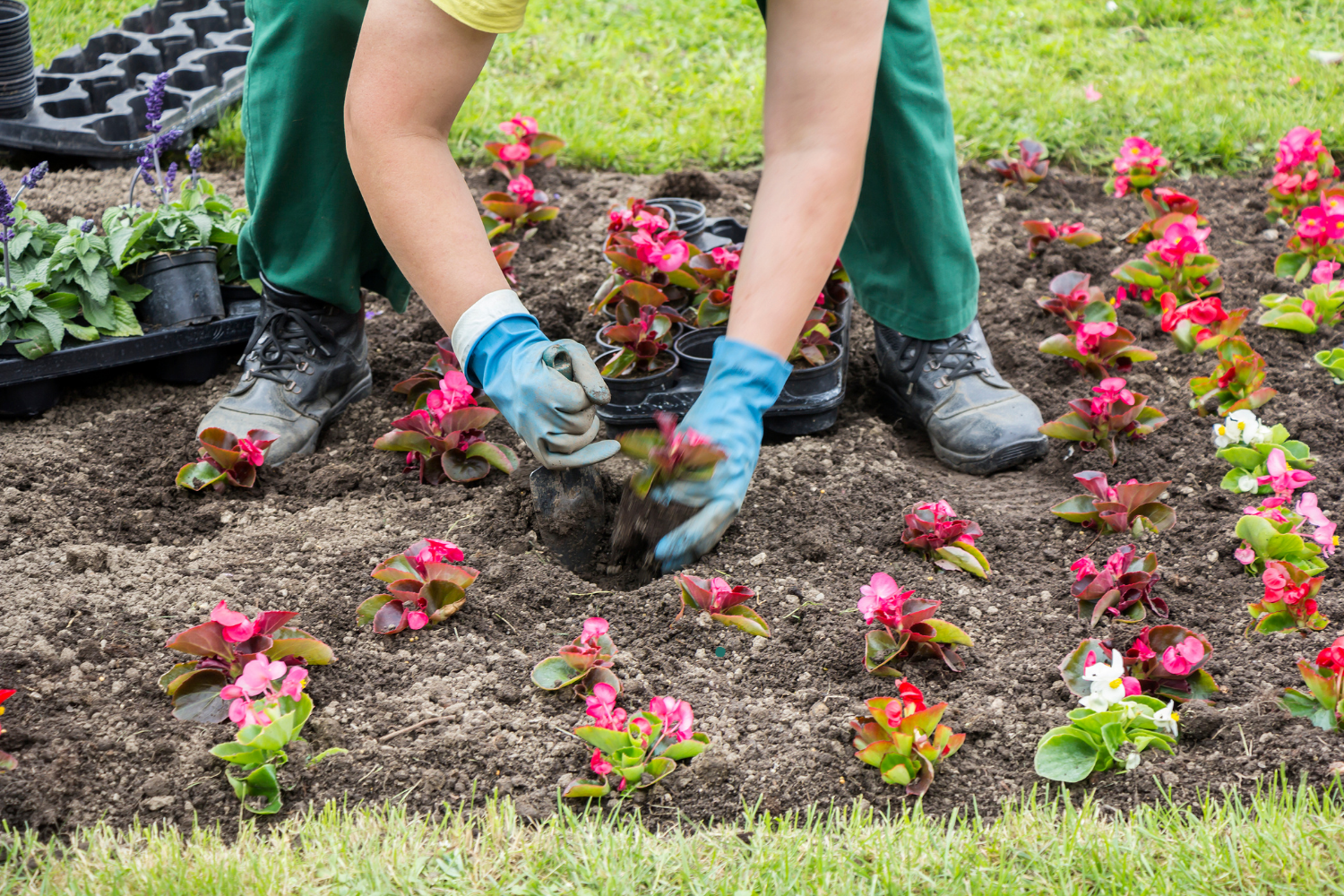
Let's be honest about what proper spacing looks like in year one: disappointing. When you follow those spacing guidelines religiously, your new garden beds look like you scattered a handful of plants across an acre of dirt. It's the horticultural equivalent of a bad haircut—you know it'll look better eventually, but right now you're questioning all your life choices.
This is especially painful when you've invested good money in plants and your neighbor's packed-tight flower beds are Instagram-ready from day one. But here's what that sparse first year is actually doing for you:
Giving roots room to establish: Plants that aren't competing for space from day one develop stronger root systems. They're building the underground foundation that will support years of healthy growth.
Preventing early plant casualties: When young plants are crowded, they compete for water, nutrients, and light before they're strong enough to handle the stress. The result? Some plants thrive while others slowly weaken and eventually give up.
Setting you up for easier maintenance: Properly spaced plants are easier to water, weed around, and maintain. You won't need to become a contortionist just to deadhead your flowers.
The Crowded Garden Temptation
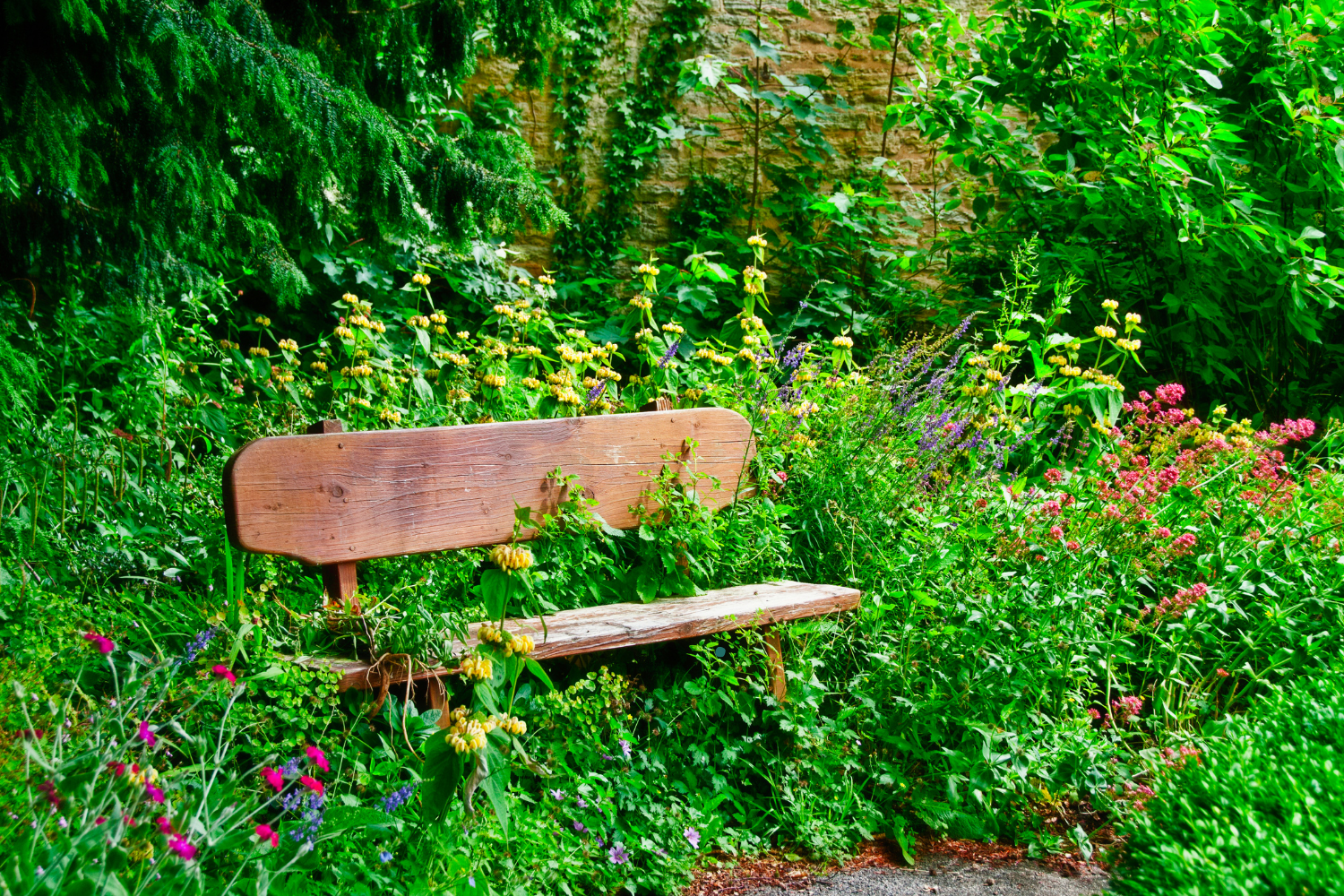
On the flip side, there's definitely something to be said for the "plant it thick" approach. Gardens with tighter spacing look mature faster, create better weed suppression, and give you that lush, cottage garden feeling from the start. Plus, there's something satisfying about maximizing your plant investment—why buy three plants when you can squeeze in five?
The crowded approach works especially well if you're:
Planning to divide and relocate plants as they grow
Using a mix of fast-growing annuals with slower perennials
Comfortable with regular maintenance and plant management
Going for that "controlled chaos" cottage garden aesthetic
But tight spacing comes with some real trade-offs. You'll likely need to thin things out within a few years, which means either moving plants (extra work) or losing some entirely (goodbye, money). And diseases spread faster when plants don't have good air circulation between them.
Finding Your Spacing Sweet Spot
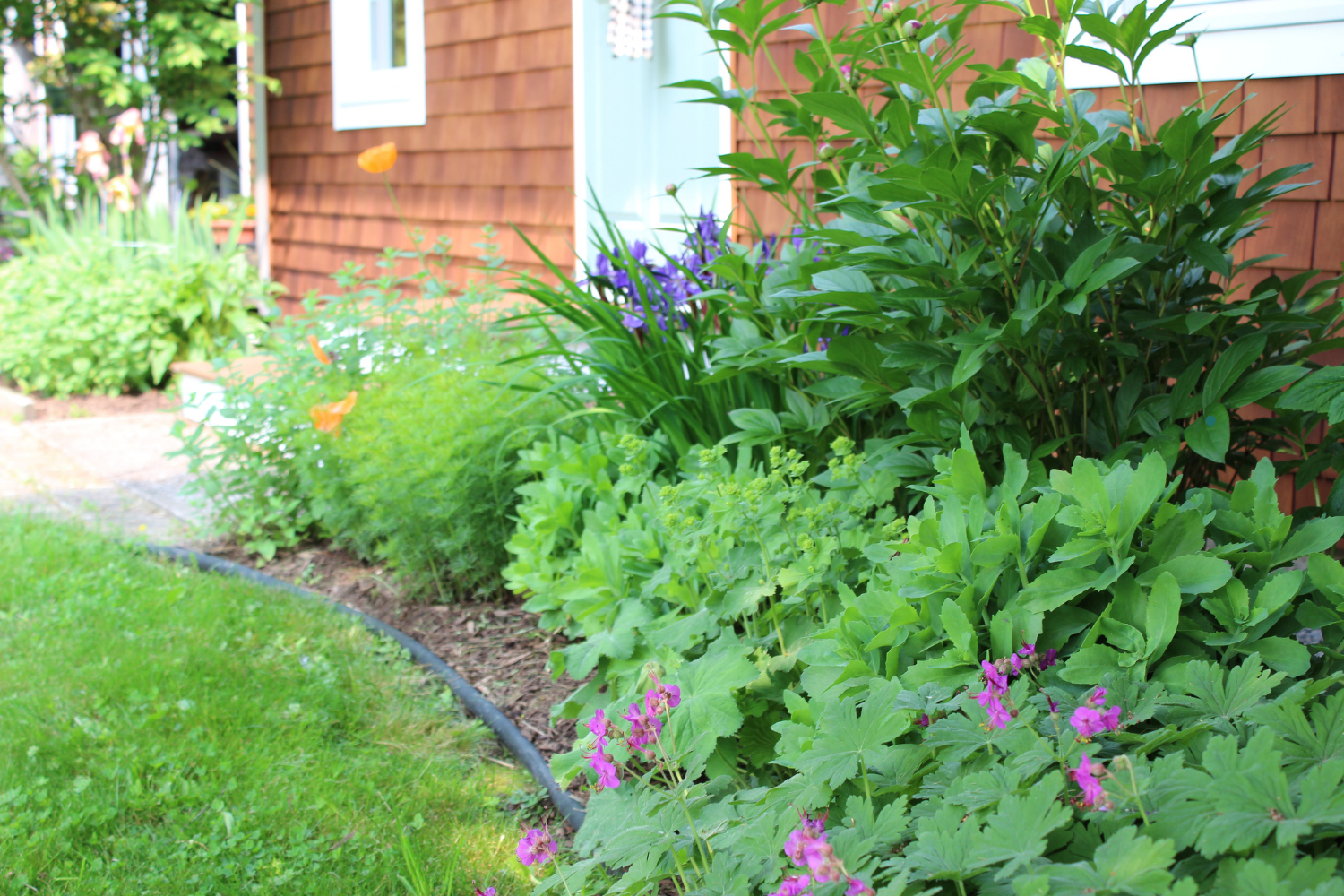
The truth is, the "right" spacing depends on your gardening style, patience level, and long-term plans. Instead of sticking rigidly to one approach, consider these middle-ground strategies:
The layered approach: Plant your permanent "backbone" plants (trees, large shrubs, major perennials) at proper spacing, then fill in with shorter-lived plants you're okay with removing later. This gives you immediate impact while respecting the space your big-ticket plants will eventually need.
Strategic overcrowding: Plant slightly closer than recommended, but plan to thin or relocate within 2-3 years. This works well for gardeners who enjoy moving plants around and don't mind the extra work.
The patience game: Follow spacing guidelines strictly, but fill the gaps with mulch, temporary annuals, or bulbs that can handle being crowded out later. This requires more initial patience but less future plant shuffling.
What Different Spacing Really Means
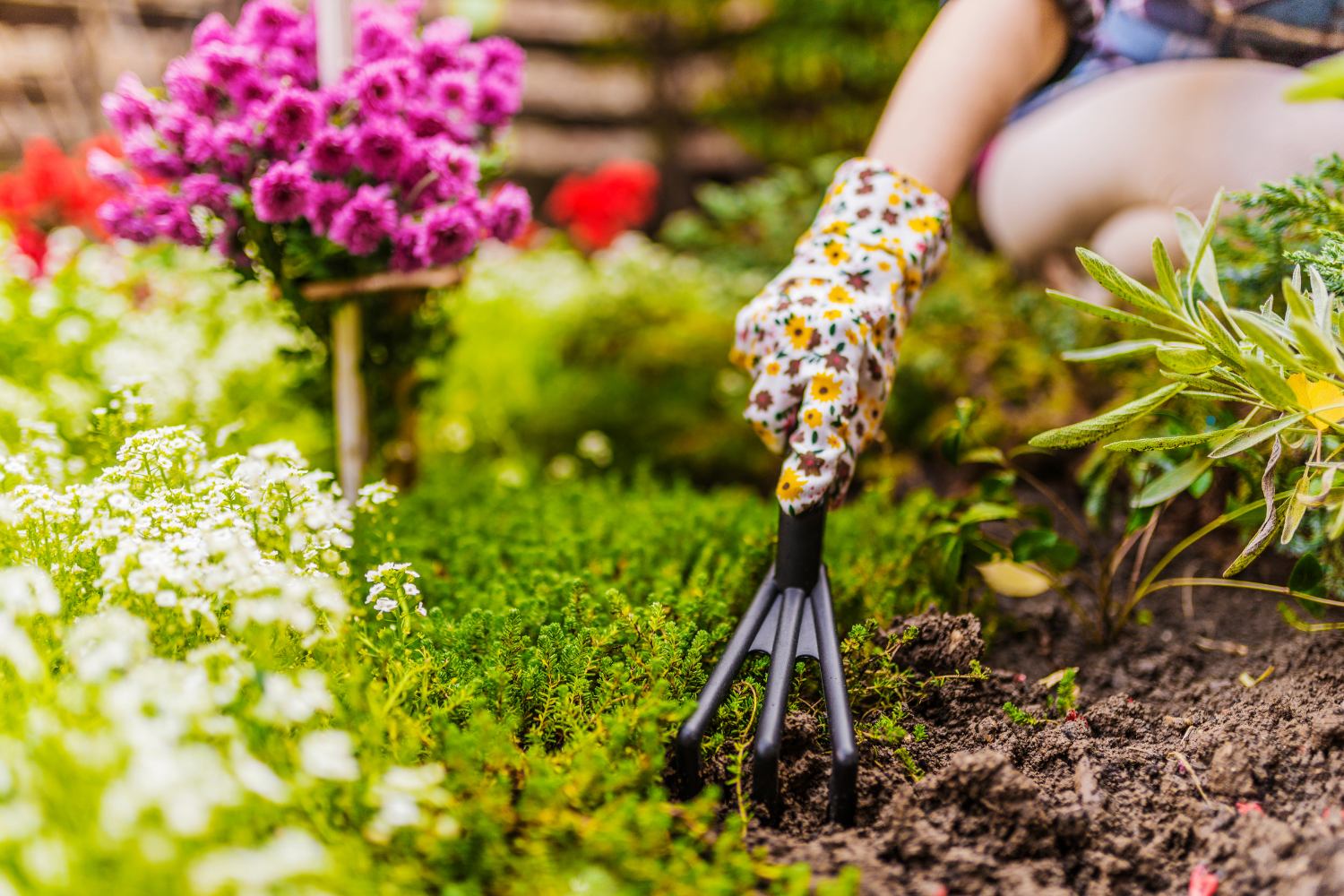
Before you decide, let's be realistic about what each approach actually looks like over time:
Year 1 with proper spacing: Your garden looks unfinished. You'll probably add more plants because you can't stand the gaps. Accept this urge as normal—just choose plants that can handle being moved later.
Year 1 with tight spacing: Your garden looks great! You feel smug about your lush beds while your neighbors' properly spaced gardens look sparse. Enjoy this moment.
Year 3 with proper spacing: Plants are filling in nicely. You're starting to see the mature look you were aiming for, and maintenance is manageable.
Year 3 with tight spacing: Things are getting crowded. Some plants are clearly struggling, and you're realizing you need to make some tough decisions about what stays and what goes.
Year 5+ with proper spacing: Your garden hits its stride. Plants are at their mature size, and the space feels balanced and sustainable.
Year 5+ with tight spacing: You're either really good at plant management (constant dividing, relocating, selective removal) or your garden has become a survival-of-the-fittest situation where the strongest plants have crowded out the weaker ones.
Making the Choice That Fits Your Style
The best spacing approach is the one that matches your gardening personality:
Choose proper spacing if you: Value low-maintenance gardening, want to set up a sustainable long-term design, prefer to plant once and let things develop naturally, or get satisfaction from watching slow garden evolution.
Choose tighter spacing if you: Love hands-on garden management, enjoy moving plants around, want immediate visual impact, don't mind replanting areas every few years, or are treating this as a learning garden where you expect to make changes.
When in Doubt, Compromise.
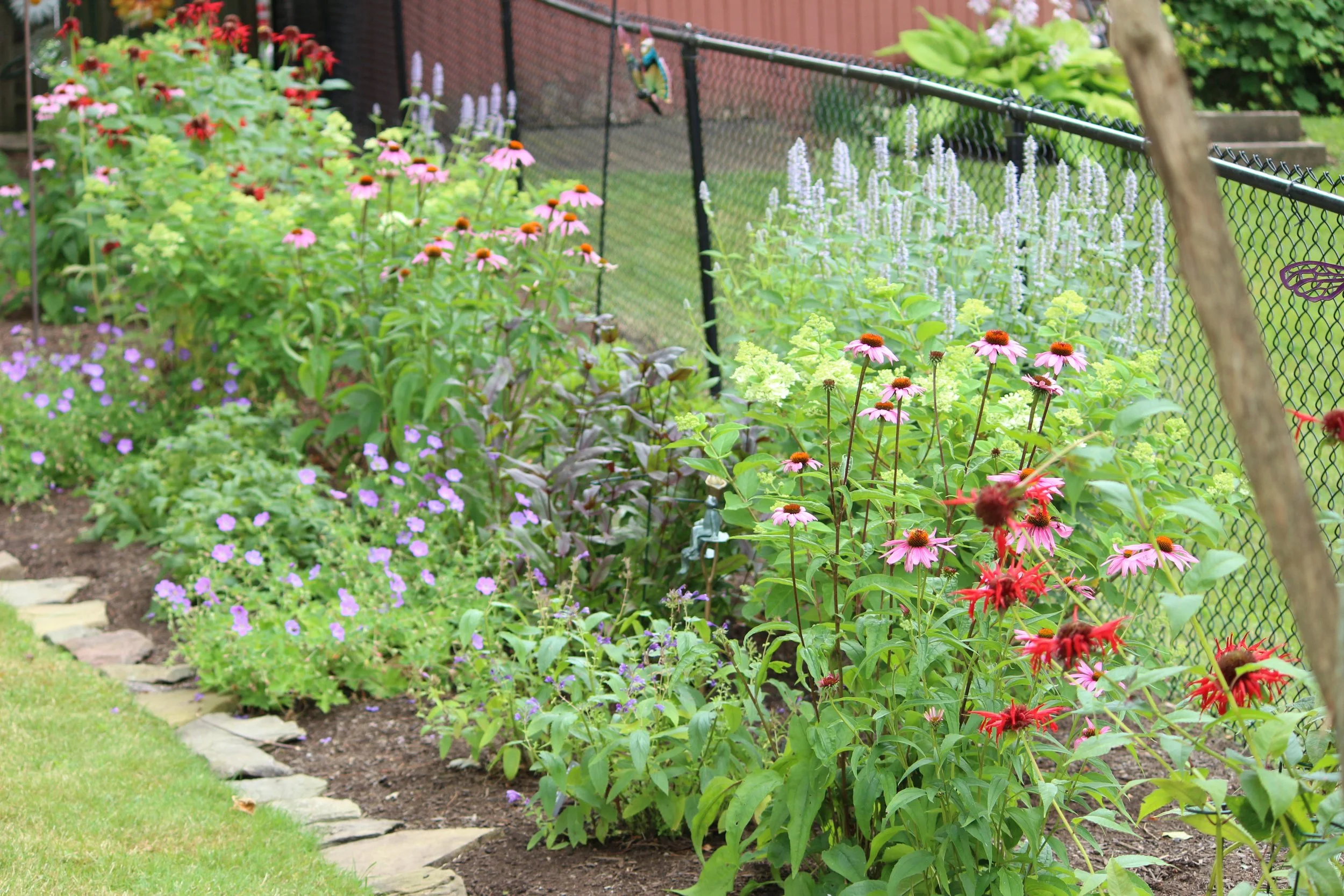
Many successful gardeners land somewhere in the middle. They space their major plants properly but aren't afraid to squeeze in extra plants they're genuinely excited about. The key is being honest about which plants you're committed to keeping long-term (give these proper space) versus which ones you're okay with treating as temporary (these can be planted more closely).
Remember, no garden spacing decision is permanent. Plants can be moved, removed, or divided. Gardens are living, changing things, and part of the joy is adjusting as you learn what works in your specific space.
Your garden doesn't need to look perfect in year one—it needs to work for you over the long haul. Whether that means embracing the sparse beginning or managing the crowded chaos, choose the approach that fits your gardening style and patience level. The plants will adapt, and so will you.
Shop Our Landscape Designs